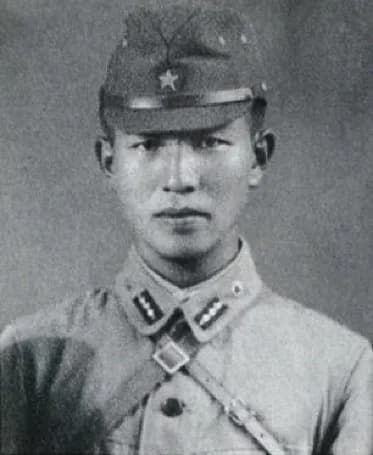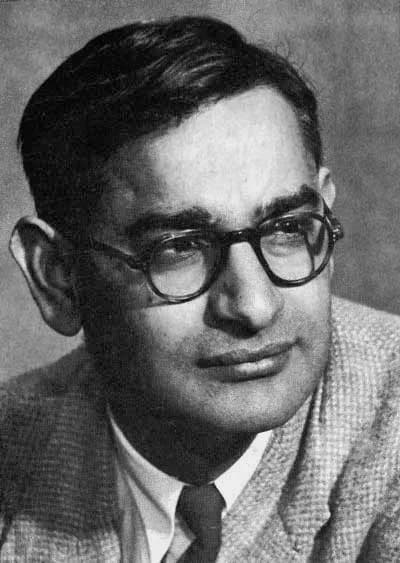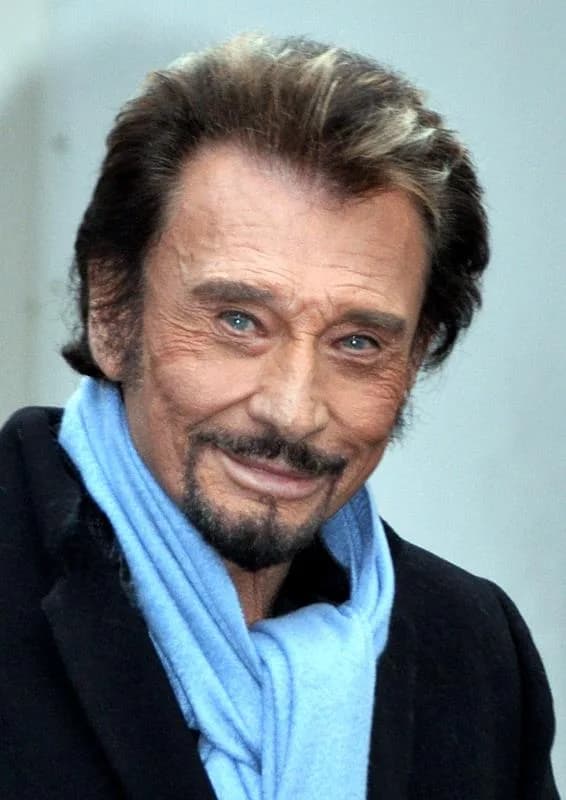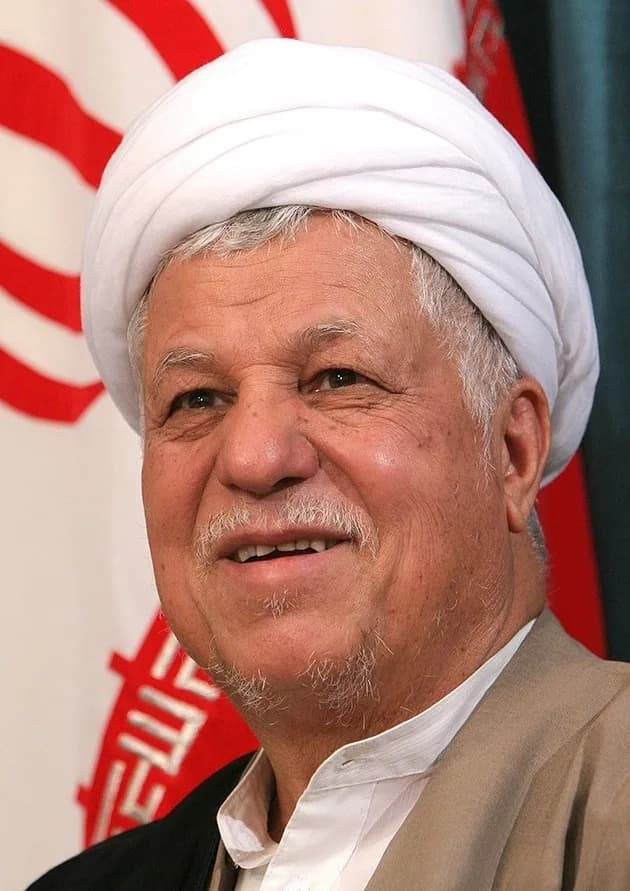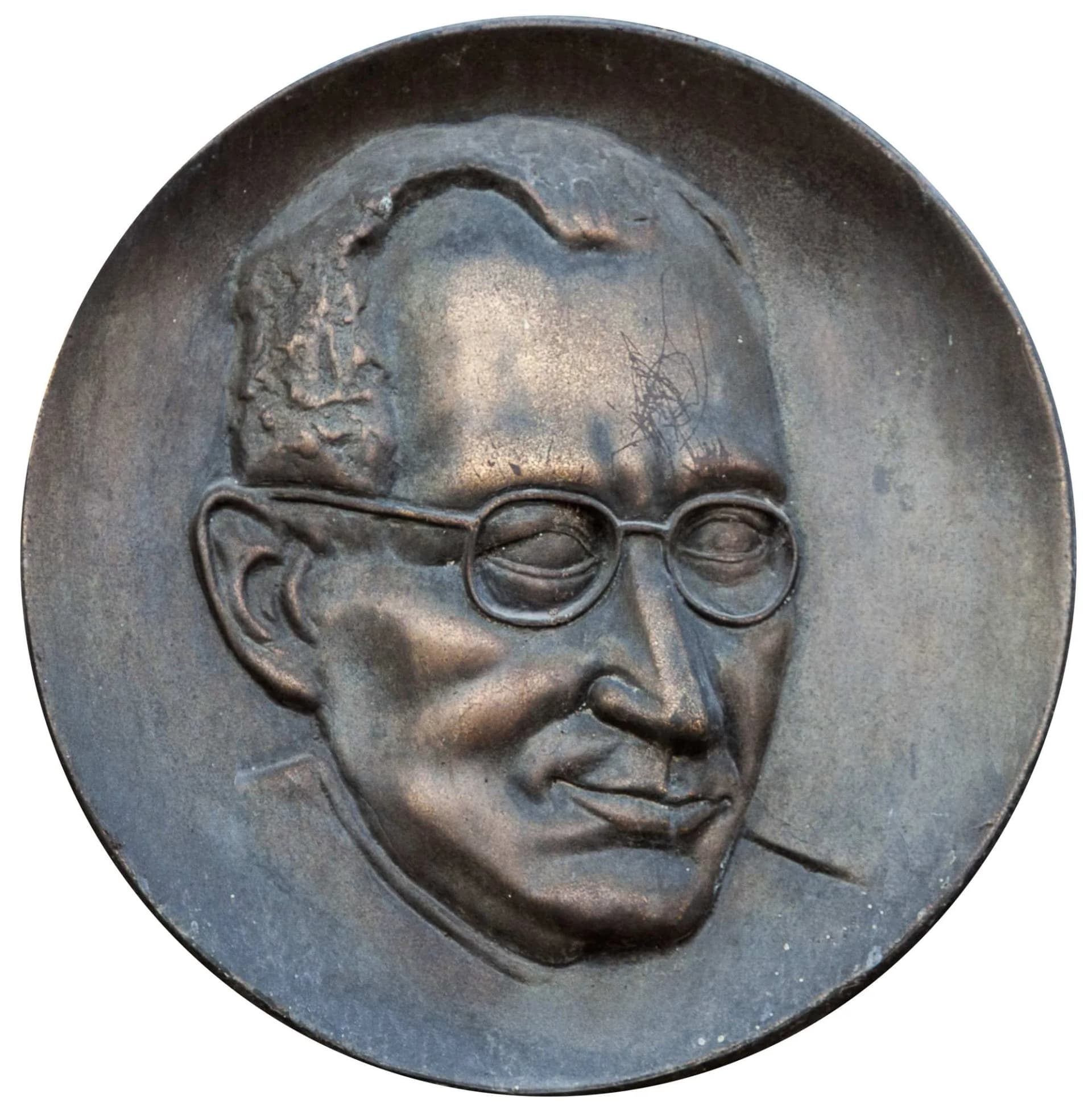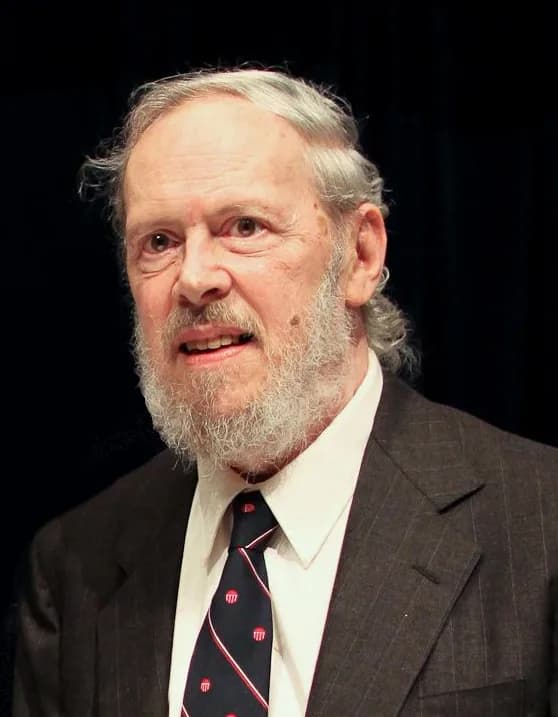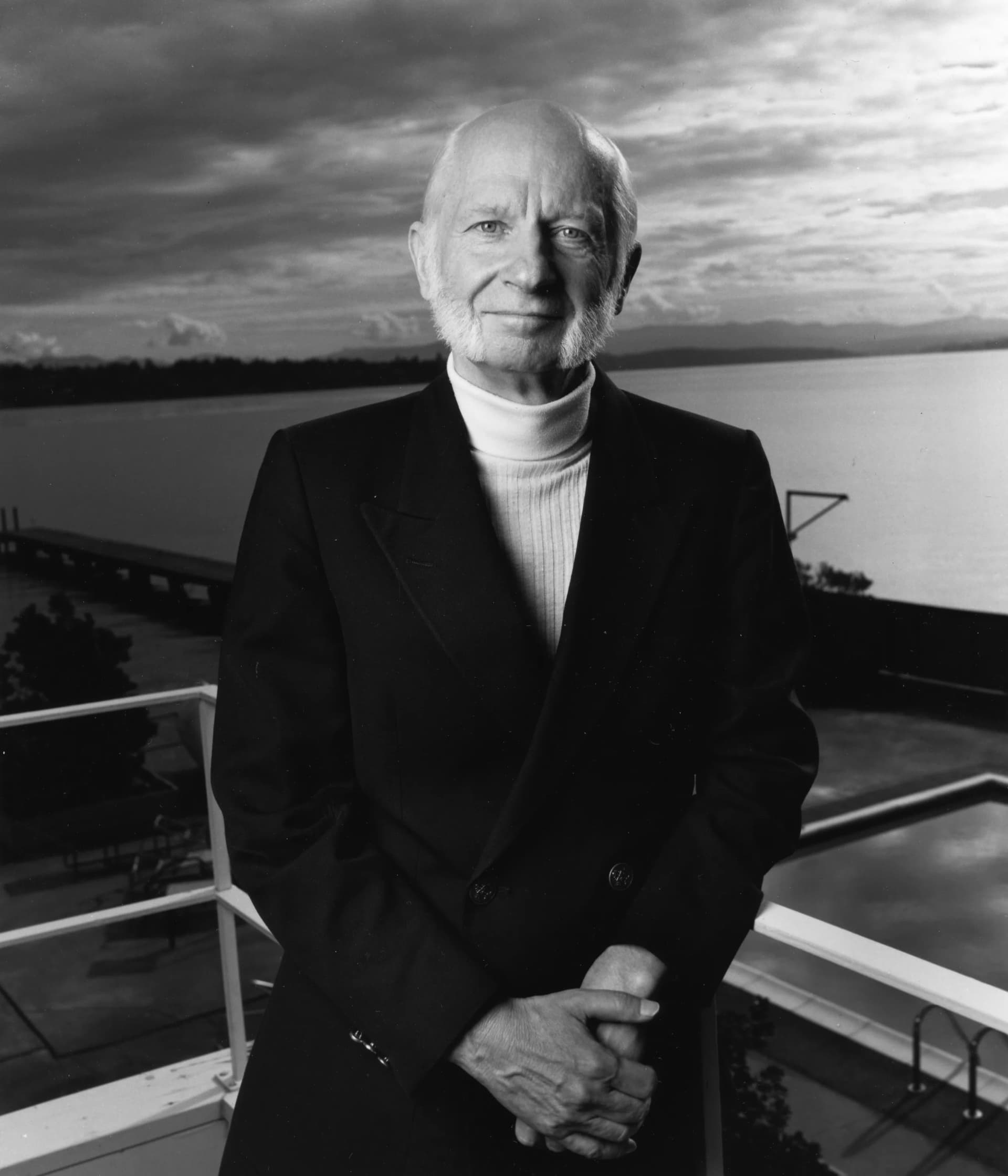
誕生
September 9, 1922
Görlitz, Germany
永眠
March 7, 2017
Seattle, United States
知られていること
German physicist
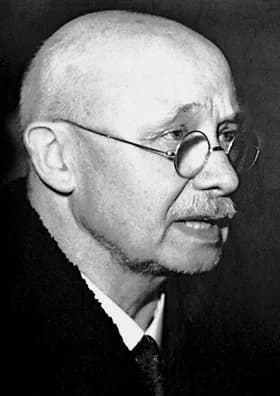
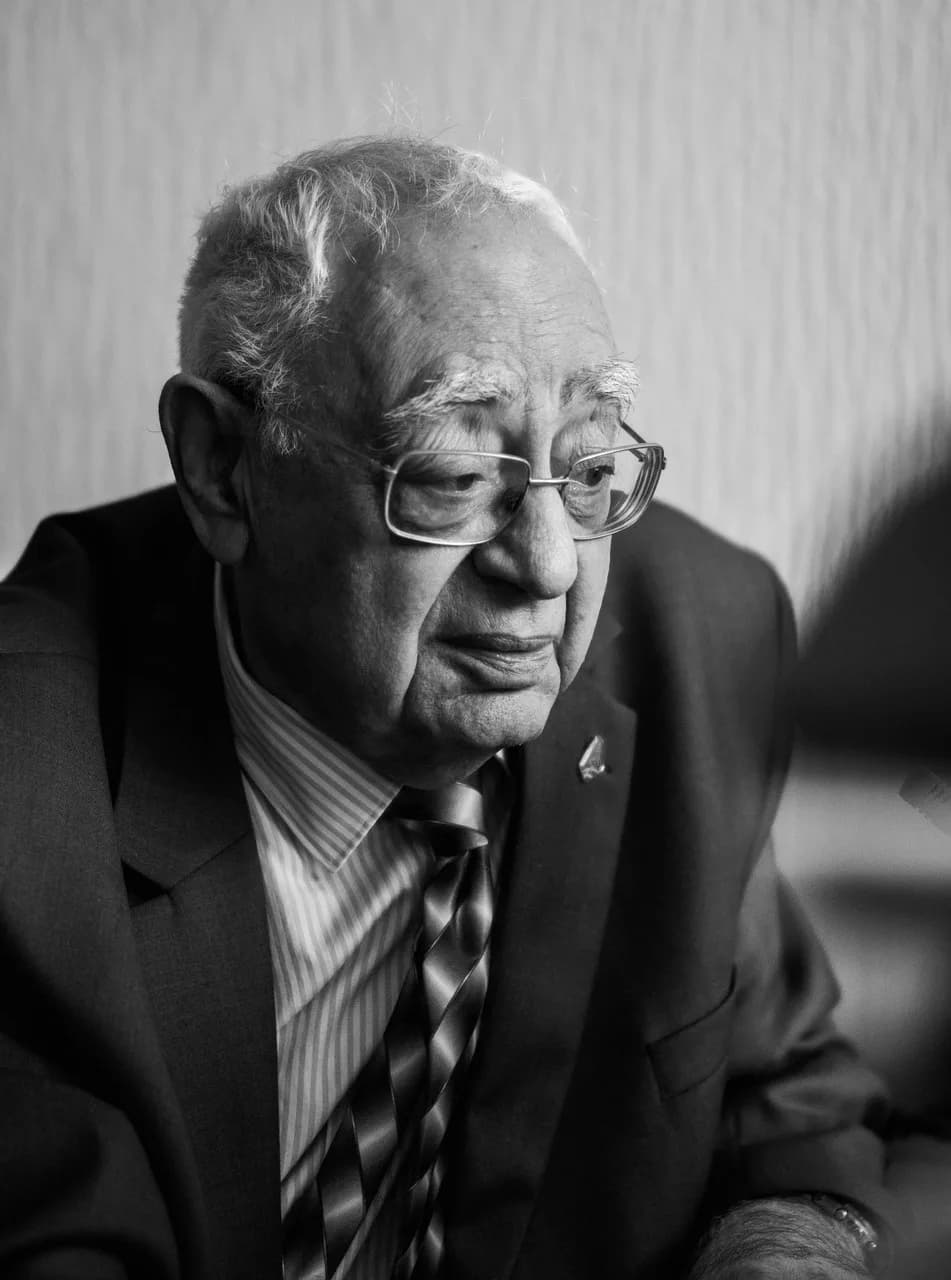
Hans Georg Dehmelt (1922–2017) was Germany best known for German physicist.
Hans Georg Dehmelt (September 9, 1922 – March 7, 2017) was a German physicist. He co-developed the ion trap technique, earning a Nobel Prize in Physics in 1989. His work enabled high precision measurement of the electron magnetic moment, leaving a scientific legacy.
瞬間の中の人生
人生を形作った瞬間
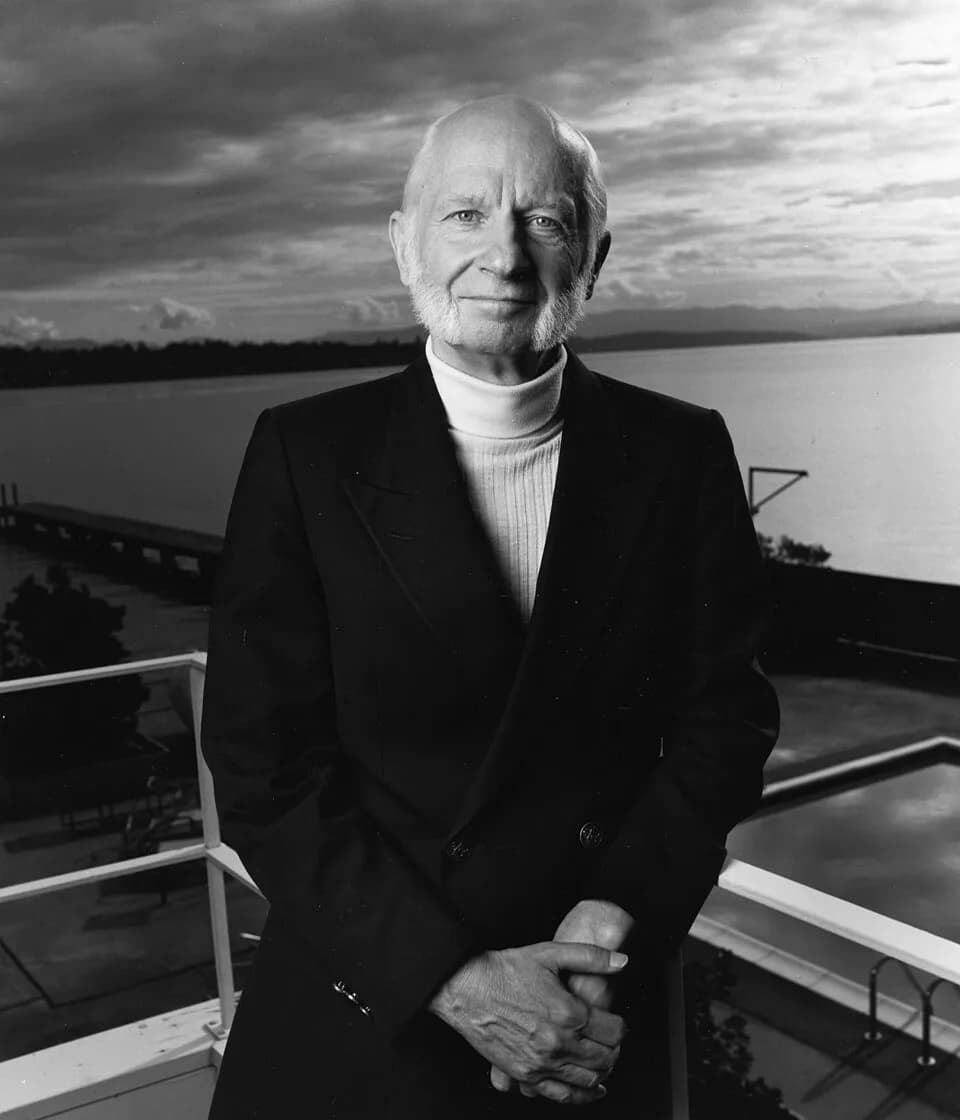



第0章
人生の章
第1章 · 1922年· 全7章中第1章
Introduction
Hans Georg Dehmelt, born September 9, 1922, and deceased on March 7, 2017, was a German and American physicist whose work significantly influenced modern physics. As a university teacher and physicist, Dehmelt was recognized with the Nobel Prize in Physics in 1989. This honor celebrated his co-development of the ion trap technique, a method crucial for high precision measurements.
第2章 · 1922年· 全7章中第2章
Early Life and Origins
Hans Georg Dehmelt was born in Görlitz, Germany, on September 9, 1922. His early life in Germany laid the foundation for a career dedicated to scientific inquiry. Dehmelt pursued his studies in physics, developing an early interest in the fundamental properties of matter and energy.
第3章· 全7章中第3章
Career Beginnings
Dehmelt began his professional journey as a physicist and university teacher, engaging with complex theoretical and experimental challenges. His early research focused on nuclear quadrupol resonance, as evidenced by his publications from the 1950s. These formative years established his expertise in precision measurement techniques.
第4章 · 1989年· 全7章中第4章
Major Achievements and Career Highlights
A defining moment in Hans Georg Dehmelt's career was the award of the Nobel Prize in Physics in 1989. He shared one-half of the prize with Wolfgang Paul for their independent development of the ion trap technique. This innovative method allowed for the isolation and study of individual charged particles, pushing the boundaries of experimental physics. The technique proved particularly effective for the high precision measurement of the electron magnetic moment.
第5章 · 1951年· 全7章中第5章
Notable Works or Contributions
Hans Georg Dehmelt's scientific output included seven published papers, contributing to his h-index of 5. Among his most cited works is "Quadrupol-Resonanzfrequenzen von Cl- und Br-Kernen in kristallinem Dichloräthylen und Methylbromid" from 1951, which gathered 84 citations. Another significant paper was "Quadrupol-Resonanzfrequenzen von J127-Kernen in kristallinen kovalenten Jodverbindungen," also published in 1951, receiving 38 citations. He also published "über das Quadrupolresonanzspektrum in kristallinem Antimontrichlorid und das Verhältnis der Antimonkernquadrupolmomente" and "Quadrupolresonanzfrequenzen des kristallinen Broms" in the same year. His 1953 paper, "Nachtrag zu „Kernquadrupolspektren in zwei Bortrialkylen“," further demonstrated his sustained research activity.
第6章 · 2017年· 全7章中第6章
Later Years
Hans Georg Dehmelt continued to contribute to the scientific community in his later years, building on his established legacy. He passed away on March 7, 2017, in Seattle, United States, concluding a long and impactful life dedicated to physics research. His contributions remained relevant and influential throughout his lifetime and beyond.
第7章· 全7章中第7章
Legacy and Impact
The ion trap technique, co-developed by Hans Georg Dehmelt, has become a cornerstone in modern experimental physics. This method continues to be vital for conducting high precision measurements, including the determination of fundamental constants. His work ensured that future generations of physicists could explore the most subtle properties of subatomic particles, solidifying his place in scientific history.
FAQ
よくある質問
Hans Georg Dehmeltはいつ亡くなりましたか?
Hans Georg Dehmeltは2017年3月7日にSeattle, United Statesで亡くなりました(享年94歳)。
Hans Georg Dehmeltはどこで生まれましたか?
Hans Georg Dehmeltは1922年9月9日にGörlitz, Germanyで生まれました。
Hans Georg Dehmeltは何で最もよく知られていますか?
Hans Georg DehmeltはGerman physicistで最もよく知られています。
Hans Georg Dehmeltは何歳で亡くなりましたか?
Hans Georg Dehmeltは亡くなった時94歳でした。
Hans Georg Dehmeltの国籍はどこですか?
Hans Georg DehmeltはGermanyの出身です。
写真ギャラリー
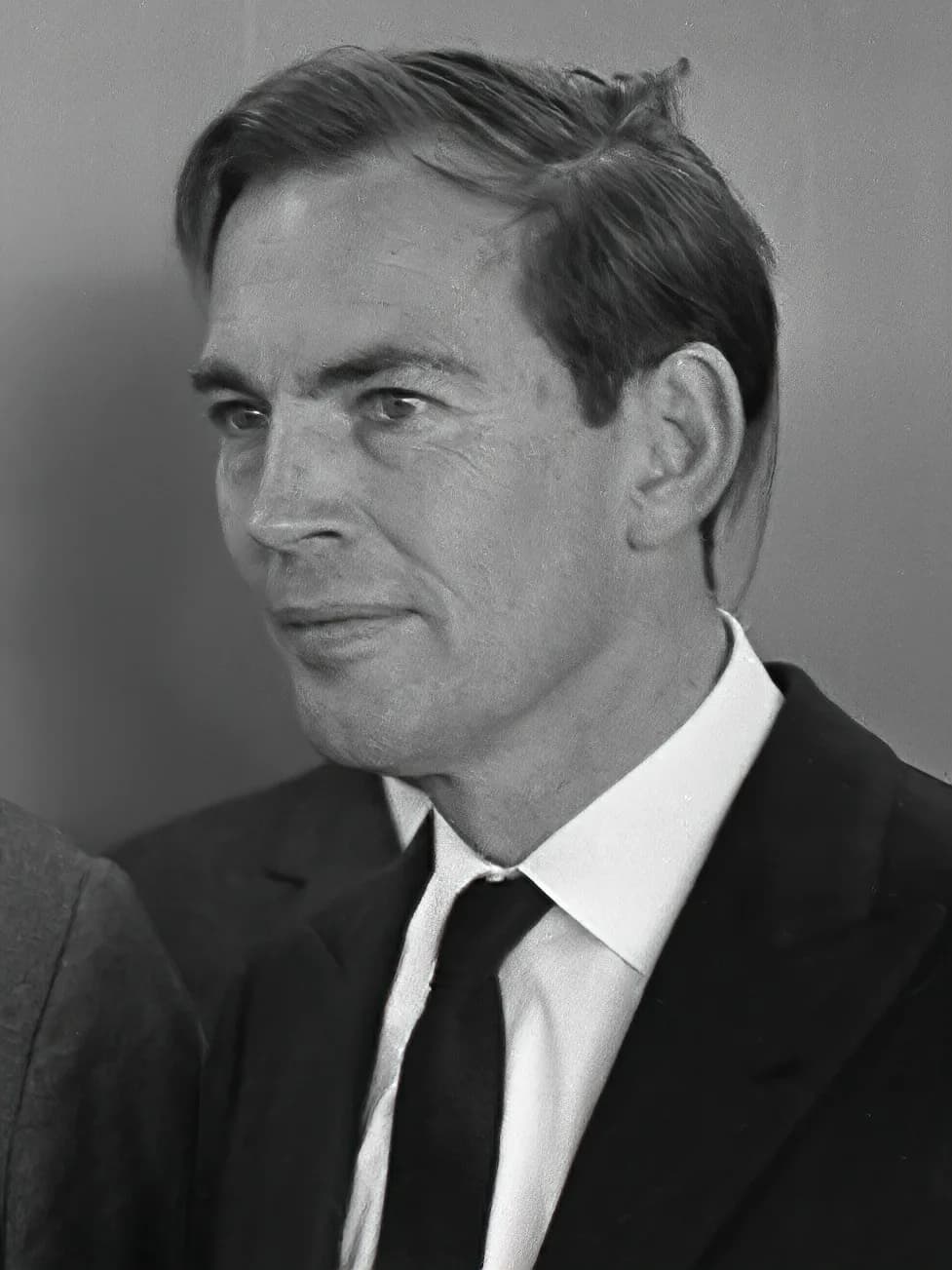
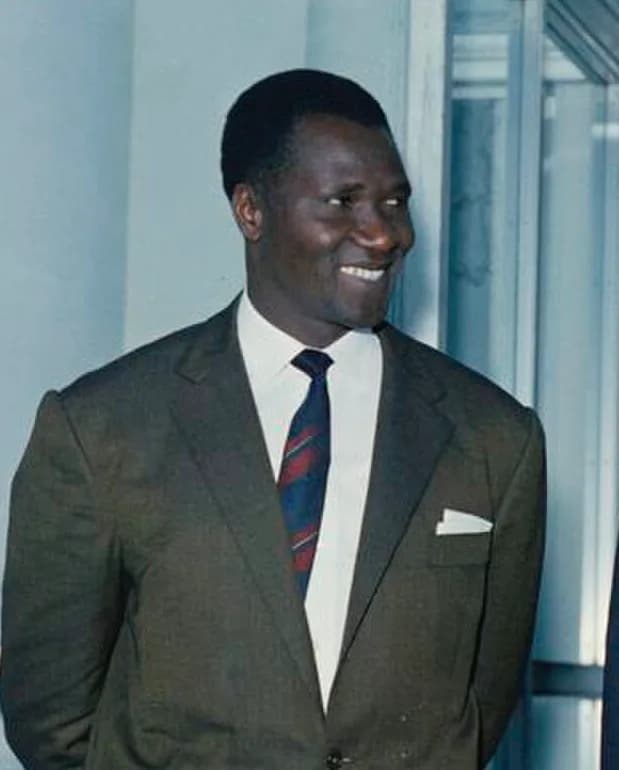
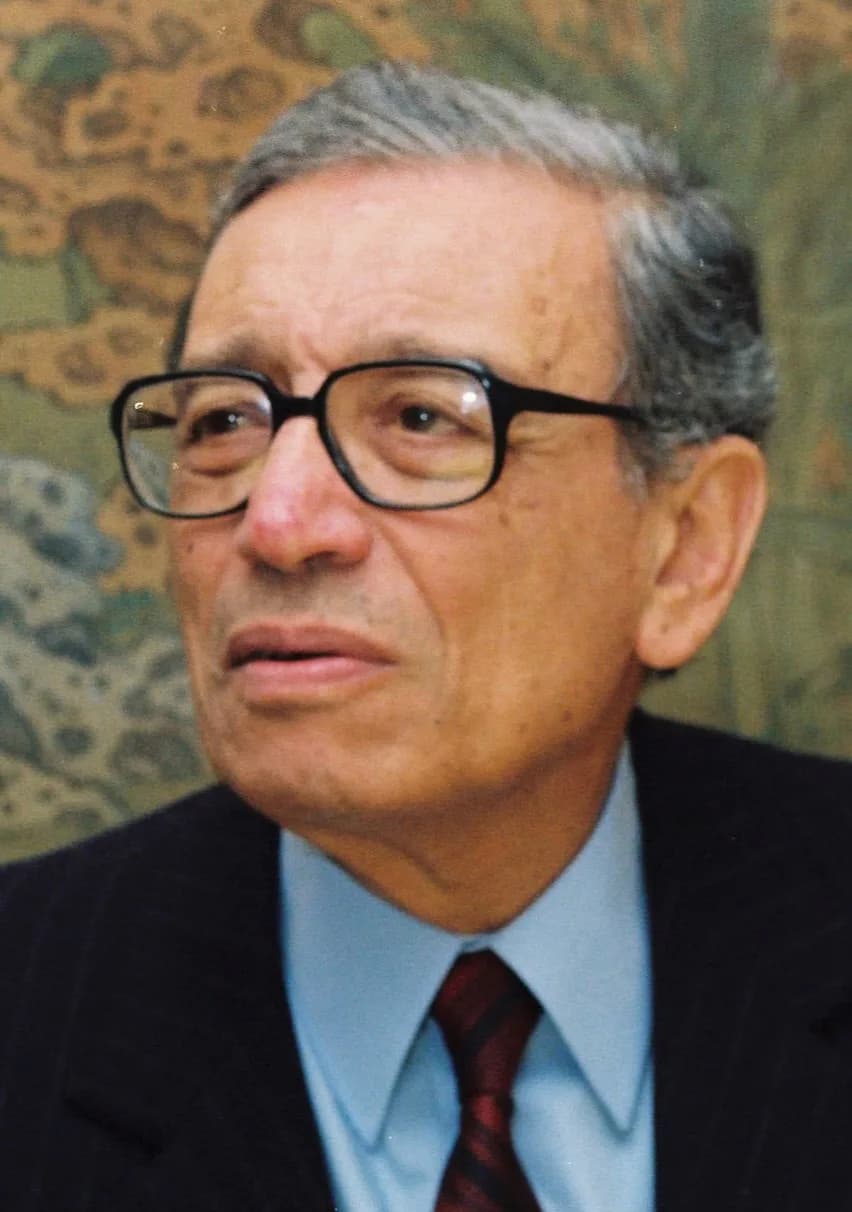
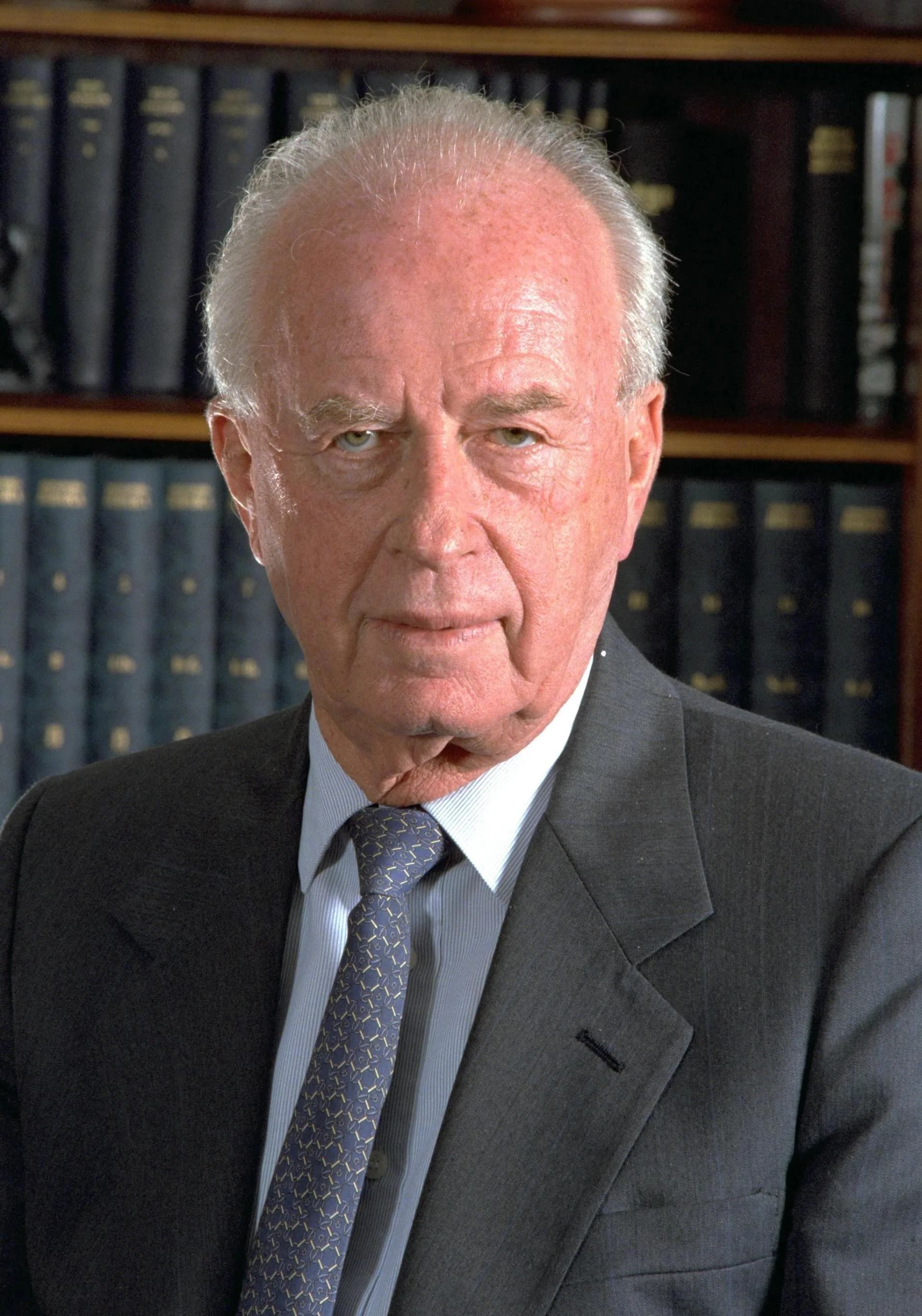
写真の中の人生
ポラロイドをクリックして拡大 · 4枚の写真
QRコード
この経歴を共有
印刷して共有
スキャンしてこの経歴ページを訪問。イベント、展示会、教育資料に印刷してご利用ください。