誕生
December 5, 1890
Vienna, Austria
永眠
August 2, 1976
Beverly Hills, United States
知られていること
Austrian filmmaker
Fritz Lang (1890–1976) was Austria best known for Austrian filmmaker.
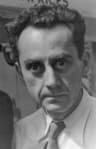
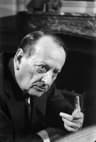
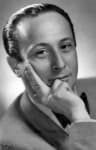
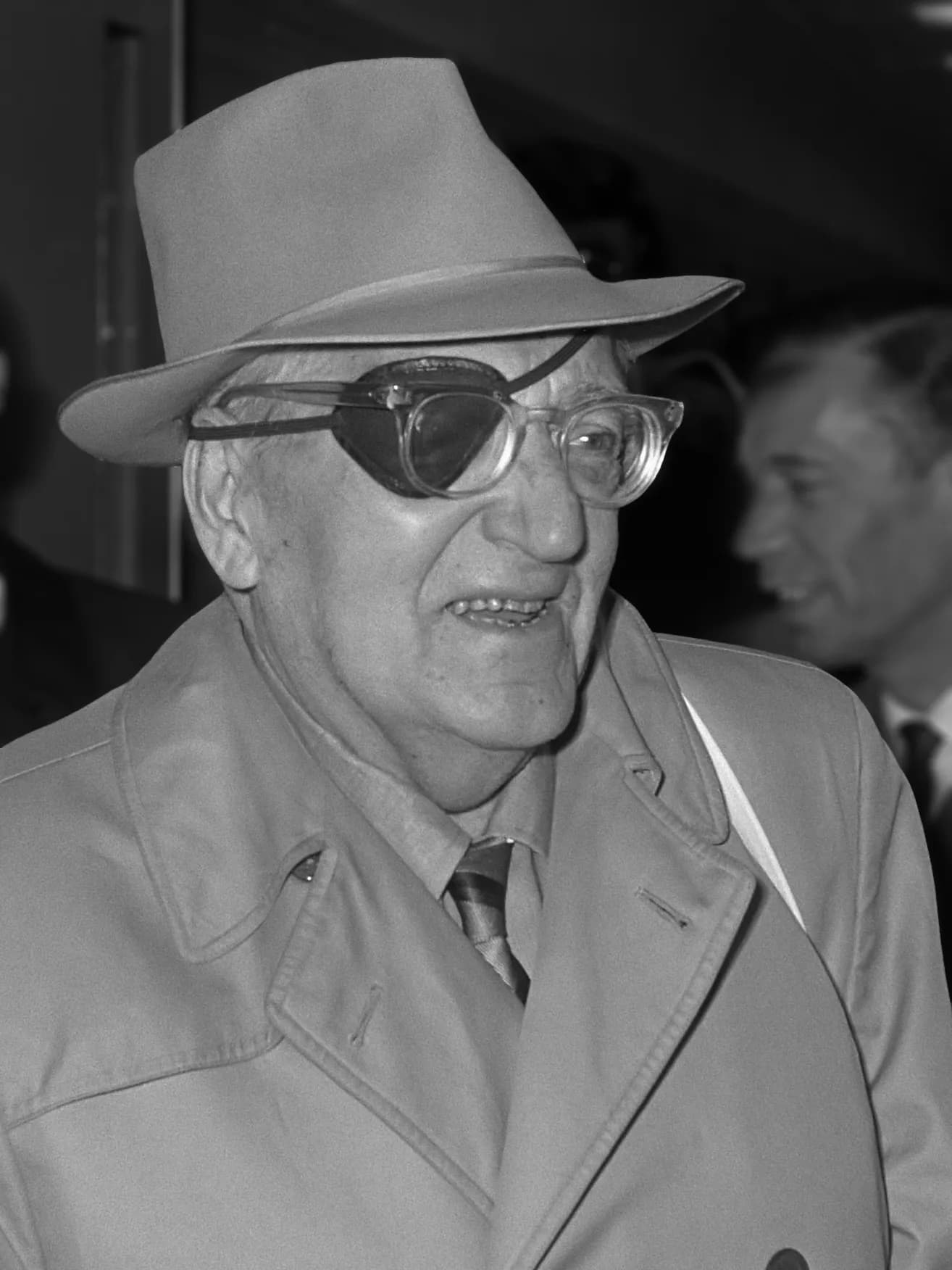
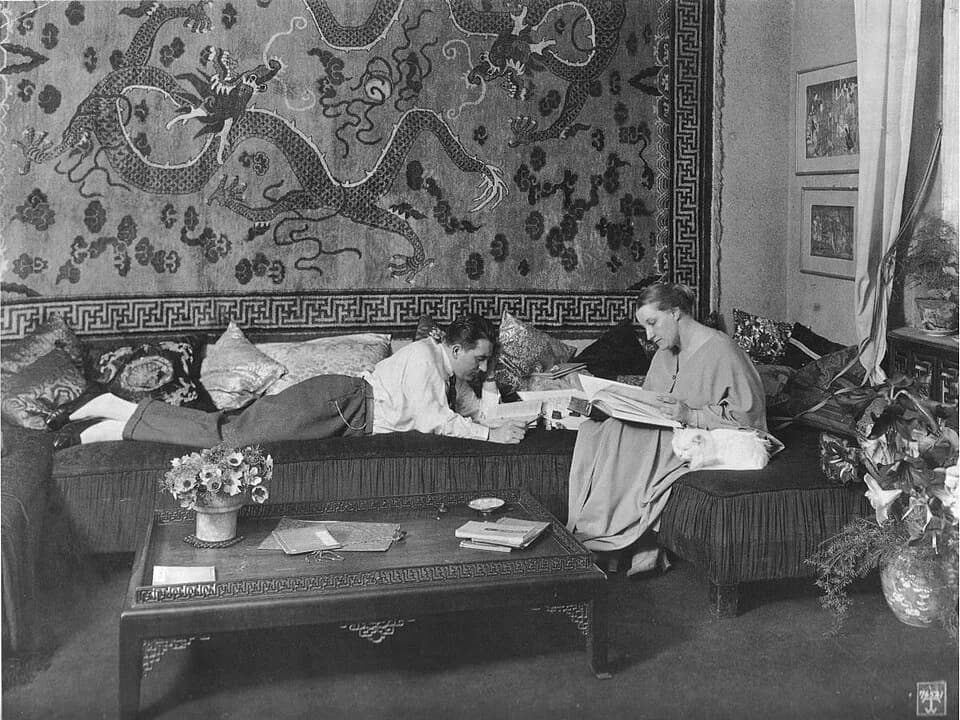
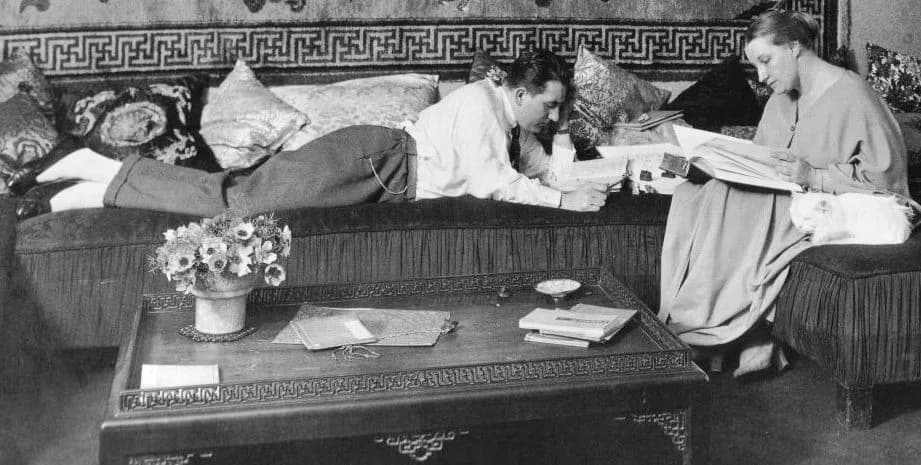
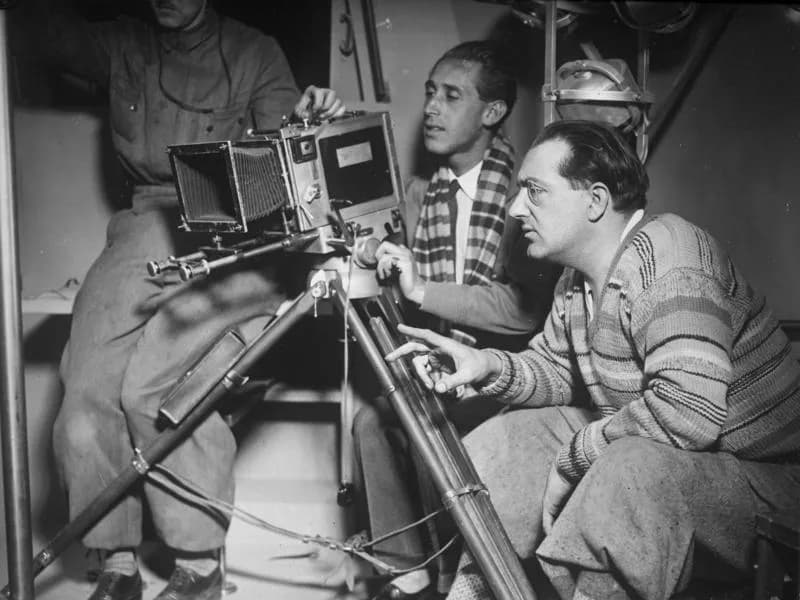
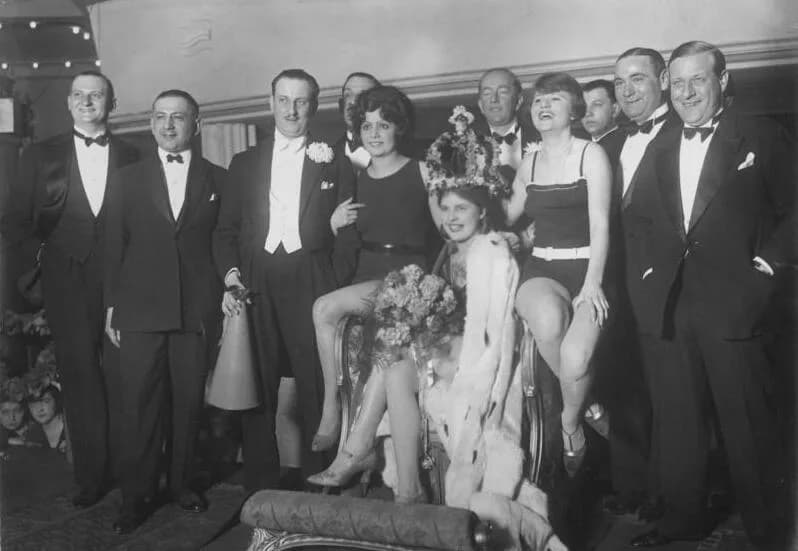
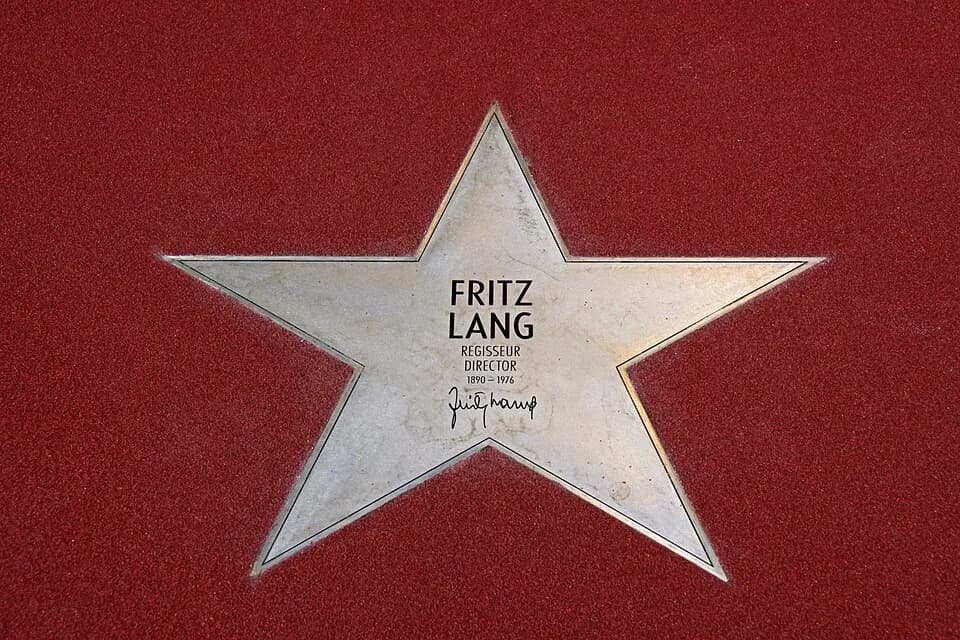
Friedrich Christian Anton Lang (December 5, 1890 – August 2, 1976) was an Austrian filmmaker, screenwriter, and producer. Dubbed the 'Master of Darkness,' he was a hugely influential figure in German Expressionism and world cinema. His innovative work left a lasting mark on filmmaking.
第0章
人生の章
第1章 · 1890年· 全8章中第1章
Fritz Lang: A Legacy in Cinema
Friedrich Christian Anton Lang, universally known as Fritz Lang (1890–1976), was an Austrian filmmaker whose visionary work significantly shaped the cinematic landscape of the 20th century. Renowned as a screenwriter, director, and producer, he was instrumental in both German Expressionism and American genre filmmaking. The British Film Institute famously dubbed him the "Master of Darkness," recognizing his distinct aesthetic and thematic contributions to film.
第2章 · 1890年· 全8章中第2章
Early Life and Origins
Fritz Lang was born on December 5, 1890, in Vienna, Austria. His early life in the vibrant cultural hub of Vienna undoubtedly contributed to his artistic sensibilities. While details about his family and specific upbringing are not extensively provided, his Austrian roots formed the foundation of his eventual international career.
第3章· 全8章中第3章
Career Beginnings
Lang began his illustrious career in Germany, where he quickly established himself as a prominent figure in the burgeoning film industry. He was a versatile creative, working across multiple professions including screenwriter, writer, and film director. His early work coincided with, and largely defined, the period of German Expressionism in cinema.
His foundational contributions were primarily as a film director, but he also took on roles as a film producer and screenwriter. Lang's meticulous approach to storytelling and visual composition set him apart from his contemporaries. This period in Germany laid the groundwork for his eventual transition to Hollywood and solidified his reputation as a formidable talent.
第4章· 全8章中第4章
Major Achievements and Career Highlights
Fritz Lang is celebrated as one of the most influential filmmakers of all time, a testament to his innovative spirit and enduring impact. He was a key émigré from Germany's school of Expressionism, bringing its unique artistic style to a global audience. His ability to craft compelling narratives with a distinctive visual flair earned him critical acclaim throughout his career.
His professional versatility was exceptional; he held credits as a screenwriter, writer, actor, film director, film producer, film actor, director, film editor, producer, and film screenwriter. This broad range of experience gave him a holistic understanding of the filmmaking process. Lang's career spanned decades and continents, leaving an indelible mark on cinematic history.
第5章· 全8章中第5章
Personal Life
Information regarding Fritz Lang's personal life, including family, relationships, or specific interests outside of filmmaking, is not extensively detailed in the provided materials. His public persona was largely defined by his artistic output and his commitment to his craft.
第6章 · 1922年· 全8章中第6章
Notable Works and Contributions
Fritz Lang's filmography includes some of the most iconic and influential films ever made. Among his directorial masterpieces are "Dr. Mabuse, the Gambler" (originally "Dr. Mabuse, Medium des Bösen," 1922) and its sequel "The Testament of Dr. Mabuse" (1933). His 1931 film "M" (also known as "M" le maudit) remains a chilling and seminal work in the crime genre.
Another significant film he directed was "Fury" (originally "Furie," 1936). Beyond his work behind the camera, Lang also made notable appearances, including playing himself in Jean-Luc Godard's 1963 film "Contempt." His life and work have also been the subject of documentaries, such as "Fritz Lang Interviewed by William Friedkin" (1974), further solidifying his legacy in film studies and appreciation.
第7章 · 1976年· 全8章中第7章
Later Years
Fritz Lang continued to contribute to cinema throughout much of his life. He passed away on August 2, 1976, in Beverly Hills, United States. His death marked the end of an era for a director whose vision had shaped multiple generations of filmmakers and cinephiles. His final years were spent in the heart of the American film industry, a fitting place for an artist of his stature.
第8章· 全8章中第8章
Legacy and Impact
Fritz Lang's legacy as the "Master of Darkness" endures, with his films continuously studied and revered for their psychological depth and stylistic innovation. He is consistently cited as one of the most influential filmmakers of all time, with his visual storytelling techniques impacting countless directors. His exploration of themes like crime, fate, and human nature in an often shadowy, expressionistic style set new standards for cinematic artistry.
His contributions to both German and American cinema bridged cultural and artistic movements, demonstrating a versatility and vision that few have matched. Lang's pioneering work in genres ranging from science fiction to film noir laid foundational elements for future generations. His films remain a vital part of film education and continue to inspire and challenge audiences worldwide.
瞬間の中の人生
人生を形作った瞬間
FAQ
よくある質問
Fritz Langはいつ亡くなりましたか?
Fritz Langは1976年8月2日にBeverly Hills, United Statesで亡くなりました(享年85歳)。
Fritz Langはどこで生まれましたか?
Fritz Langは1890年12月5日にVienna, Austriaで生まれました。
Fritz Langは何で最もよく知られていますか?
Fritz LangはAustrian filmmakerで最もよく知られています。
Fritz Langは何歳で亡くなりましたか?
Fritz Langは亡くなった時85歳でした。
Fritz Langの国籍はどこですか?
Fritz LangはAustriaの出身です。
写真ギャラリー
写真の中の人生
ポラロイドをクリックして拡大 · 48枚の写真
QRコード
この経歴を共有
印刷して共有
スキャンしてこの経歴ページを訪問。イベント、展示会、教育資料に印刷してご利用ください。