誕生
October 9, 1852
Euskirchen, Germany
永眠
July 15, 1919
Berlin, Margraviate of Brandenburg
知られていること
German chemist
Emil Fischer (1852–1919) was Germany best known for German chemist.
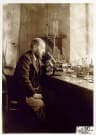
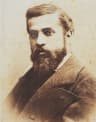
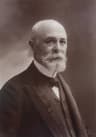
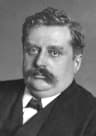
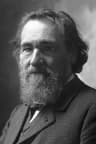
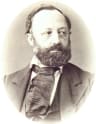
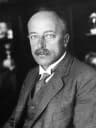
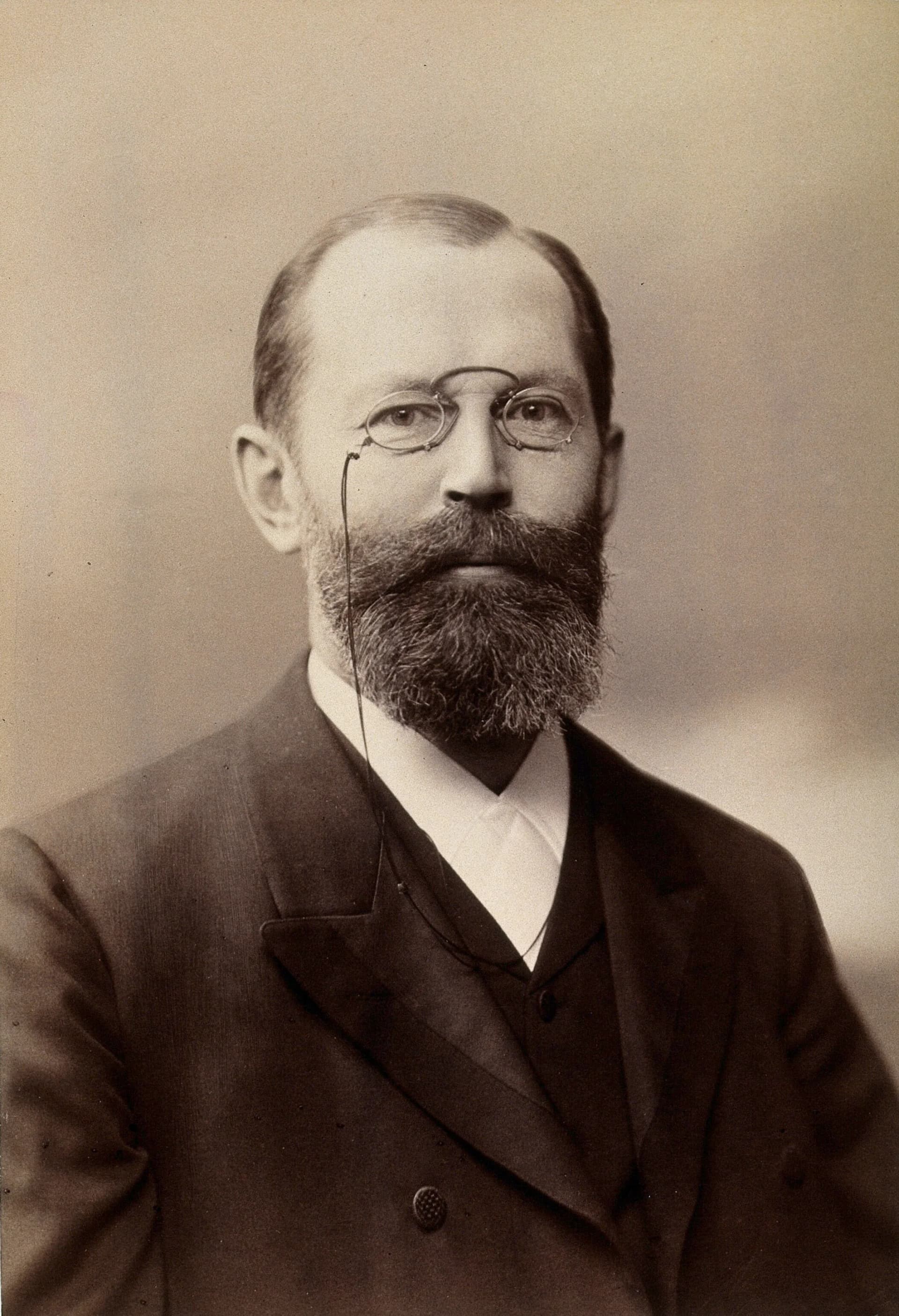
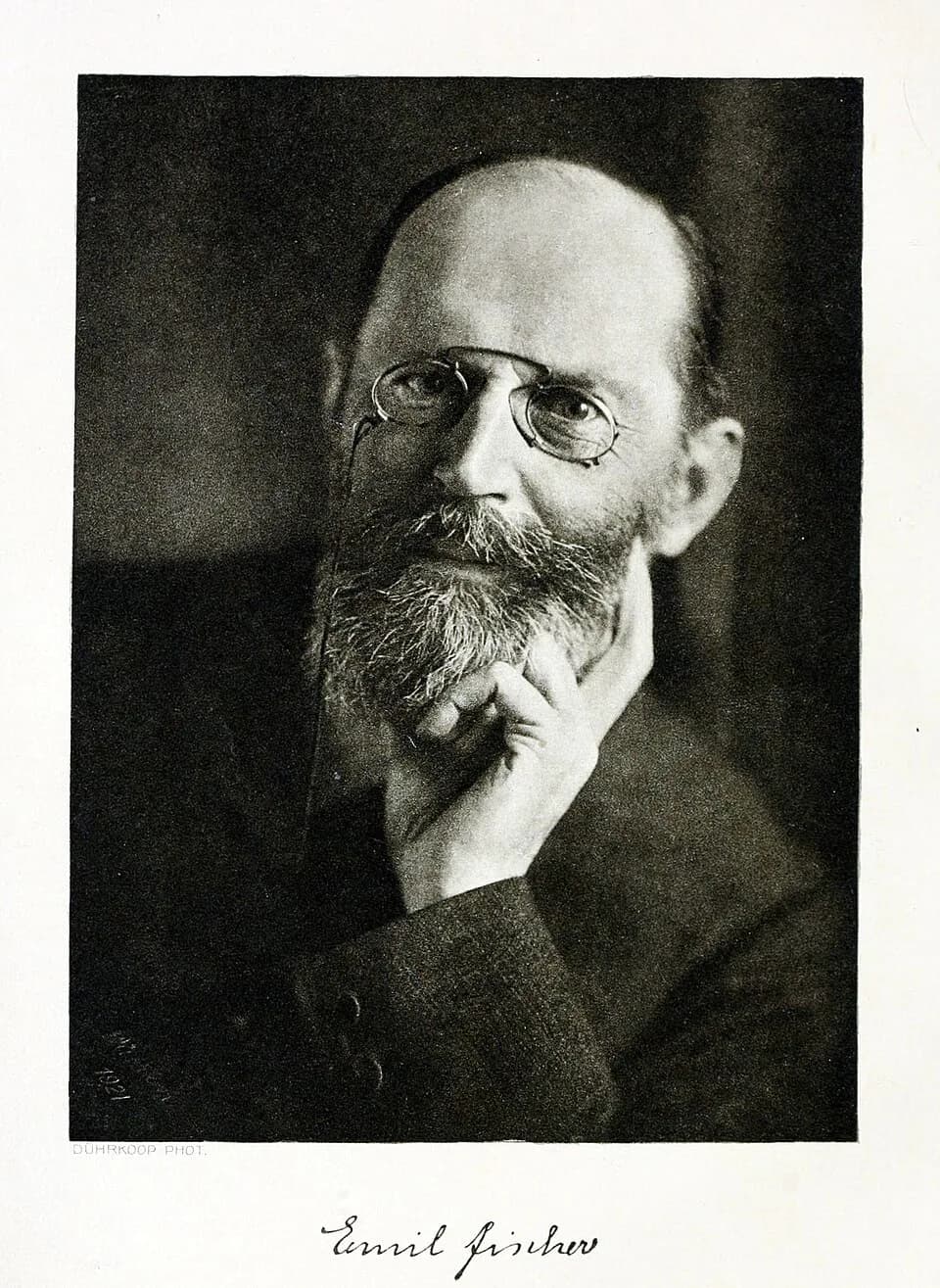
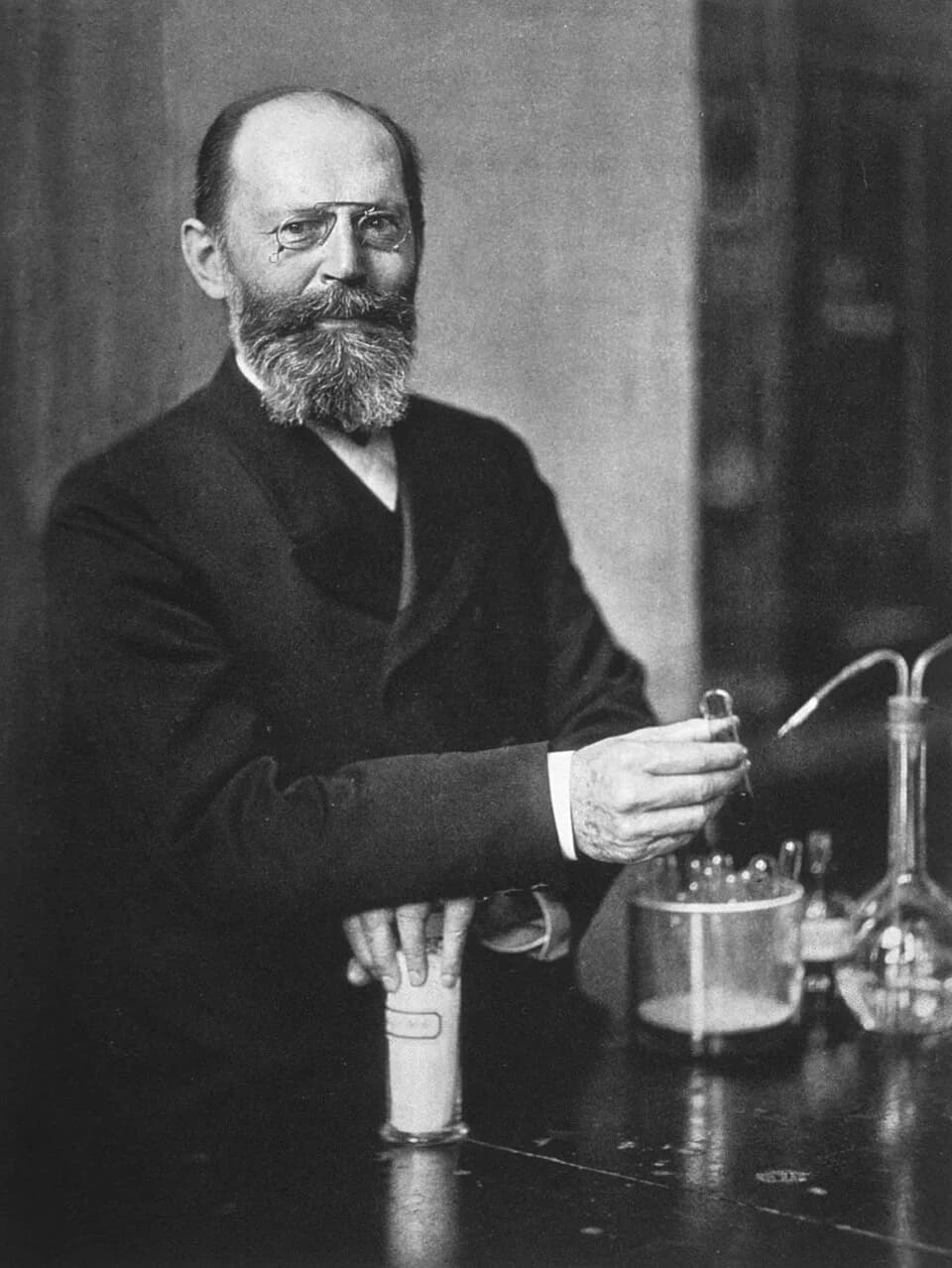
Hermann Emil Louis Fischer (1852–1919) was a German chemist and 1902 Nobel Prize winner. He revolutionized organic chemistry through his work on sugar and purine syntheses, developed the Fischer projection system, and proposed the lock and key mechanism of enzyme action.
第0章
人生の章
第1章 · 1852年· 全6章中第1章
Early Life and Origins
Emil Fischer was born on October 9, 1852, in Euskirchen, Germany, a small town in the Rhineland region. Despite carrying the full name Hermann Emil Louis Fischer, he chose never to use his first given name throughout his career. Growing up in 19th-century Germany during a period of rapid scientific advancement, Fischer would eventually find his calling in the emerging field of organic chemistry.
第2章· 全6章中第2章
Career Beginnings
Fischer embarked on his scientific career at a time when organic chemistry was still a relatively young discipline. His early work laid the foundation for what would become a distinguished academic career. He took on roles as both a university teacher and researcher, combining his passion for discovery with his commitment to educating the next generation of chemists.
第3章 · 1902年· 全6章中第3章
Major Achievements and Career Highlights
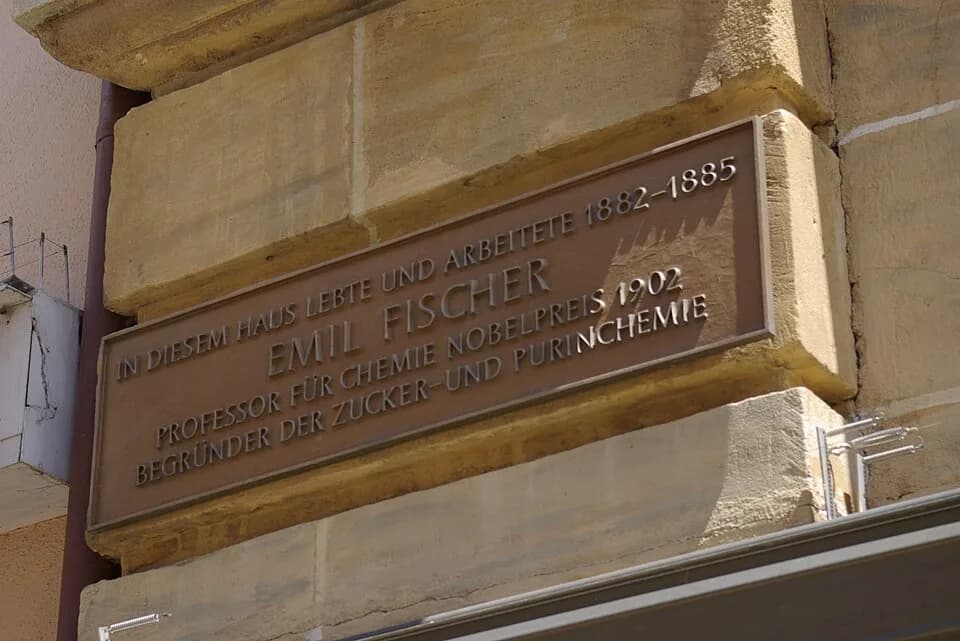
Fischer's most celebrated achievement came in 1902 when he received the Nobel Prize in Chemistry "in recognition of the extraordinary services he has rendered by his work on sugar and purine syntheses." This honor recognized his fundamental contributions to understanding the structure and synthesis of these crucial biological compounds. Beyond his Nobel Prize-winning research, Fischer made several other lasting contributions to chemistry that continue to influence the field today.
His development of the Fischer projection provided chemists with a symbolic method for drawing asymmetric carbon atoms, making it easier to visualize and work with complex molecular structures. He also discovered Fischer esterification, a chemical reaction that bears his name. Perhaps most significantly for biochemistry, Fischer hypothesized the lock and key mechanism of enzyme action, a concept that helped explain how enzymes interact with their substrates.
第4章 · 1987年· 全6章中第4章
Notable Works and Contributions
Fischer's academic output included 45 published papers with an h-index of 5. His research papers covered various aspects of chemistry and methodology, including works on viral cultivation techniques, mycological studies, and powder pressing optimization for industrial applications. Among his notable publications were "Das chemische Institut in der Georgenstraße" and "Die Akademie der Wissenschaften," both published in 1987, which documented institutional aspects of scientific research.
His contributions to chemical methodology and theoretical understanding extended far beyond individual papers. The Fischer projection system he developed became a standard tool in organic chemistry education and practice. His work on enzyme mechanisms provided crucial insights that advanced the field of biochemistry and helped establish the theoretical foundation for understanding biological processes at the molecular level.
第5章· 全6章中第5章
Later Years
Fischer continued his scientific work well into the early 20th century, maintaining his position as a respected figure in the German scientific community. His later years were marked by continued research and teaching, as he remained active in academia while his earlier discoveries continued to influence new generations of scientists. He spent his final years in Berlin, which had become a major center for chemical research in Germany.
第6章 · 1919年· 全6章中第6章
Legacy and Impact
Emil Fischer's death on July 15, 1919, in Berlin marked the end of a career that had transformed organic chemistry and biochemistry. His Nobel Prize-winning work on sugar and purine syntheses provided essential knowledge for understanding biological processes and laid groundwork for future developments in biochemistry and medicine. The Fischer projection remains a fundamental tool taught to chemistry students worldwide, while his lock and key hypothesis for enzyme action became a cornerstone of biochemical theory.
Fischer's influence extended beyond his specific discoveries to encompass his role as an educator and institution builder in German science. His work helped establish Germany as a leading center for chemical research during the late 19th and early 20th centuries. Today, his name is permanently associated with several chemical concepts and techniques, ensuring that his contributions continue to be recognized by each new generation of chemists and biochemists.
瞬間の中の人生
人生を形作った瞬間
FAQ
よくある質問
Emil Fischerはいつ亡くなりましたか?
Emil Fischerは1919年7月15日にBerlin, Margraviate of Brandenburgで亡くなりました(享年66歳)。
Emil Fischerはどこで生まれましたか?
Emil Fischerは1852年10月9日にEuskirchen, Germanyで生まれました。
Emil Fischerは何で最もよく知られていますか?
Emil FischerはGerman chemistで最もよく知られています。
Emil Fischerは何歳で亡くなりましたか?
Emil Fischerは亡くなった時66歳でした。
Emil Fischerの国籍はどこですか?
Emil FischerはGermanyの出身です。
写真ギャラリー
写真の中の人生
ポラロイドをクリックして拡大 · 48枚の写真
QRコード
この経歴を共有
印刷して共有
スキャンしてこの経歴ページを訪問。イベント、展示会、教育資料に印刷してご利用ください。