誕生
March 28, 1892
Ghent, Belgium
永眠
July 18, 1968
Knokke-Heist, Belgium
知られていること
Belgian physiologist
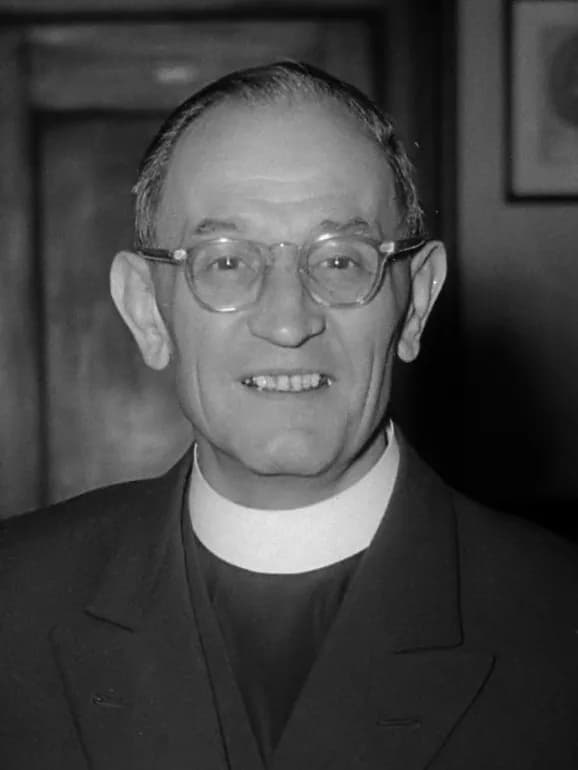
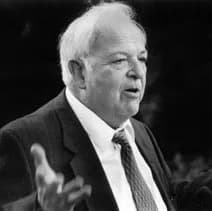
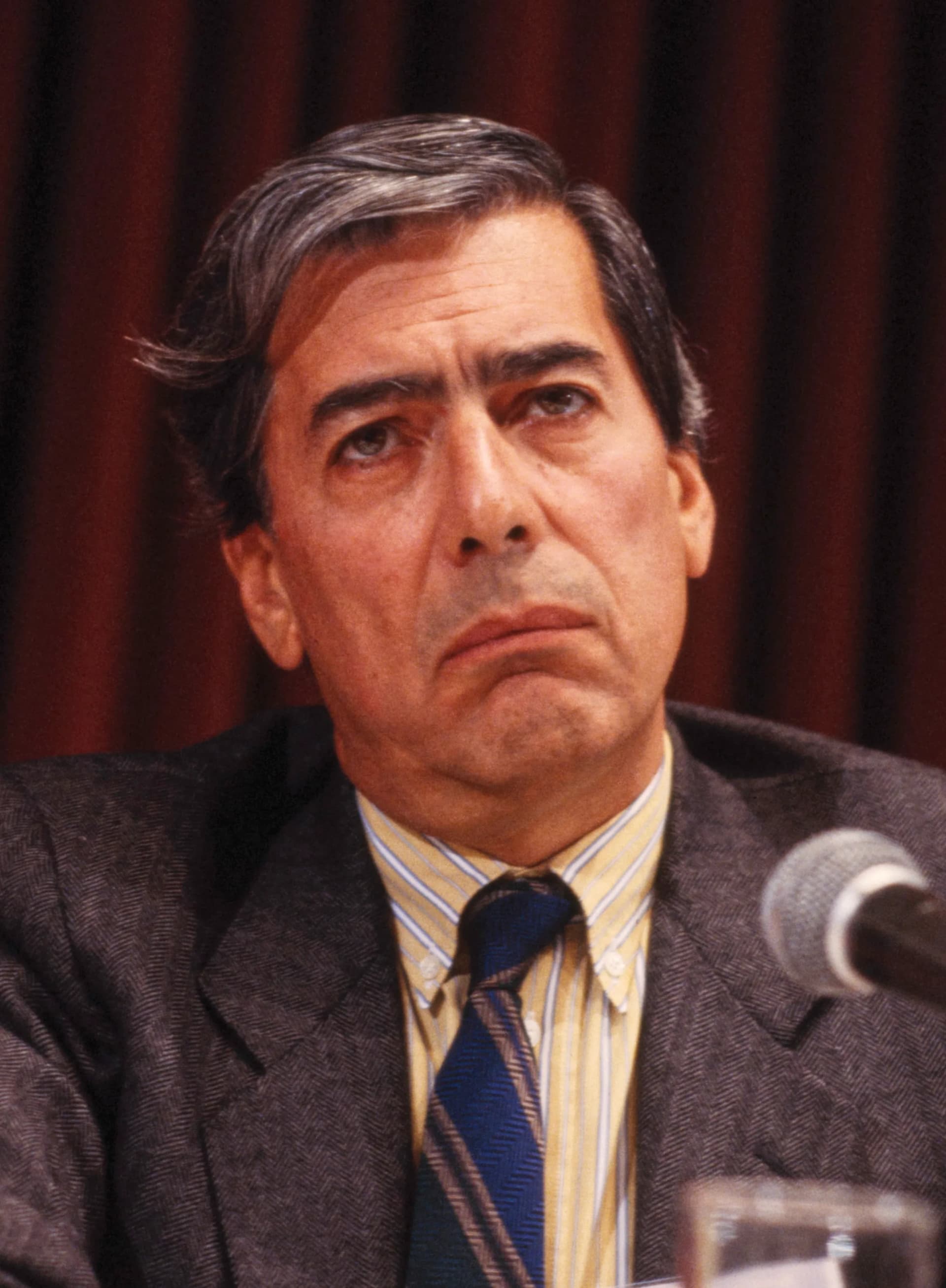
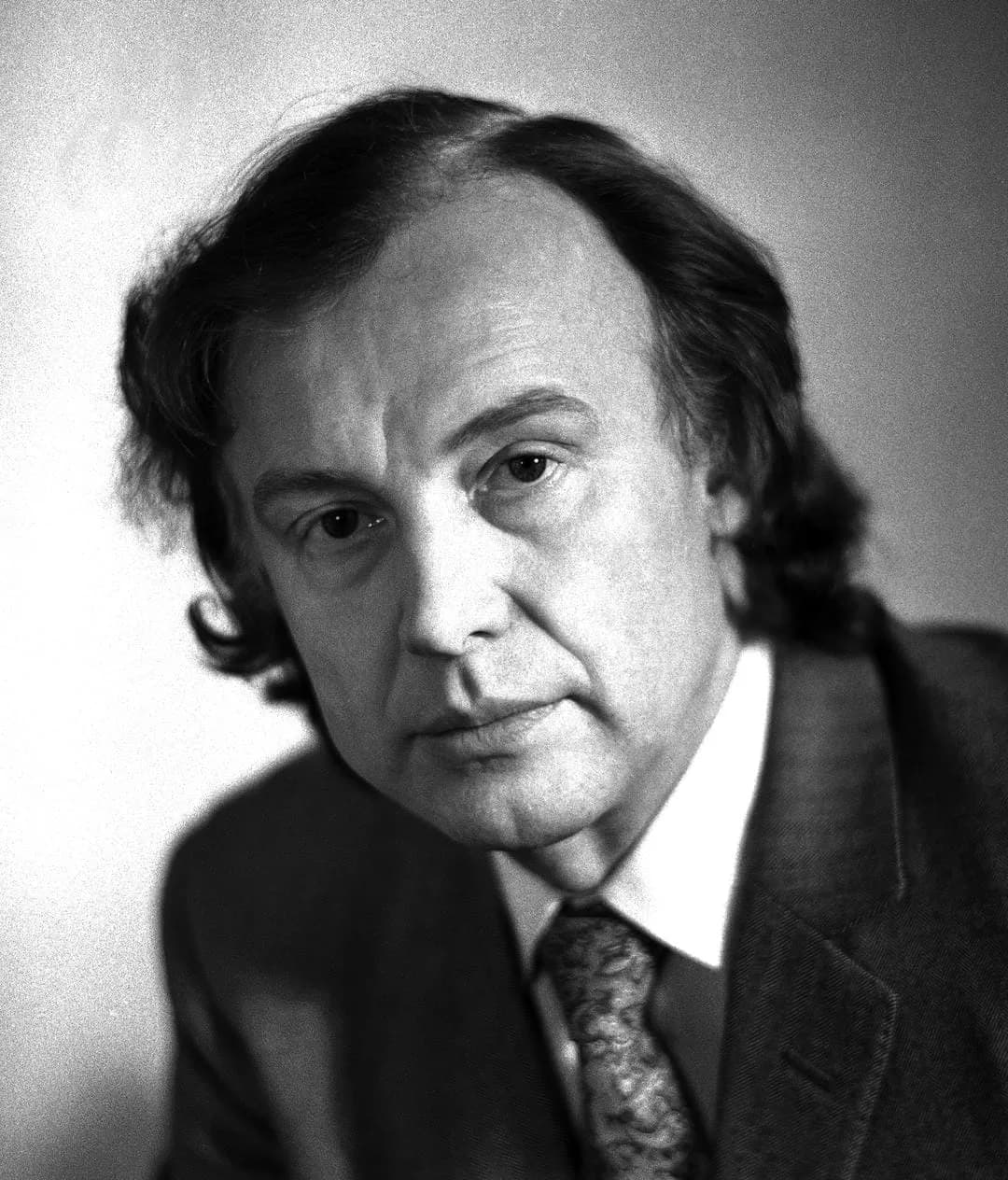
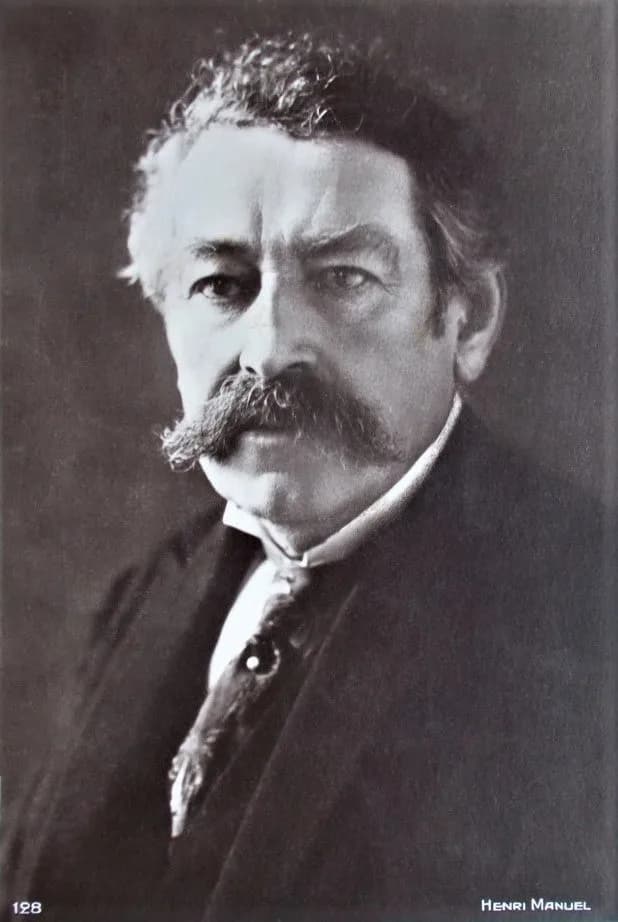
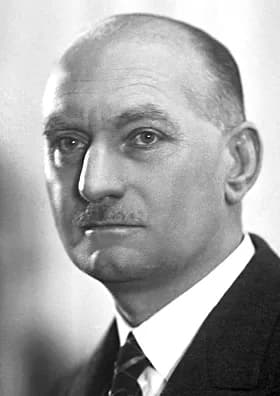
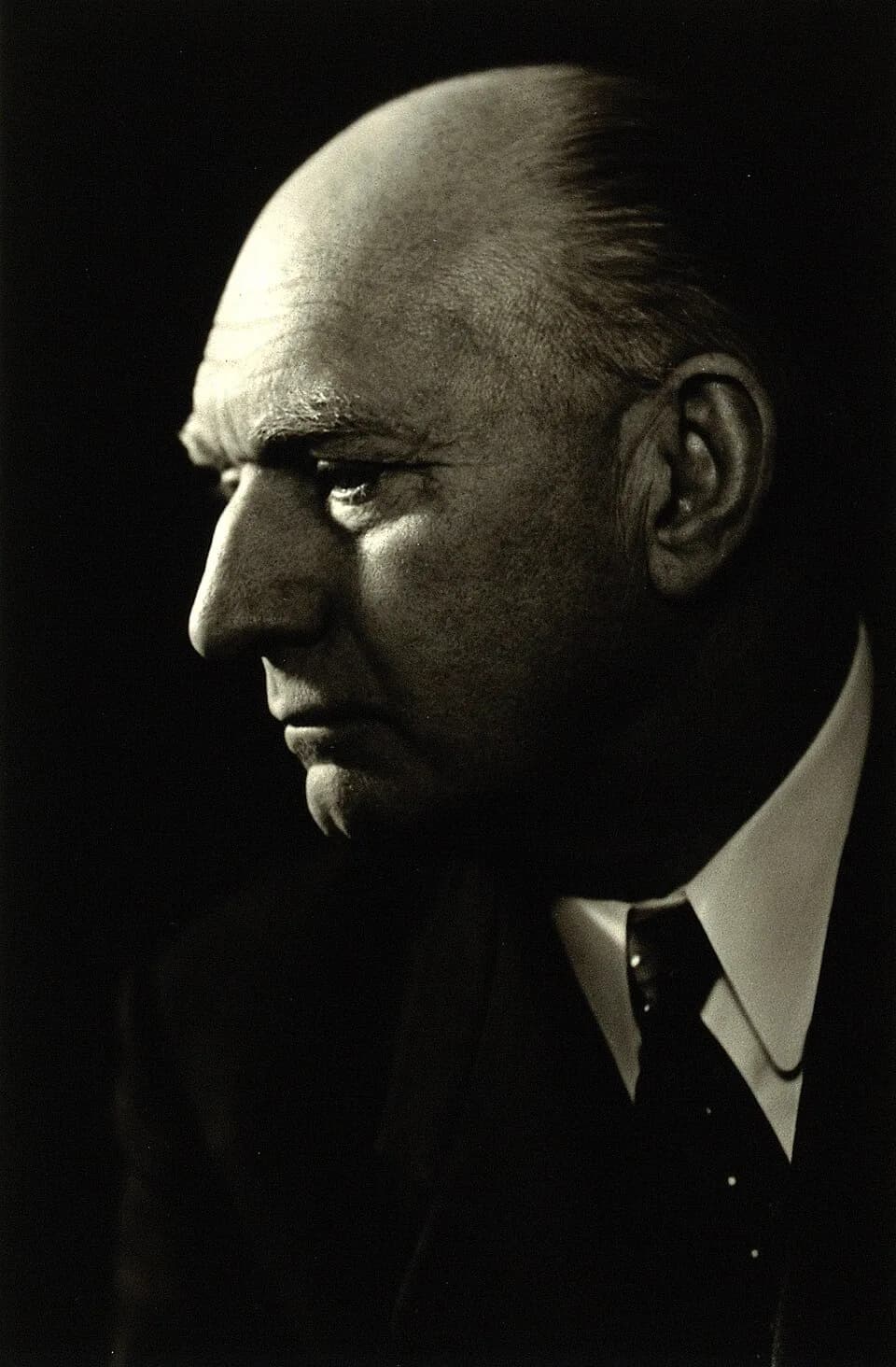
Corneille Heymans (1892–1968) was Belgium best known for Belgian physiologist.
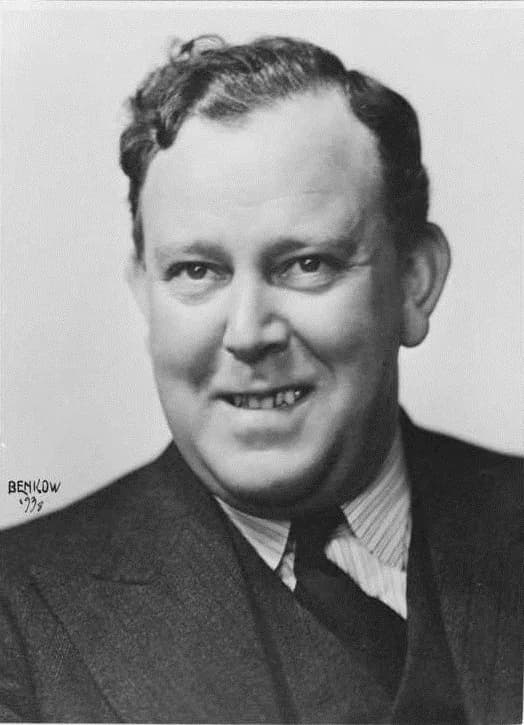
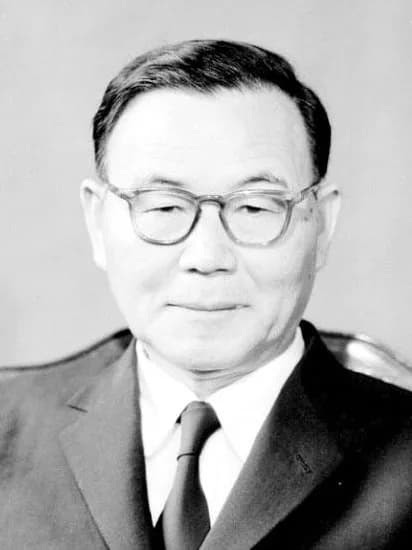
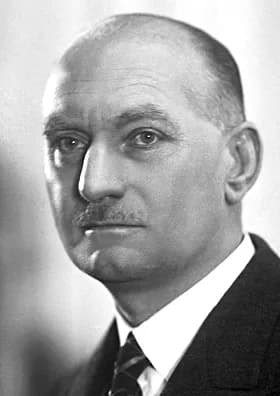
Corneille Jean François Heymans (March 28, 1892 – July 18, 1968) was a Belgian physiologist. He received the Nobel Prize in Physiology or Medicine in 1938 for his discovery of the role played by sinus and aortic mechanisms in regulating respiration. His work significantly advanced understanding of vital bodily controls.
瞬間の中の人生
人生を形作った瞬間
第0章
人生の章
第1章 · 1892年· 全6章中第1章
Early Life and Origins
Corneille Heymans began his life on March 28, 1892, in the historic city of Ghent, Belgium. His formative education commenced at the prestigious Jesuit College of Saint Barbara. This early academic environment instilled in him a rigorous discipline and a keen interest in scientific inquiry.
Following his foundational studies, Heymans pursued higher education at Ghent University. Here, he dedicated himself to the demanding curriculum of medical science. His time at the university provided him with the deep anatomical and physiological knowledge that would underpin his future discoveries.
第2章 · 1920年· 全6章中第2章
Career Beginnings
In 1920, Corneille Heymans successfully obtained his doctor's degree from Ghent University, marking the official commencement of his professional career. This achievement empowered him to practice as a physician, applying his theoretical knowledge to practical medical care. His early professional years laid the groundwork for his specialized research.
Beyond his clinical responsibilities, Heymans embraced the role of a university teacher, sharing his expertise with aspiring medical professionals. He cultivated interests across various disciplines, including physiology, toxicology, and pharmacology. This broad scientific perspective enabled a unique approach to complex biological problems.
第3章 · 1938年· 全6章中第3章
Major Achievements and Career Highlights
The zenith of Corneille Heymans' scientific career arrived in 1938, when he was awarded the Nobel Prize in Physiology or Medicine. This extraordinary recognition highlighted his singular discovery concerning the body's intrinsic mechanisms for regulating breathing. The Nobel award underscored the profound significance of his research to global medicine.
The Nobel Prize citation specifically honored Heymans "for the discovery of the role played by the sinus and aortic mechanisms in the regulation of respiration." His meticulous investigations identified specific sensory receptors located in the carotid sinus and aortic arch. These receptors were shown to continuously monitor blood gas levels and pressure, signaling the brain to adjust respiratory rates accordingly.
第4章· 全6章中第4章
Notable Works or Contributions
Corneille Heymans' principal scientific contribution centered on detailing how these specialized chemoreceptors and baroreceptors function. He experimentally demonstrated that the carotid sinus, located in the neck, and the aortic arch, near the heart, act as critical feedback points. These structures provide vital information to the central nervous system, ensuring the body maintains optimal oxygen and carbon dioxide levels.
His extensive body of work clarified the complex neural pathways involved in this respiratory reflex. Heymans' research explained how changes in blood chemistry or pressure trigger immediate adjustments in breathing depth and frequency. This comprehensive understanding became a cornerstone of modern cardiovascular and respiratory physiology, influencing medical education for decades.
第5章· 全6章中第5章
Later Years
Even after receiving the Nobel Prize, Corneille Heymans remained an active and influential figure in the scientific community. He continued his work as a distinguished physiologist, contributing to toxicology and pharmacology. His dedication to advancing scientific knowledge persisted throughout his distinguished career.
Corneille Heymans' remarkable life concluded on July 18, 1968, in Knokke-Heist, Belgium, at the age of 76. His passing marked the end of an era for Belgian physiology and the international scientific community. He left behind a legacy built on rigorous research and groundbreaking insights into human bodily functions.
第6章· 全6章中第6章
Legacy and Impact
The impact of Corneille Heymans' discovery reverberates deeply within the fields of physiology and medicine. His elucidation of the sinus and aortic mechanisms provided fundamental insights into how the body autonomously controls vital functions like respiration. This knowledge has been indispensable for understanding conditions ranging from hypertension to respiratory disorders.
Heymans' research laid essential groundwork for subsequent studies in cardiovascular regulation and neurophysiology. Medical students and researchers continue to study his findings as foundational principles. His contributions from his laboratories in Belgium transformed clinical approaches and scientific inquiry into the intricate workings of the human circulatory and respiratory systems.
FAQ
よくある質問
Corneille Heymansはいつ亡くなりましたか?
Corneille Heymansは1968年7月18日にKnokke-Heist, Belgiumで亡くなりました(享年76歳)。
Corneille Heymansはどこで生まれましたか?
Corneille Heymansは1892年3月28日にGhent, Belgiumで生まれました。
Corneille Heymansは何で最もよく知られていますか?
Corneille HeymansはBelgian physiologistで最もよく知られています。
Corneille Heymansは何歳で亡くなりましたか?
Corneille Heymansは亡くなった時76歳でした。
Corneille Heymansの国籍はどこですか?
Corneille HeymansはBelgiumの出身です。
写真ギャラリー
写真の中の人生
ポラロイドをクリックして拡大 · 25枚の写真
QRコード
この経歴を共有
印刷して共有
スキャンしてこの経歴ページを訪問。イベント、展示会、教育資料に印刷してご利用ください。