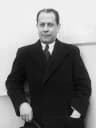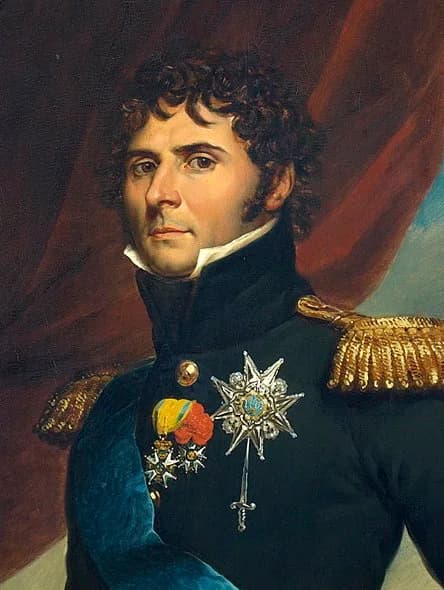
誕生
January 26, 1763
Pau, France
永眠
March 8, 1844
Stockholm Palace, Sweden
知られていること
King of Sweden and Norway between 1818–1844. Prince of Ponte Corvo 1806–1810 and French field marshal
Charles XIV John of Sweden (1763–1844) was France best known for King of Sweden and Norway between 1818–1844. Prince of Ponte Corvo 1806–1810 and French field marshal.
Charles XIV John (January 26, 1763 – March 8, 1844) was a monarch, military personnel, and politician from France who became King of Sweden and Norway. He was a French field marshal during the Napoleonic Wars before founding the Bernadotte dynasty. His reign from 1818 to 1844 brought stability and established a lasting royal line.
第0章
人生の章
第1章 · 1763年· 全7章中第1章
Early Life and Origins
Born on January 26, 1763, in Pau, France, Charles XIV John began his life far from the royal courts he would later command. His birth name was Jean-Baptiste Jules Bernadotte, reflecting his French heritage and early upbringing. This formative period in France, a time of significant political and social change, undoubtedly influenced his early perspectives and ambitions.
While specific details about his family and formal education are not provided, the turbulent late 18th-century France offered many paths for ambitious young men. It was an era where talent and determination, particularly in military service, could propel individuals to unexpected heights. Bernadotte's early experiences likely instilled in him the discipline and strategic thinking that would define his future career.
第2章· 全7章中第2章
Career Beginnings
Bernadotte's initial career path led him into military service, a profession that offered both opportunity and peril during the French Revolutionary Wars. He rapidly distinguished himself as a capable officer, demonstrating a keen understanding of tactics and leadership on the battlefield. His dedication and military prowess quickly caught the attention of those in power, setting the stage for his ascendance.
His early military endeavors laid the groundwork for his later prominence as a Marshal of France during the Napoleonic Wars. These foundational experiences provided him with the practical skills and strategic insights that would prove invaluable. It was through this early commitment to military life that Jean-Baptiste Jules Bernadotte began his ascent into European history.
第3章· 全7章中第3章
Major Achievements and Career Highlights
During the tumultuous Napoleonic Wars, Bernadotte served with distinction as a Marshal of France, participating in several pivotal battles. His reputation as a skilled military commander grew steadily, solidifying his standing within Napoleon's inner circle. This period showcased his strategic acumen and ability to lead large forces effectively across Europe.
A significant turning point came with his appointment as Prince of Ponte Corvo, a sovereign principality, between 1806 and 1810. This position provided him with experience in civil administration and statecraft, broadening his political understanding beyond purely military command. It was a clear indication of his rising influence and Napoleon's recognition of his capabilities.
His most enduring legacy began in 1818 when he ascended to the thrones of Sweden and Norway, reigning until his death in 1844. As King Charles XIV John of Sweden and Charles III John of Norway, he became the first monarch of the Bernadotte dynasty. This monumental achievement marked a unique transition from French field marshal to Scandinavian sovereign, establishing a lineage that continues to this day.
第4章· 全7章中第4章
Personal Life
Information regarding Charles XIV John's intimate personal life and specific relationships beyond his public family role as a monarch is not extensively detailed in the provided information. His public life was primarily defined by his military career and subsequent reign as king. The focus of historical records tends to be on his political and military achievements, which shaped his era.
第5章· 全7章中第5章
Notable Contributions
As King of Sweden and Norway, Charles XIV John's primary contribution was his role as a foundational monarch and political leader. He successfully established the Bernadotte dynasty, ensuring a stable line of succession for the Scandinavian nations. His reign was characterized by the consolidation of power and the guidance of his kingdoms through a complex European political landscape.
His contributions as a military commander were evident throughout the Napoleonic Wars, where he participated in numerous battles as a Marshal of France. These experiences directly informed his later leadership as a monarch, allowing him to approach state affairs with a strategic perspective. He served as both a practical military leader and a long-term political architect for his adopted home.
第6章· 全7章中第6章
Later Years
Charles XIV John's reign extended for over two decades, during which he dedicated himself to the governance and welfare of Sweden and Norway. He diligently worked to solidify the new Bernadotte dynasty, ensuring its legitimacy and stability. His commitment to his adopted nations remained steadfast throughout his later years as king.
His life concluded on March 8, 1844, at Stockholm Palace, the official royal residence in Sweden. His death marked the end of a remarkable era, one defined by his unique journey from humble origins to royal power. The legacy of his extensive reign continued to influence the political landscape of Northern Europe long after his passing.
第7章· 全7章中第7章
Legacy and Impact
The most significant aspect of Charles XIV John's legacy is the establishment of the Bernadotte dynasty, which continues to reign in Sweden today. His transition from a French revolutionary general to a revered Scandinavian king represents a truly singular story in European history. He successfully integrated himself and his family into the cultural and political fabric of his new kingdoms.
His rule brought a period of relative stability to both Sweden and Norway, following the turbulent years of the Napoleonic era. He navigated complex international relations, securing peace and fostering internal development within his realms. This stability allowed for future growth and modernization in the region under his successors.
Known as Charles III John in Norway, his memory is honored across both nations for his enduring contributions to their national identities. His personal story exemplifies determination and adaptability, leaving an indelible mark on the historical trajectory of Scandinavia. The foundations he laid are a key part of the modern history of Sweden and Norway.
瞬間の中の人生
人生を形作った瞬間
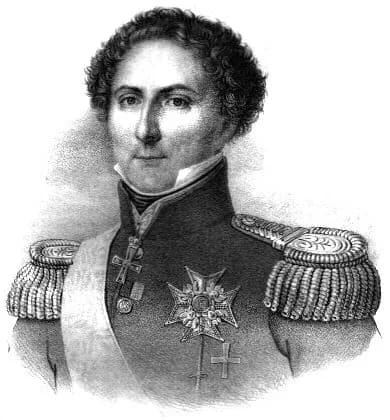
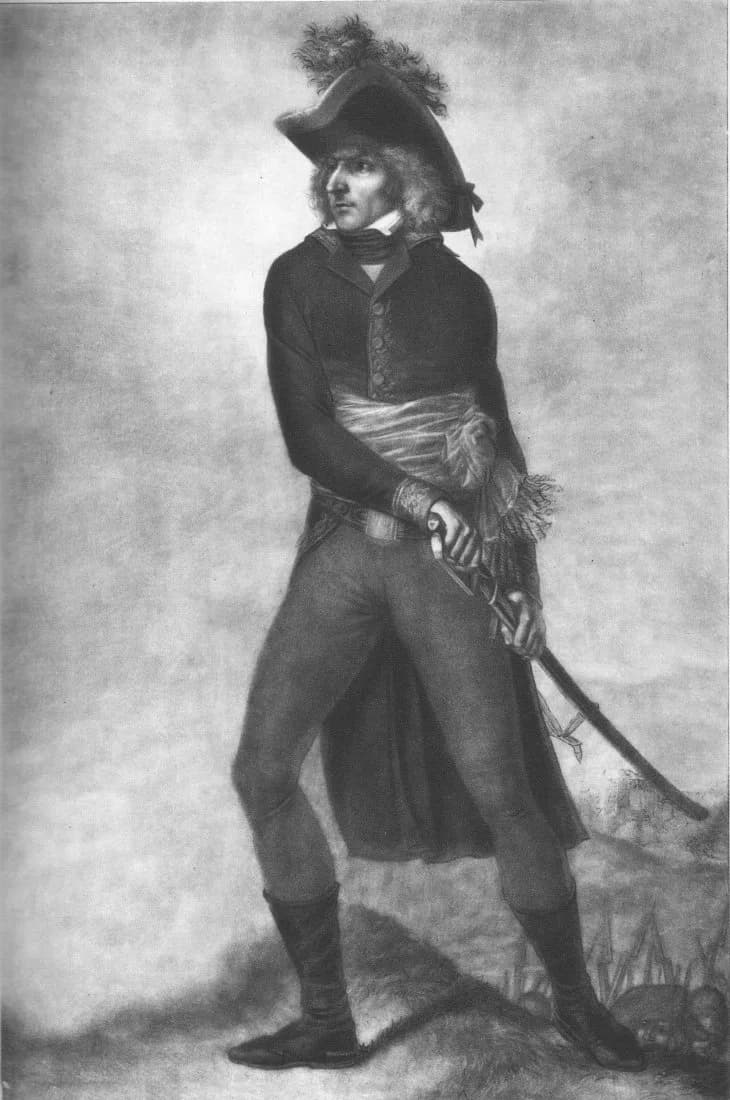
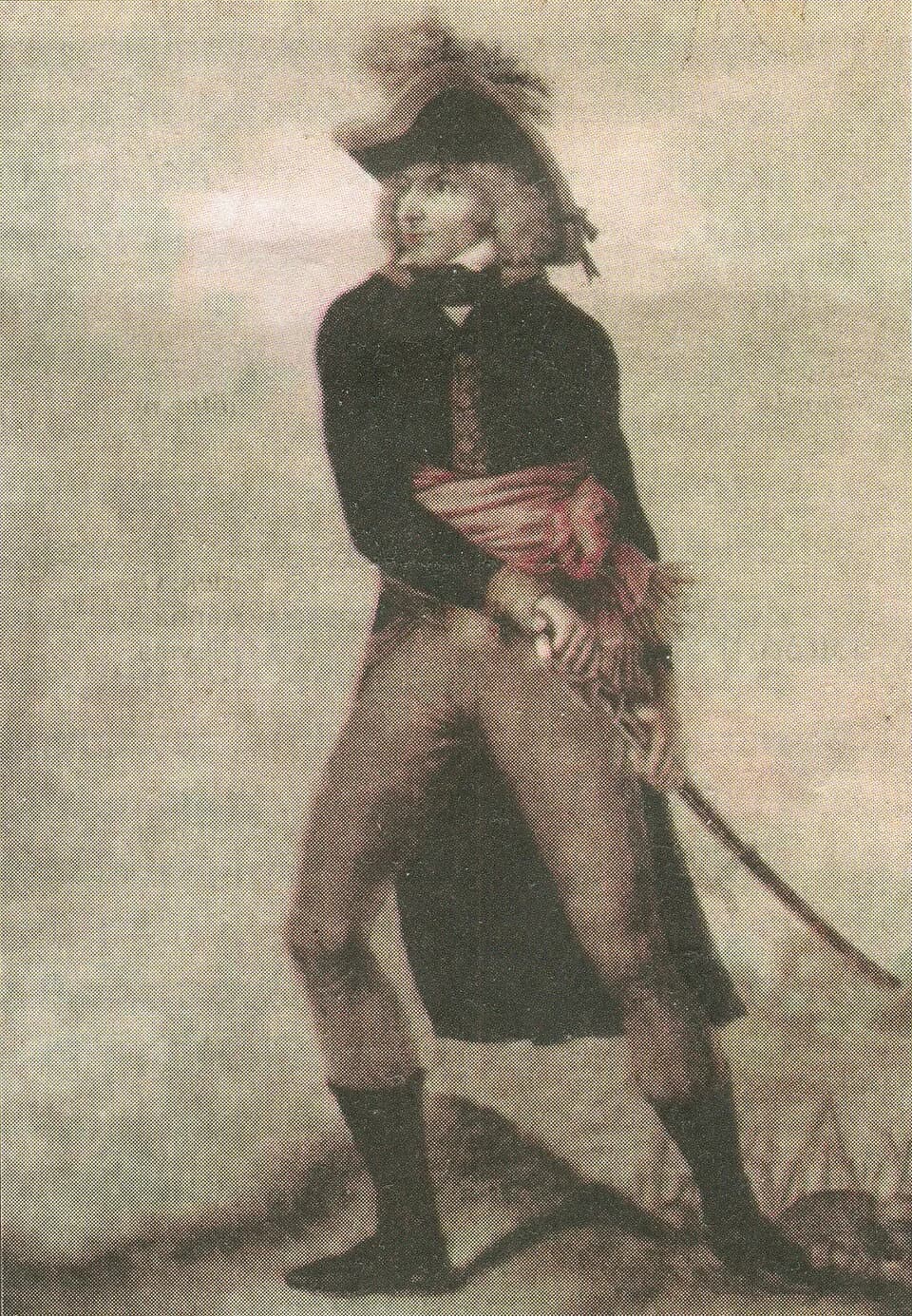
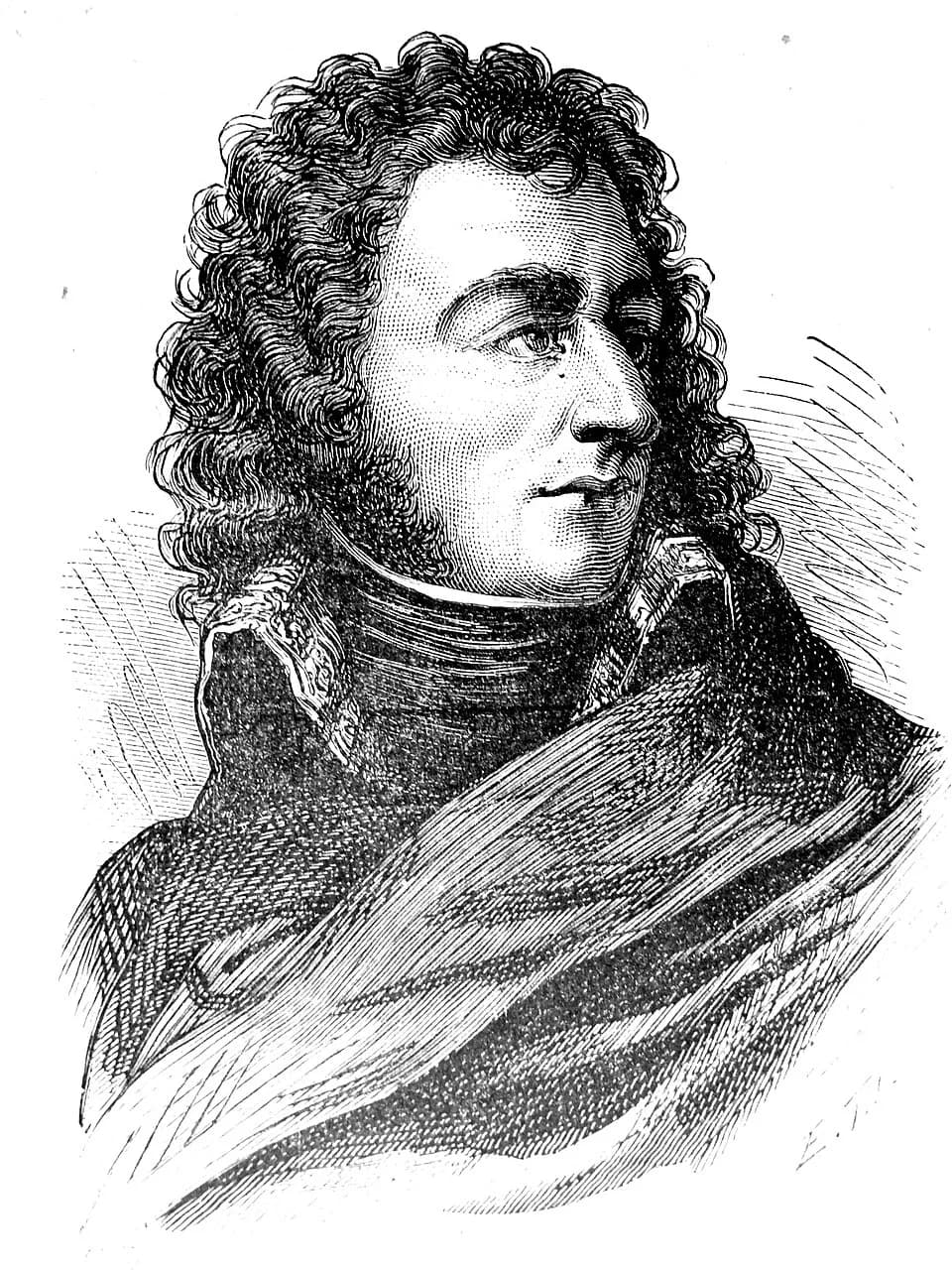


FAQ
よくある質問
Charles XIV John of Swedenはいつ亡くなりましたか?
Charles XIV John of Swedenは1844年3月8日にStockholm Palace, Swedenで亡くなりました(享年81歳)。
Charles XIV John of Swedenはどこで生まれましたか?
Charles XIV John of Swedenは1763年1月26日にPau, Franceで生まれました。
Charles XIV John of Swedenは何で最もよく知られていますか?
Charles XIV John of SwedenはKing of Sweden and Norway between 1818–1844. Prince of Ponte Corvo 1806–1810 and French field marshalで最もよく知られています。
Charles XIV John of Swedenは何歳で亡くなりましたか?
Charles XIV John of Swedenは亡くなった時81歳でした。
Charles XIV John of Swedenの国籍はどこですか?
Charles XIV John of SwedenはFranceの出身です。
年表
人生の概要
写真ギャラリー
写真の中の人生
ポラロイドをクリックして拡大 · 47枚の写真
QRコード
この経歴を共有
印刷して共有
スキャンしてこの経歴ページを訪問。イベント、展示会、教育資料に印刷してご利用ください。