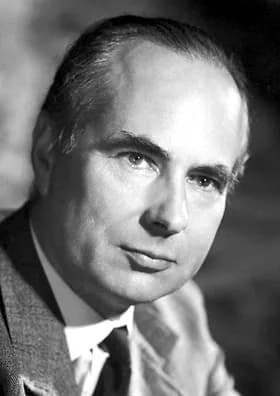
誕生
November 22, 1917
Hampstead, United Kingdom of Great Britain and Ireland
永眠
May 30, 2012
Cambridge, United Kingdom
知られていること
English physiologist and biophysicist
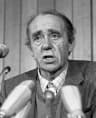
Andrew Huxley (1917–2012) was United Kingdom of Great Britain and Ireland best known for English physiologist and biophysicist.
Sir Andrew Fielding Huxley (November 22, 1917 – May 30, 2012) was an English physiologist and biophysicist from the United Kingdom. He co-discovered the ionic mechanisms of nerve impulse propagation, earning him the Nobel Prize in Physiology or Medicine in 1963. His work critically advanced the understanding of neuroscience.
第0章
人生の章
第1章 · 1917年· 全6章中第1章
Early Life and Origins
Born on November 22, 1917, in Hampstead, United Kingdom of Great Britain and Ireland, Andrew Huxley came from the distinguished Huxley family, known for its intellectual contributions. His early education took him to Westminster School in central London, a prominent institution. Displaying early academic promise, he secured a scholarship to Trinity College, Cambridge, setting the stage for his remarkable scientific career.
第2章· 全6章中第2章
Career Beginnings
At Trinity College, Cambridge, Huxley embarked on critical research, joining forces with Alan Hodgkin to investigate the intricacies of nerve impulses. This collaboration would eventually lead to their most celebrated discovery. Their initial studies focused on the giant axon of the Atlantic squid, a model organism perfectly suited for observing neural transmission processes.
Soon after the Second World War began, Huxley was recruited to serve his country. He first contributed to the British Anti-Aircraft Command, applying his scientific acumen to wartime efforts. Later, his talents were transferred to the Admiralty, where he continued to serve in a scientific capacity during the conflict.
第3章· 全6章中第3章
Major Achievements and Career Highlights
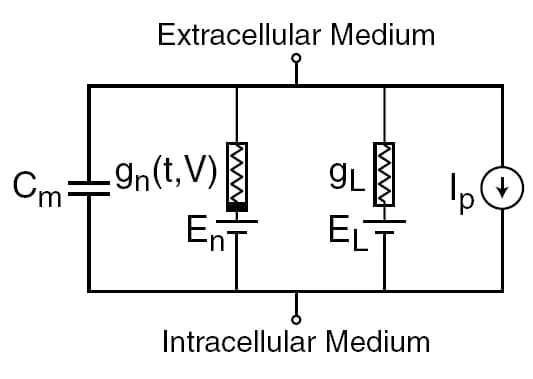
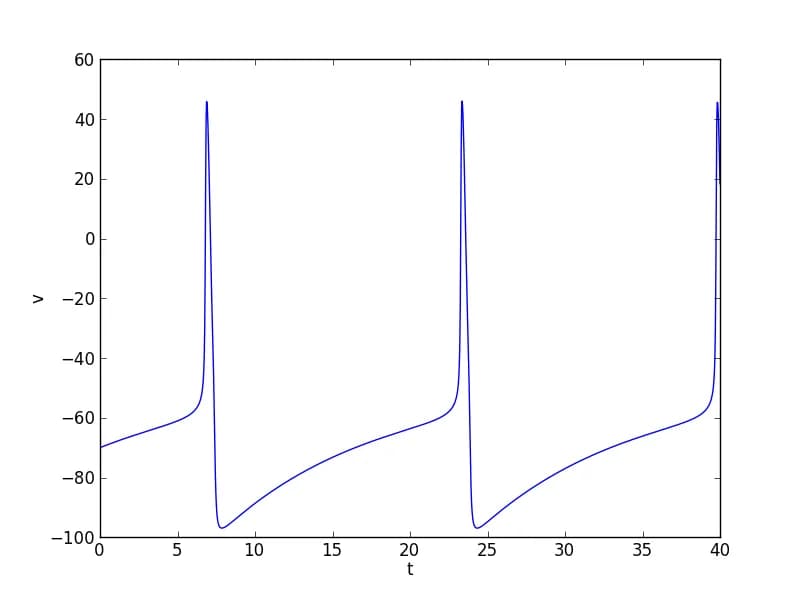
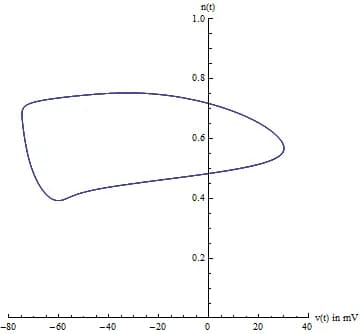
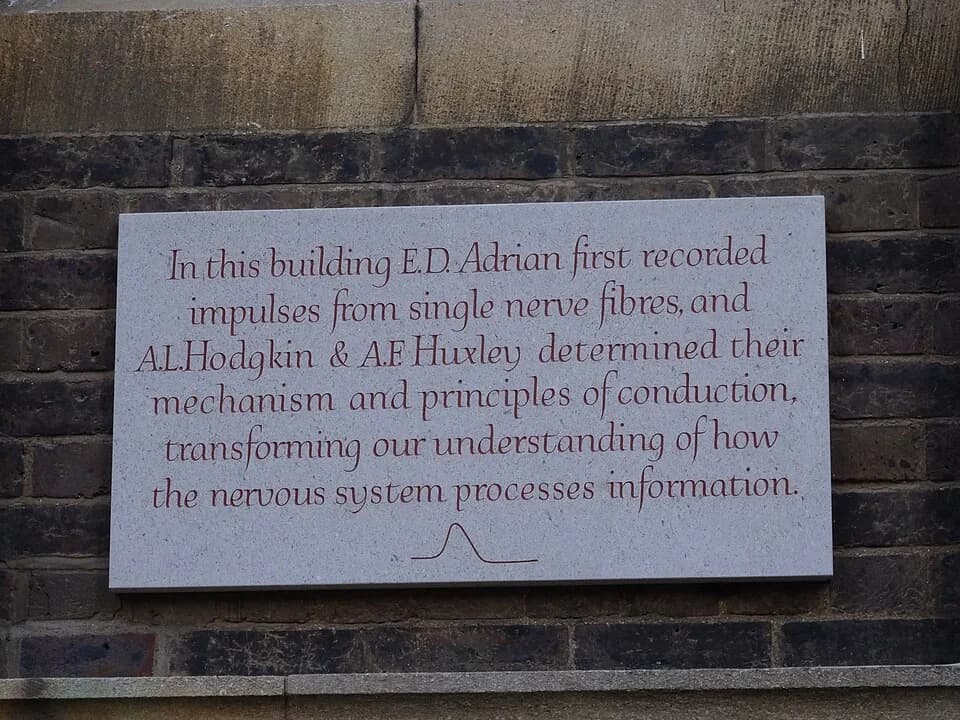
Huxley's most significant scientific triumph came from his partnership with Alan Hodgkin. Their joint work culminated in the discovery of the fundamental basis for the propagation of nerve impulses. This seminal achievement revealed the ionic mechanisms involved in excitation and inhibition within the nerve cell membrane, a cornerstone of neurophysiology.
For these revolutionary discoveries, Sir Andrew Huxley and Alan Hodgkin were jointly awarded the Nobel Prize in Physiology or Medicine in 1963. After the war, Huxley resumed his research at the University of Cambridge, where he continued to innovate. During this period, he developed interference microscopy, a sophisticated technique suitable for the detailed study of muscle fibres, further expanding the tools available for biological research.
第4章 · 2011年· 全6章中第4章
Notable Works or Contributions
His published academic work included a substantial body of research, with an h-index of 7 across 58 papers. Among his listed top works are studies such as "Three Nineteenth-Century Law Book Lists: Burmese Legal History from the Inside" (2011, 6 citations) and "Pāli Buddhist Law in Southeast Asia" (2014, 2 citations). Other contributions included "Mr Houghton and Dr Führer: A Scholarly Vendetta and its Consequences" (2011, 2 citations), "Two Law Book Lists from 1870s Arakan" (2015, 1 citations), and "Lord Kyaw Thu's Precedent: a Sixteenth-Century Burmese Law Report" (2012, 1 citations).
第5章· 全6章中第5章
Later Years
Following his wartime service, Sir Andrew Huxley returned to his academic pursuits at the University of Cambridge, cementing his place in the scientific community. His later career was marked by continued dedication to research, particularly in developing advanced microscopic techniques. He remained an active and influential figure in science until his passing.
第6章· 全6章中第6章
Legacy and Impact
Sir Andrew Huxley's scientific contributions left an indelible legacy on the fields of physiology and biophysics. His Nobel Prize-winning work with Alan Hodgkin provided the definitive explanation for how nerve cells transmit electrical signals, transforming our understanding of the nervous system. This model continues to be taught and referenced as a foundational concept in biology and medicine.
Beyond his work on nerve impulses, his development of interference microscopy provided new avenues for studying muscle contraction, a critical area of physiological research. Huxley's insights and methodologies continue to influence scientists. He passed away on May 30, 2012, in Cambridge, United Kingdom, but his pioneering spirit and scientific rigor continue to inspire generations of researchers.
瞬間の中の人生
人生を形作った瞬間
FAQ
よくある質問
Andrew Huxleyはいつ亡くなりましたか?
Andrew Huxleyは2012年5月30日にCambridge, United Kingdomで亡くなりました(享年94歳)。
Andrew Huxleyはどこで生まれましたか?
Andrew Huxleyは1917年11月22日にHampstead, United Kingdom of Great Britain and Irelandで生まれました。
Andrew Huxleyは何で最もよく知られていますか?
Andrew HuxleyはEnglish physiologist and biophysicistで最もよく知られています。
Andrew Huxleyは何歳で亡くなりましたか?
Andrew Huxleyは亡くなった時94歳でした。
Andrew Huxleyの国籍はどこですか?
Andrew HuxleyはUnited Kingdom of Great Britain and Irelandの出身です。
年表
人生の概要
写真ギャラリー
写真の中の人生
ポラロイドをクリックして拡大 · 24枚の写真
QRコード
この経歴を共有
印刷して共有
スキャンしてこの経歴ページを訪問。イベント、展示会、教育資料に印刷してご利用ください。