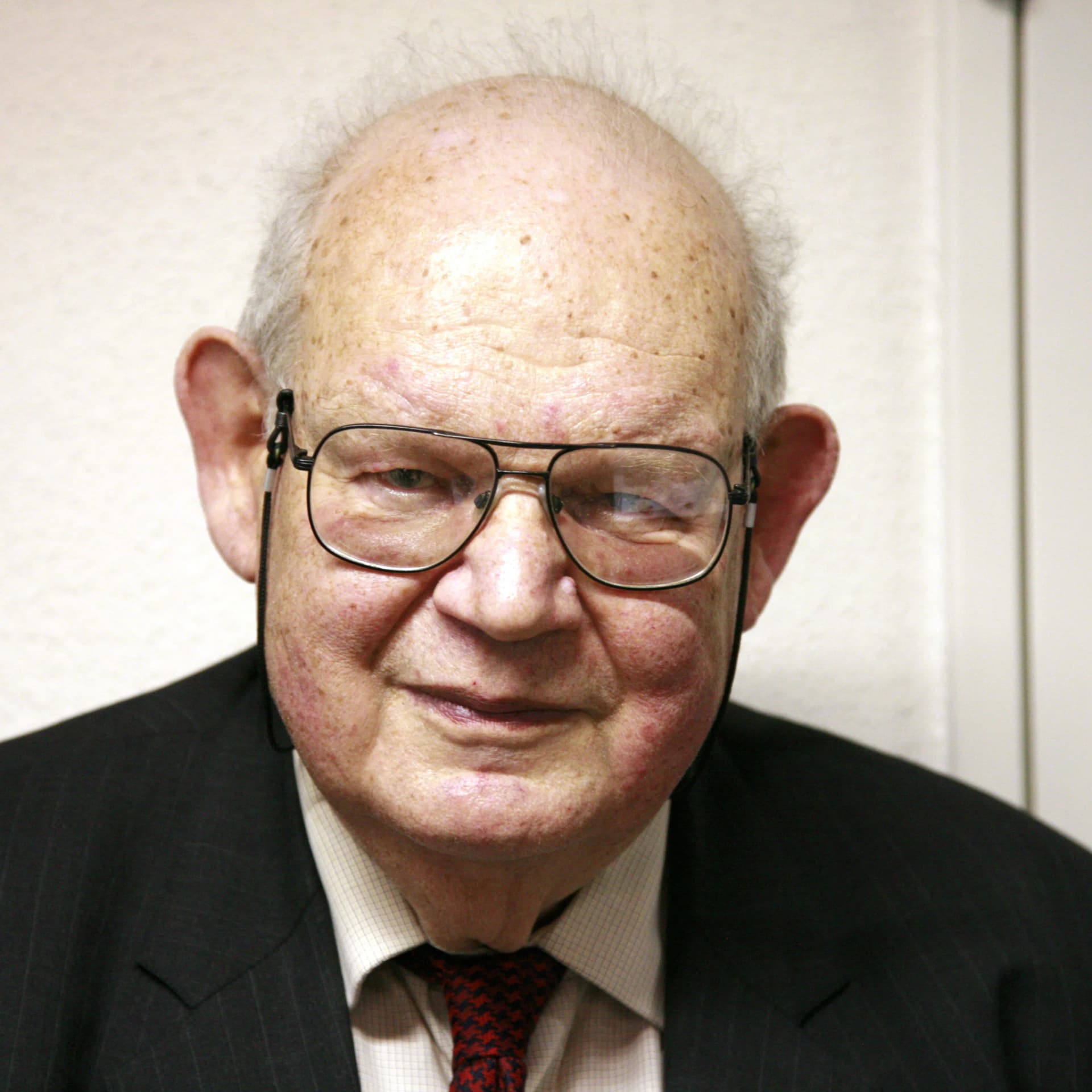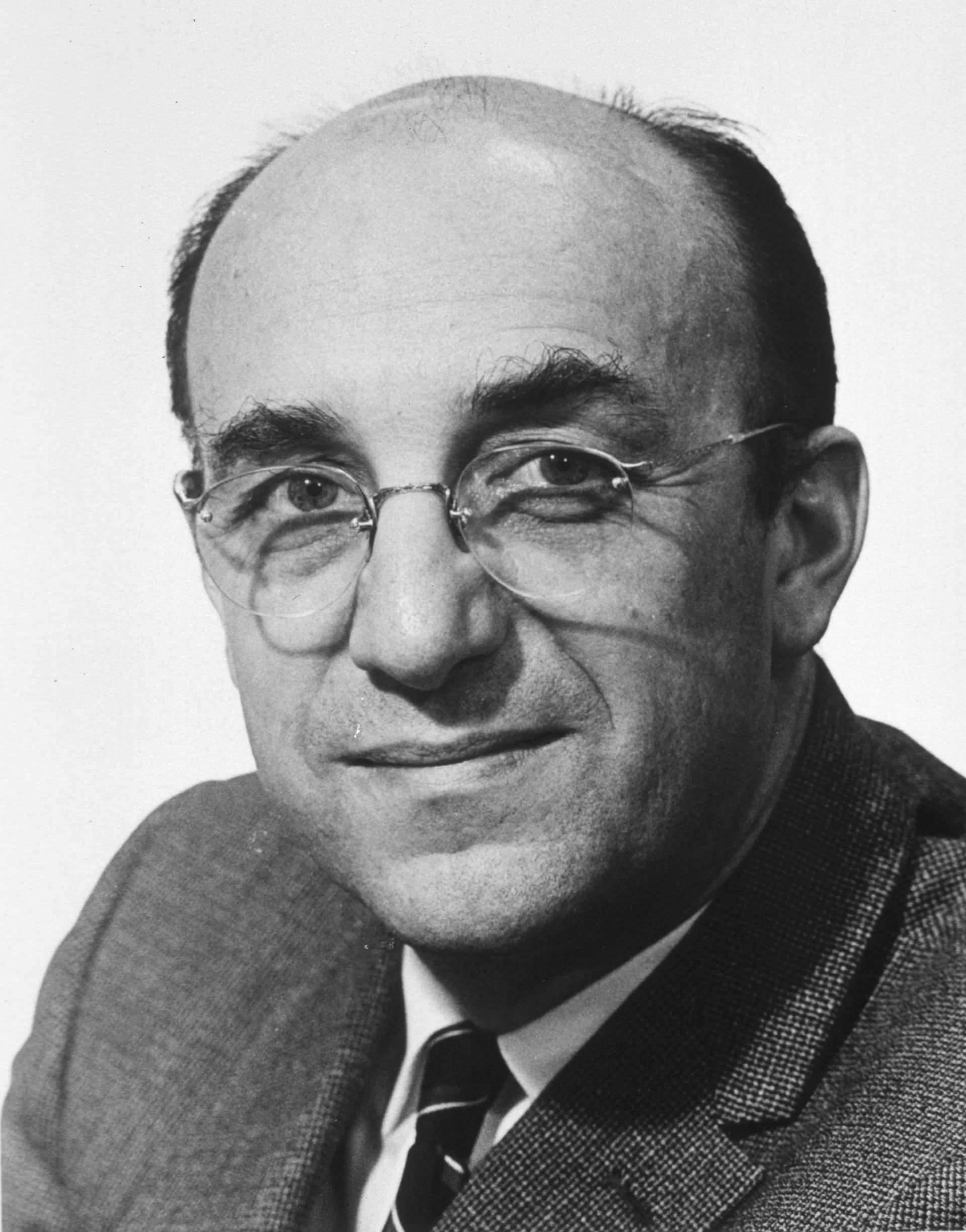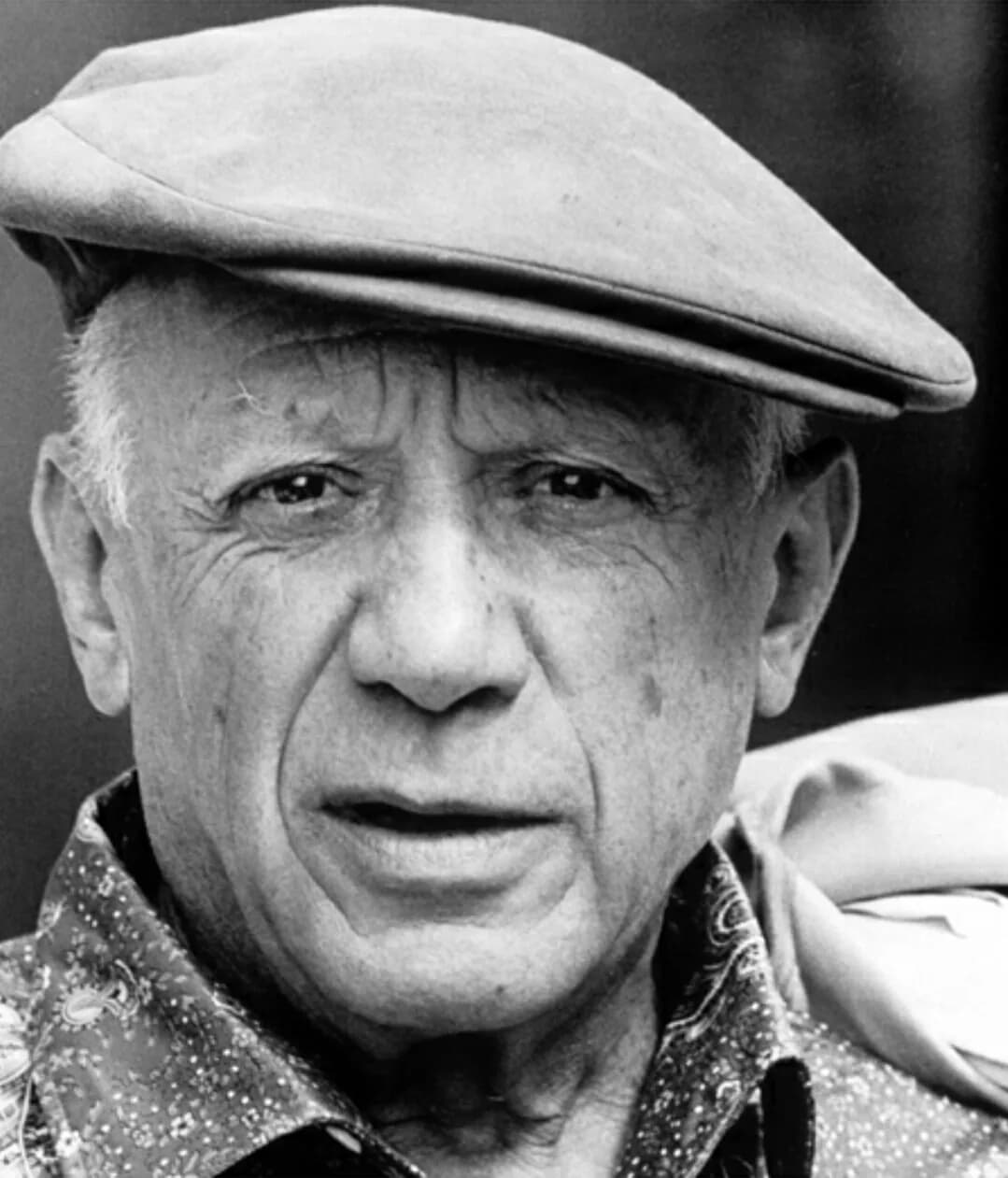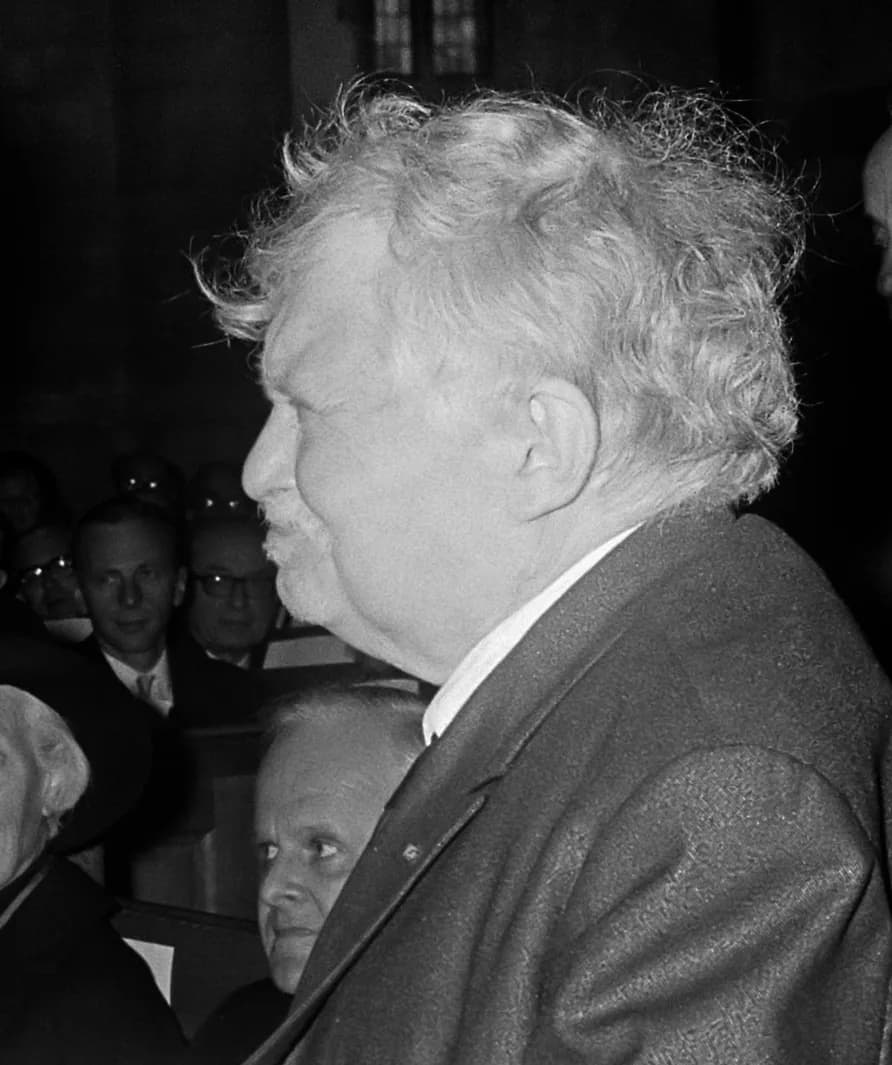
誕生
September 12, 1924
Bafatá, Guinea-Bissau
永眠
January 20, 1973
Tsévié, Togo
知られていること
Guinea-Bissauan and Cape Verdean politician
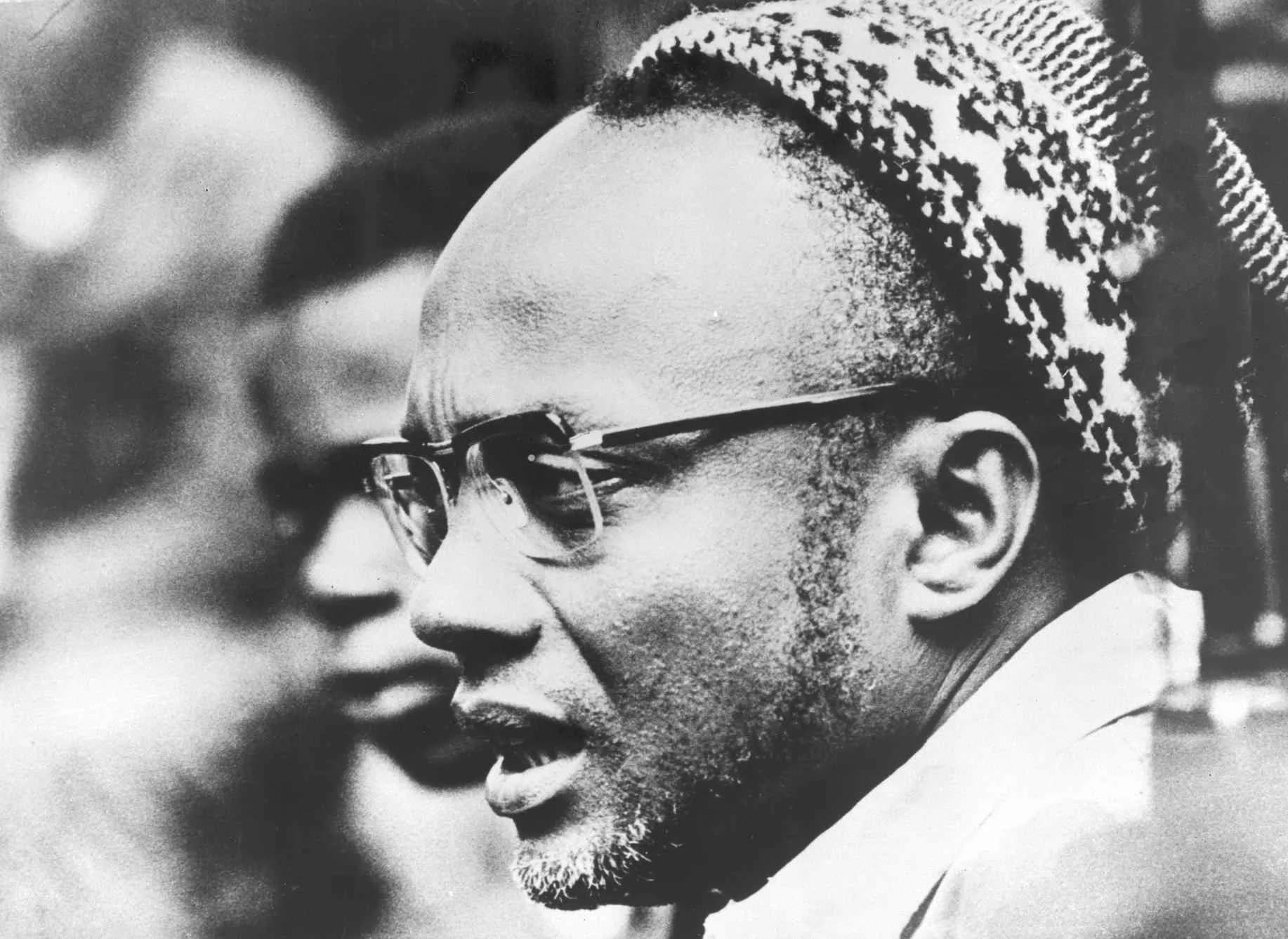
Amílcar Cabral (1924–1973) was Guinea-Bissau best known for Guinea-Bissauan and Cape Verdean politician.
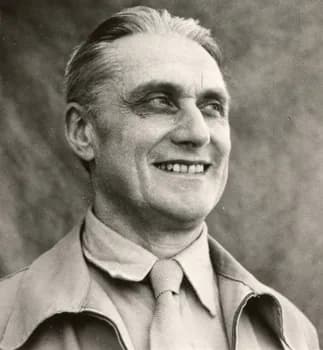
Amílcar Cabral (September 12, 1924 – January 20, 1973) was a Guinea-Bissauan and Cape Verdean politician and agricultural engineer. He was a leading anti-colonial figure and intellectual. His work laid the groundwork for liberation movements.
瞬間の中の人生
人生を形作った瞬間
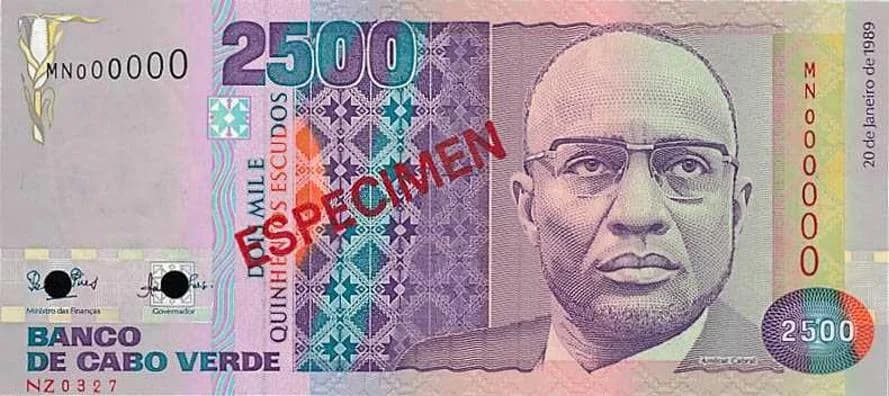
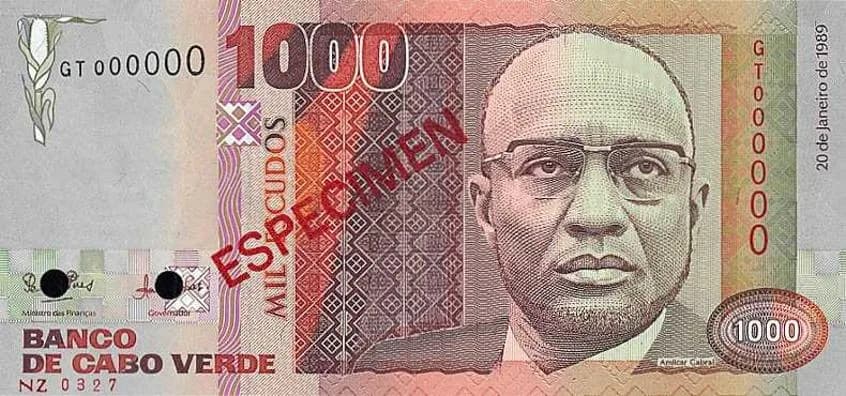
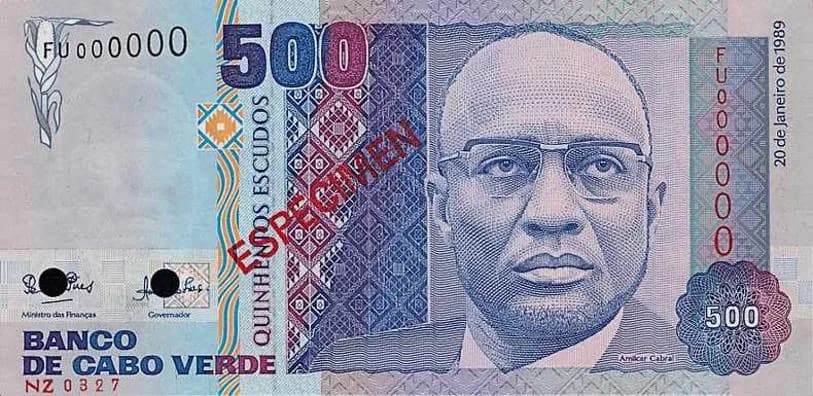
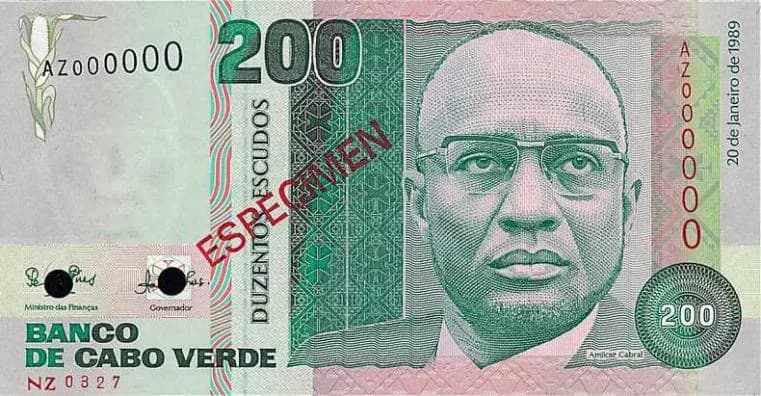
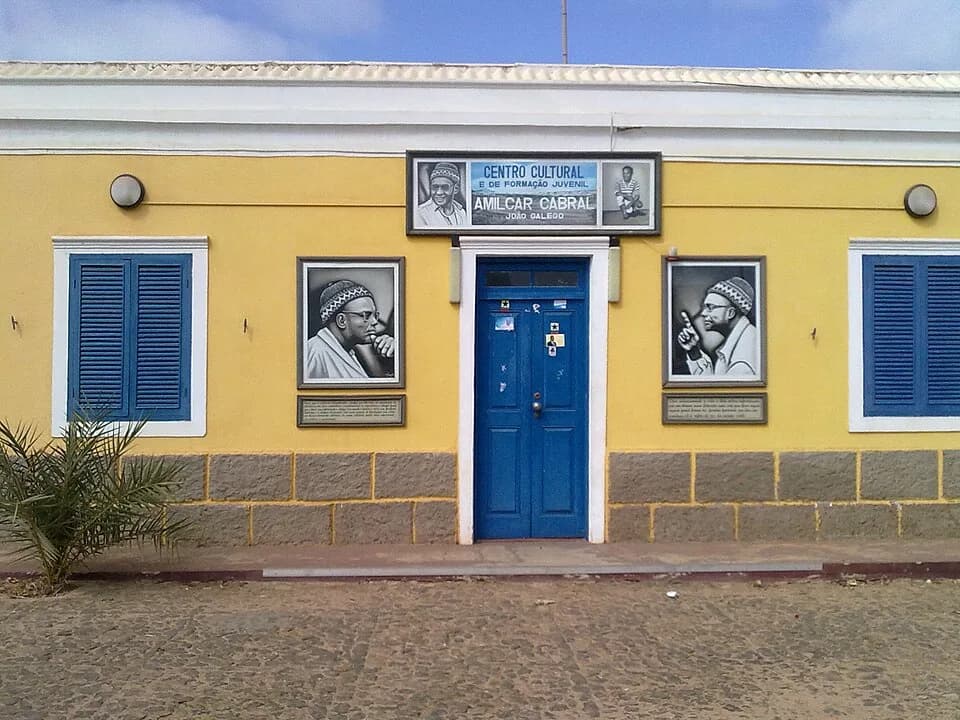
第0章
人生の章
第1章 · 1924年· 全8章中第1章
Opening
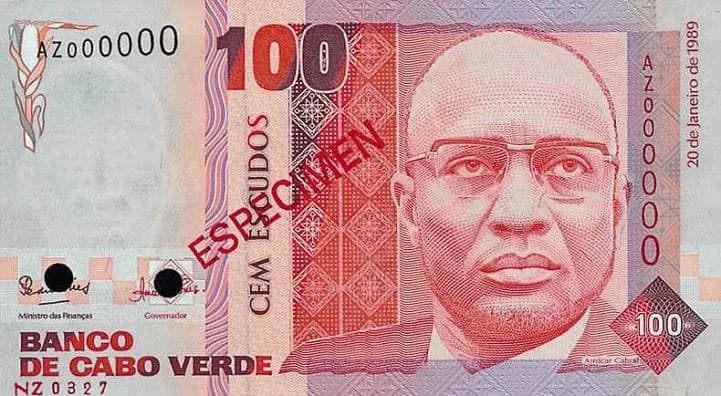
Amílcar Cabral (1924–1973) was a profound Guinea-Bissauan and Cape Verdean politician, celebrated for his relentless pursuit of liberation. He was an agricultural engineer by training, a prolific writer, and a political theorist who dedicated his life to the struggle against colonialism. His vision and leadership left an enduring mark on the anti-colonial movements across Africa.
第2章 · 1924年· 全8章中第2章
Early Life and Origins
Amílcar Lopes Cabral was born on September 12, 1924, in Bafatá, Guinea-Bissau, a territory then under Portuguese colonial rule. His early life exposed him to the realities of colonial oppression, which would profoundly shape his future endeavors. He pursued higher education, specializing in agronomy, a field that allowed him to understand the economic exploitation inherent in the colonial system.
第3章 · 1953年· 全8章中第3章
Career Beginnings
Cabral began his professional life as an agricultural engineer, contributing to technical reports such as "Recenseamento agrícola da Guiné - estimativa em 1953." However, his calling soon shifted towards political organization and resistance. He quickly emerged as a political organizer and diplomat, recognizing the urgent need for systemic change rather than superficial reforms. His deep understanding of both agricultural science and political theory positioned him uniquely within the burgeoning anti-colonial movement.
第4章· 全8章中第4章
Major Achievements and Career Highlights
Amílcar Cabral became widely recognized as one of Africa's foremost anti-colonial leaders, advocating for the independence of both Guinea-Bissau and Cape Verde. He was not only a politician but also a passionate pan-Africanist and an intellectual nationalist revolutionary poet. His strategic brilliance and unifying message were instrumental in mobilizing people towards self-determination. He also served as a diplomat, articulating the aspirations of his people on an international stage.
第5章· 全8章中第5章
Personal Life
Beyond his political and professional roles, Amílcar Cabral was a writer and poet, using his literary talents to inspire and articulate the struggle for freedom. He was the half-brother of Luís Cabral, who would later play a significant role in the independent Guinea-Bissau. His multifaceted identity as an engineer, political scientist, and artist enriched his approach to liberation, blending practical solutions with ideological depth.
第6章· 全8章中第6章
Notable Works or Contributions
Cabral's intellectual contributions are preserved in numerous works, including "African Popular Culture and Emancipatory Politics" and "La descolonización del Africa portuguesa." His political writings, such as "Textos políticos de Amilcar Cabral" and "Unidade e luta," provided theoretical frameworks for the liberation struggle. He also contributed to technical and scientific literature, exemplified by "Recenseamento agrícola da Guiné" and "Análise de alguns tipos de resistência."
His academic output was significant, with a reported h-index of 4 across 15 papers. Top cited works include "Análise de alguns tipos de resistência" from 1974 with 19 citations, and "Unidade e luta" from 1976 with 11 citations. Other influential papers like "A libertação da GUiné : aspectos de uma revolução africana" (1975, 7 citations) and "Alguns princípios do partido" (1974, 4 citations) demonstrate the breadth of his scholarly engagement. Even earlier, in 1956, "Recenseamento agricoia da Guine - estimativa em 1953" received 4 citations, highlighting his early professional impact.
第7章 · 1973年· 全8章中第7章
Later Years
Amílcar Cabral's commitment to the liberation cause remained unwavering through his later years. He continued to lead and inspire, even as the struggle intensified. Tragically, his life was cut short when he died on January 20, 1973, in Tsévié, Togo, just months before Guinea-Bissau declared its independence. His passing was an immense loss, but his ideology continued to guide the movement.
第8章· 全8章中第8章
Legacy and Impact
Amílcar Cabral's legacy resonates deeply in the history of African liberation and beyond. He is remembered not only as a political leader but also as a profound intellectual who synthesized theory and practice in the fight against colonialism. His writings continue to be studied for their insights into revolutionary strategy, cultural liberation, and pan-Africanism. Cabral's impact shaped the independence of Guinea-Bissau and Cape Verde and inspired countless others striving for self-determination and justice across the globe.
FAQ
よくある質問
Amílcar Cabralはいつ亡くなりましたか?
Amílcar Cabralは1973年1月20日にTsévié, Togoで亡くなりました(享年48歳)。
Amílcar Cabralはどこで生まれましたか?
Amílcar Cabralは1924年9月12日にBafatá, Guinea-Bissauで生まれました。
Amílcar Cabralは何で最もよく知られていますか?
Amílcar CabralはGuinea-Bissauan and Cape Verdean politicianで最もよく知られています。
Amílcar Cabralは何歳で亡くなりましたか?
Amílcar Cabralは亡くなった時48歳でした。
Amílcar Cabralの国籍はどこですか?
Amílcar CabralはGuinea-Bissauの出身です。
年表
人生の概要
- 1924
Opening
- 1924
Early Life and Origins
- 1953
Career Beginnings
- 1973
Later Years
写真ギャラリー
写真の中の人生
ポラロイドをクリックして拡大 · 23枚の写真
QRコード
この経歴を共有
印刷して共有
スキャンしてこの経歴ページを訪問。イベント、展示会、教育資料に印刷してご利用ください。