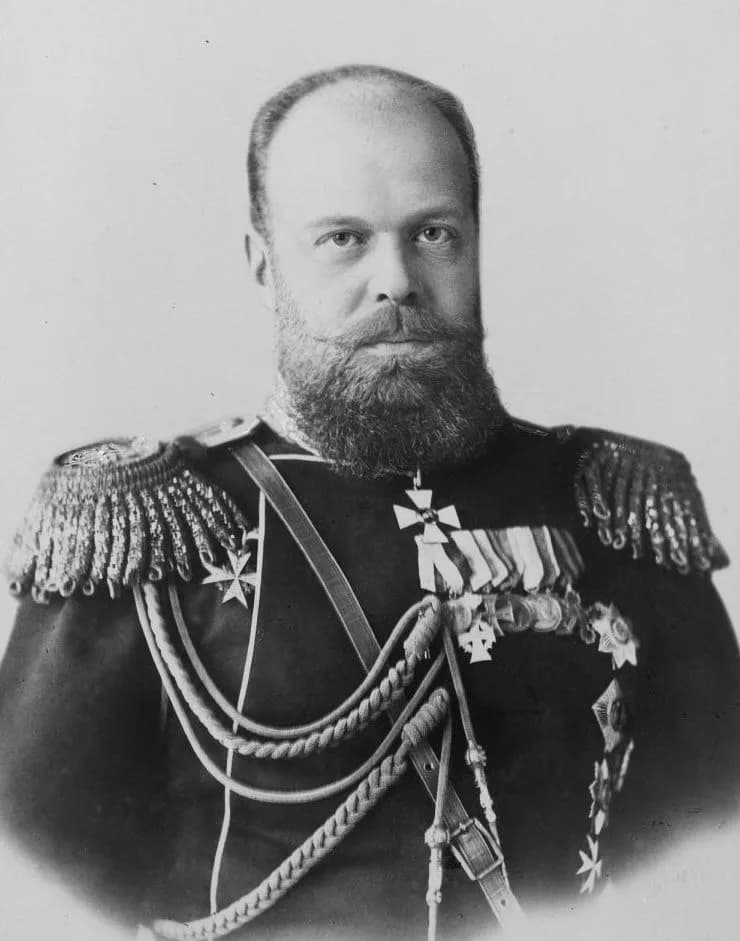
誕生
March 10, 1845
Anichkov Palace, Russia
永眠
November 1, 1894
Livadia Palace, Russia
知られていること
Emperor of Russia from 1881 to 1894
Alexander III of Russia (1845–1894) was Russia best known for Emperor of Russia from 1881 to 1894.
Alexander III of Russia (March 10, 1845 – November 1, 1894) was a monarch and art collector. He reigned as Emperor of Russia from 1881 to 1894, known for his "counter-reforms" that reversed many liberal policies. His legacy is tied to this period of conservative rule.
第0章
人生の章
第1章 · 1845年· 全7章中第1章
Early Life and Origins
Alexander Alexandrovich Romanov was born on March 10, 1845, at the Anichkov Palace in Russia. As the son of Emperor Alexander II, he was immersed in the world of the Russian imperial court from birth. His upbringing prepared him for a life of service within the royal family, though he was not initially destined for the throne.
His early years were spent within the imperial family, receiving an education befitting a grand duke. He observed the political climate of his father’s reign, which included significant liberal reforms. These formative experiences would later influence his own approach to governance.
第2章 · 1865年· 全7章中第2章
Career Beginnings
Alexander III’s path to the throne was unexpected; he became the heir apparent after the assassination of his elder brother, Nicholas Alexandrovich, in 1865. This event abruptly shifted his future responsibilities. He dedicated himself to understanding the complexities of ruling a vast empire, preparing for the weighty duties that awaited him.
His direct ascent to power occurred on March 13, 1881, following the assassination of his father, Emperor Alexander II. This sudden transition thrust him into the role of Emperor of Russia, King of Poland, and Grand Duke of Finland. He immediately faced the immense challenge of leading a nation in the aftermath of such a dramatic and destabilizing event.
第3章 · 1881年· 全7章中第3章
Major Achievements and Career Highlights
Alexander III reigned as Emperor of Russia, King of Poland, and Grand Duke of Finland from March 13, 1881, until his death in 1894. His thirteen-year rule was characterized by a distinct approach to domestic governance. He was known for introducing a policy of "counter-reforms" that deliberately reversed some of the liberal changes enacted by his father, Alexander II.
These "counter-reforms" marked a period of heightened conservatism in Russia. His administration sought to reinforce traditional autocratic principles and limit some of the judicial and local government reforms previously established. His policies were often described as highly reactionary, reflecting a desire for stability and control within the empire.
第4章· 全7章中第4章
Personal Life
Beyond his role as a monarch, Alexander III was recognized as an enthusiastic art collector. This personal interest allowed him to contribute to Russia's cultural heritage. His collection included a wide array of artworks, demonstrating a refined taste and dedication to the arts.
This aspect of his life provided a contrast to his public persona as a staunchly conservative ruler. His passion for art enriched the imperial collection and reflected a cultivated personal sphere. Such patronage helped to support artists and preserve important cultural pieces for future generations.
第5章· 全7章中第5章
Notable Works or Contributions
As Emperor of Russia, King of Poland, and Grand Duke of Finland, Alexander III's primary contributions were his governing policies. He presided over a period of significant domestic policy shifts, notably his "counter-reforms." These actions shaped the political and social landscape of Russia during his reign.
His administration’s focus on reversing earlier liberal initiatives was a defining feature of his time on the throne. These deliberate policy choices had far-reaching effects on various aspects of Russian society. Additionally, his role as an art collector made a quiet but lasting contribution to the cultural wealth of the empire.
第6章· 全7章中第6章
Later Years
Alexander III continued to serve as Emperor of Russia, King of Poland, and Grand Duke of Finland until his death. His later years were dedicated to maintaining his vision for the empire, characterized by his conservative "counter-reforms." He remained steadfast in his policies designed to strengthen autocratic rule.
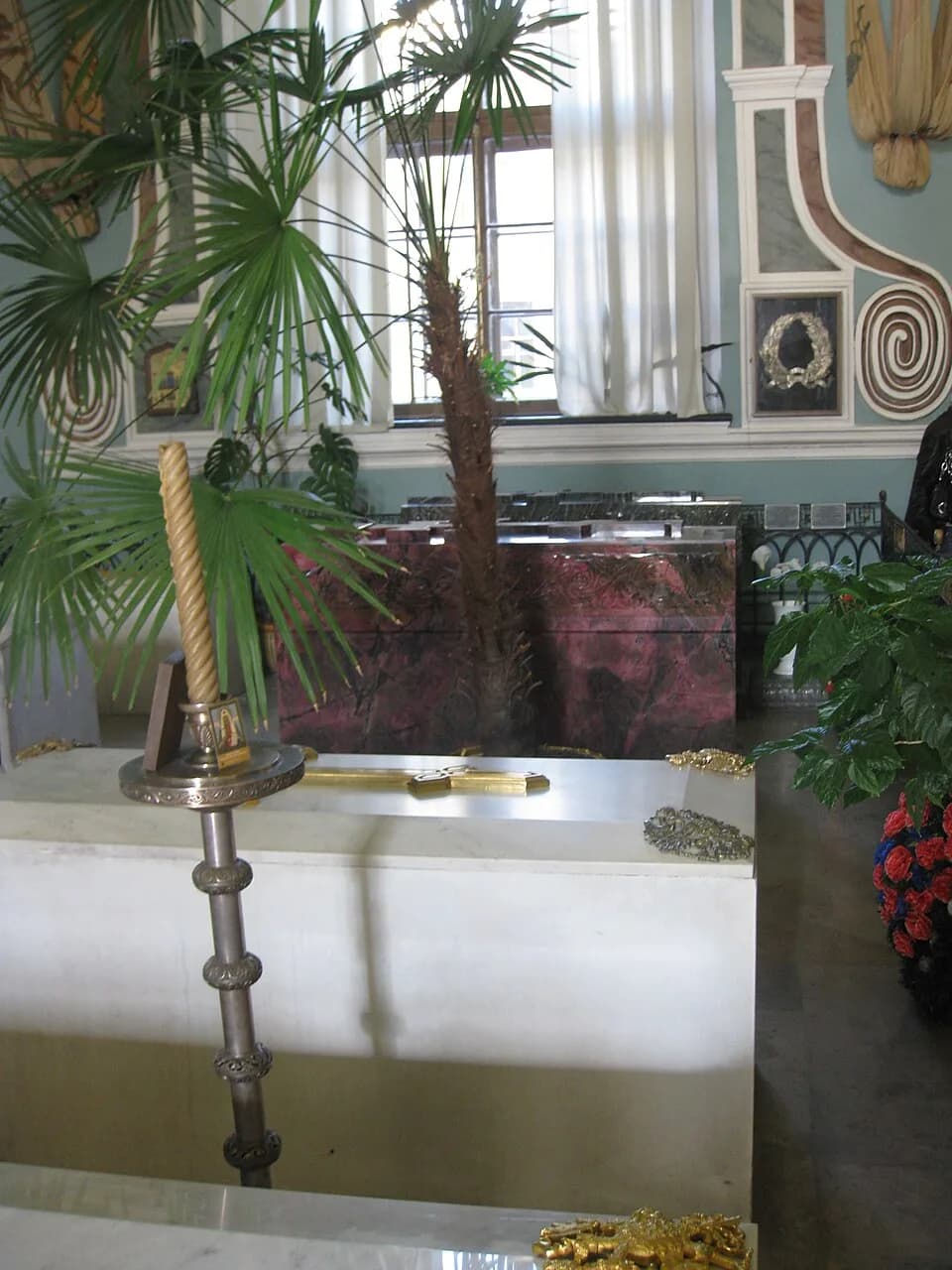
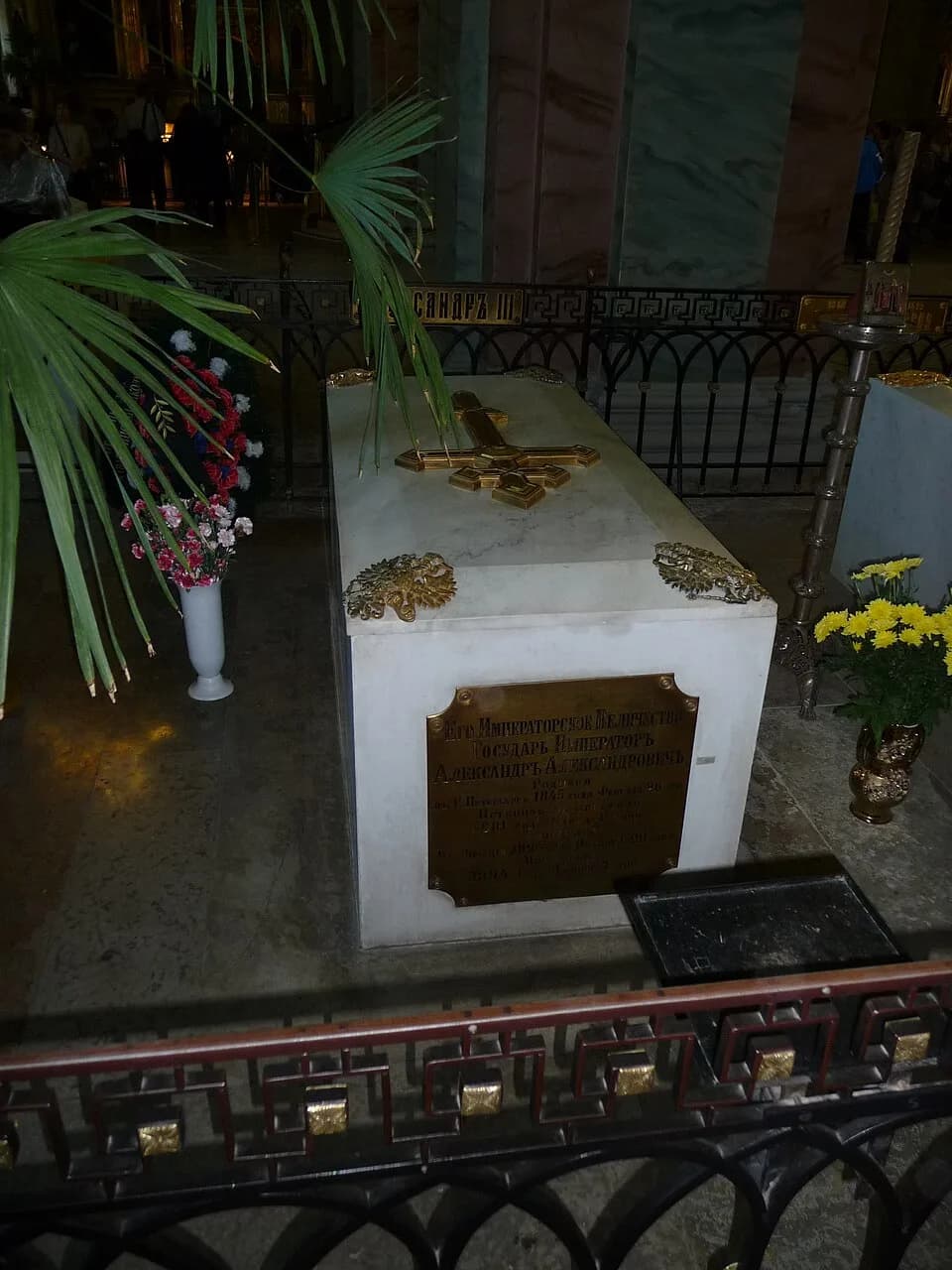
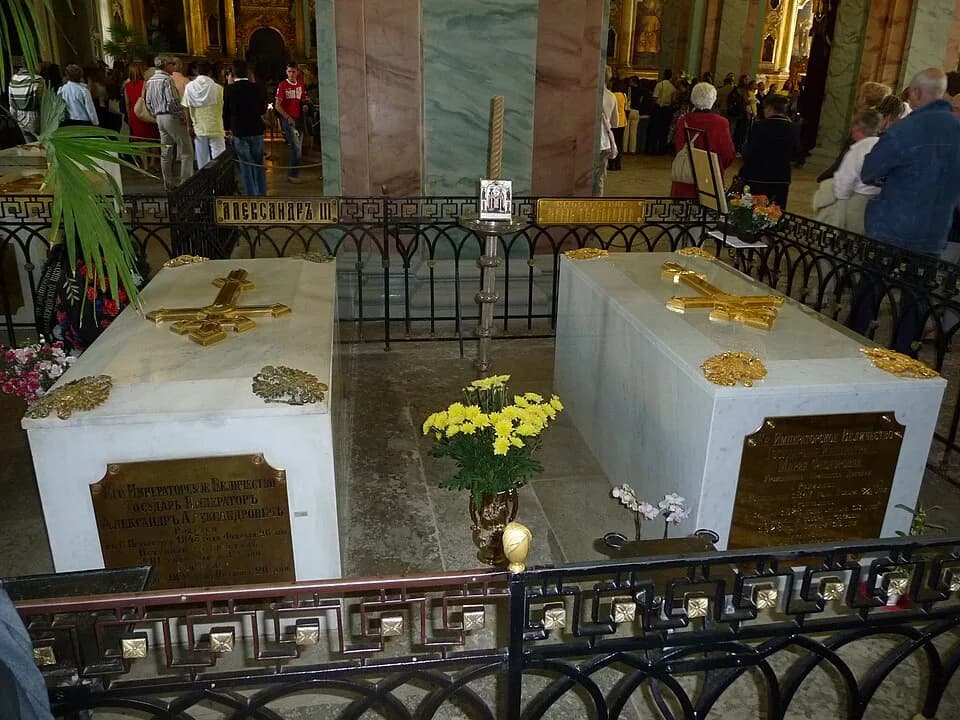
He passed away on November 1, 1894, at the Livadia Palace in Russia. His death brought an end to his 13-year reign, concluding a period marked by significant shifts in Russian domestic affairs. His departure left a lasting imprint on the course of Russian history.
第7章 · 1881年· 全7章中第7章
Legacy and Impact
Alexander III's legacy is firmly tied to his role as Emperor of Russia from 1881 to 1894. He is primarily remembered for his reactionary stance in domestic affairs. His policy of "counter-reforms" actively reversed the liberal changes introduced by his father, Alexander II, ushering in a more conservative era for the Russian Empire.
His impact on the political trajectory of Russia was substantial, shifting the direction of the state towards greater centralization and traditional authority. Beyond his political actions, his personal commitment as an art collector also contributed to the cultural richness of his era. He is remembered for both his firm rule and his passion for the arts.
瞬間の中の人生
人生を形作った瞬間
FAQ
よくある質問
Alexander III of Russiaはいつ亡くなりましたか?
Alexander III of Russiaは1894年11月1日にLivadia Palace, Russiaで亡くなりました(享年49歳)。
Alexander III of Russiaはどこで生まれましたか?
Alexander III of Russiaは1845年3月10日にAnichkov Palace, Russiaで生まれました。
Alexander III of Russiaは何で最もよく知られていますか?
Alexander III of RussiaはEmperor of Russia from 1881 to 1894で最もよく知られています。
Alexander III of Russiaは何歳で亡くなりましたか?
Alexander III of Russiaは亡くなった時49歳でした。
Alexander III of Russiaの国籍はどこですか?
Alexander III of RussiaはRussiaの出身です。
写真ギャラリー
写真の中の人生
ポラロイドをクリックして拡大 · 25枚の写真
QRコード
この経歴を共有
印刷して共有
スキャンしてこの経歴ページを訪問。イベント、展示会、教育資料に印刷してご利用ください。