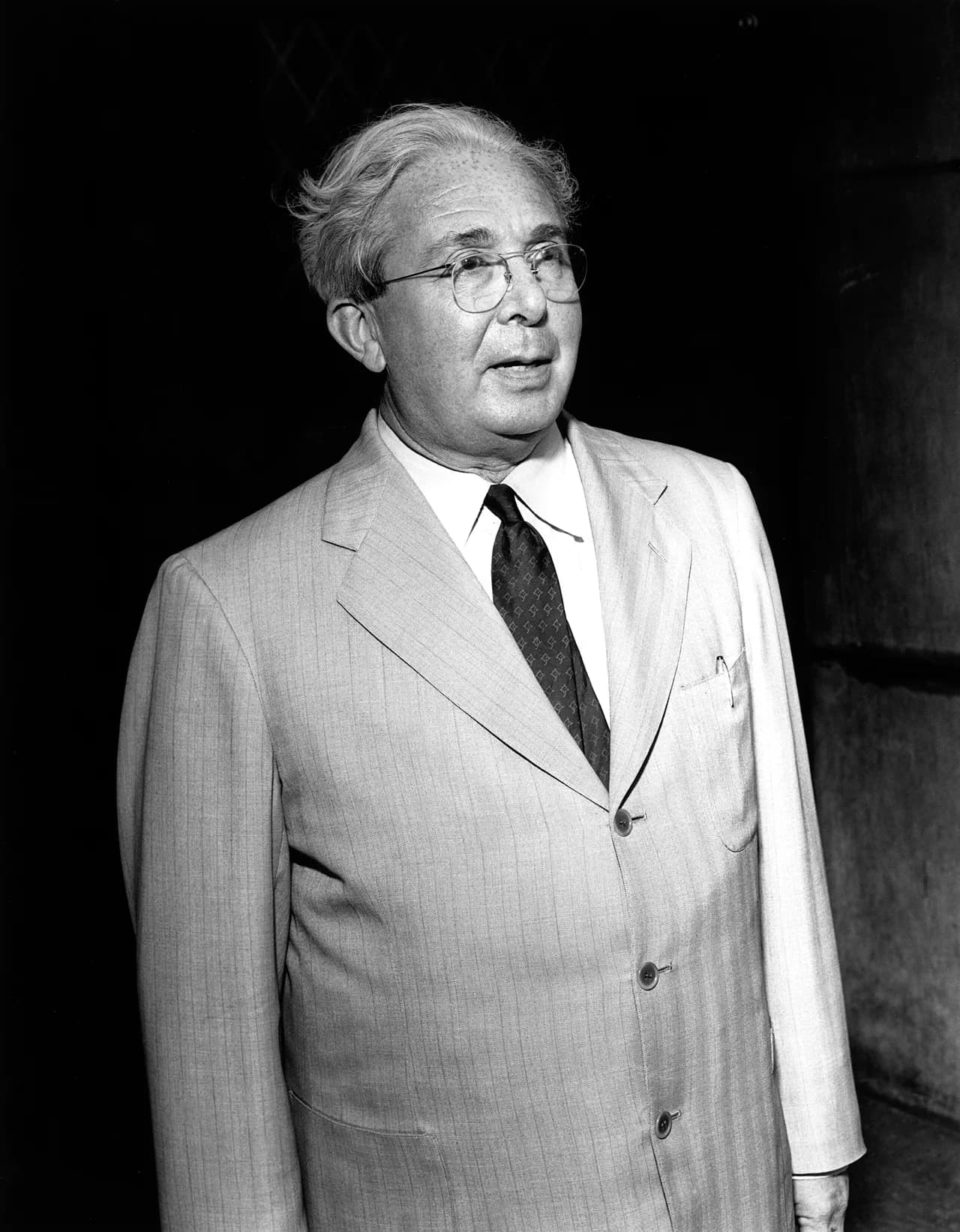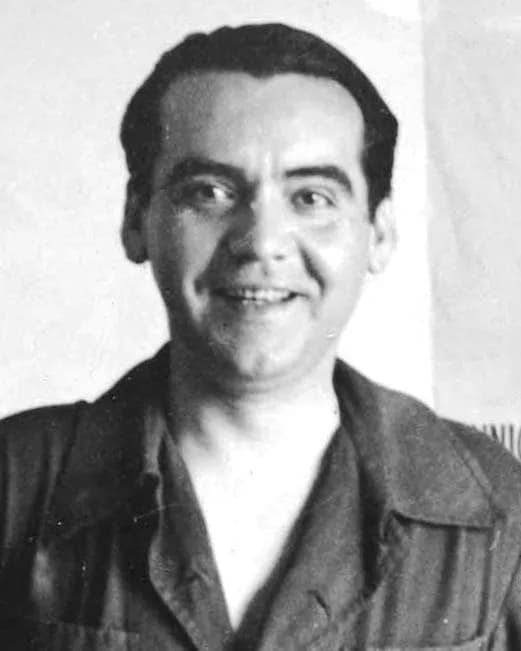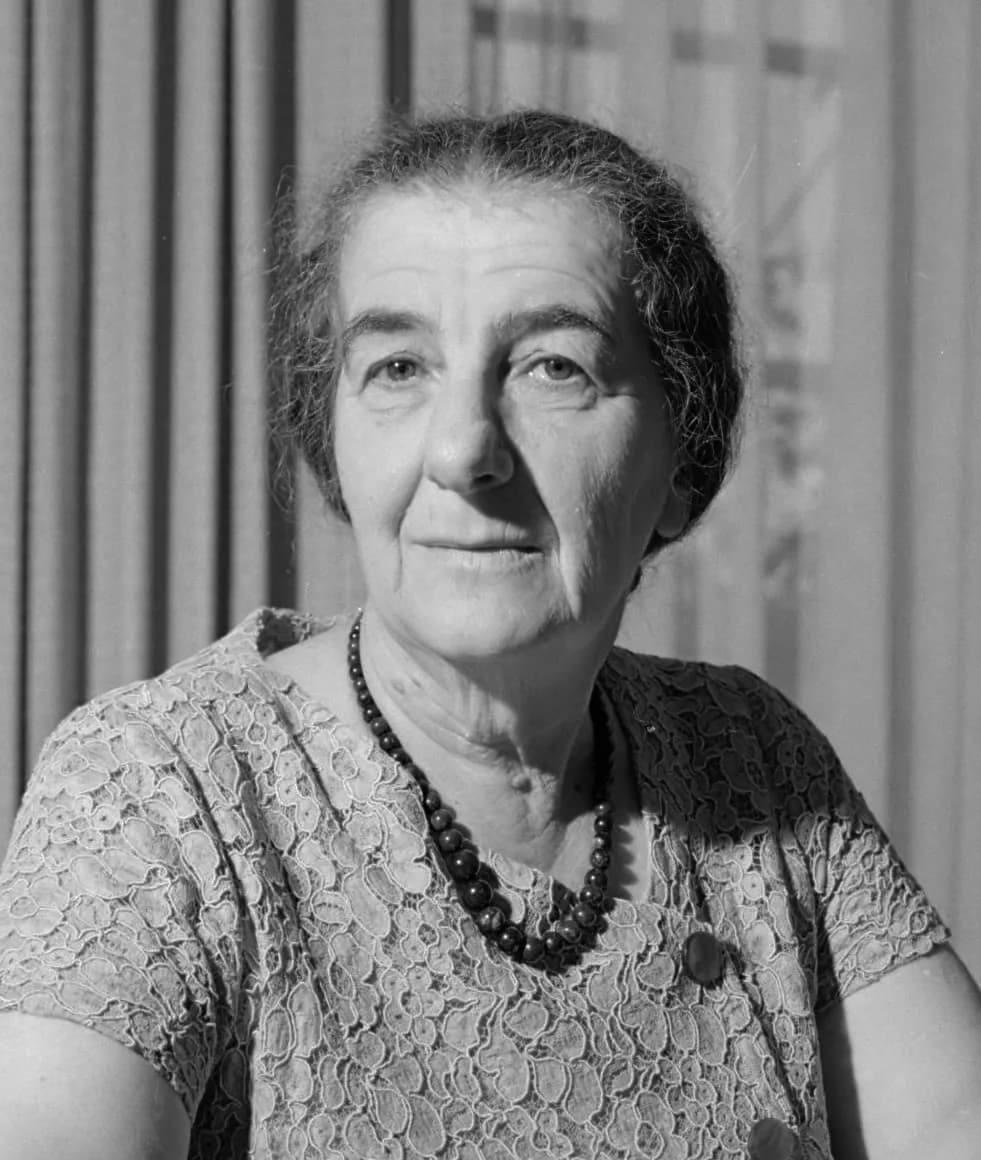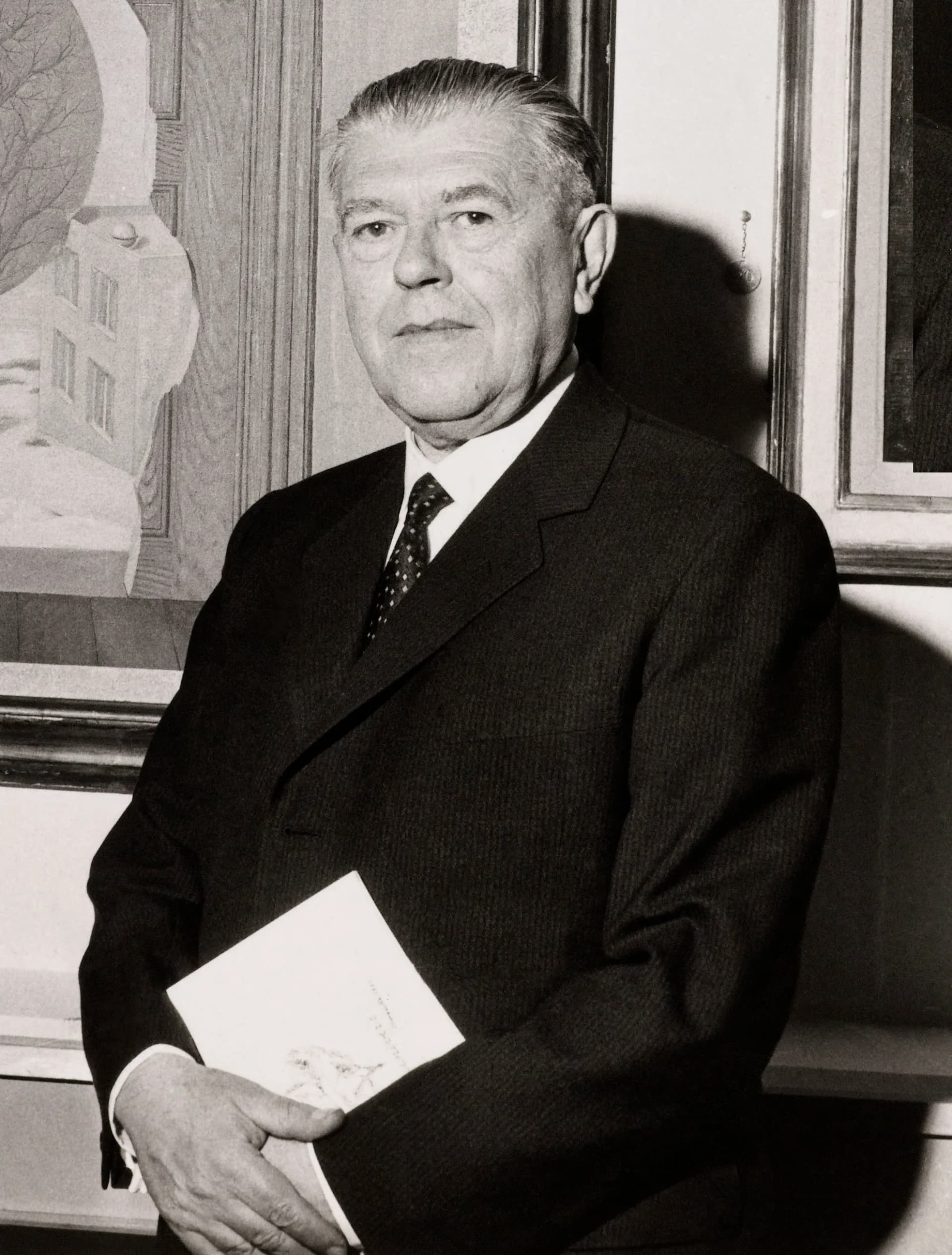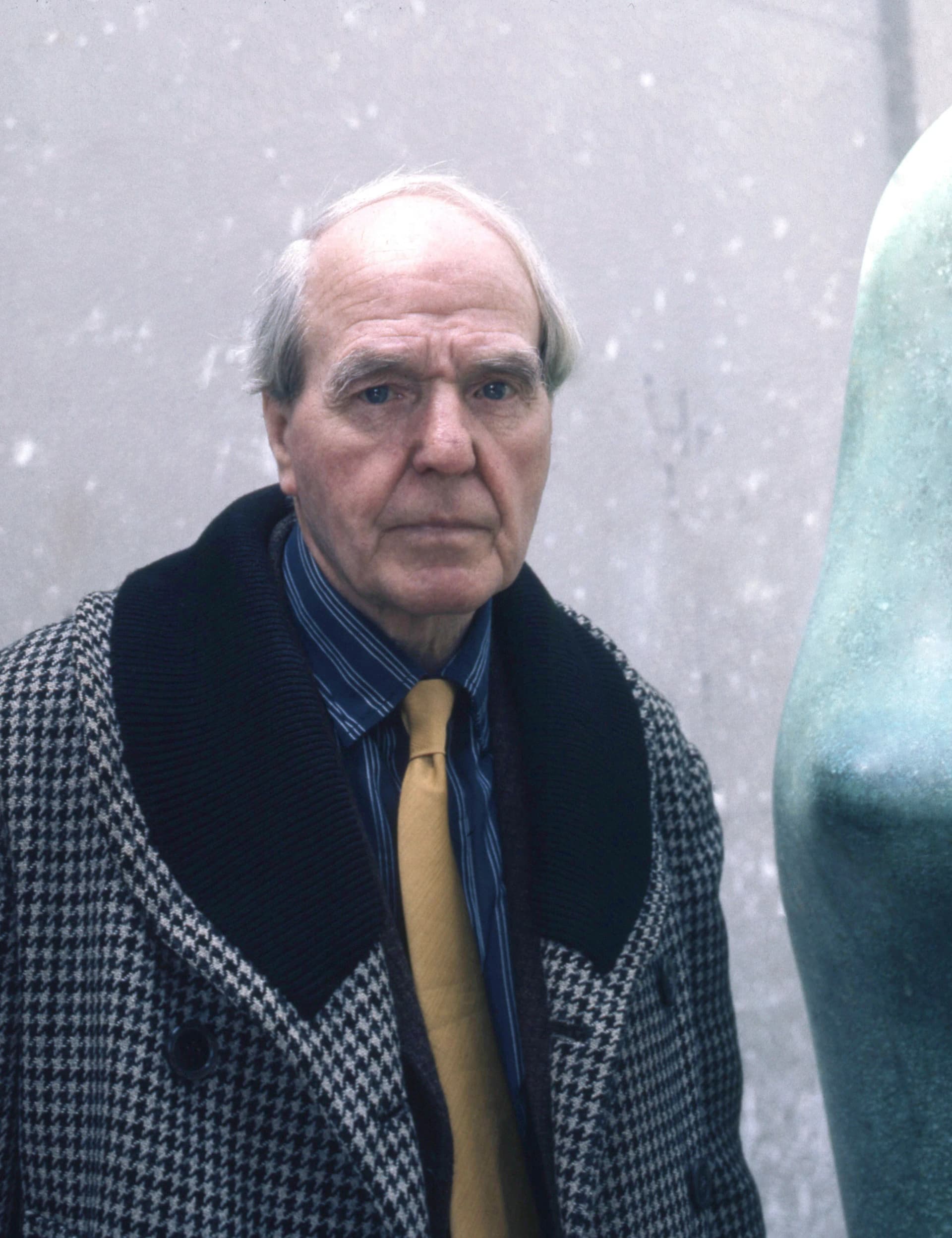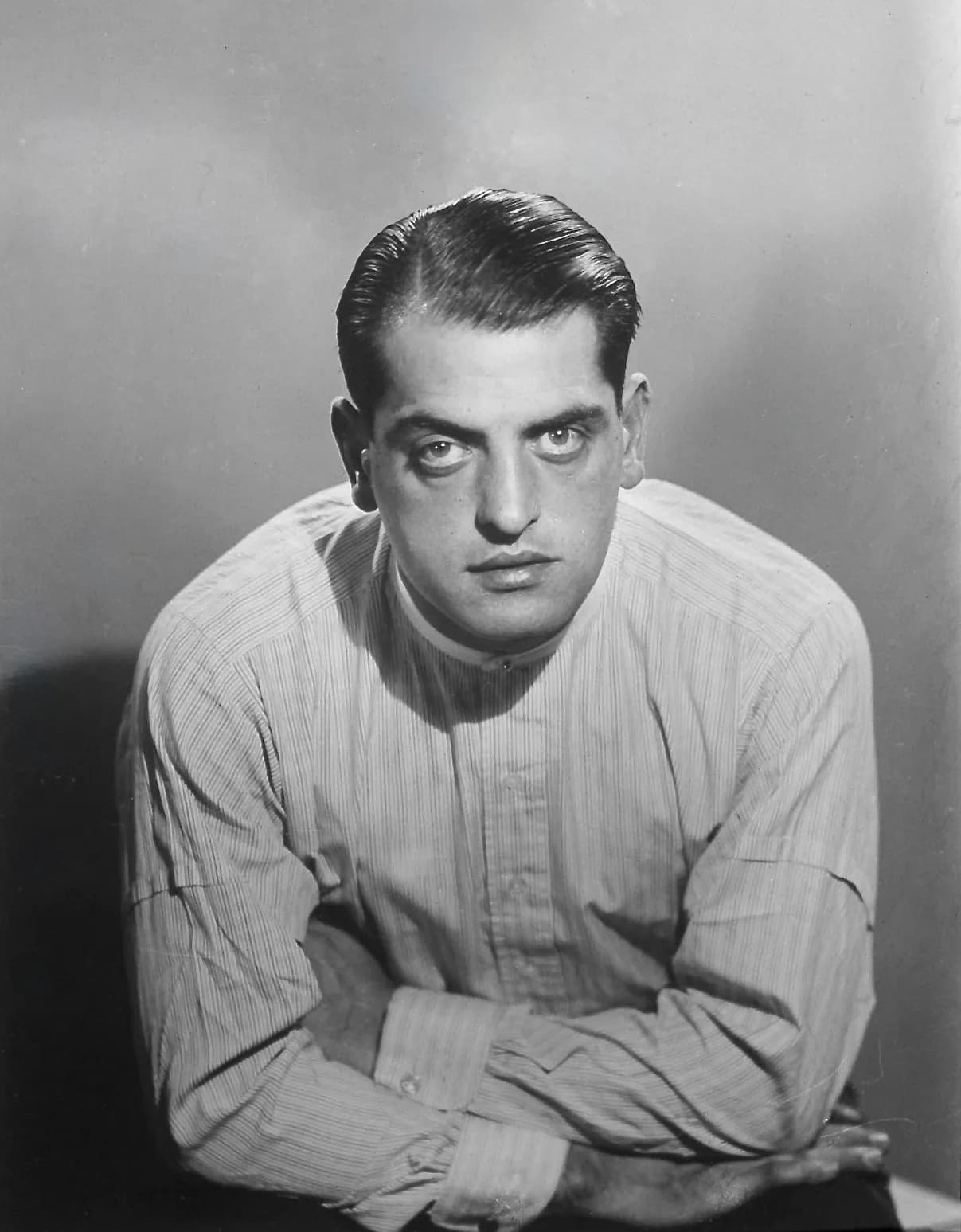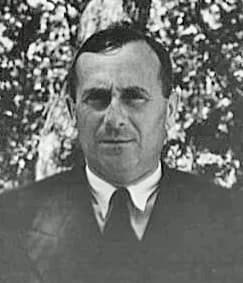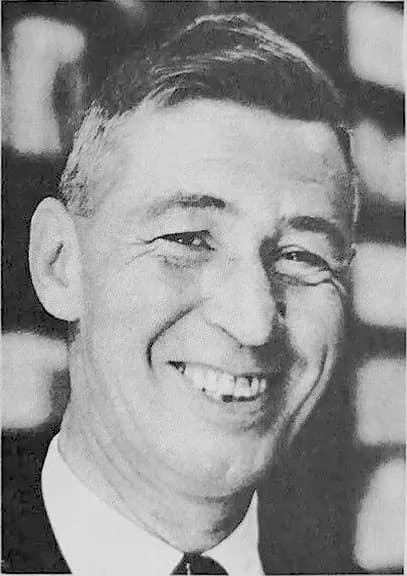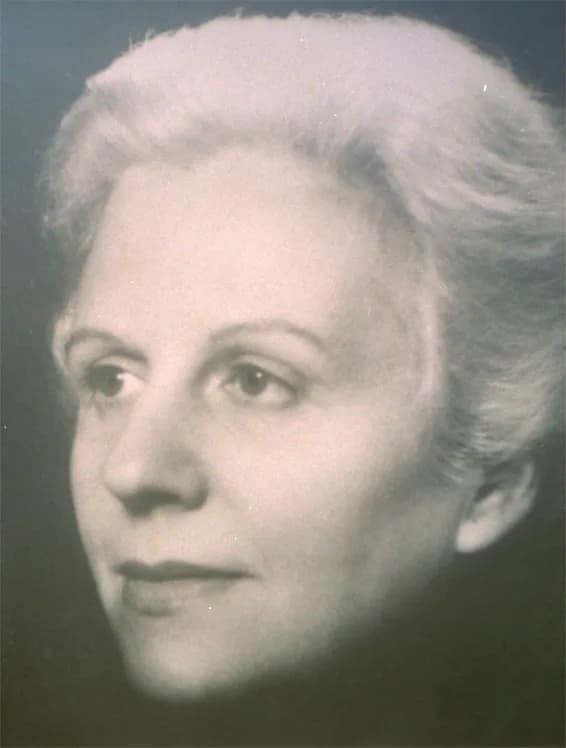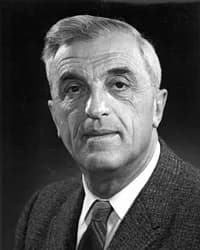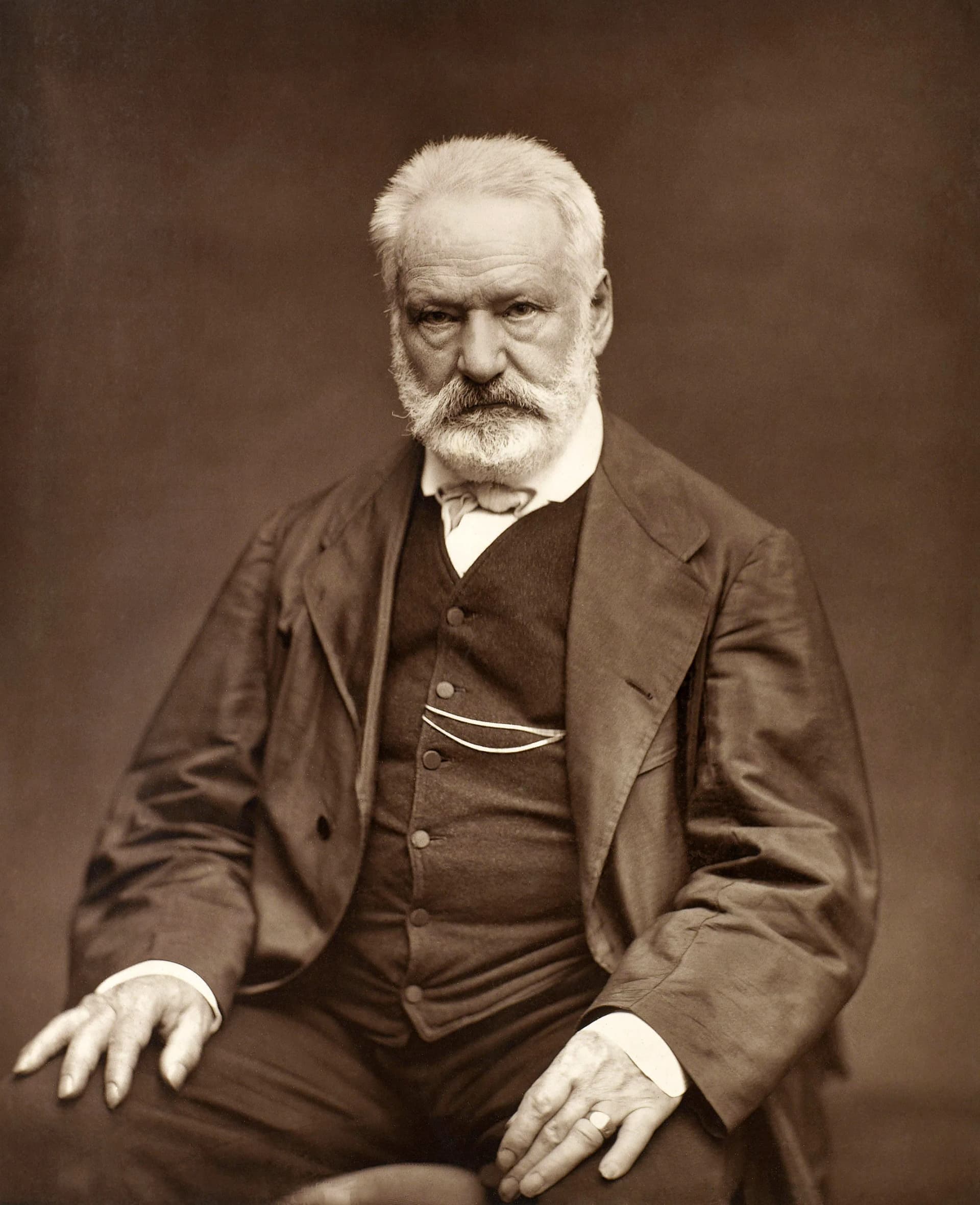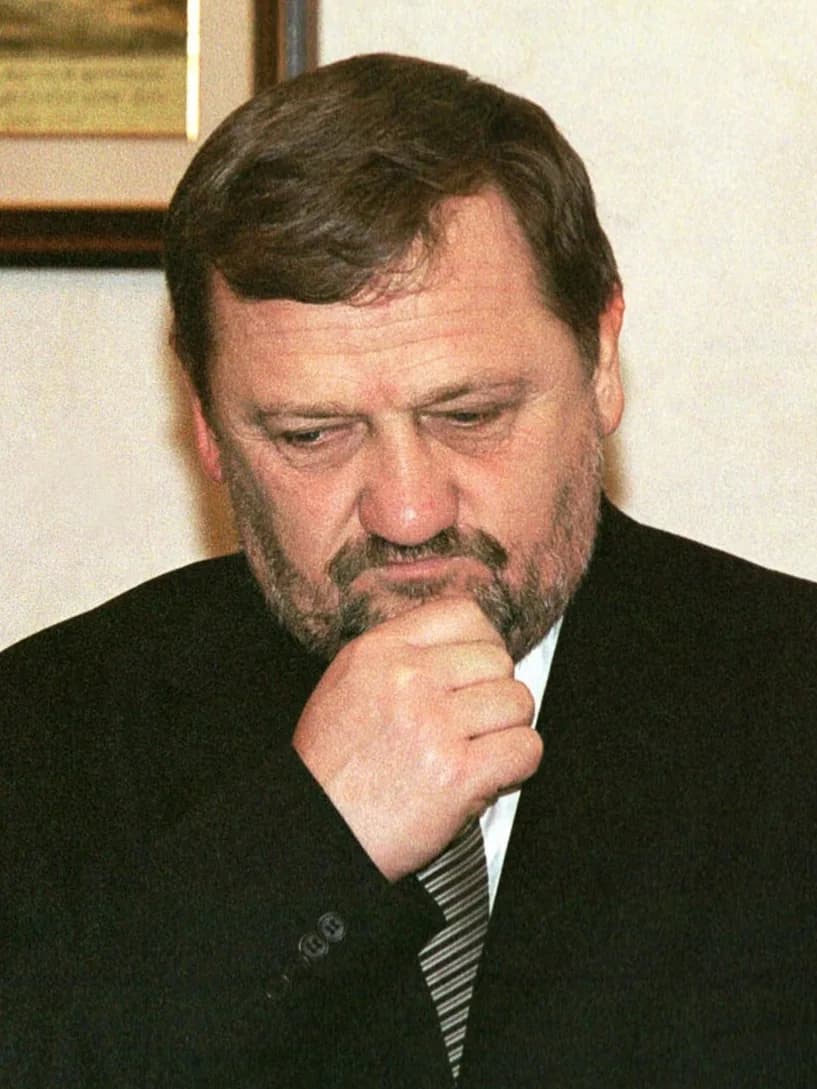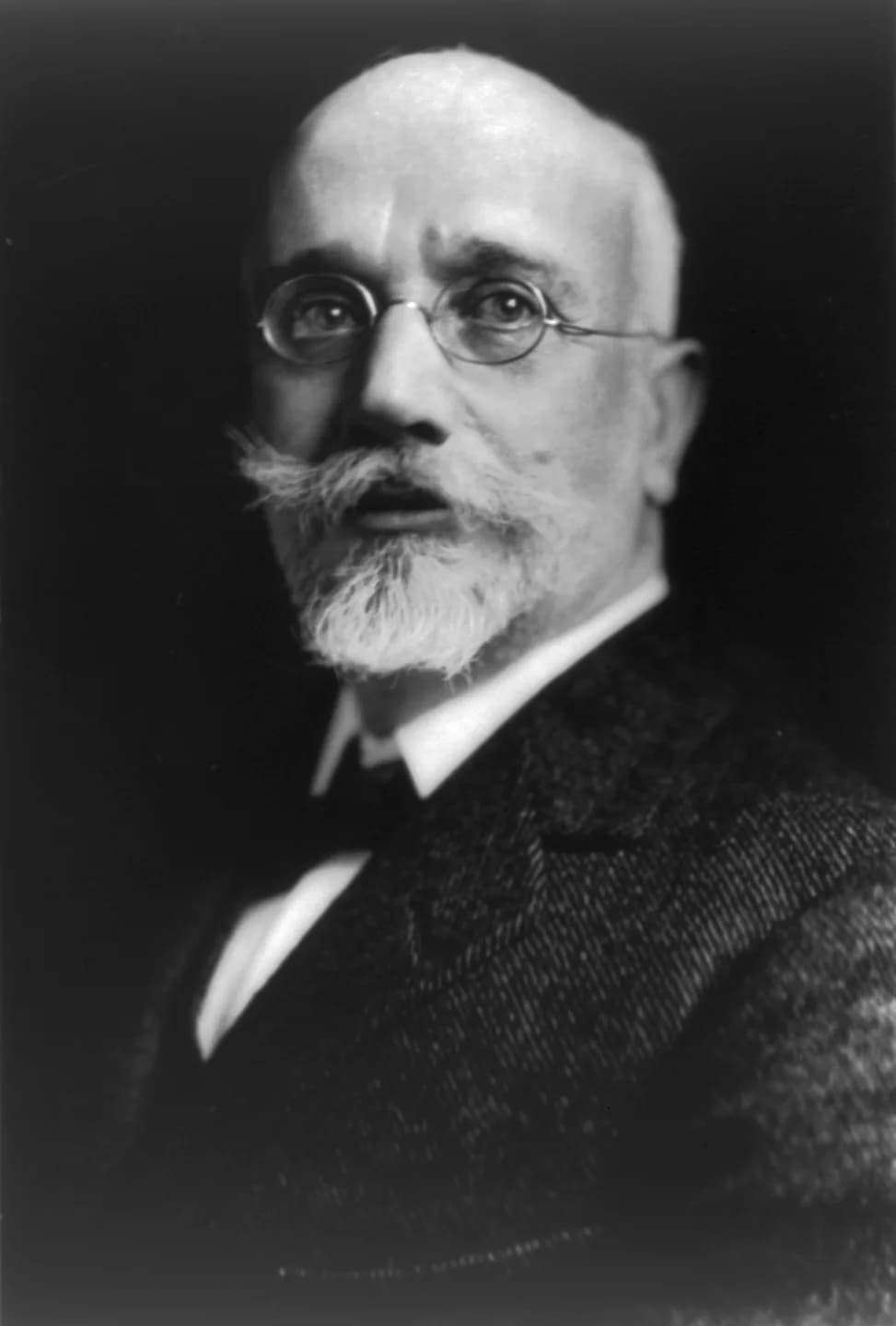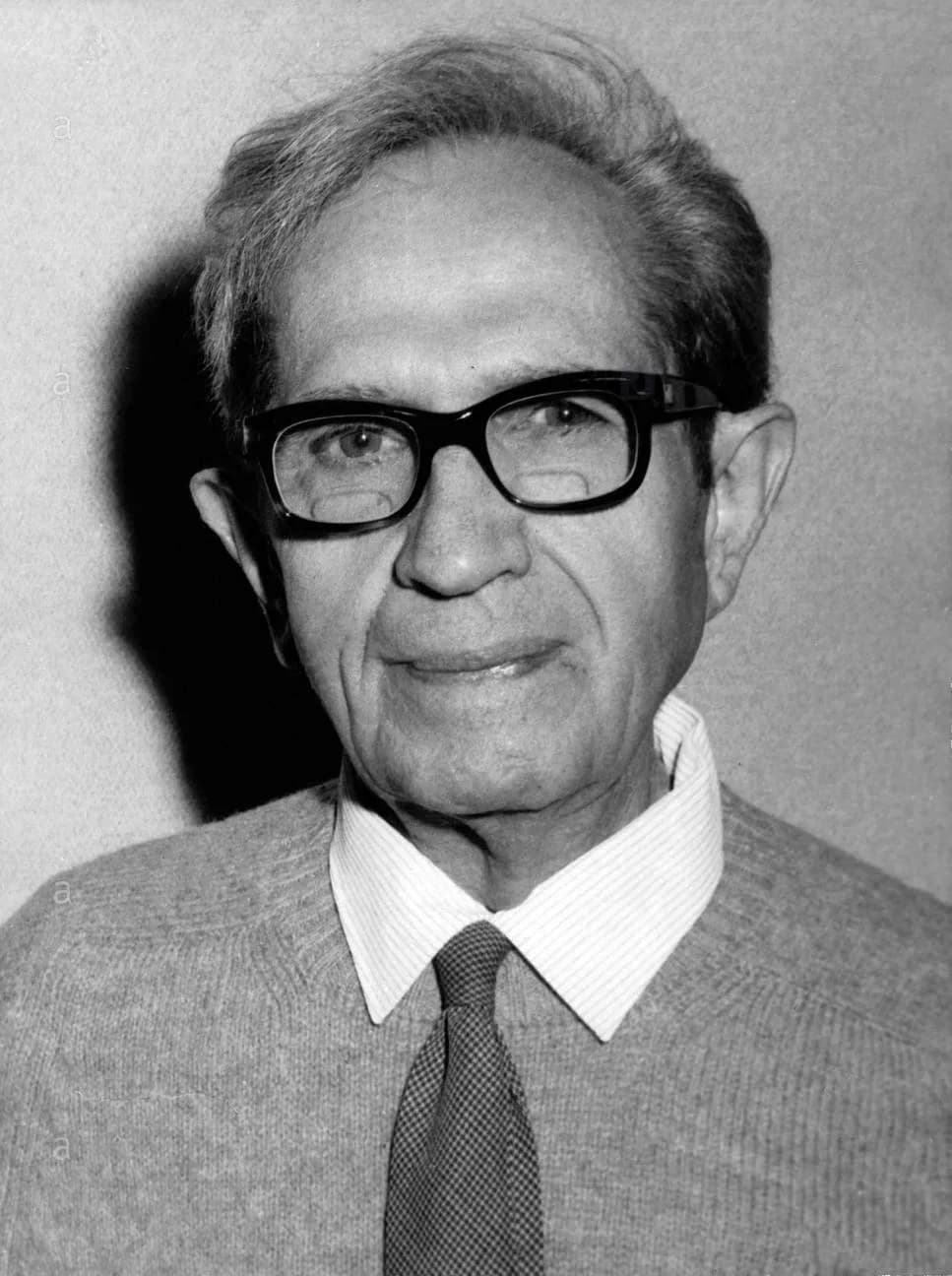
誕生
August 23, 1898
Neufchâteau, Belgium
永眠
May 22, 1983
Brussels metropolitan area, Belgium
知られていること
Belgian-American cell biologist
Albert Claude (1898–1983) was Belgium best known for Belgian-American cell biologist.
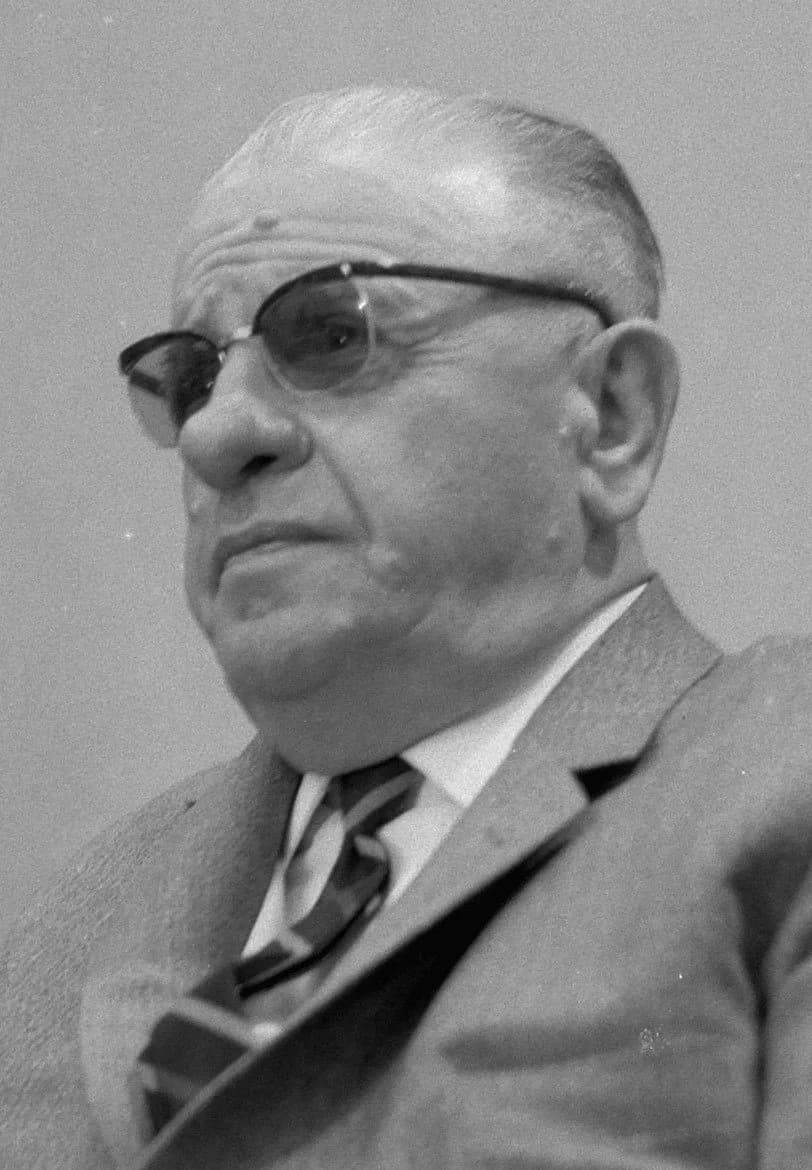
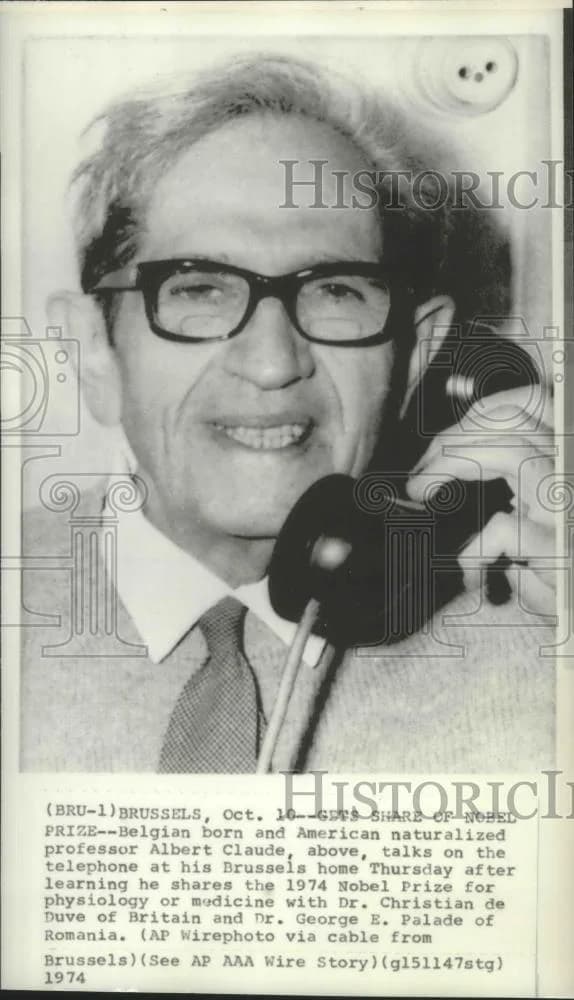
Albert Claude (August 23, 1898 – May 22, 1983) was a Belgian-American cell biologist, physician, and chemist. He shared the 1974 Nobel Prize in Physiology or Medicine for his discoveries concerning the structural and functional organization of the cell. His development of cell fractionation and use of the electron microscope were pivotal to understanding cellular architecture.
瞬間の中の人生
人生を形作った瞬間
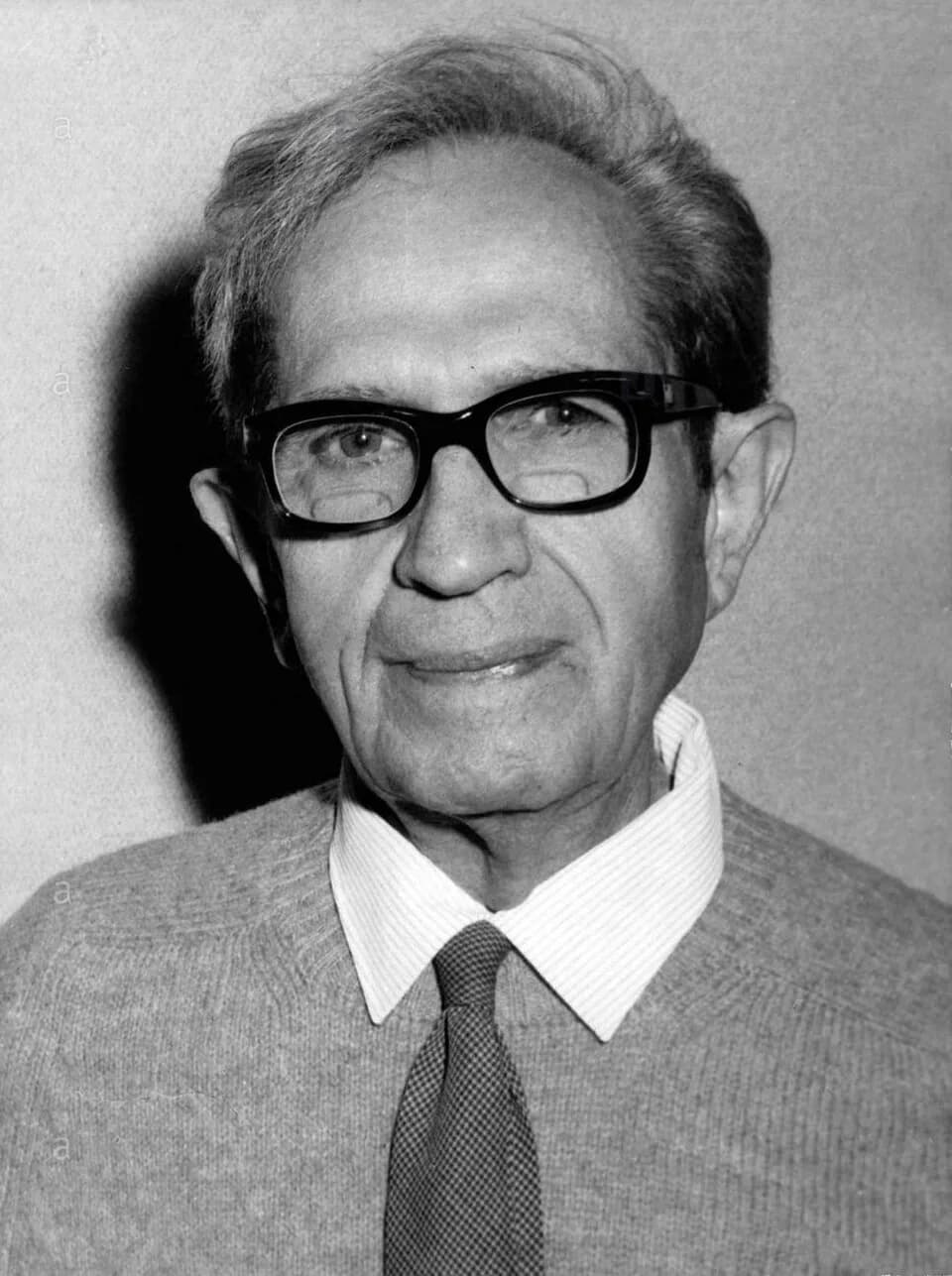
第0章
人生の章
第1章 · 1898年· 全6章中第1章
Early Life and Origins
Born on August 23, 1898, in Neufchâteau, Belgium, Albert Claude's elementary education commenced at a comprehensive primary school in Longlier, which was his birthplace. His early life was marked by significant global events, including the First World War. During this conflict, he bravely served in the British Intelligence Service, a period which led to his imprisonment in concentration camps on two separate occasions.
In recognition of his wartime service, Albert Claude received a special opportunity to enroll at the University of Liège in Belgium. This enrollment permitted him to study medicine without the formal education typically required for the demanding course of study. He diligently pursued his medical degree, successfully earning his Doctor of Medicine in 1928, marking the completion of his foundational academic journey.
第2章· 全6章中第2章
Career Beginnings
Devoted to medical research from the outset, Albert Claude initially sought opportunities within German institutes in Berlin immediately following his medical studies. These early engagements provided him with valuable experience and a platform to begin his scientific investigations. However, a significant opportunity arose shortly thereafter that would redefine his research trajectory.
In 1929, Albert Claude found a crucial opening to join the prestigious Rockefeller Institute in New York. This move to the United States proved to be a turning point in his career, providing him with the resources and environment necessary to pursue his ambitious research questions. It was at Rockefeller University that he would make his most significant and lasting achievements in the field of cell biology, setting the stage for his revolutionary discoveries.
第3章 · 1930年· 全6章中第3章
Major Achievements and Career Highlights
Albert Claude's time at Rockefeller University yielded a series of remarkable breakthroughs that forever changed cell biology. In 1930, he developed the highly effective technique of cell fractionation, a method that allowed scientists to separate and study the different components of a cell. This innovative technique became indispensable for understanding cellular structure.
Through cell fractionation, Claude made several key discoveries, including isolating the agent responsible for the Rous sarcoma, a type of cancer. He also successfully identified and characterized various essential cell organelles, such as the mitochondrion, chloroplast, endoplasmic reticulum, Golgi apparatus, ribosome, and lysosome. These identifications were critical steps in mapping the internal architecture of cells.
A further testament to his pioneering spirit, Albert Claude was the first scientist to successfully employ the electron microscope in the field of biology. This cutting-edge technology allowed him to visualize cellular structures with unprecedented detail, a capability that revolutionized microscopy. In 1945, he published the first detailed structure of a cell, a landmark achievement that provided a comprehensive view of its complex organization. His collective works culminated in him sharing the Nobel Prize in Physiology or Medicine in 1974 with Christian de Duve and George Emil Palade, awarded for their discoveries concerning the structural and functional organization of the cell.
第4章· 全6章中第4章
Notable Works or Contributions
Albert Claude's scientific contributions are defined by specific methodological and observational advancements that laid the groundwork for modern cellular and molecular biology. His development of the cell fractionation technique allowed researchers to isolate and study organelles, essentially providing the tools to dismantle the cell and examine its individual working parts. This method was crucial for the subsequent identification of various intracellular components.
Among his most significant discoveries enabled by this technique was the isolation of key cell organelles like the mitochondrion, known as the cell's powerhouses, and the chloroplast, vital for photosynthesis in plants. He also identified the endoplasmic reticulum, the Golgi apparatus, ribosomes, and lysosomes, each playing distinct roles in cellular function. These observations provided empirical evidence for the existence and functions of these previously theoretical or poorly understood structures.
Beyond fractionation, his foresight in applying the newly developed electron microscope to biological specimens was transformative. This innovation allowed for the visualization of ultra-structures within cells, providing direct visual evidence for the components identified through biochemical methods. His 1945 publication, detailing the comprehensive structure of the cell, was a foundational text, offering the first truly detailed morphological description that integrated the knowledge gained from both biochemical separation and high-resolution imaging.
第5章 · 1974年· 全6章中第5章
Later Years
The awarding of the Nobel Prize in Physiology or Medicine in 1974 marked a crowning achievement in Albert Claude's distinguished career, formally recognizing the profound impact of his work on cellular biology. This prestigious award acknowledged decades of meticulous research and groundbreaking discoveries that had reshaped scientific understanding. While the specific details of his later professional activities are not extensively documented in the provided information, the Nobel Prize celebrated the culmination of his most significant scientific contributions.
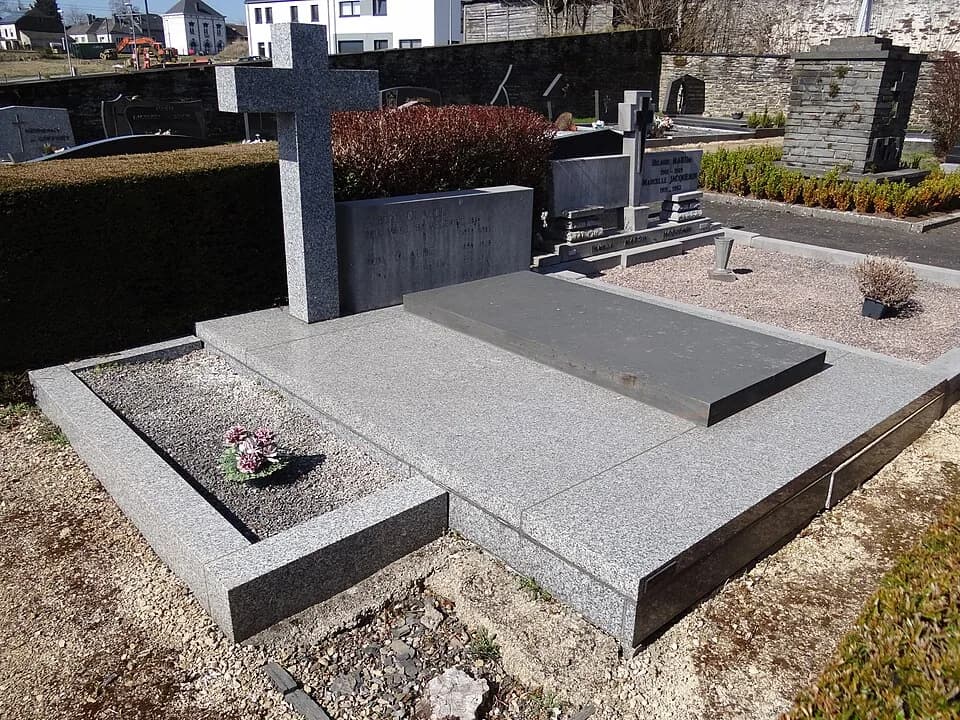
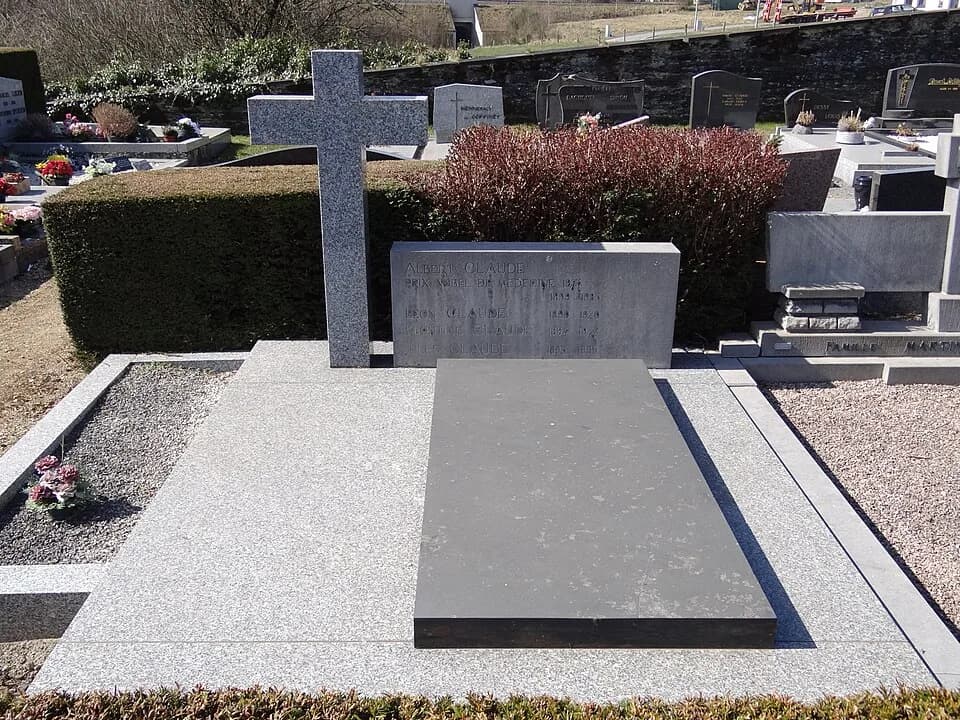
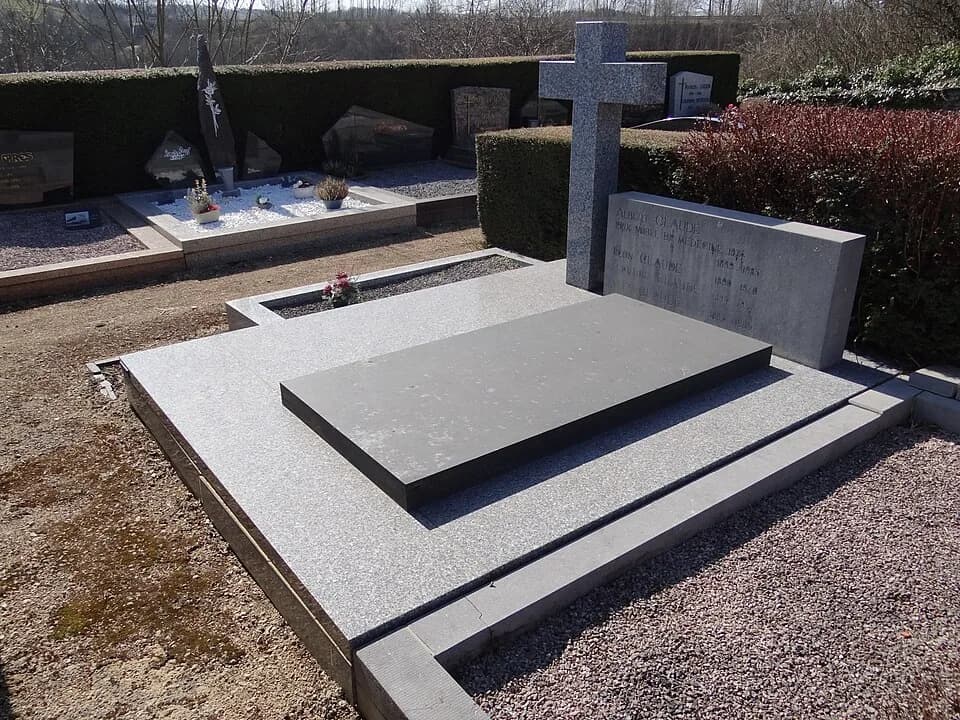
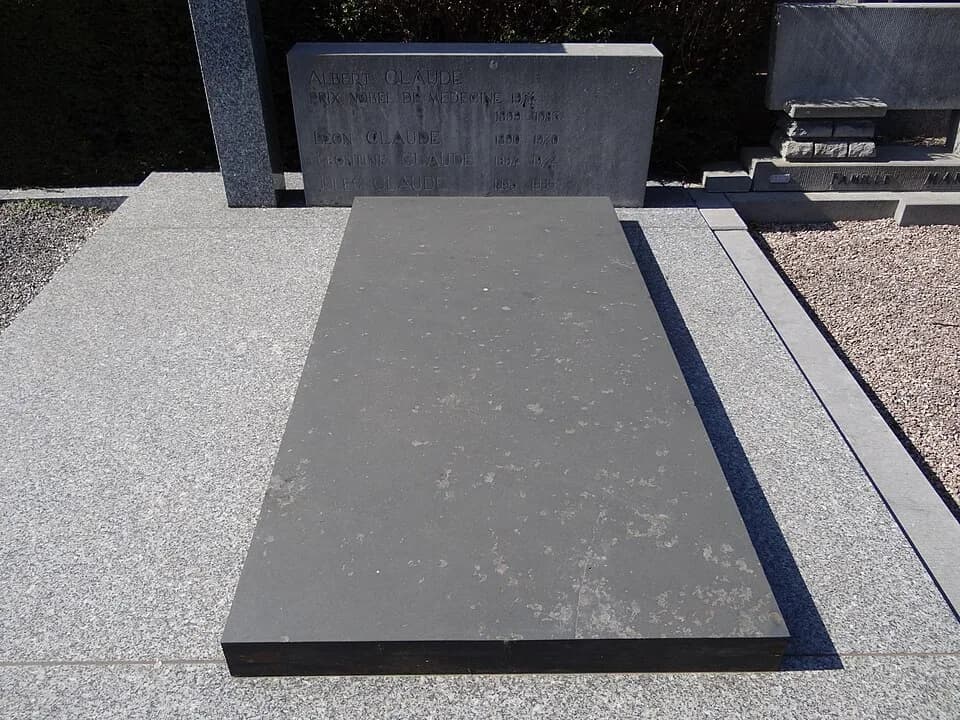
Albert Claude passed away on May 22, 1983, in the Brussels metropolitan area, Belgium, at the age of 84. His life spanned a period of immense scientific advancement, and he remained active in contributing to and shaping the field of cell biology for many decades. His passing marked the end of an era for a true pioneer in biological research.
第6章· 全6章中第6章
Legacy and Impact
Albert Claude's work left an enduring legacy that continues to influence cell biology today. His pioneering efforts established the complex functional and structural properties of cells, moving scientific understanding beyond a generalized view to a detailed appreciation of intracellular organization. The techniques he developed and the organelles he identified are fundamental concepts taught in biology curricula worldwide.
The advent of cell fractionation and the application of the electron microscope to biological studies, both championed by Claude, opened entirely new avenues for research. These methods allowed future generations of scientists to further explore the molecular intricacies of cellular life, leading to countless subsequent discoveries in biochemistry, genetics, and medicine. His visionary approach provided essential tools and knowledge that continue to drive scientific inquiry into the fundamental units of life.
FAQ
よくある質問
Albert Claudeはいつ亡くなりましたか?
Albert Claudeは1983年5月22日にBrussels metropolitan area, Belgiumで亡くなりました(享年84歳)。
Albert Claudeはどこで生まれましたか?
Albert Claudeは1898年8月23日にNeufchâteau, Belgiumで生まれました。
Albert Claudeは何で最もよく知られていますか?
Albert ClaudeはBelgian-American cell biologistで最もよく知られています。
Albert Claudeは何歳で亡くなりましたか?
Albert Claudeは亡くなった時84歳でした。
Albert Claudeの国籍はどこですか?
Albert ClaudeはBelgiumの出身です。
年表
人生の概要
写真ギャラリー
写真の中の人生
ポラロイドをクリックして拡大 · 25枚の写真
QRコード
この経歴を共有
印刷して共有
スキャンしてこの経歴ページを訪問。イベント、展示会、教育資料に印刷してご利用ください。