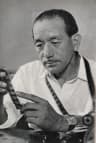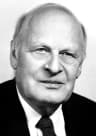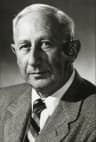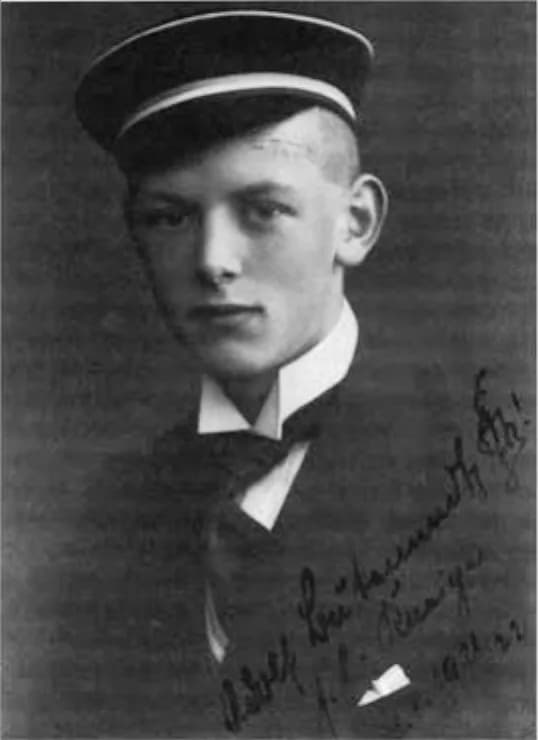
誕生
March 24, 1903
Bremerhaven, Germany
永眠
January 18, 1995
Munich, Germany
知られていること
German biochemist
Adolf Butenandt (1903–1995) was Germany best known for German biochemist.
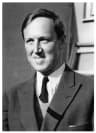
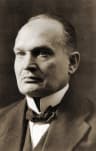
Adolf Friedrich Johann Butenandt (1903–1995) was a German biochemist from Bremerhaven who revolutionized our understanding of hormones and chemical communication. He won the Nobel Prize in Chemistry in 1939 for his work on sex hormones and discovered bombykol, the first identified sex pheromone. His research laid the foundation for modern endocrinology and chemical ecology.
第0章
人生の章
第1章 · 1903年· 全6章中第1章
Early Life and Origins
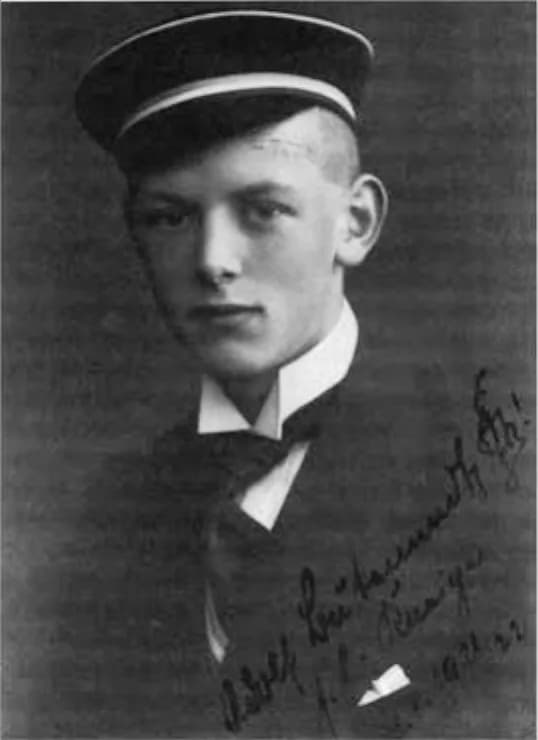
Adolf Butenandt was born on March 24, 1903, in the coastal city of Bremerhaven, Germany. Growing up in this maritime environment, he developed an early fascination with the natural world that would later guide his scientific pursuits. His formative years coincided with a period of rapid scientific advancement in Germany, where chemistry and biochemistry were experiencing remarkable growth. The young Butenandt showed exceptional academic promise from an early age, displaying a particular aptitude for the sciences that would define his future career.
His educational journey led him to pursue studies in chemistry at German universities, where he encountered the emerging field of biochemistry. During this time, Germany was at the forefront of chemical research, providing Butenandt with access to cutting-edge knowledge and methodologies. The rigorous academic environment of German universities shaped his analytical approach and methodical research style, characteristics that would serve him throughout his distinguished career.
第2章· 全6章中第2章
Career Beginnings
Butenandt's professional career began in the emerging field of biochemistry during the 1920s and early 1930s, a time when the chemical nature of biological processes was still largely mysterious. His early research focused on understanding the chemical composition and structure of biological compounds, particularly those involved in fundamental life processes. The precision and innovation of his early work quickly established him as a rising star in the German scientific community.
His initial investigations centered on the chemical analysis of compounds extracted from biological sources. Using the analytical techniques available at the time, Butenandt developed new methods for isolating and identifying complex biological molecules. These early experiences with chemical isolation and structural determination provided him with the technical expertise that would prove essential for his later breakthrough discoveries in hormone research.
第3章 · 1939年· 全6章中第3章
Major Achievements and Career Highlights
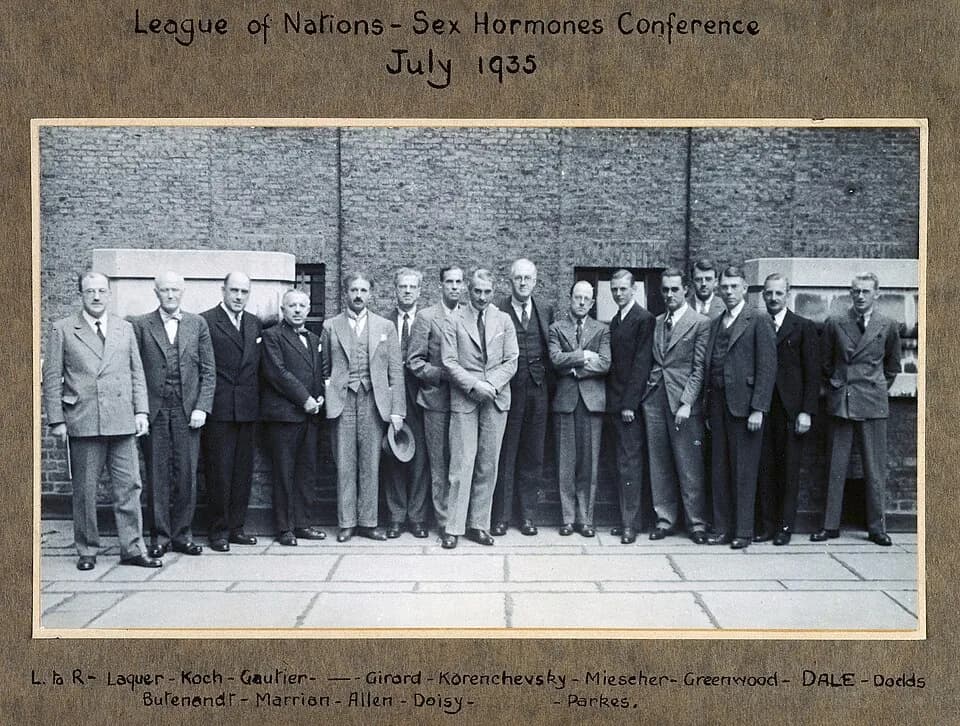
Butenandt's most significant scientific contribution was his groundbreaking work on sex hormones, research that earned him the Nobel Prize in Chemistry in 1939. His investigations revealed the chemical structures of several important hormones and demonstrated how these molecules function in biological systems. The Nobel Committee recognized his work as fundamental to understanding human biology and reproduction, though political circumstances prevented him from accepting the award until 1949, four years after World War II ended.
Beyond his Nobel Prize-winning research, Butenandt made another remarkable discovery in 1959 when he became the first scientist to identify the structure of a sex pheromone. Working with silkworms, he isolated and characterized bombykol, the chemical compound that female silkworms use to attract mates. This discovery opened an entirely new field of research into chemical communication between organisms, demonstrating that his scientific curiosity extended far beyond human biochemistry.
From 1960 to 1972, Butenandt served as President of the Max Planck Society, one of Germany's most prestigious scientific organizations. In this leadership role, he guided German scientific research during a critical period of post-war reconstruction and international reintegration. His administrative skills and scientific reputation helped restore Germany's position in the international scientific community while fostering new generations of researchers.
第4章· 全6章中第4章
Notable Works and Contributions
Butenandt's scientific output was both prolific and impactful, with 216 published papers that earned him an h-index of 34. Among his most significant publications was "Kynurenin als Augenpigmentbildung auslösendes Agens bei Insekten," which received 33 citations and demonstrated his interest in insect biochemistry. His work "Zur Biologie und Chemie der Sexualhormone" provided comprehensive insights into the biology and chemistry of sex hormones, contributing 6 citations to the scientific literature.
His research paper "Ergebnisse und Probleme in der biochemischen Erforschung der Keimdrüsenhormone" explored results and problems in the biochemical investigation of gonadal hormones, earning 4 citations from fellow researchers. Another notable publication, "Über die Einwirkung von Colibakterien auf Dehydronorcholen," investigated the effects of coliform bacteria on dehydronorcholen, receiving 3 citations. These publications demonstrate the breadth of his research interests, spanning human hormones, insect biochemistry, and bacterial interactions.
第5章 · 1972年· 全6章中第5章
Later Years and Continued Impact
Following his tenure as President of the Max Planck Society in 1972, Butenandt continued his scientific work while taking on more of a mentoring role for younger researchers. His later years were marked by reflection on the rapid advances in biochemistry and molecular biology that his early work had helped inspire. The techniques and principles he had established decades earlier were being applied to increasingly sophisticated investigations of biological systems.
Throughout the 1980s and early 1990s, Butenandt remained active in the scientific community, attending conferences and maintaining correspondence with researchers worldwide. His insights into the historical development of biochemistry proved valuable to science historians and contemporary researchers alike. He witnessed the emergence of molecular biology as a dominant force in biological research, seeing how his foundational work on hormone structure and function had evolved into more complex studies of gene regulation and cellular communication.
第6章 · 1995年· 全6章中第6章
Legacy and Impact
Adolf Butenandt passed away on January 18, 1995, in Munich, Germany, leaving behind a scientific legacy that continues to influence biochemistry and molecular biology today. His pioneering research on sex hormones laid the groundwork for modern endocrinology and reproductive medicine, while his discovery of bombykol opened new avenues for understanding chemical communication in nature. The methodologies he developed for isolating and characterizing biological compounds became standard practices in biochemical research.
His leadership of the Max Planck Society during a crucial period helped restore Germany's scientific reputation and fostered international collaboration in research. The researchers he mentored and the institutional frameworks he helped establish continued to produce important scientific discoveries long after his retirement. Today, Butenandt's work is remembered not only for its immediate contributions to science but also for demonstrating how careful, methodical research can reveal the fundamental chemical basis of life processes.
瞬間の中の人生
人生を形作った瞬間
FAQ
よくある質問
Adolf Butenandtはいつ亡くなりましたか?
Adolf Butenandtは1995年1月18日にMunich, Germanyで亡くなりました(享年91歳)。
Adolf Butenandtはどこで生まれましたか?
Adolf Butenandtは1903年3月24日にBremerhaven, Germanyで生まれました。
Adolf Butenandtは何で最もよく知られていますか?
Adolf ButenandtはGerman biochemistで最もよく知られています。
Adolf Butenandtは何歳で亡くなりましたか?
Adolf Butenandtは亡くなった時91歳でした。
Adolf Butenandtの国籍はどこですか?
Adolf ButenandtはGermanyの出身です。
写真ギャラリー
写真の中の人生
ポラロイドをクリックして拡大 · 48枚の写真
QRコード
この経歴を共有
印刷して共有
スキャンしてこの経歴ページを訪問。イベント、展示会、教育資料に印刷してご利用ください。