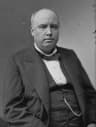
誕生
August 11, 1926
Želva, Lithuania
永眠
November 20, 2018
Cambridge, United Kingdom
知られていること
British chemist and biophysicist
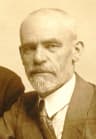
Aaron Klug (1926–2018) was Lithuania best known for British chemist and biophysicist.
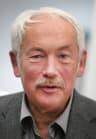
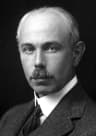
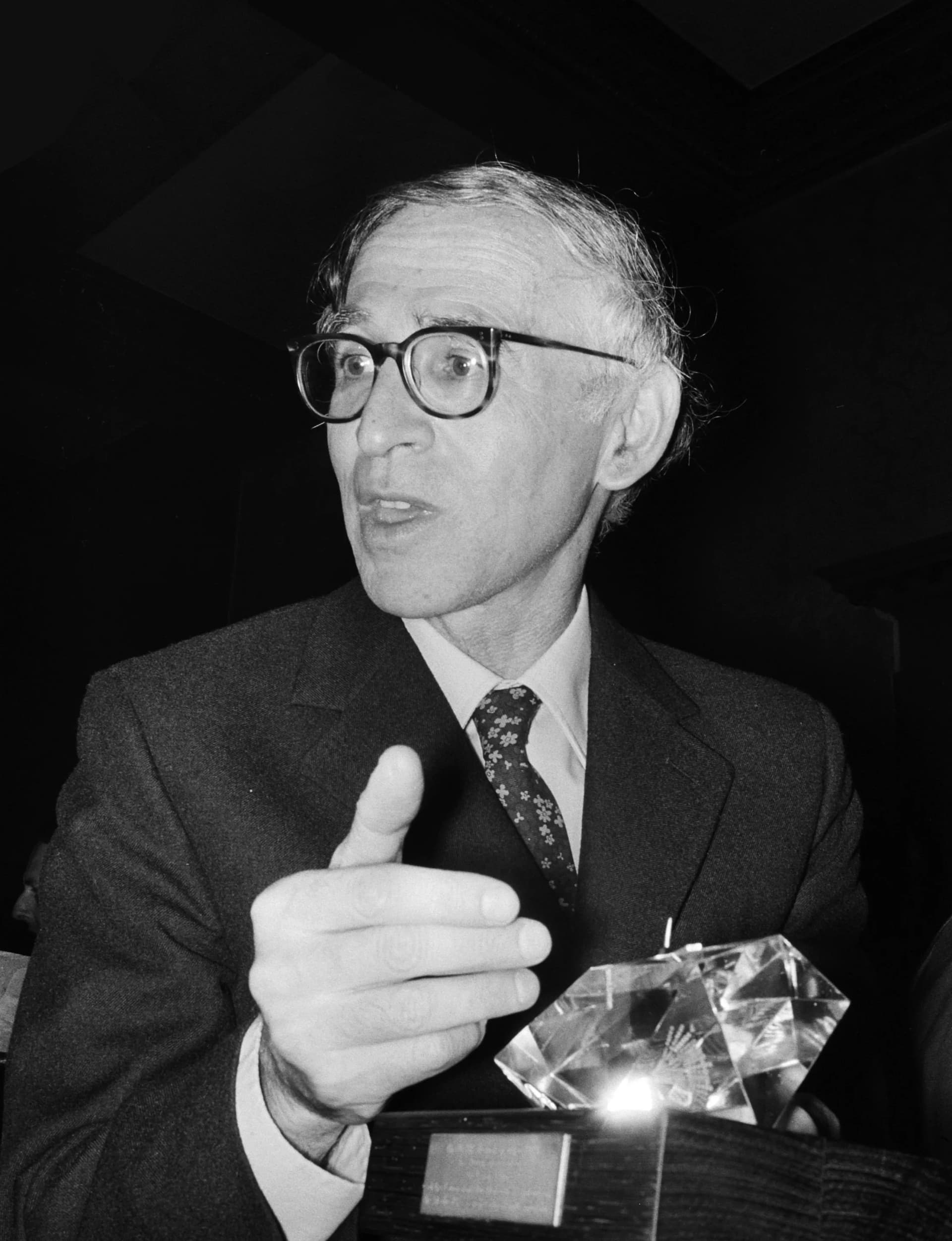
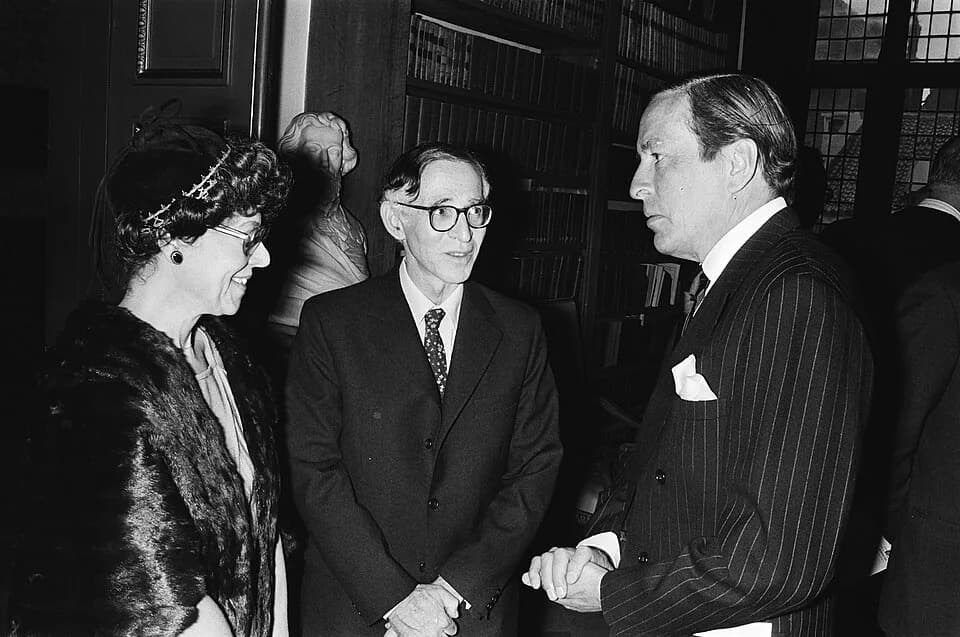
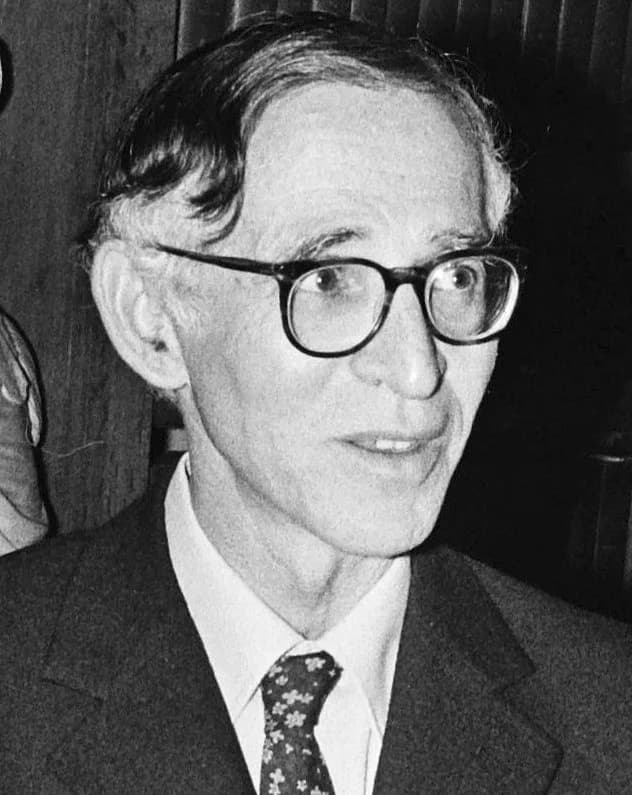
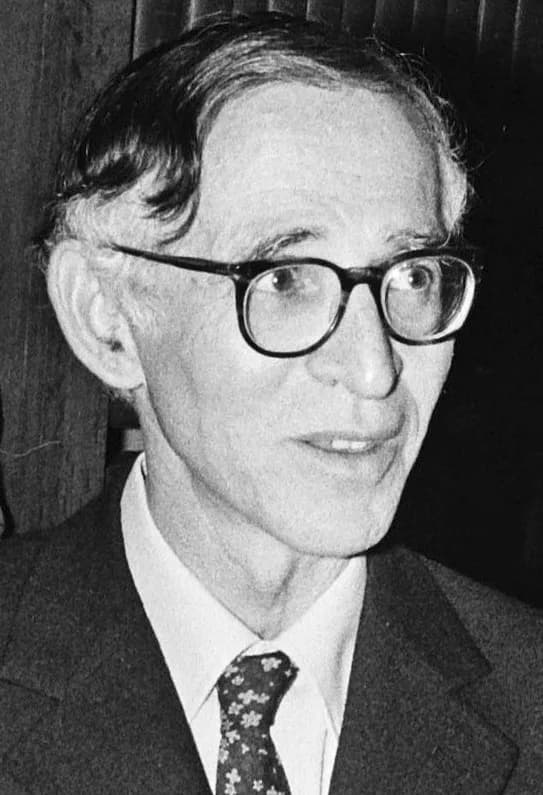
Aaron Klug (August 11, 1926 – November 20, 2018) was a British chemist and biophysicist. He received the 1982 Nobel Prize in Chemistry for developing crystallographic electron microscopy. His work significantly advanced the structural understanding of nucleic acid-protein complexes.
第0章
人生の章
第1章 · 1926年· 全7章中第1章
Early Life and Origins
Aaron Klug was born on August 11, 1926, in Želva, Lithuania. At the young age of two, his family relocated to South Africa, where he spent his formative years. This move provided the backdrop for his early education and fostered a growing curiosity in the natural world.
He pursued higher education with dedication, laying a strong foundation in chemistry and physics. These early academic experiences were crucial in shaping his unique interdisciplinary approach. His intellectual journey began in an environment that valued scientific inquiry and learning.
第2章· 全7章中第2章
Career Beginnings
Klug's early career saw him applying physical principles to biological problems. He began his research exploring fundamental aspects of molecular structures. His initial investigations often involved X-ray diffraction techniques.
These foundational studies gradually guided him towards the potential of electron microscopy. He sought to overcome the limitations of existing methods in visualizing complex biological molecules. This period marked the start of his innovative contributions to structural biology.
第3章· 全7章中第3章
Major Achievements and Career Highlights
A significant moment in Aaron Klug's career came with his development of crystallographic electron microscopy. This method allowed scientists to reconstruct three-dimensional images of biological structures from two-dimensional electron micrographs. It represented a major leap forward in visualizing molecules.
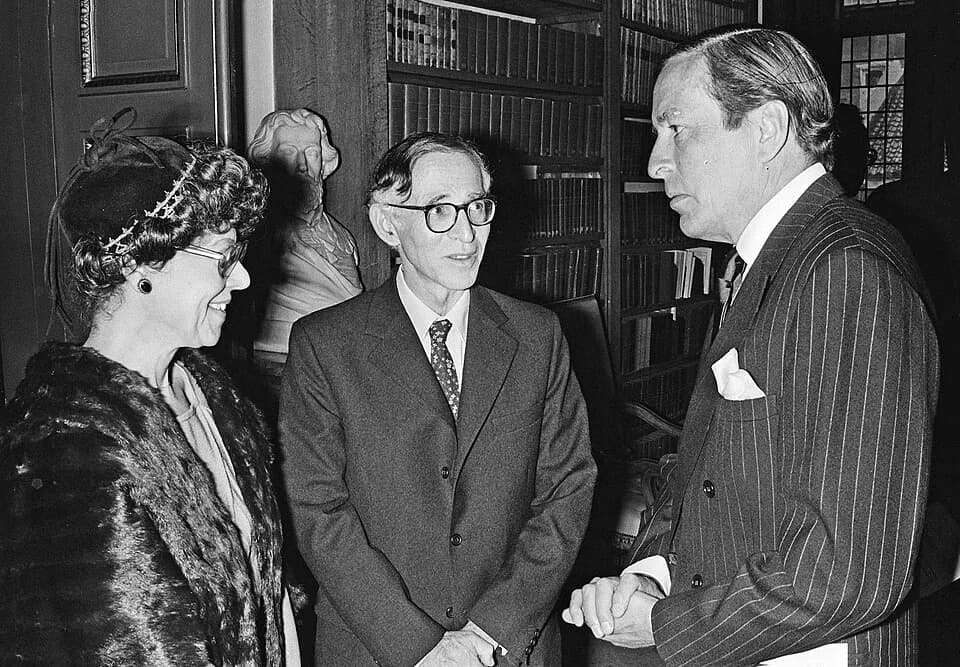
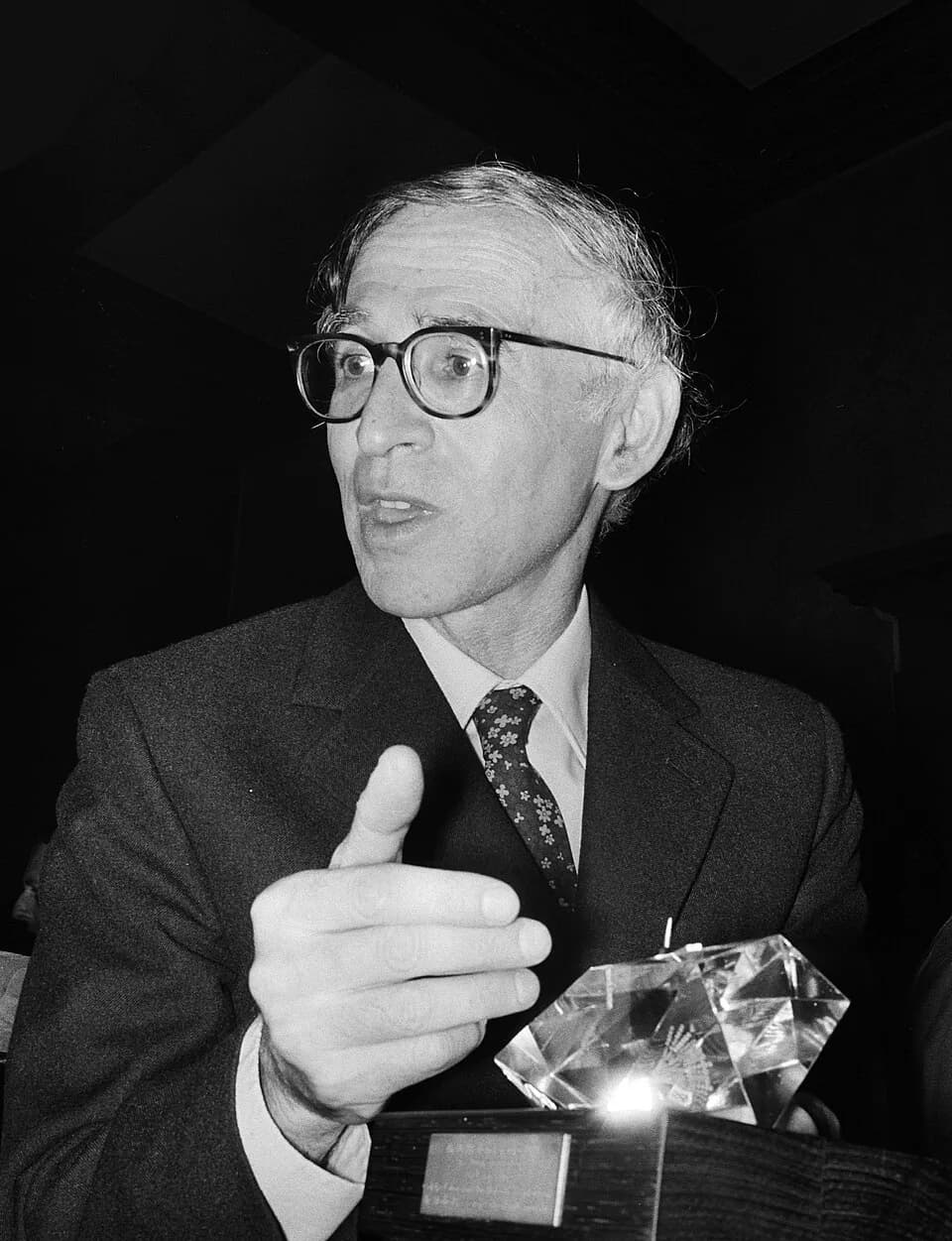
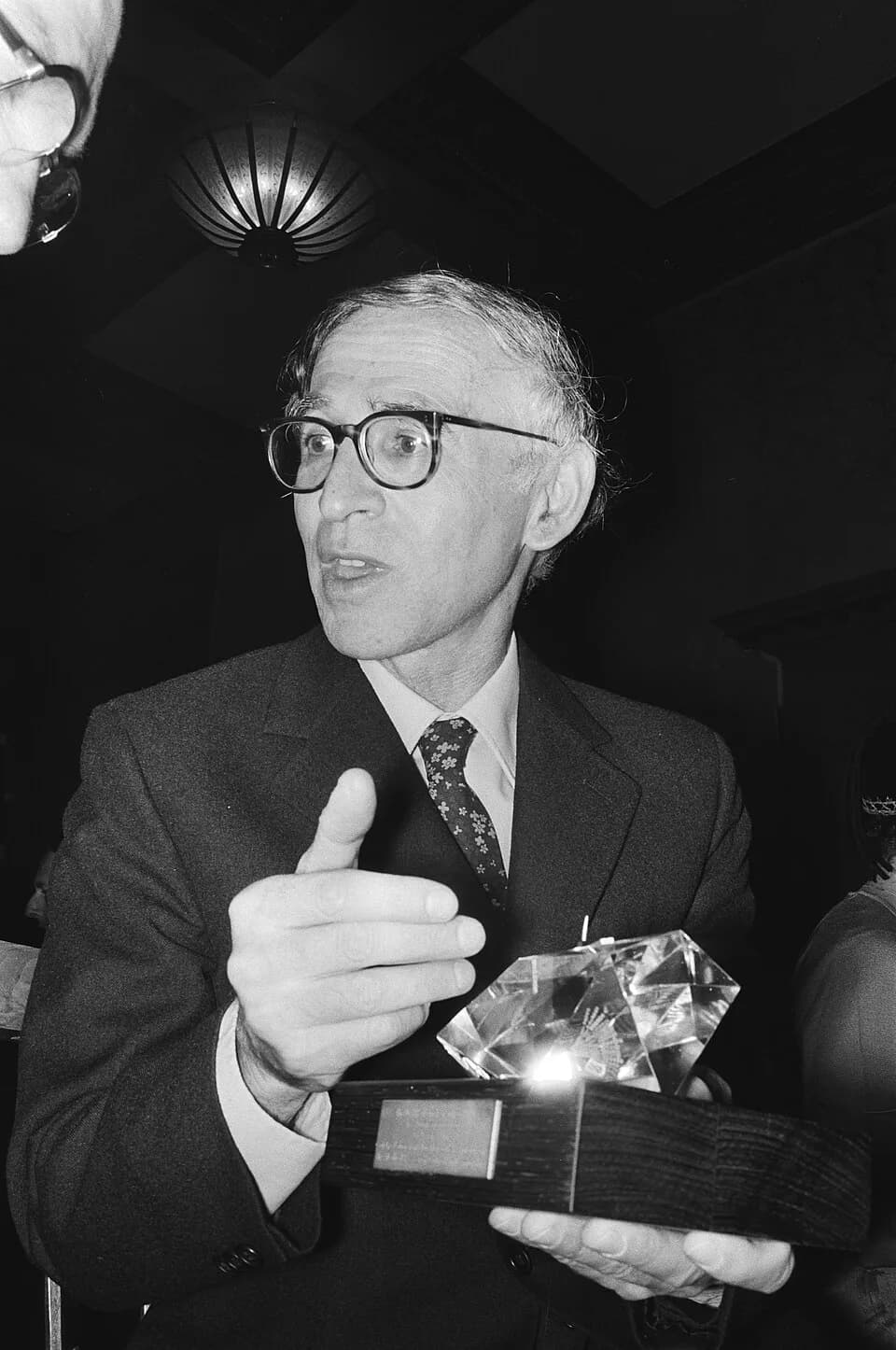
His work culminated in the 1982 Nobel Prize in Chemistry, awarded for this specific development. The prize also recognized his structural elucidation of biologically important nucleic acid-protein complexes. This research provided unprecedented insights into how these vital complexes function.
The Nobel Committee highlighted how Klug's techniques revealed the precise arrangement of atoms in these complex biological entities. This deep understanding was essential for advancements in biochemistry and molecular biology. His ability to combine physics and biology led to far-reaching discoveries.
第4章· 全7章中第4章
Personal Life
While the available information primarily details Sir Aaron Klug's extensive professional achievements, his dedication to scientific exploration was a defining characteristic. Specific details about his personal life beyond his professional endeavors are not extensively documented here. However, his life was clearly dedicated to advancing human knowledge through science.
第5章 · 1975年· 全7章中第5章
Notable Works or Contributions
Sir Aaron Klug's scientific contributions are well-represented by his published works, which provided detailed structural information about biological systems. Among his highly cited papers is "Three-dimensional image reconstructions of the contractile tail of T4 bacteriophage," published in 1975, which garnered 127 citations. This work showcased the power of his newly developed microscopy techniques.
Another significant publication, "Correlation between structural transformation and cleavage of the major head protein of T4 bacteriophage" from 1976, received 99 citations. This paper explored critical molecular processes within bacteriophages. His research consistently pushed the boundaries of what could be observed and understood at the molecular level.
His work continued to yield important insights, including "Gene 20 product of bacteriophage T4. II. Its structural organization in prehead and bacteriophage" in 1983, cited 37 times. These publications collectively illustrate his deep focus on viral structures and their assembly. He consistently provided detailed structural biology that advanced the field.
第6章· 全7章中第6章
Later Years
Even in his later years, Sir Aaron Klug continued to be an influential figure in the scientific community. He maintained an active interest in research and mentorship. His wisdom and experience were highly valued by colleagues and younger scientists alike.
Sir Aaron Klug passed away on November 20, 2018, in Cambridge, United Kingdom. His passing marked the end of a long and impactful life dedicated to science. He left behind a legacy of discovery and innovation.
第7章· 全7章中第7章
Legacy and Impact
The impact of Sir Aaron Klug's work extends far beyond his Nobel Prize. His crystallographic electron microscopy methods transformed the study of viruses and other macromolecular assemblies. Scientists gained an invaluable tool for visualizing structures that were previously invisible.
His detailed elucidation of nucleic acid-protein complexes laid foundations for understanding genetic regulation and viral replication. These insights are fundamental to modern molecular biology and drug design. Klug's contributions continue to shape research directions in structural biology worldwide.
He is remembered not only for his scientific achievements but also for his intellectual rigor and dedication to unraveling life's complexities. His name remains synonymous with clarity and precision in the visualization of biological molecules. The methods he pioneered are standard practices in many laboratories today.
瞬間の中の人生
人生を形作った瞬間
FAQ
よくある質問
Aaron Klugはいつ亡くなりましたか?
Aaron Klugは2018年11月20日にCambridge, United Kingdomで亡くなりました(享年92歳)。
Aaron Klugはどこで生まれましたか?
Aaron Klugは1926年8月11日にŽelva, Lithuaniaで生まれました。
Aaron Klugは何で最もよく知られていますか?
Aaron KlugはBritish chemist and biophysicistで最もよく知られています。
Aaron Klugは何歳で亡くなりましたか?
Aaron Klugは亡くなった時92歳でした。
Aaron Klugの国籍はどこですか?
Aaron KlugはLithuaniaの出身です。
年表
人生の概要
写真ギャラリー
写真の中の人生
ポラロイドをクリックして拡大 · 29枚の写真
QRコード
この経歴を共有
印刷して共有
スキャンしてこの経歴ページを訪問。イベント、展示会、教育資料に印刷してご利用ください。