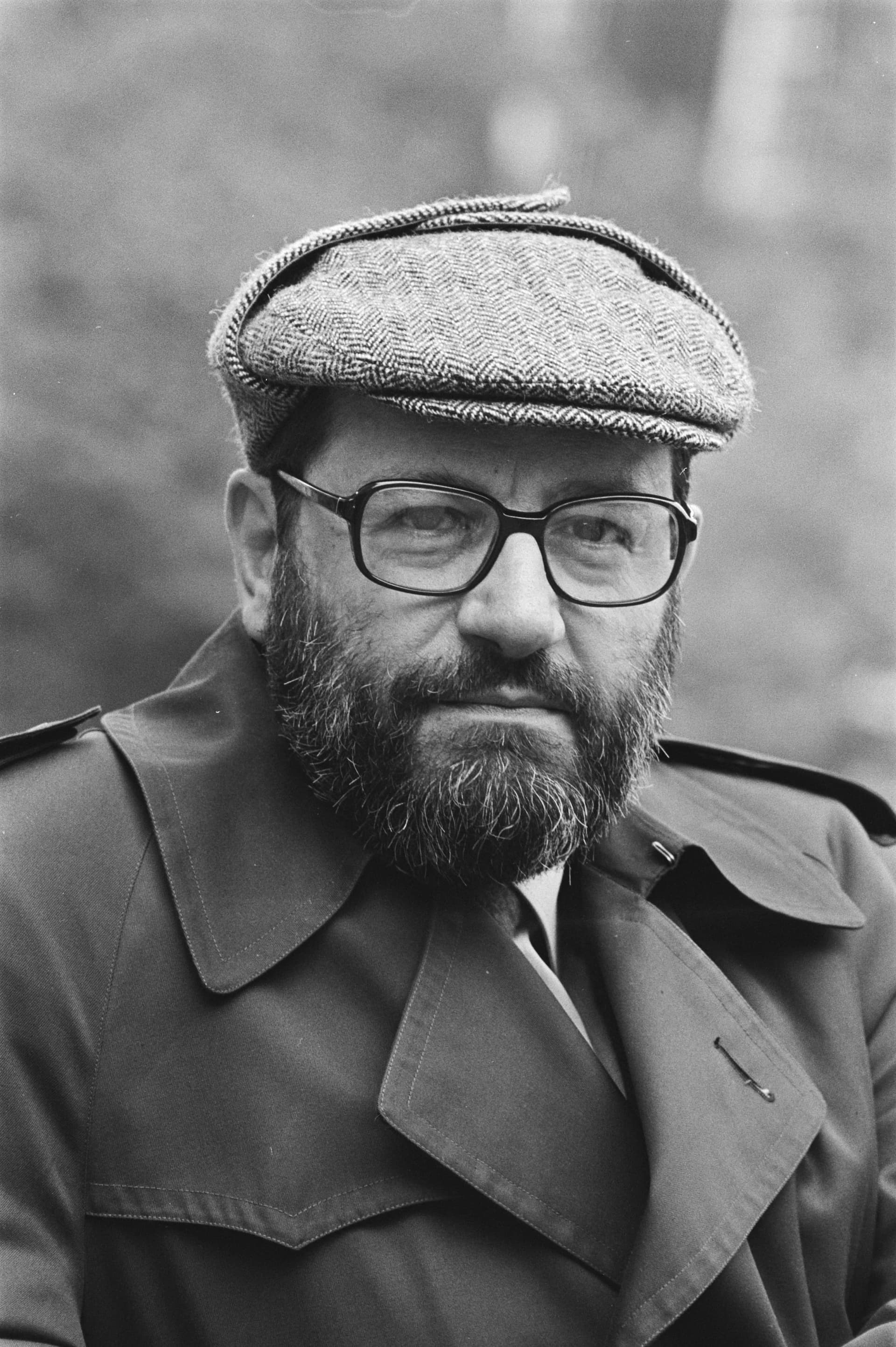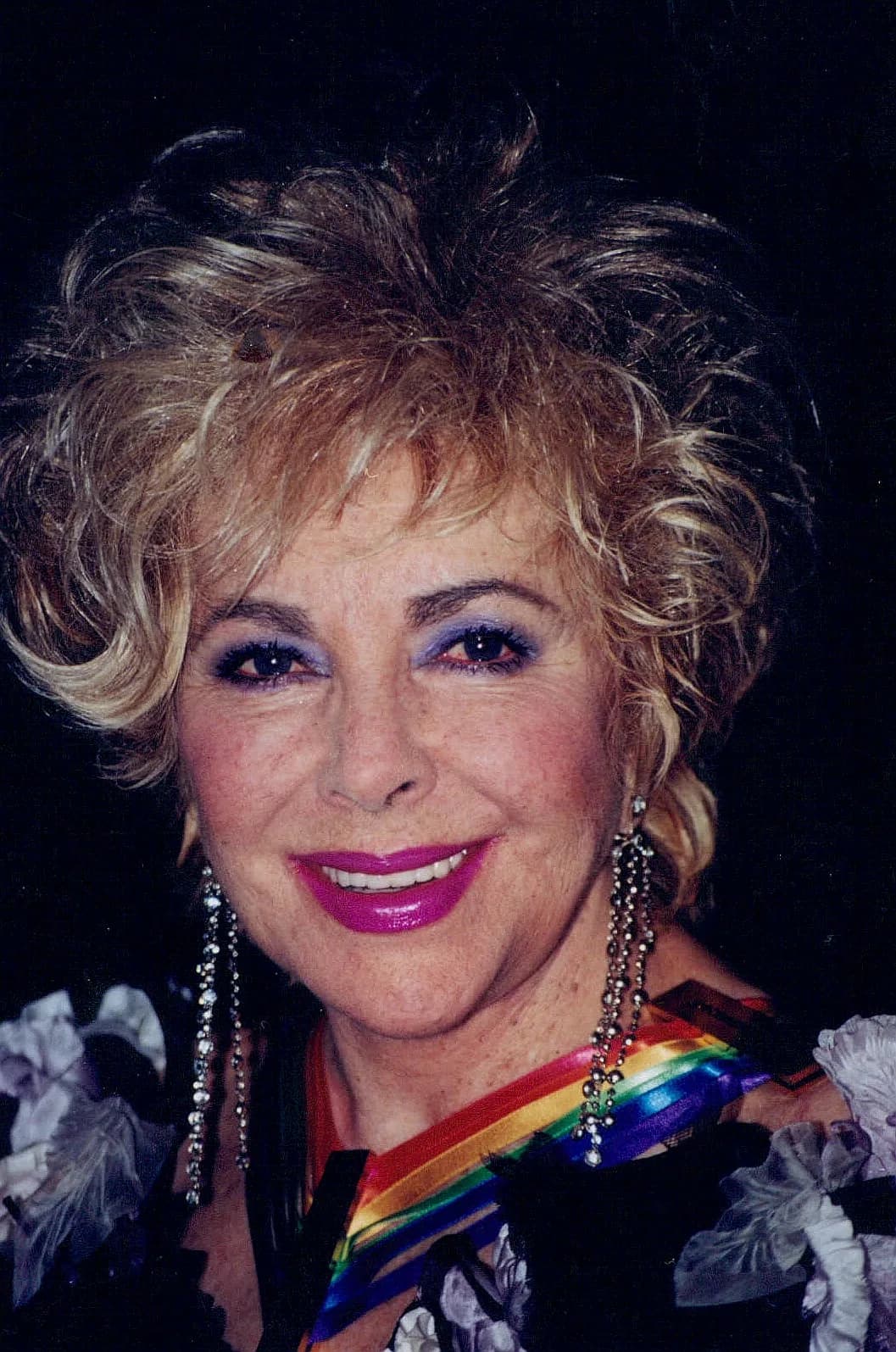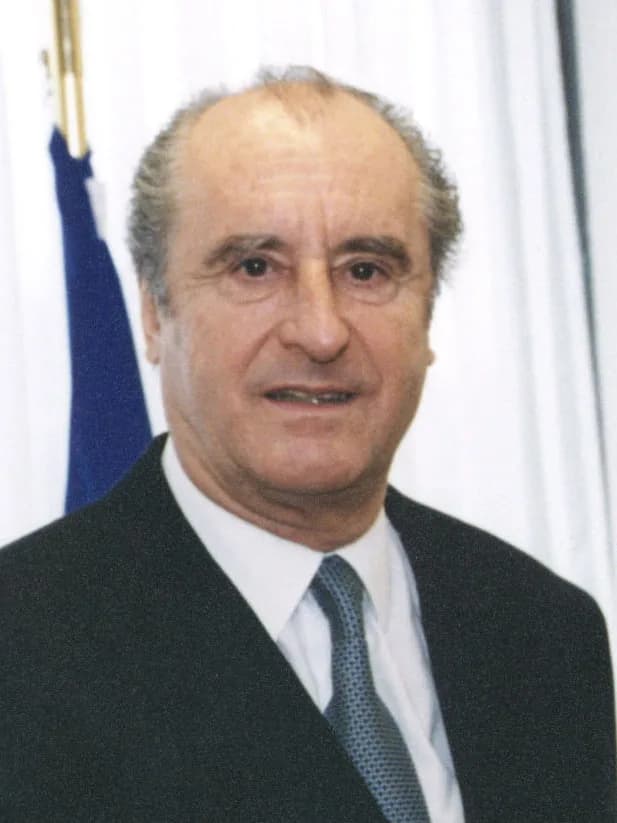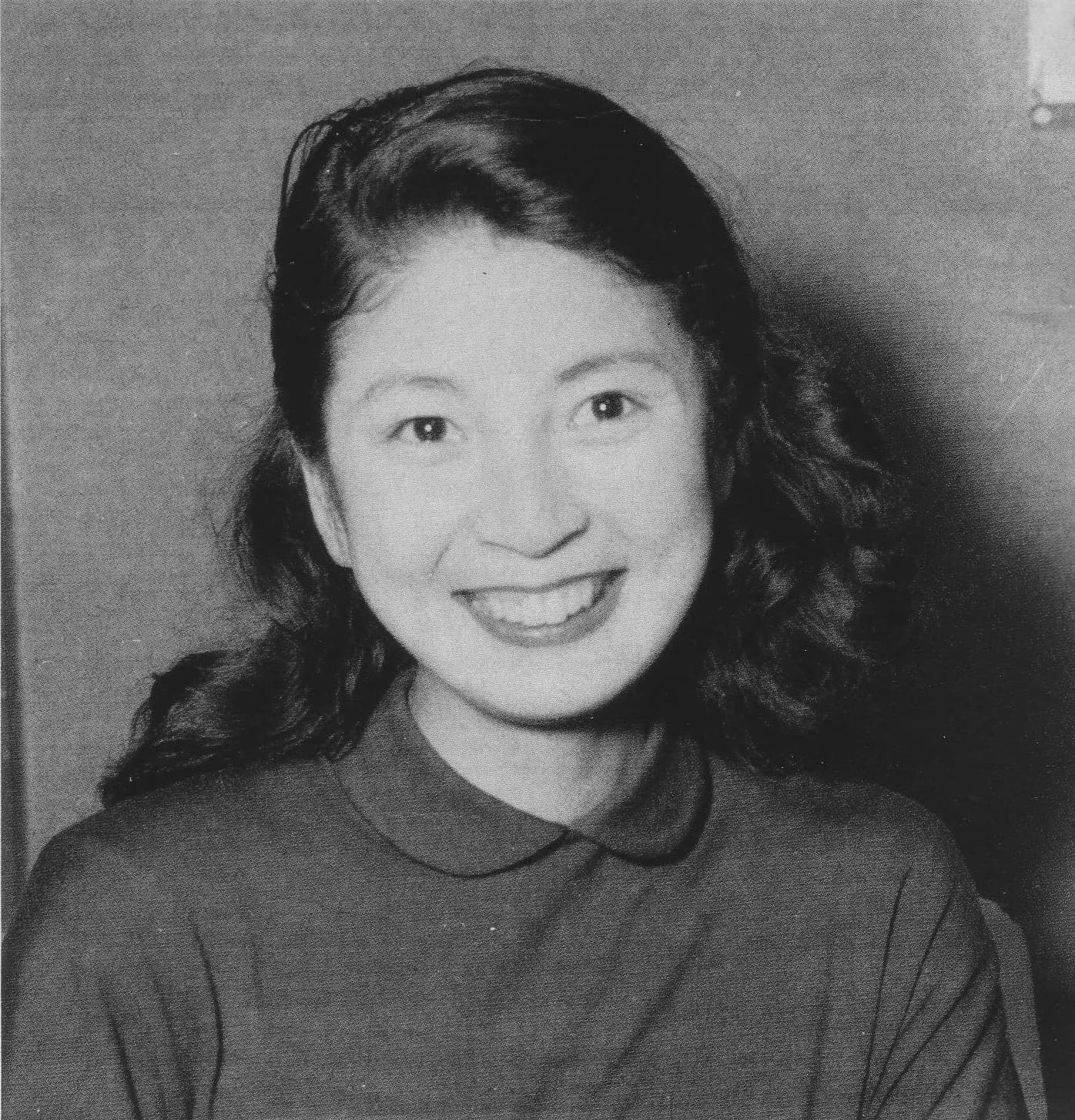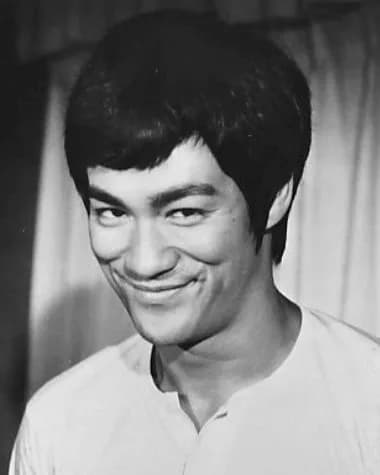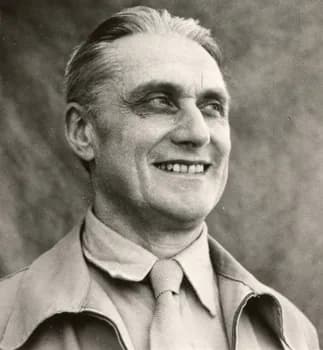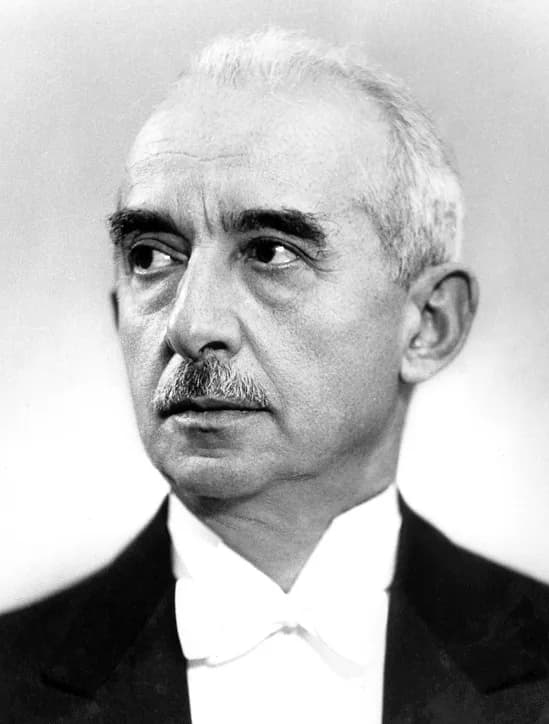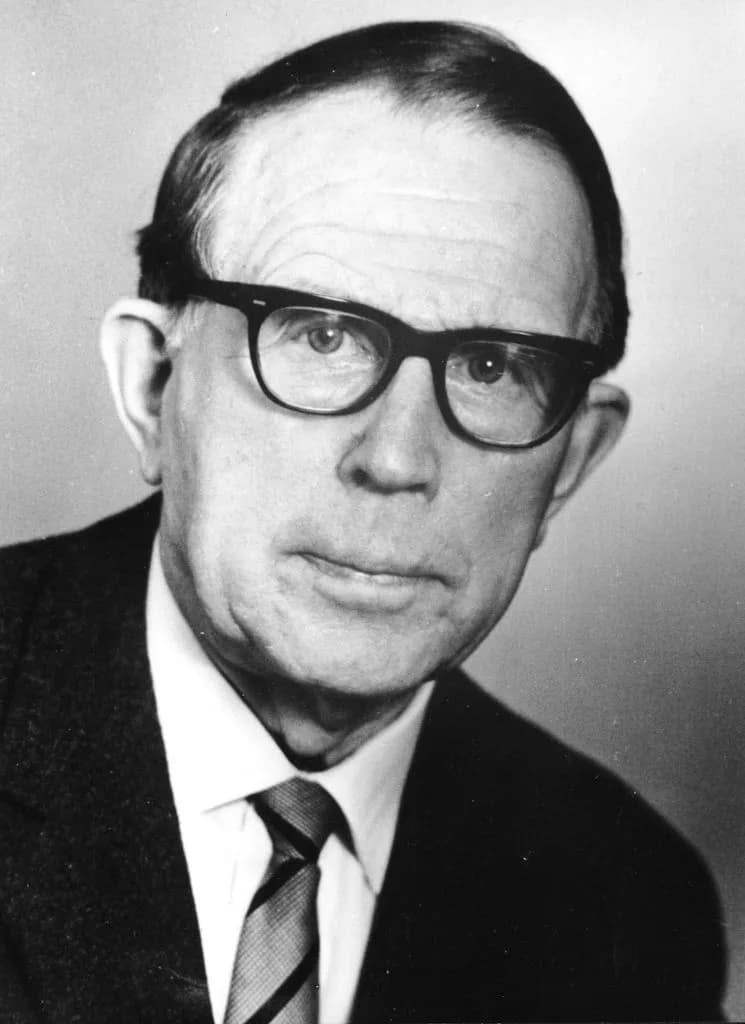
Fædd/ur
September 28, 1932
San Ignacio, Chile
Lést
September 14, 1973
Santiago, Chile
Þekkt/ur fyrir
Chilean teacher, theatre director, poet, singer-songwriter, and political activist
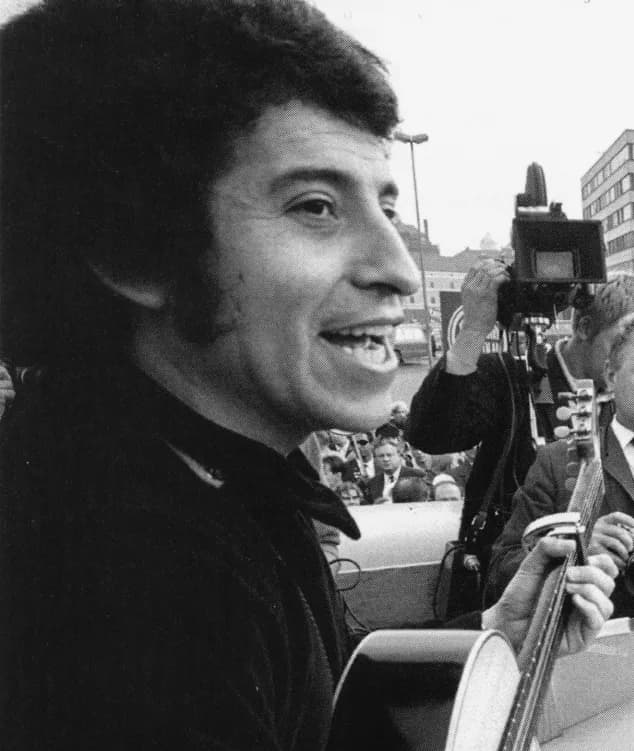
Víctor Jara (1932–1973) was Chile best known for Chilean teacher, theatre director, poet, singer-songwriter, and political activist.
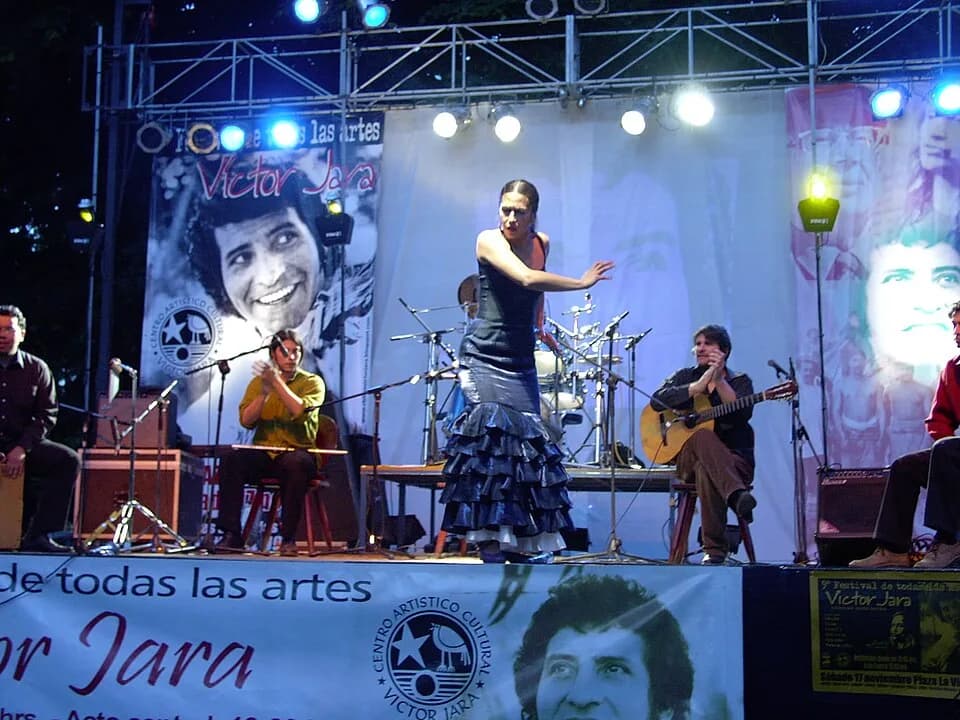
Víctor Jara (September 28, 1932 – September 14, 1973) was a Chilean teacher, theatre director, poet, singer-songwriter, and political activist. He played a pivotal role in the Nueva canción chilena movement, blending folk music with social commentary. His artistic and political legacy continues to inspire many.
Líf í augnablikum
Augnablikin sem mótuðu líf
Kafli
Kaflar lífs
Kafli 1 · 1932· Kafli 1 af 6
Early Life and Origins
Víctor Jara was born on September 28, 1932, in San Ignacio, Chile, a place that undoubtedly shaped his early experiences and connection to his country's cultural roots. While specific details of his upbringing beyond his birthplace are not provided, his journey from a rural Chilean setting to a nationally recognized artist highlights his innate talent and dedication. This background likely informed his later work as a social activist and artist, deeply connecting him to the lives of ordinary Chilean people.
Kafli 2· Kafli 2 af 6
Career Beginnings
Jara’s multifaceted career began with significant contributions to both education and the performing arts, establishing him as a teacher and theatre director. He was instrumental in developing Chilean theater, staging a broad array of works from locally produced plays to celebrated world classics. His early directorial efforts also included experimental works by playwrights such as Ann Jellicoe, showcasing a keen interest in pushing artistic boundaries and exploring new narratives.
Kafli 3 · 1966· Kafli 3 af 6
Major Achievements and Career Highlights
Víctor Jara's influence permeated several artistic disciplines, solidifying his status as a key figure in Chilean culture and a recording artist. As a theatre director, he significantly advanced Chilean theater through his versatile staging and creative direction, impacting the nation's cultural scene. Concurrently, he played a pivotal role among neo-folkloric musicians, helping to establish the Nueva canción chilena movement, which introduced new sounds and socially conscious themes into popular music during President Salvador Allende’s administration. His early albums, such as "Victor Jara" released in 1966, alongside later works like "El derecho de vivir en paz" from 1971, demonstrated his evolving musicality and commitment to songwriting that resonated deeply with the Chilean public.
Kafli 4 · 1969· Kafli 4 af 6
Notable Works or Contributions
Jara’s creative output includes a compelling discography and significant literary works, cementing his legacy as a versatile and powerful artist. His music, often categorized under nueva canción chilena and contemporary folk, profoundly captured the spirit of his time. Albums such as "Pongo en tus manos abiertas…" (1969), "Canciones folklóricas de América" (1970), and "Canto libre" (1970) are testaments to his prolific period as a singer-songwriter and guitarist. Additionally, his works like "La población" (1972) and "Canto por travesura" (1973) showcased his capacity as a lyricist and musician, while his literary contributions include notable titles like "Canto libre" and "Deja su huella en el viento."
Kafli 5 · 1973· Kafli 5 af 6
Later Years
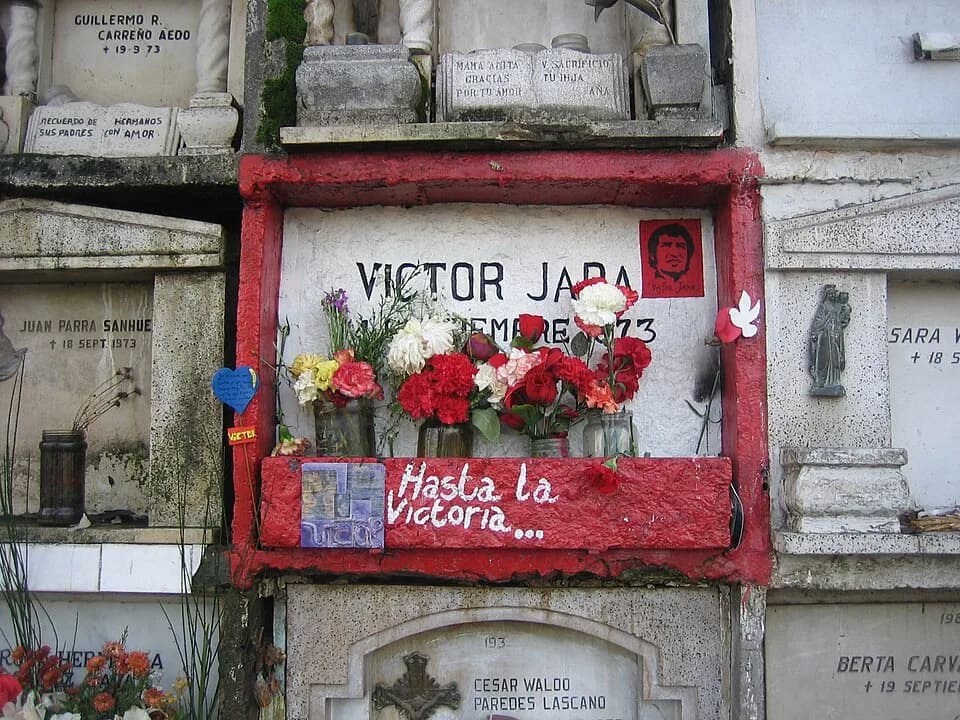
The final period of Víctor Jara's life was characterized by intense political activism and artistic expression, tragically concluding in 1973. He continued creating music, with his album "Canto por travesura" released in the year of his death, reflecting his unwavering dedication to his craft. Víctor Jara was tragically killed on September 14, 1973, in Santiago, Chile, a profound loss that occurred amidst the political upheaval following the Chilean coup d'état. His untimely death, just two weeks before his 41st birthday, silenced a celebrated voice but galvanized his artistic and political message for future generations.
Kafli 6 · 1974· Kafli 6 af 6
Legacy and Impact
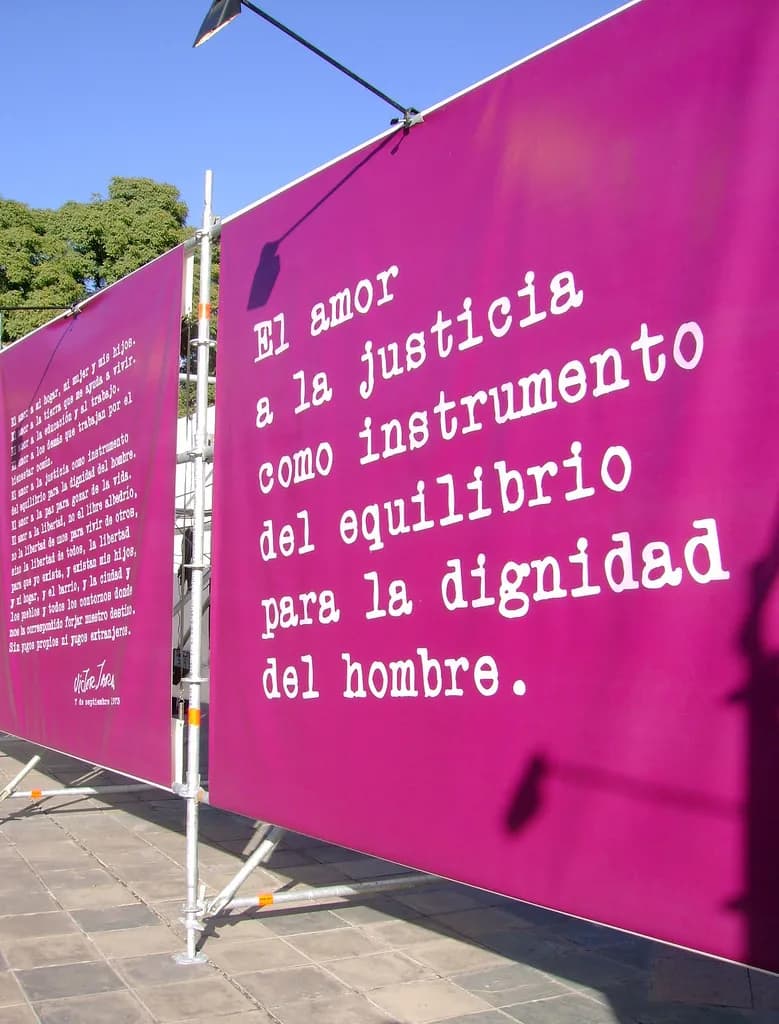
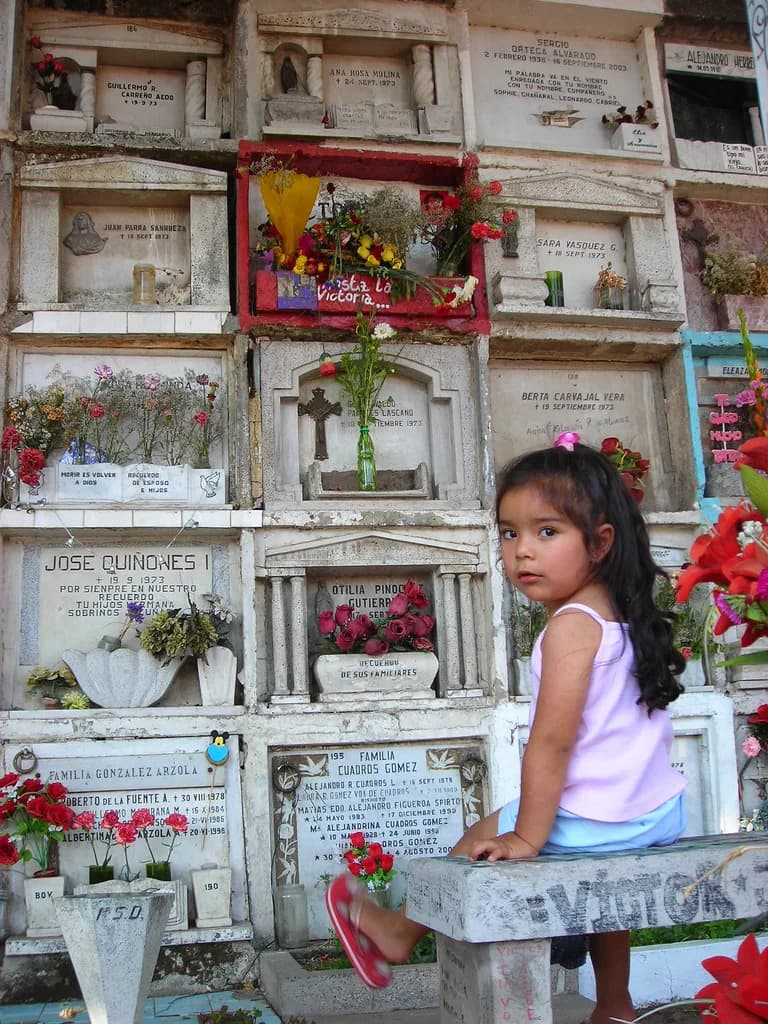
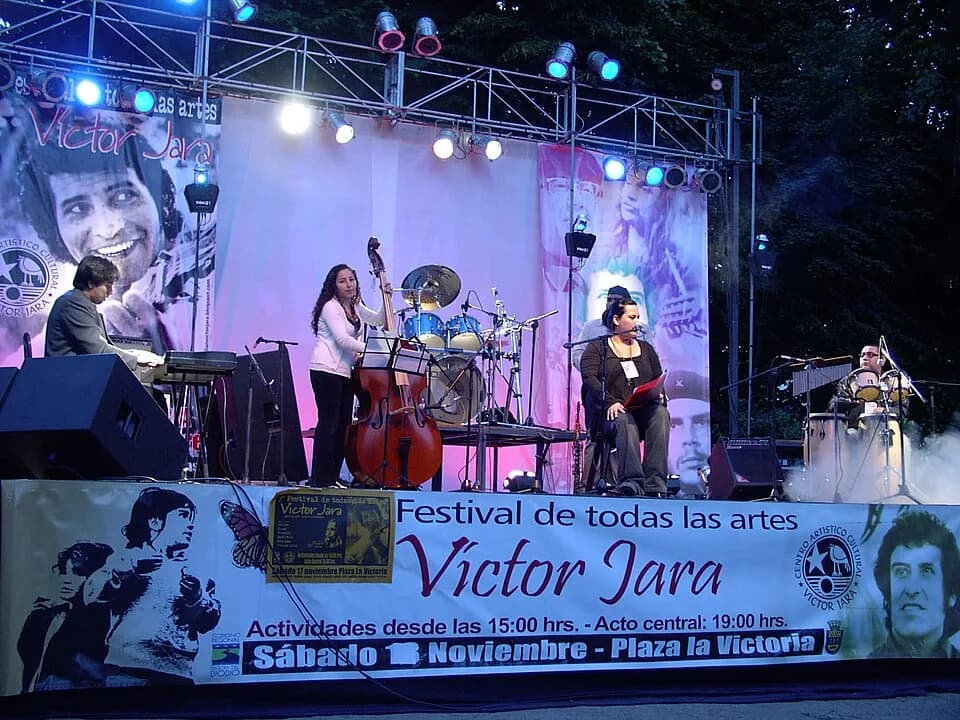
Víctor Jara's legacy endures as a powerful symbol of artistic courage, social justice, and cultural resistance in Chile and around the world. His foundational contributions to the Nueva canción chilena movement reshaped popular music, effectively giving voice to the hopes, struggles, and aspirations of the Chilean people. Through his work as a theatre director, poet, and singer-songwriter, he championed human rights and equality, leaving an artistic and political impact that continues to resonate globally. Posthumous releases such as "Te recuerdo Amanda" (1974), "El verso es una paloma" (1983), and "Canto a lo humano" (1994) have ensured his powerful songs and messages continue to reach and inspire new audiences worldwide.
Algengar spurningar
Algengar spurningar
Hvenær lést Víctor Jara?
Víctor Jara lést 14. september 1973 í Santiago, Chile, 40 ára gamall(ll).
Hvar fæddist Víctor Jara?
Víctor Jara fæddist í San Ignacio, Chile 28. september 1932.
Fyrir hvað er Víctor Jara þekktastur/þekktust?
Víctor Jara er þekktastur/þekktust fyrir Chilean teacher, theatre director, poet, singer-songwriter, and political activist.
Hve gamall/gömul var Víctor Jara við andlátið?
Víctor Jara var 40 ára gamall/gömul við andlátið.
Af hvaða þjóðerni var Víctor Jara?
Víctor Jara var frá Chile.
Tímalína
Líf í hnotskurn
Myndasafn
Líf í myndum
Smelltu á hvaða Polaroid sem er til að stækka · 24 myndir
QR-kóði
Deila þessari ævisögu
Prenta og deila
Skannaðu til að heimsækja þessa ævisögu. Prentaðu fyrir viðburði, sýningar eða fræðsluefni.