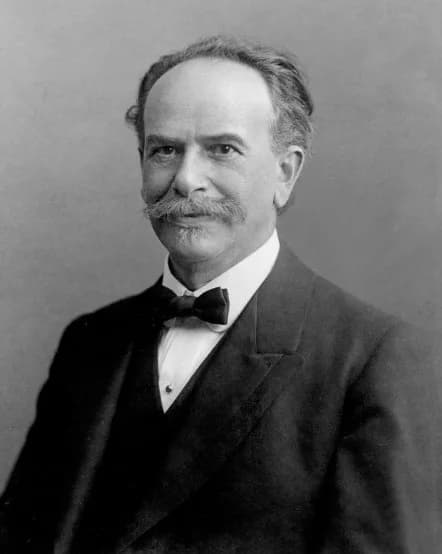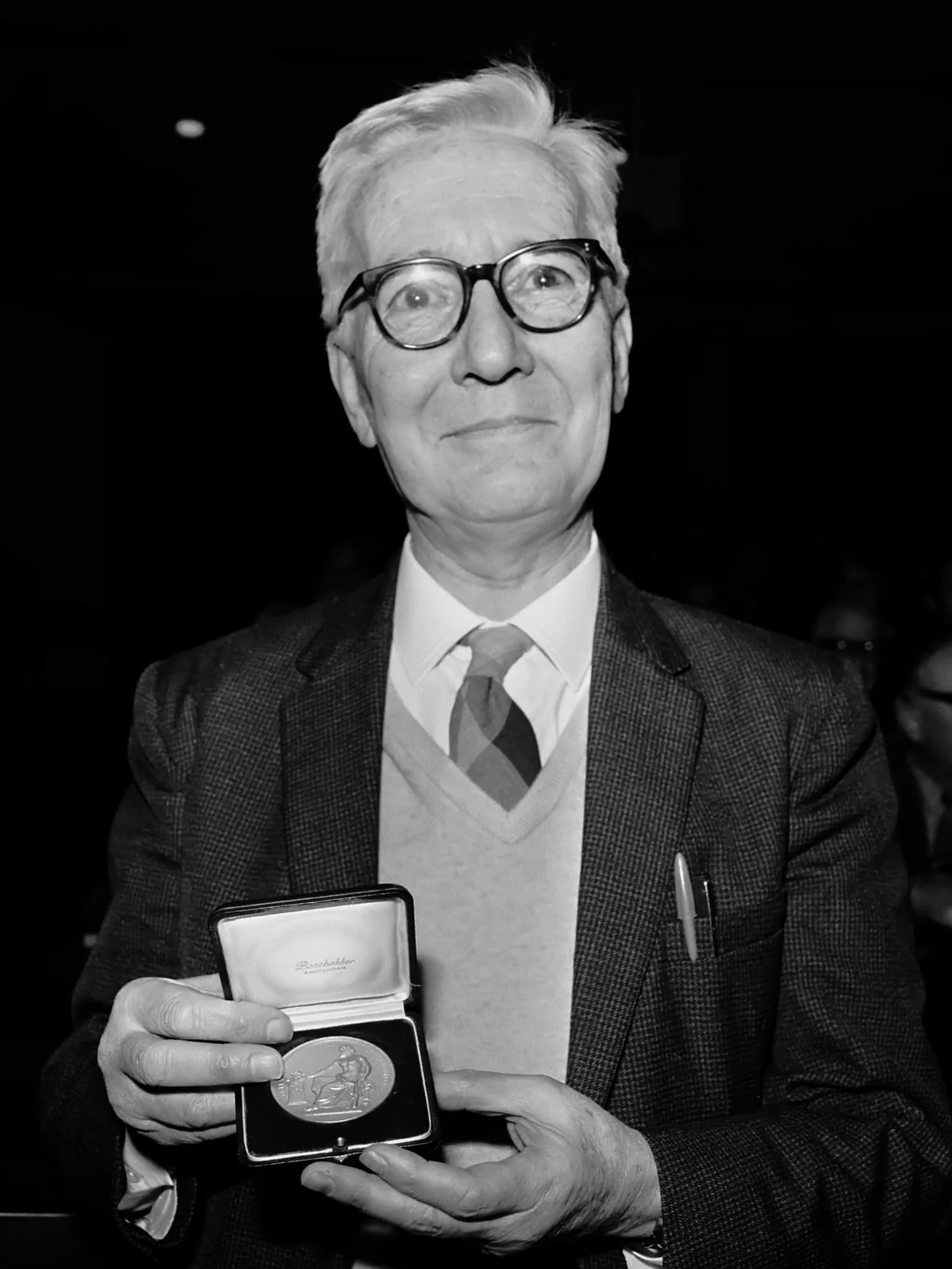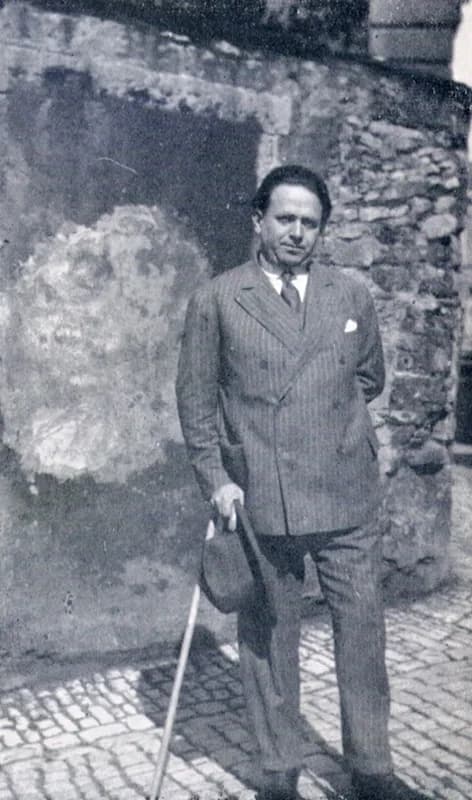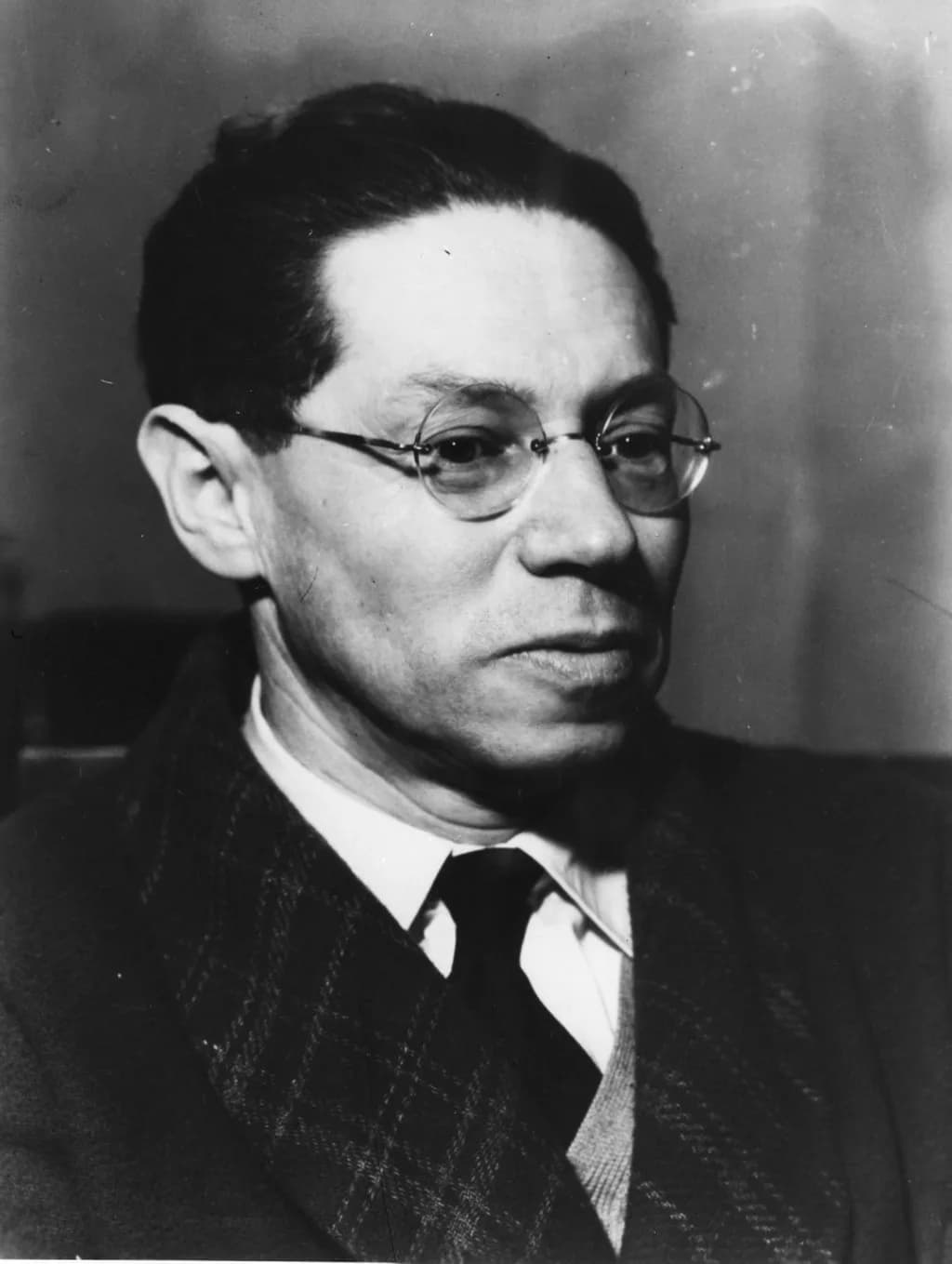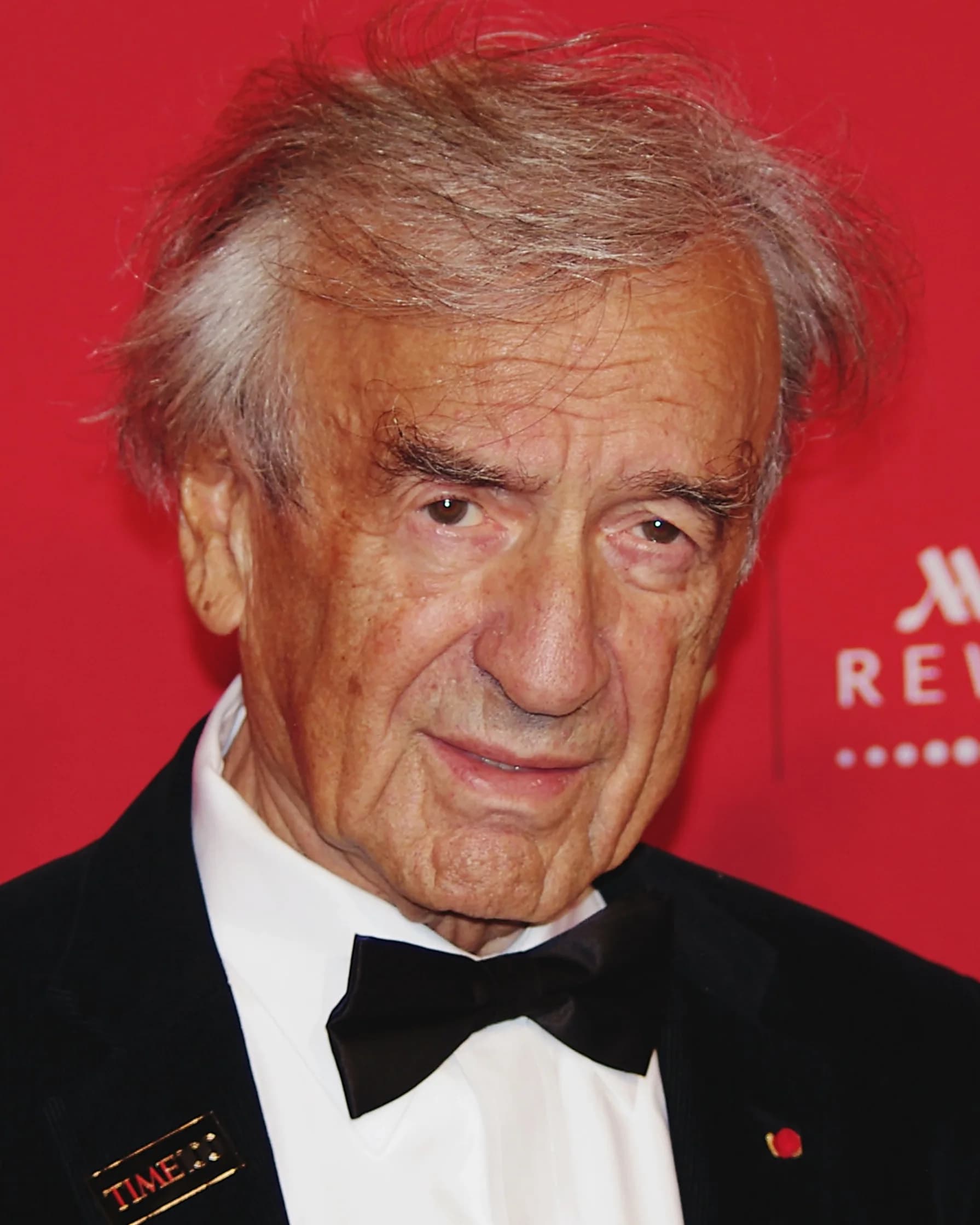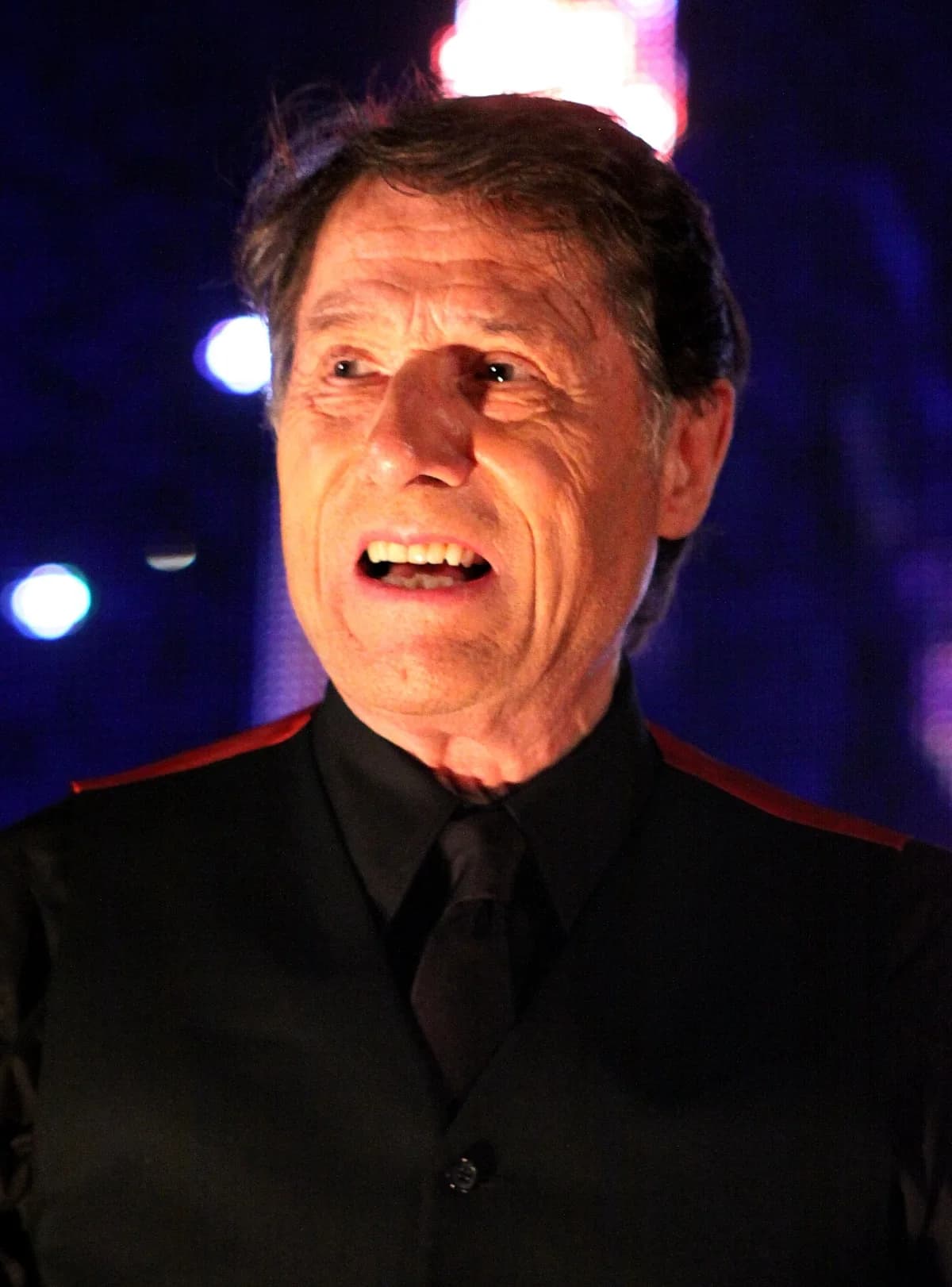
Fædd/ur
September 30, 1934
Klagenfurt am Wörthersee, Austria
Lést
December 21, 2014
Münsterlingen, Switzerland
Þekkt/ur fyrir
Austrian singer and composer
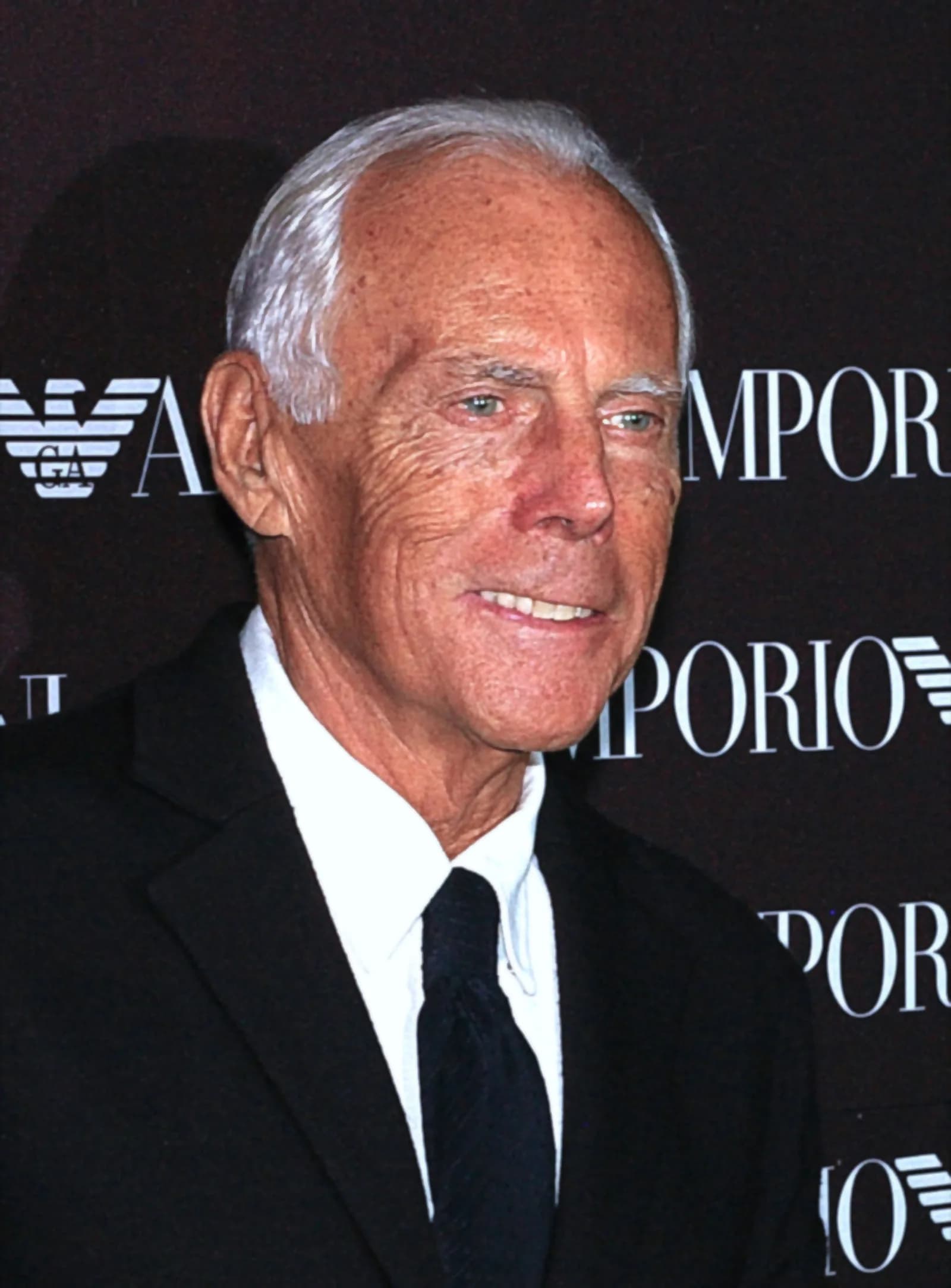
Udo Jürgens (1934–2014) was Austria best known for Austrian singer and composer.
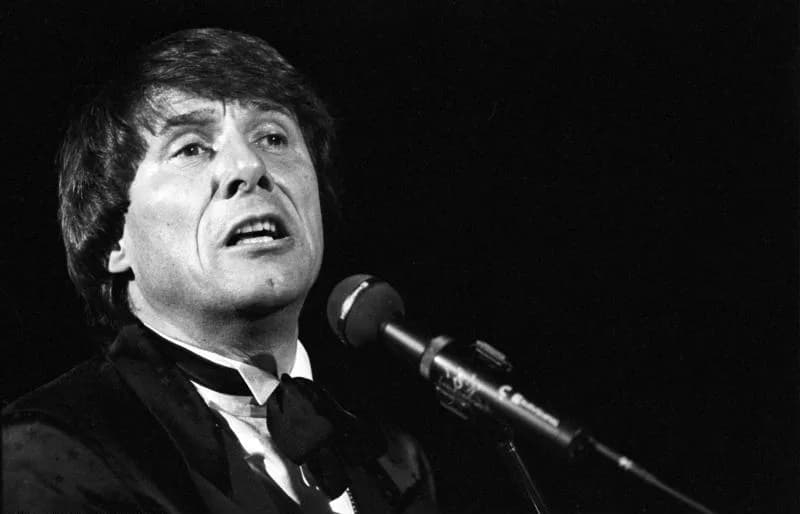
Udo Jürgens (September 30, 1934 – December 21, 2014) was an Austrian singer and composer from Klagenfurt am Wörthersee. He achieved international fame by winning the Eurovision Song Contest in 1966. Jürgens composed nearly 1,000 songs and sold over 104 million records, leaving a significant musical legacy.
Líf í augnablikum
Augnablikin sem mótuðu líf
Kafli
Kaflar lífs
Kafli 1 · 1934· Kafli 1 af 6
Early Life and Origins
Udo Jürgens began his life in Klagenfurt am Wörthersee, Austria, where he was born on September 30, 1934. His early years in Austria shaped his foundational musical talents and interests. The rich cultural environment of his homeland undoubtedly influenced his burgeoning passion for music and composition.
Kafli 2 · 1950· Kafli 2 af 6
Career Beginnings
From his early days, Udo Jürgens embarked on a career that would see him excel as a singer, composer, pianist, and recording artist. His versatility was evident as he developed his craft across various musical disciplines. Early on, Jürgens also explored acting, with his first notable film appearance in "Saturday Night" in 1950, followed by "The Legs of Dolores" in 1957. These initial creative endeavors laid the groundwork for an extensive and varied career.
Kafli 3 · 1966· Kafli 3 af 6
Major Achievements and Career Highlights
A defining moment in Udo Jürgens's career came in 1966 when he triumphed at the Eurovision Song Contest, representing Austria. This victory brought him international acclaim and solidified his position as a leading artist. His success at Eurovision was a significant step for a career that would ultimately span over 50 years, marked by continuous musical output and widespread popularity.
Beyond his contest win, Jürgens was an extraordinarily prolific composer, credited with writing close to 1,000 songs during his lifetime. This incredible body of work contributed to his monumental commercial success, with over 104 million records sold worldwide. In 2007, Udo Jürgens further expanded his personal narrative by obtaining Swiss citizenship, connecting him to a second European nation.
Kafli 4 · 1961· Kafli 4 af 6
Notable Works and Contributions
Udo Jürgens's artistic contributions were vast, encompassing both the big screen and the recording studio. His filmography showcased his acting talents in several productions throughout the 1960s, beginning with films like "Our Crazy Aunts" in 1961 and "... and you my darling stay here" from the same year. He continued to appear in films such as "Dance with Me Into the Morning" (1962), "Our Crazy Nieces" (1963), and "Our Crazy Aunts in the South Seas" (1964). Later, he featured in "Questo pazzo, pazzo mondo della canzone" (1965) and "The Battle of the Mods" (1966).
His discography is equally impressive, filled with numerous beloved pop albums released throughout the late 1960s and early 1970s. Notable releases include "Was ich dir sagen will" (1967) and the self-titled "Udo Jürgens" (1968), alongside "Mein Lied für dich" (1968) and "Udo" (1968). He also offered seasonal comfort with "Wünsche zur Weihnachtszeit" (1968) and kept a steady output with "Udo ’70" (1969), "Buon Natale da Udo Jürgens" (1970), "Udo '71" (1970), and "Udo Jürgens 1971" (1970). His hit song "Jonny & Jenny - Alle Kinder dieser Welt" (1971) further exemplified his pop sensibilities and appeal to a broad audience.
Kafli 5 · 2014· Kafli 5 af 6
Later Years
Udo Jürgens maintained an active and celebrated career well into his later years, performing and composing for over five decades. His dedication to music never waned, and he continued to engage audiences with his distinctive style. Sadly, Udo Jürgens passed away on December 21, 2014, in Münsterlingen, Switzerland, bringing an end to a truly influential life in music.
Kafli 6· Kafli 6 af 6
Legacy and Impact
The legacy of Udo Jürgens is firmly established through his significant achievements as an Austrian singer and composer. His extensive catalog of nearly 1,000 songs and sales of over 104 million records speak volumes about his enduring popularity and artistic output. He greatly shaped popular music for generations, leaving behind a vast collection of cherished melodies and lyrics that continue to resonate. Jürgens's influence extended far beyond his native Austria, impacting the cultural sound of an era.
Algengar spurningar
Algengar spurningar
Hvenær lést Udo Jürgens?
Udo Jürgens lést 21. desember 2014 í Münsterlingen, Switzerland, 80 ára gamall(ll).
Hvar fæddist Udo Jürgens?
Udo Jürgens fæddist í Klagenfurt am Wörthersee, Austria 30. september 1934.
Fyrir hvað er Udo Jürgens þekktastur/þekktust?
Udo Jürgens er þekktastur/þekktust fyrir Austrian singer and composer.
Hve gamall/gömul var Udo Jürgens við andlátið?
Udo Jürgens var 80 ára gamall/gömul við andlátið.
Af hvaða þjóðerni var Udo Jürgens?
Udo Jürgens var frá Austria.
Tímalína
Líf í hnotskurn
Myndasafn
Líf í myndum
Smelltu á hvaða Polaroid sem er til að stækka · 25 myndir
QR-kóði
Deila þessari ævisögu
Prenta og deila
Skannaðu til að heimsækja þessa ævisögu. Prentaðu fyrir viðburði, sýningar eða fræðsluefni.