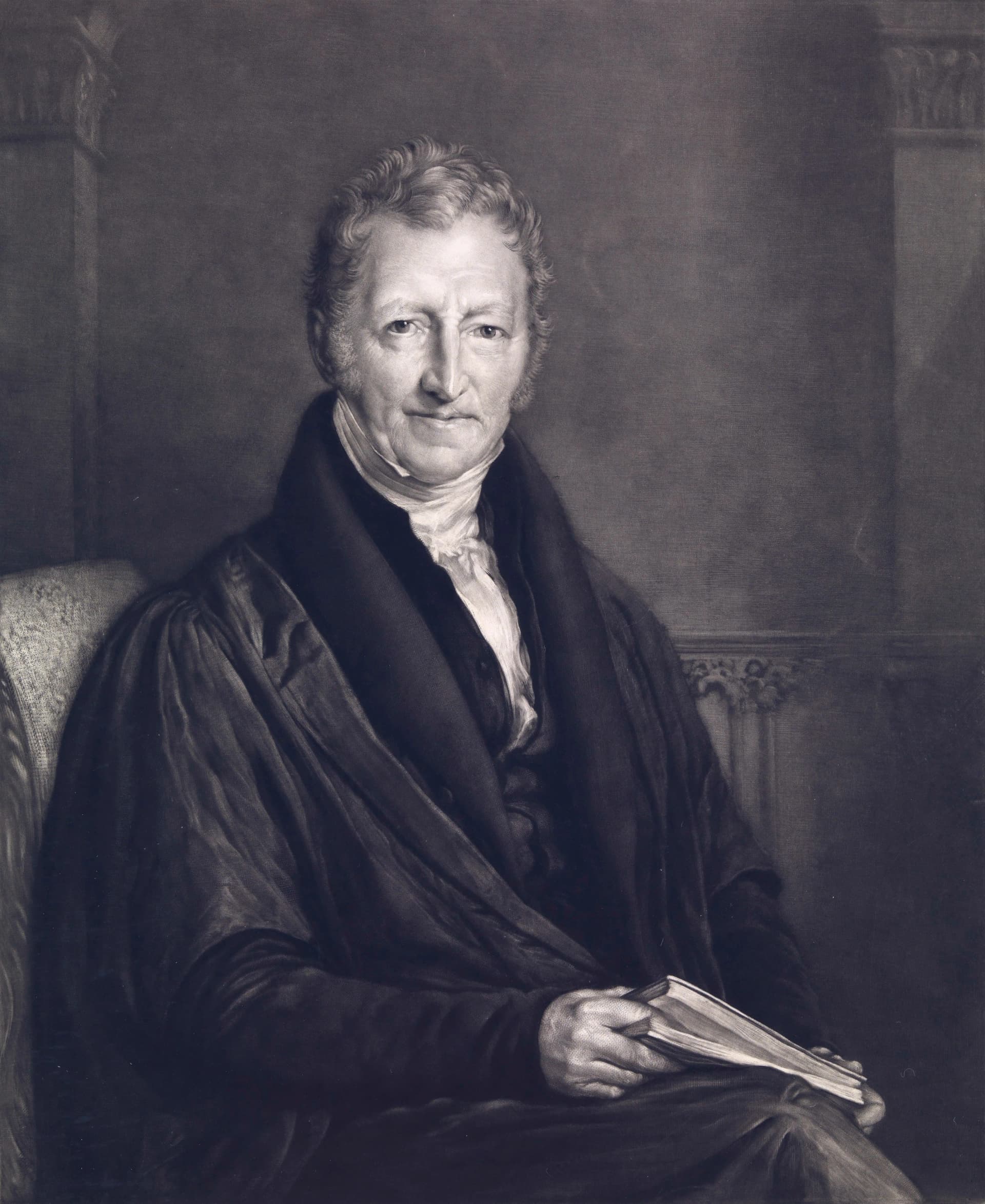
Fædd/ur
February 14, 1766
Westcott, United Kingdom
Lést
December 23, 1834
Bath, United Kingdom
Þekkt/ur fyrir
British political economist
Thomas Robert Malthus (1766–1834) was United Kingdom best known for British political economist.
Thomas Robert Malthus (February 14, 1766 – December 23, 1834) was a British political economist and cleric from Westcott, United Kingdom. He was renowned for his theories on population growth and its relationship to resource availability. His ideas deeply influenced demography and economic thought for generations.
Kafli
Kaflar lífs
Kafli 1 · 1766· Kafli 1 af 7
Early Life and Origins
Thomas Robert Malthus was born on February 14, 1766, in Westcott, United Kingdom. While specific details about his immediate family and early upbringing are not provided, his later profession as an Anglican priest suggests a background that supported intellectual and spiritual development. His formative years in England undoubtedly laid the groundwork for his future scholarly pursuits.
Kafli 2· Kafli 2 af 7
Career Beginnings
Malthus embarked on a career as an Anglican priest, a common path for educated men of his era. This clerical role likely provided a platform for his intellectual inquiries into social and economic issues. Simultaneously, he cultivated his interests in mathematics and statistics, which would become crucial tools in his later economic and demographic analyses.
Kafli 3· Kafli 3 af 7
Major Achievements and Career Highlights
Known primarily as a British political economist, Thomas Robert Malthus distinguished himself through a variety of intellectual pursuits. His professions included author, economist, mathematician, political economist, essayist, sociologist, demographer, and statistician. These roles highlight his broad intellectual reach and his commitment to understanding societal mechanisms through various disciplinary lenses.
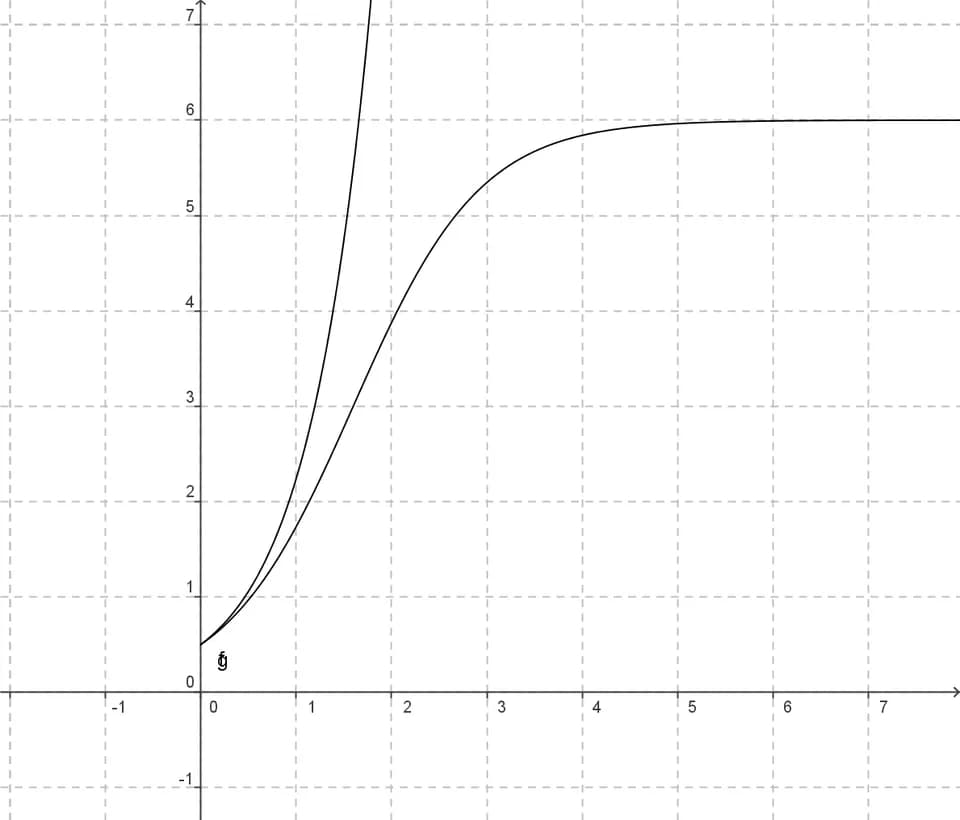
His academic contributions centered on the interplay between human population growth and the means of subsistence. Malthus's ideas earned him recognition as a central figure in the emerging science of demography. His careful examination of these complex issues established a framework for future generations of scholars.
Kafli 4· Kafli 4 af 7
Personal Life
While details about Thomas Robert Malthus's private relationships are not extensively documented in the provided information, his identity as an Anglican priest reveals a significant aspect of his personal life. This vocation speaks to a commitment to faith and a life dedicated to service and intellectual rigor. His clerical duties would have been intertwined with his scholarly work, shaping his perspective on human society.
Kafli 5· Kafli 5 af 7
Notable Works or Contributions
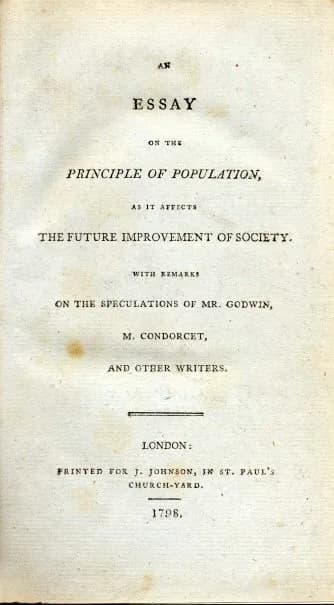
Thomas Robert Malthus authored several works that shaped economic and demographic discourse. Among his most recognized contributions is "人口の原理," commonly known as *An Essay on the Principle of Population*. This work laid out his theories regarding the potential for population growth to outstrip food supply.
Other significant titles include *Principles of political economy considered with a view to their practical application*, where he expanded on his economic theories. He also published *The measure of value stated and illustrated*, contributing to discussions on economic valuation. His collected writings, such as *Parallel chapters from the first and second editions of An essay on the principle of population*, demonstrate the evolution and consistency of his thought.
Malthus engaged with contemporary debates through works like *Gray versus Malthus, the principles of population and production investigated* and *Letters to Mr. Malthus, on several subjects of political economy*. His discussions on trade policies were evident in *Drei Schriften über Getreidezölle aus den Jahren 1814 und 1815*. These publications solidify his standing as a prolific and engaged intellectual.
Kafli 6 · 1834· Kafli 6 af 7
Later Years
Thomas Robert Malthus continued his intellectual work throughout his life, contributing to a vibrant academic and public discourse. He passed away on December 23, 1834, in Bath, United Kingdom. His death marked the end of a life dedicated to scholarly inquiry and the rigorous analysis of societal challenges.
Kafli 7· Kafli 7 af 7
Legacy and Impact
The theories proposed by Thomas Robert Malthus left a lasting impact on political economy and demography. His ideas, often termed Malthusianism, highlighted the potential for population growth to exceed resource availability, influencing debates on poverty, welfare, and environmental sustainability. Scholars continue to reference his work in discussions about resource allocation and societal development.
Malthus's systematic approach to studying population dynamics provided a framework for future demographic research. His contributions remain a foundational element in understanding historical and contemporary patterns of human growth and its economic consequences. His influence extends across disciplines, making him a figure of enduring importance.
Líf í augnablikum
Augnablikin sem mótuðu líf

Algengar spurningar
Algengar spurningar
Hvenær lést Thomas Robert Malthus?
Thomas Robert Malthus lést 23. desember 1834 í Bath, United Kingdom, 68 ára gamall(ll).
Hvar fæddist Thomas Robert Malthus?
Thomas Robert Malthus fæddist í Westcott, United Kingdom 14. febrúar 1766.
Fyrir hvað er Thomas Robert Malthus þekktastur/þekktust?
Thomas Robert Malthus er þekktastur/þekktust fyrir British political economist.
Hve gamall/gömul var Thomas Robert Malthus við andlátið?
Thomas Robert Malthus var 68 ára gamall/gömul við andlátið.
Af hvaða þjóðerni var Thomas Robert Malthus?
Thomas Robert Malthus var frá United Kingdom.
Tímalína
Líf í hnotskurn
Myndasafn
Líf í myndum
Smelltu á hvaða Polaroid sem er til að stækka · 24 myndir
QR-kóði
Deila þessari ævisögu
Prenta og deila
Skannaðu til að heimsækja þessa ævisögu. Prentaðu fyrir viðburði, sýningar eða fræðsluefni.