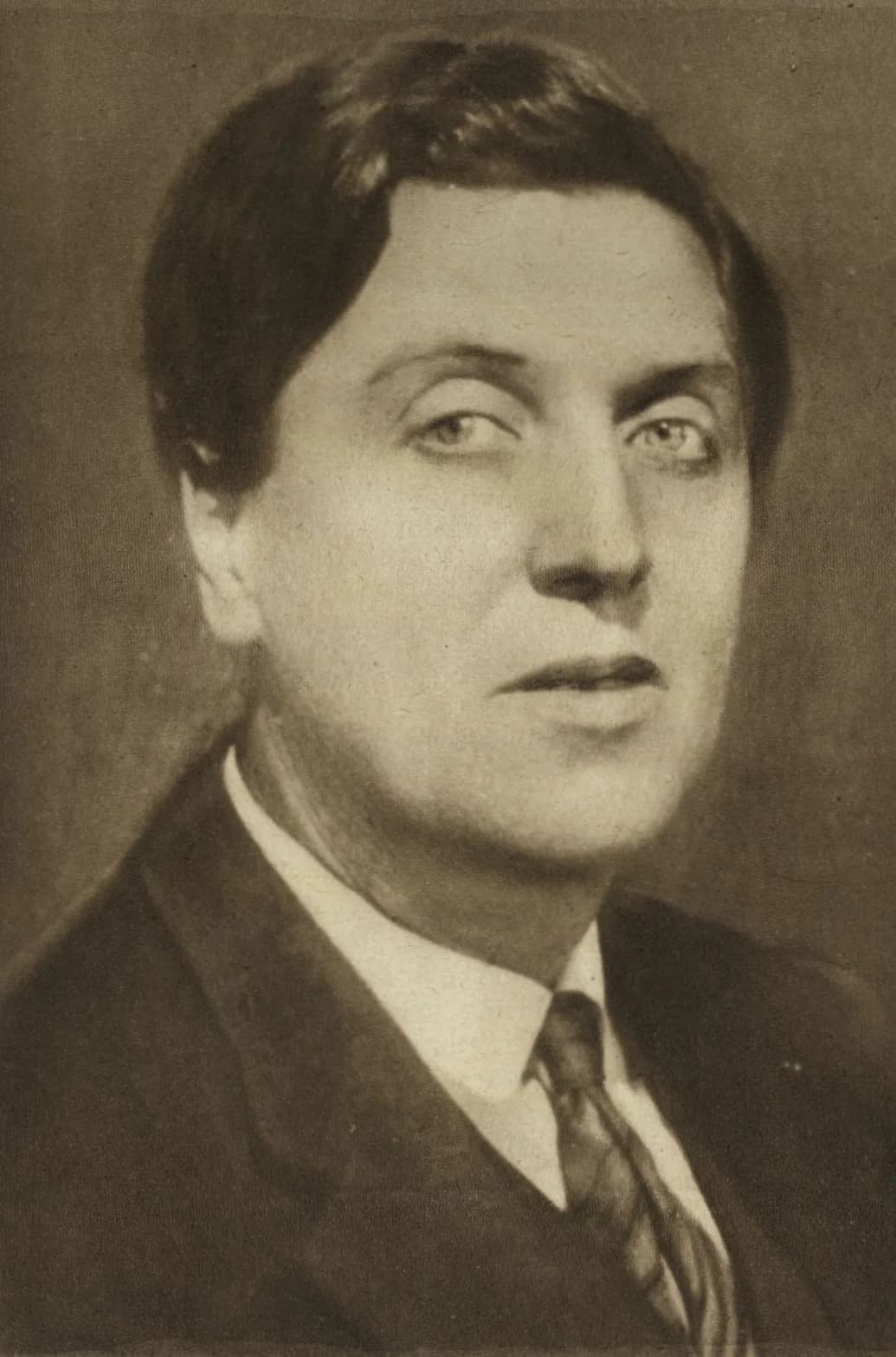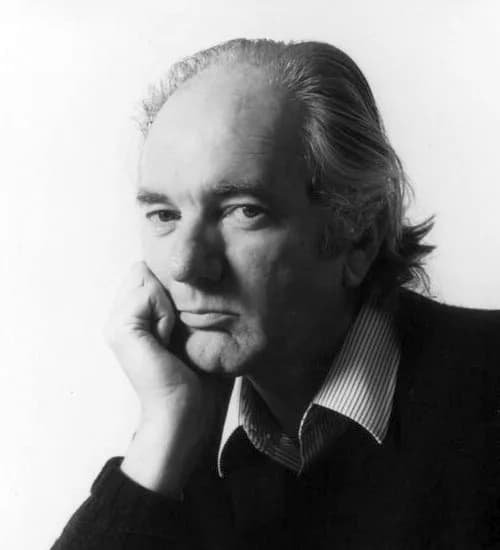
Fædd/ur
February 9, 1931
Heerlen, Netherlands
Lést
February 12, 1989
Gmunden, Austria
Þekkt/ur fyrir
Austrian playwright and novelist
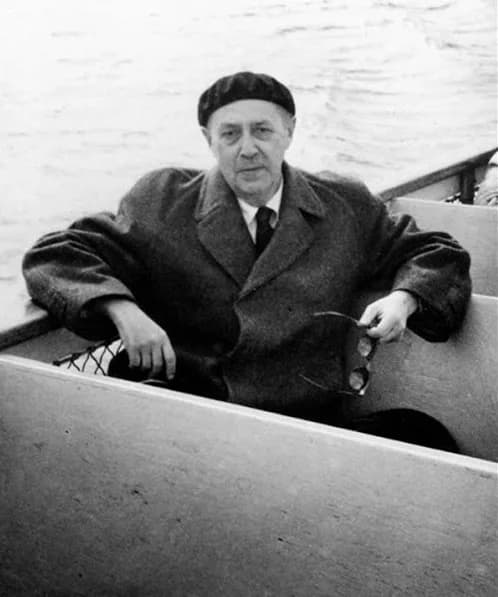
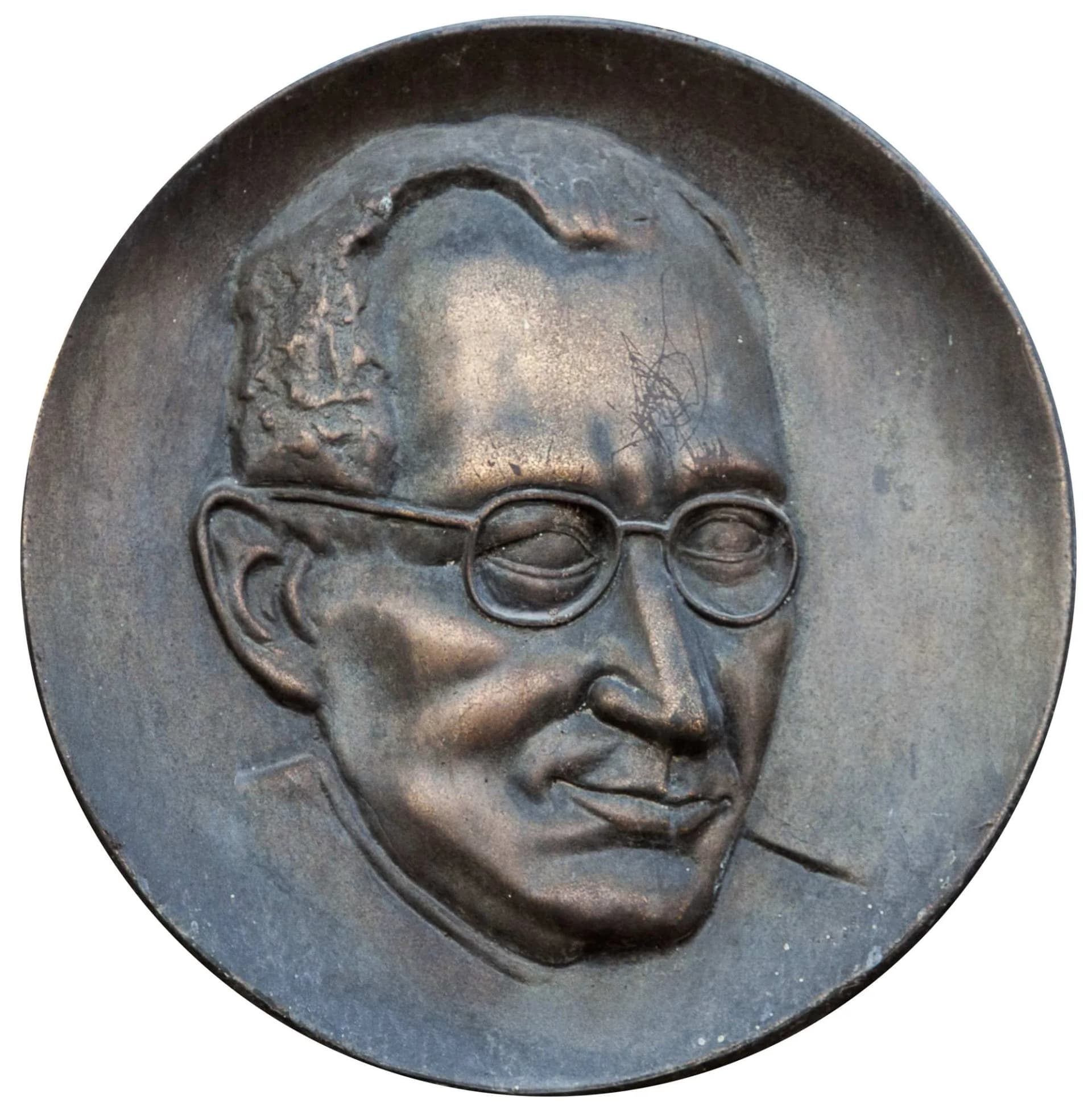
Thomas Bernhard (1931–1989) was Netherlands best known for Austrian playwright and novelist.
Nicolaas Thomas Bernhard (February 9, 1931 – February 12, 1989) was an Austrian playwright and novelist. He was considered one of the most important German-language authors of the postwar era, known for his critical and pessimistic literature. Bernhard's distinctive prose style and exploration of themes like isolation left a lasting literary impact.
Líf í augnablikum
Augnablikin sem mótuðu líf
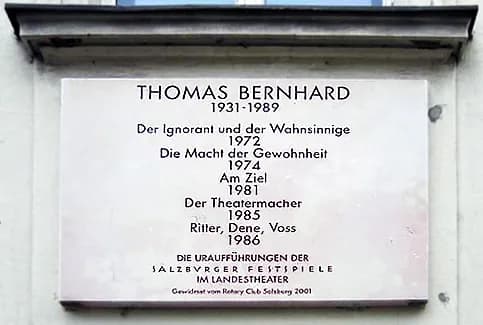
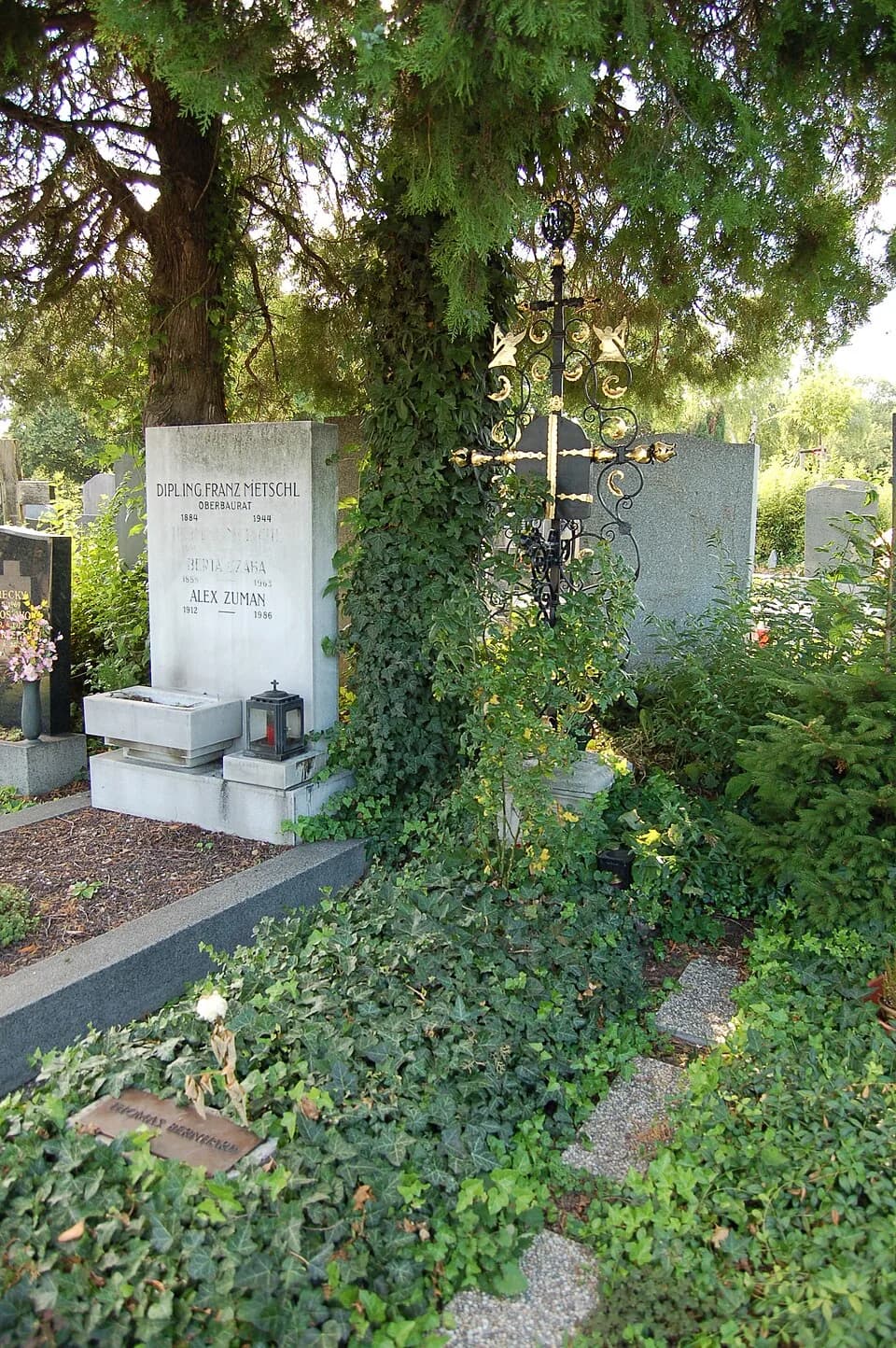
Kafli
Kaflar lífs
Kafli 1 · 1931· Kafli 1 af 6
Early Life and Origins
Thomas Bernhard began his life in Heerlen, Netherlands, where he was born on February 9, 1931. His origins, though Dutch, would eventually lead him to become a foundational figure in Austrian letters. This early period of his life laid the groundwork for a prolific career that would later challenge and provoke readers across Europe.
Kafli 2· Kafli 2 af 6
Career Beginnings
Bernhard embarked on a career that spanned various literary forms, establishing himself as a versatile writer. He was known for his work as a screenwriter, poet, playwright, novelist, and linguist. These diverse interests converged to shape his distinctive artistic voice early in his professional life.
Kafli 3· Kafli 3 af 6
Major Achievements and Career Highlights
Thomas Bernhard is widely recognized as one of the most important German-language authors to emerge in the postwar era. His literature was often controversial, delving into complex themes such as death, isolation, obsession, and illness. Bernhard's work consistently offered a pessimistic view of the human condition, frequently criticizing post-war Austrian and broader European culture.
He cultivated a distinctive prose style that became his hallmark. This style often incorporated multiple perspectives on characters and events, along with idiosyncratic vocabulary and punctuation. Furthermore, his protagonists frequently delivered long, intense monologues, often appearing on the verge of insanity, which contributed to the powerful impact of his narratives.
Kafli 4· Kafli 4 af 6
Notable Works and Contributions
Bernhard's extensive bibliography showcases his prolific output and varied interests. Among his significant works are novels and plays such as Der Weltverbesserer and Ungenach. His incisive psychological explorations are evident in texts like Psychologie der Zeugenaussage, reflecting his deep engagement with the human psyche.
Other notable titles include Die ganze Welt in meines Herzens Enge, Die Irren, Die Häftlinge, and A Doda. Bernhard also authored works like Städtebeschimpfungen, Psalm, Koḥo shel hergel, and Die Mütze, each contributing to his reputation as a master of German-language literature. His influence extended to film, with the documentary Thomas Bernhard – Drei Tage released in 1970, offering insight into his life and thought.
Kafli 5 · 1989· Kafli 5 af 6
Later Years
Thomas Bernhard continued his profound literary contributions until his passing on February 12, 1989. He died in Gmunden, Austria, leaving behind a substantial body of work. His final years were marked by the continued impact of his critical and uncompromising vision on the literary world.
Kafli 6· Kafli 6 af 6
Legacy and Impact
The legacy of Thomas Bernhard endures through his profound influence on German-language literature. His exploration of challenging themes and his unique narrative voice continue to resonate with readers and critics. He remains a pivotal figure for his relentless criticism of societal norms and his unflinching portrayal of existential despair.
Bernhard's distinct prose style, characterized by its rhythm, repetition, and psychological depth, has inspired generations of writers. He established a benchmark for literary rigor and intellectual honesty, solidifying his place as an unforgettable voice in 20th-century European letters. His works are studied and debated, ensuring his relevance far beyond his lifetime.
Algengar spurningar
Algengar spurningar
Hvenær lést Thomas Bernhard?
Thomas Bernhard lést 12. febrúar 1989 í Gmunden, Austria, 58 ára gamall(ll).
Hvar fæddist Thomas Bernhard?
Thomas Bernhard fæddist í Heerlen, Netherlands 9. febrúar 1931.
Fyrir hvað er Thomas Bernhard þekktastur/þekktust?
Thomas Bernhard er þekktastur/þekktust fyrir Austrian playwright and novelist.
Hve gamall/gömul var Thomas Bernhard við andlátið?
Thomas Bernhard var 58 ára gamall/gömul við andlátið.
Af hvaða þjóðerni var Thomas Bernhard?
Thomas Bernhard var frá Netherlands.
Tímalína
Líf í hnotskurn
Myndasafn
Líf í myndum
Smelltu á hvaða Polaroid sem er til að stækka · 24 myndir
QR-kóði
Deila þessari ævisögu
Prenta og deila
Skannaðu til að heimsækja þessa ævisögu. Prentaðu fyrir viðburði, sýningar eða fræðsluefni.