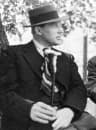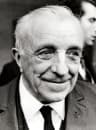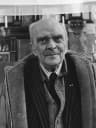
Fædd/ur
August 7, 1904
Detroit, United States
Lést
December 9, 1971
New York City, United States
Þekkt/ur fyrir
diplomat, educator, civil rights activist and the first African American Nobel Peace Prize winner
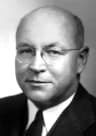
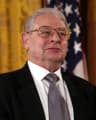
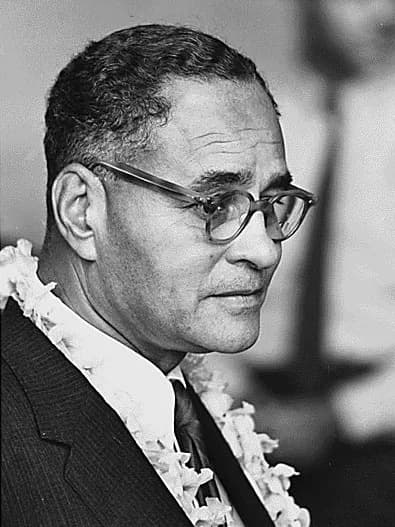
Ralph Bunche (1904–1971) was United States best known for diplomat, educator, civil rights activist and the first African American Nobel Peace Prize winner.
Ralph Bunche (August 7, 1904 – December 9, 1971) was an American diplomat and political scientist. He received the 1950 Nobel Peace Prize for his mediation in the Arab-Israeli conflict. His work at the United Nations significantly influenced decolonization and peacekeeping.
Kafli
Kaflar lífs
Kafli 1 · 1904· Kafli 1 af 6
Early Life and Origins
Ralph Johnson Bunche was born on August 7, 1904, in Detroit, United States. His early life was marked by challenges, yet it fostered a resilient spirit and a commitment to learning. Though details of his upbringing are sparse in public records, it is clear that his foundational experiences contributed to his later passion for human rights and equality. This period established the framework for his extraordinary journey from Detroit to the global stage.
Kafli 2· Kafli 2 af 6
Career Beginnings and United Nations Service
Bunche's academic background as a political scientist prepared him for a career in international relations. He was instrumental in the formation and early administration of the United Nations, a pivotal global organization dedicated to peace. His dedication led him to serve in crucial roles within the UN, laying the groundwork for many of its future initiatives. These formative years at the UN solidified his reputation as an astute and principled diplomat.
Kafli 3 · 1950· Kafli 3 af 6
Major Achievements and Career Highlights
A crowning achievement in Ralph Bunche's distinguished career was receiving the 1950 Nobel Peace Prize. This prestigious award recognized his late 1940s mediation efforts in the complex Arab–Israeli conflict. His successful diplomacy prevented further escalation and demonstrated the power of peaceful negotiation. Bunche's receipt of the Nobel Prize also marked a historic moment, as he became both the first Black Nobel laureate and the first person of African descent to earn such an honor.
Beyond his Nobel-winning work, Bunche played a major role in both the decolonization process and numerous UN peacekeeping operations. His strategic guidance helped many nations gain independence, fostering a more equitable global order. He served as the under-secretary-general and briefly as the acting secretary-general in 1953, showcasing his leadership and administrative capabilities. His dedication to these critical global issues underscored his belief in self-determination and collective security.
Kafli 4· Kafli 4 af 6
Notable Contributions
As a political scientist, Ralph Bunche made significant intellectual contributions, marked by an h-index of 10 and 63 papers over his career. His academic background provided a strong foundation for his policy-making and mediation efforts within the United Nations. He brought scholarly rigor to practical global challenges, ensuring informed and thoughtful approaches to complex conflicts. Bunche's writings and analyses influenced discussions on decolonization and the mechanics of international peacekeeping, reflecting his deep engagement with global issues.
Kafli 5 · 1971· Kafli 5 af 6
Later Years
Ralph Bunche passed away on December 9, 1971, in New York City, United States. His death marked the end of a life dedicated to public service and global peace. Even in his later years, his commitment to justice and international cooperation remained steadfast. He left behind a legacy of diplomatic excellence and a pathway for future generations of peacemakers.
Kafli 6· Kafli 6 af 6
Legacy and Impact
The legacy of Ralph Bunche is enduring, celebrated for his pioneering role as the first African American Nobel Peace Prize winner. His successful mediation in the Arab–Israeli conflict set a standard for international diplomacy and conflict resolution. Bunche's contributions to the United Nations were foundational, particularly his work in decolonization and the establishment of peacekeeping operations. He truly embodied the spirit of global cooperation and civil rights activism. His life stands as a testament to the power of persistent advocacy for peace and equality on a worldwide scale.
Líf í augnablikum
Augnablikin sem mótuðu líf
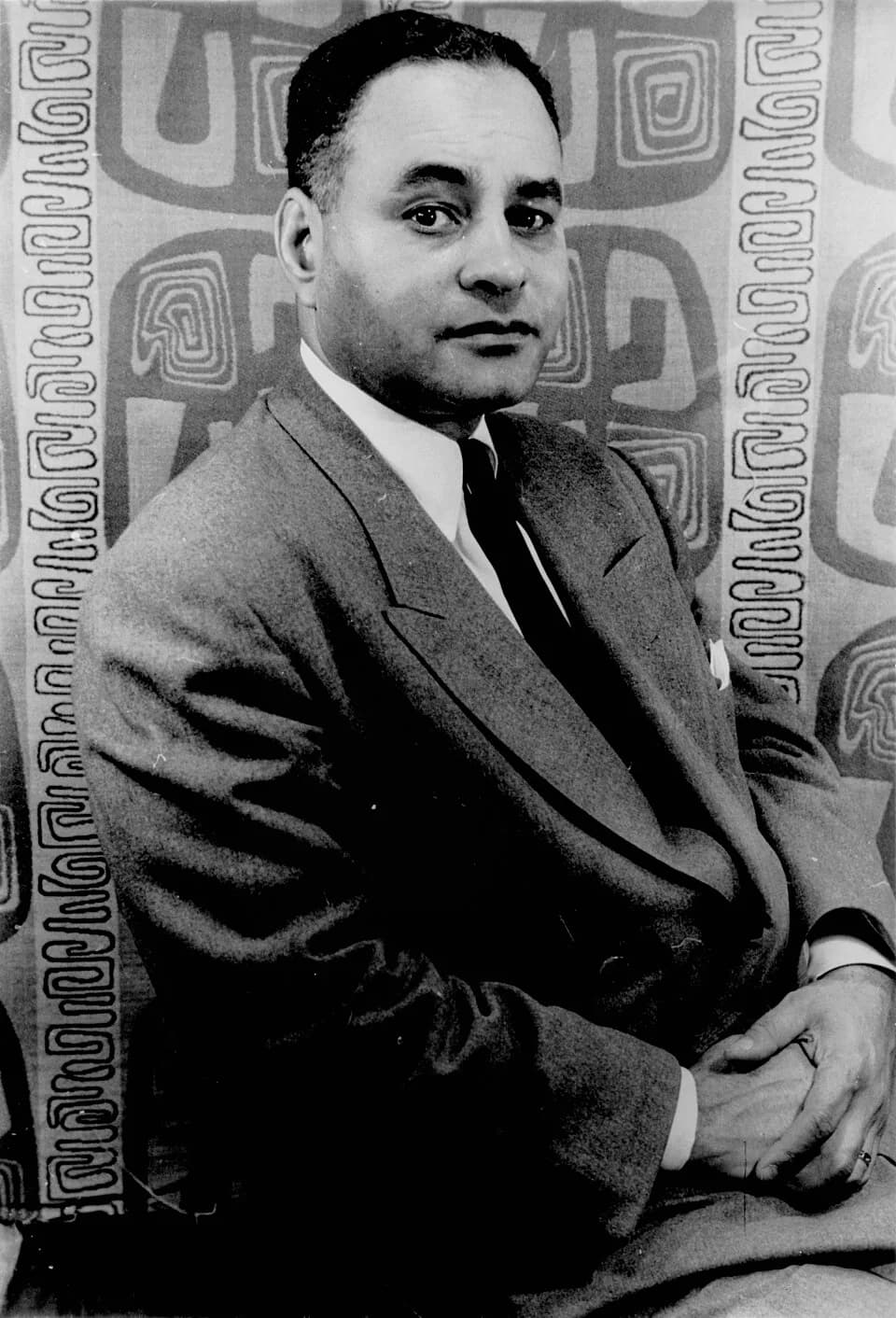
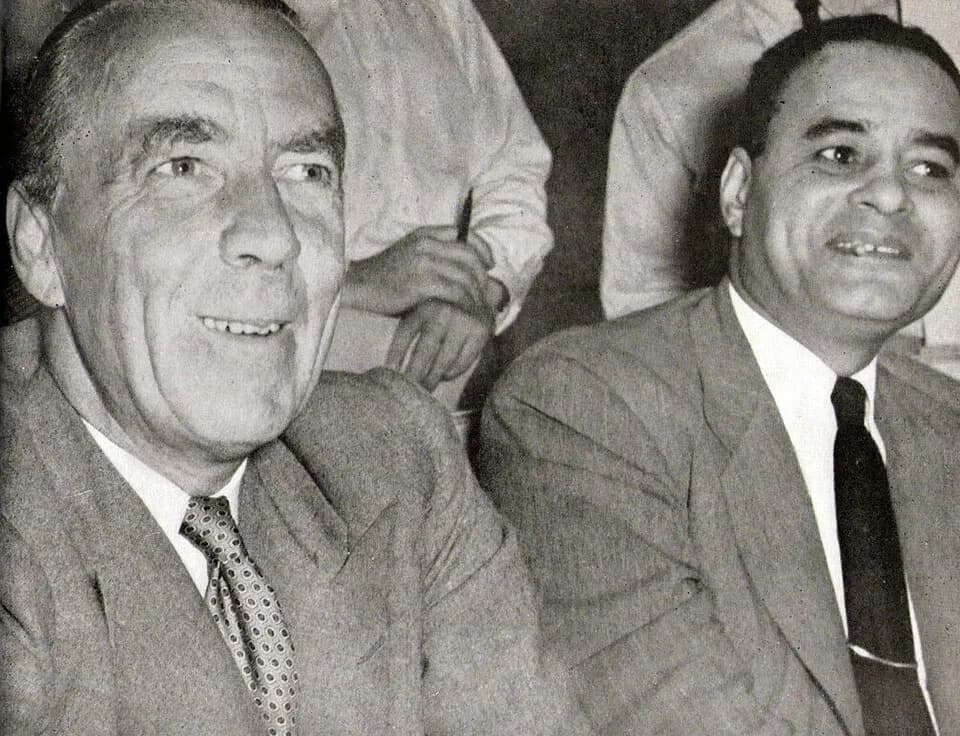
![Ralph Bunche - Civil Rights March on Washington, D.C. [Dr. Ralph Bunche.], 08/28/1963 Press and Publications Service. (ca. 1953 - ca. 1978) ( Most Recent)
Location: Still Picture Records LICON, Spe](/_next/image?url=https%3A%2F%2Fcdn.whowasthisguy.com%2Fgallery_wikimedia_commons_1784821810416_1_0227a41013.webp&w=1920&q=75)
Algengar spurningar
Algengar spurningar
Hvenær lést Ralph Bunche?
Ralph Bunche lést 9. desember 1971 í New York City, United States, 67 ára gamall(ll).
Hvar fæddist Ralph Bunche?
Ralph Bunche fæddist í Detroit, United States 7. ágúst 1904.
Fyrir hvað er Ralph Bunche þekktastur/þekktust?
Ralph Bunche er þekktastur/þekktust fyrir diplomat, educator, civil rights activist and the first African American Nobel Peace Prize winner.
Hve gamall/gömul var Ralph Bunche við andlátið?
Ralph Bunche var 67 ára gamall/gömul við andlátið.
Af hvaða þjóðerni var Ralph Bunche?
Ralph Bunche var frá United States.
Tímalína
Líf í hnotskurn
Myndasafn
Líf í myndum
Smelltu á hvaða Polaroid sem er til að stækka · 23 myndir
QR-kóði
Deila þessari ævisögu
Prenta og deila
Skannaðu til að heimsækja þessa ævisögu. Prentaðu fyrir viðburði, sýningar eða fræðsluefni.