Ævisaga · French inventor and photographer

2 min read · 475 words

Nicéphore Niépce

1765 · 1833

Lifuð ár
68
Myndir
50
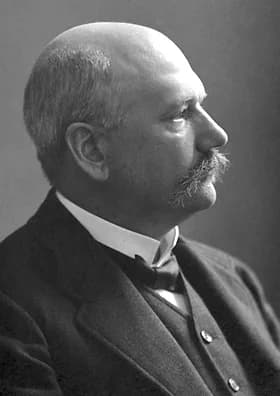
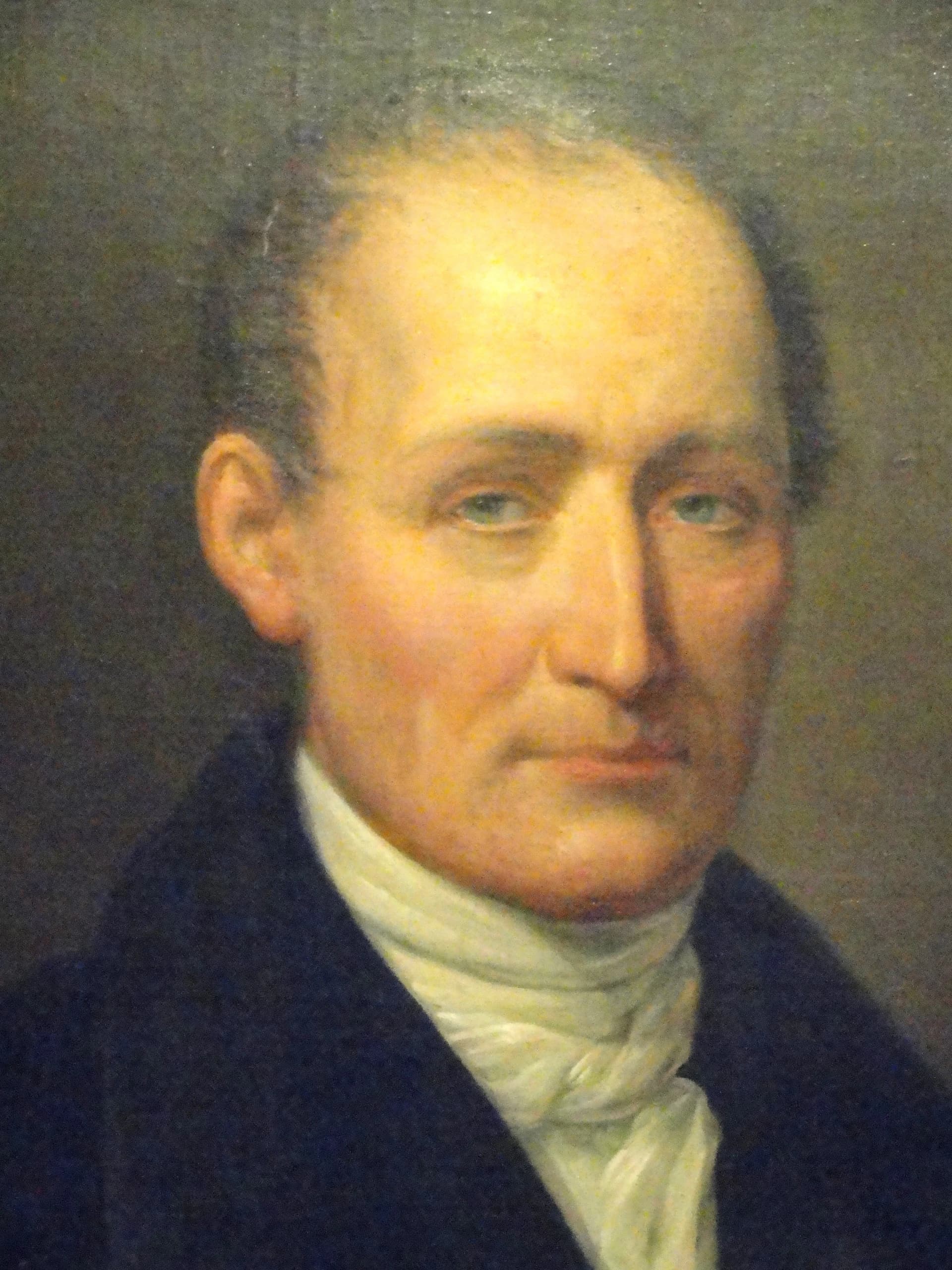
Nicéphore Niépce portrait

Fædd/ur

March 7, 1765

Chalon-sur-Saône, France

Lést

July 5, 1833

Saint-Loup-de-Varennes, France

Þekkt/ur fyrir

French inventor and photographer

Joseph Nicéphore Niépce (March 7, 1765 – July 5, 1833) was a French inventor and photographer from Chalon-sur-Saône, France. He developed heliography, creating the world's oldest surviving photograph of a real-world scene in the mid-1820s. His work as a pioneer of photography laid the groundwork for modern imaging.

Líf í augnablikum

Augnablikin sem mótuðu líf

Skrifað á English

Kafli

Kaflar lífs

Kafli 1 · 1765· Kafli 1 af 7

Early Life and Origins

Nicéphore Niépce began his life on March 7, 1765, in the charming town of Chalon-sur-Saône, located in France. He shared a close bond and an inventive spirit with his older brother, Claude Niépce, who would later become a significant collaborator in his early projects. While details of his formal education are not extensively documented in the provided information, his birthplace firmly roots his identity within the scientific and cultural context of 18th-century France.

Kafli 2· Kafli 2 af 7

Career Beginnings

Niépce’s journey into the world of invention commenced with a strong collaborative partnership with his brother, Claude. Together, they channeled their intellectual curiosity into developing innovative mechanical solutions. This early collaboration saw them conceive, create, and refine the Pyréolophore, an invention that showcased their shared engineering prowess.

Kafli 3· Kafli 3 af 7

Major Achievements and Career Highlights

The most significant chapter of Nicéphore Niépce’s career is undeniably his pioneering work in the field of photography. He developed heliography, a revolutionary technique that allowed him to create the world's oldest surviving products of a photographic process. This immense scientific achievement culminated in the mid-1820s, when he successfully used a primitive camera to capture the oldest surviving photograph of a real-world scene, securing his place in history.

Kafli 4· Kafli 4 af 7

Personal Life

While specific details about Nicéphore Niépce's personal life, beyond his professional collaboration with his brother Claude, are not extensively provided in historical records, his relentless dedication to scientific exploration and invention consumed a significant portion of his life. His focus remained largely on the pursuit of new discoveries and the refinement of his pioneering work. This singular devotion underscores the intense intellectual drive that characterized his existence.

Kafli 5· Kafli 5 af 7

Notable Works or Contributions

Niépce's most enduring contribution is undoubtedly heliography, a novel process for capturing and fixing images produced by light. This innovative photographic technique led directly to the creation of the world's first enduring photograph of a real-world scene, a monumental accomplishment that forever changed visual communication. Beyond photography, his collaborative work with Claude Niépce on the Pyréolophore resulted in one of the world's first internal combustion engines, showcasing his diverse aptitude for mechanical invention.

Kafli 6 · 1833· Kafli 6 af 7

Later Years

Nicéphore Niépce continued his inventive endeavors until his passing on July 5, 1833. He died in Saint-Loup-de-Varennes, France, leaving behind a remarkable collection of scientific advancements. His final years were marked by a continued commitment to developing and refining his photographic processes, striving for perfection in his pioneering art.

Kafli 7· Kafli 7 af 7

Legacy and Impact

The legacy of Joseph Nicéphore Niépce is profound and far-reaching, firmly establishing him as a foundational figure in the history of photography. His invention of heliography and the creation of the first surviving photograph fundamentally transformed human capability for documentation and artistic expression. Niépce's pioneering efforts paved the way for all subsequent photographic and imaging technologies, making the permanent visual capture of reality accessible to future generations. His ingenuity continues to inspire inventors and artists alike.

Tímalína

Líf í hnotskurn

  1. 1765

    Early Life and Origins

  2. 1833

    Later Years

Myndasafn

Líf í myndum

Smelltu á hvaða Polaroid sem er til að stækka · 49 myndir

QR-kóði

Deila þessari ævisögu

Prenta og deila

Skannaðu til að heimsækja þessa ævisögu. Prentaðu fyrir viðburði, sýningar eða fræðsluefni.
Hver var Nicéphore Niépce? (1765-1833) | WhoWasThisGuy.com