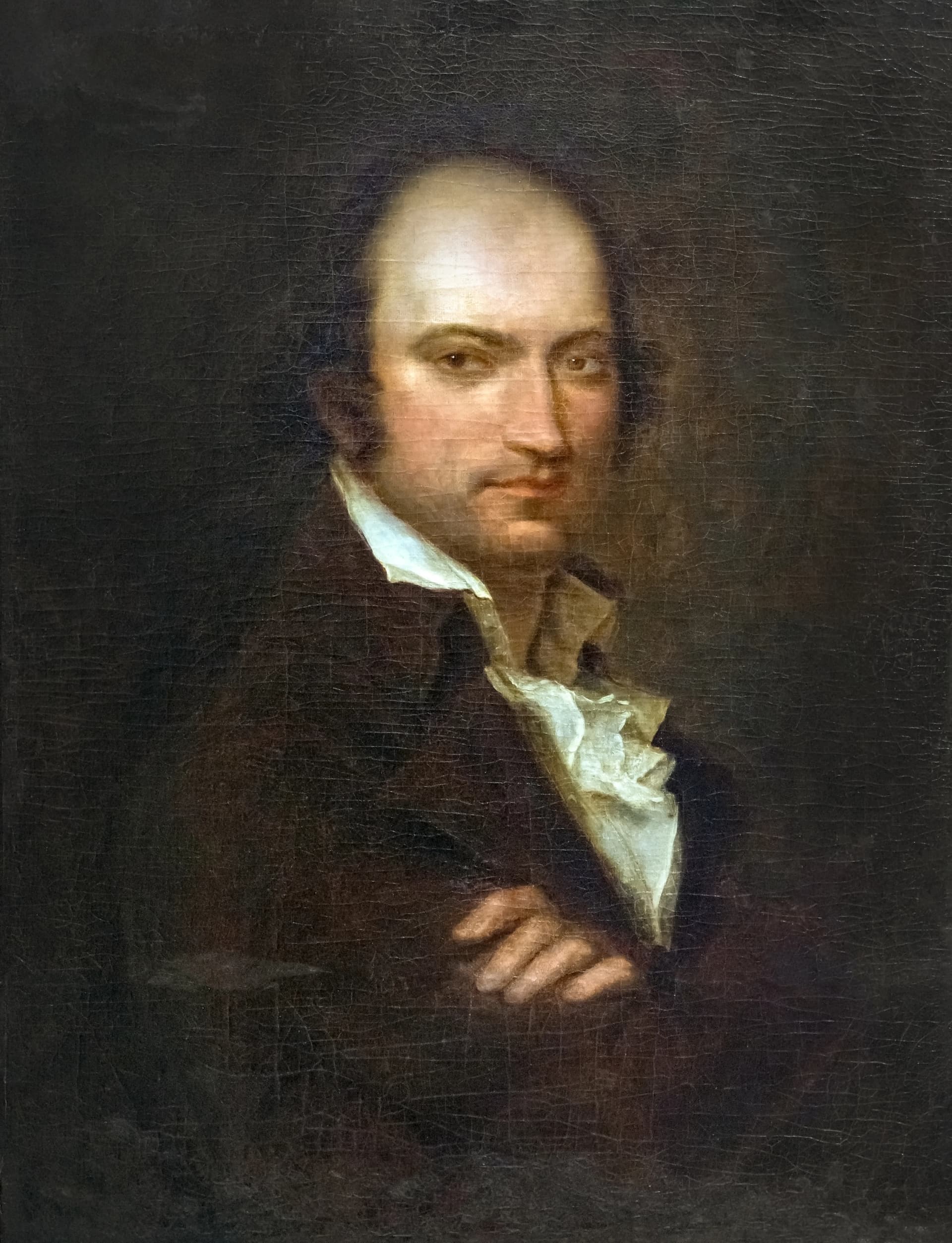
Fædd/ur
September 2, 1778
Ajaccio, France
Lést
July 25, 1846
Livorno, Italy
Þekkt/ur fyrir
king of Holland, brother of Napoleon Bonaparte, member of the House of Buonaparte
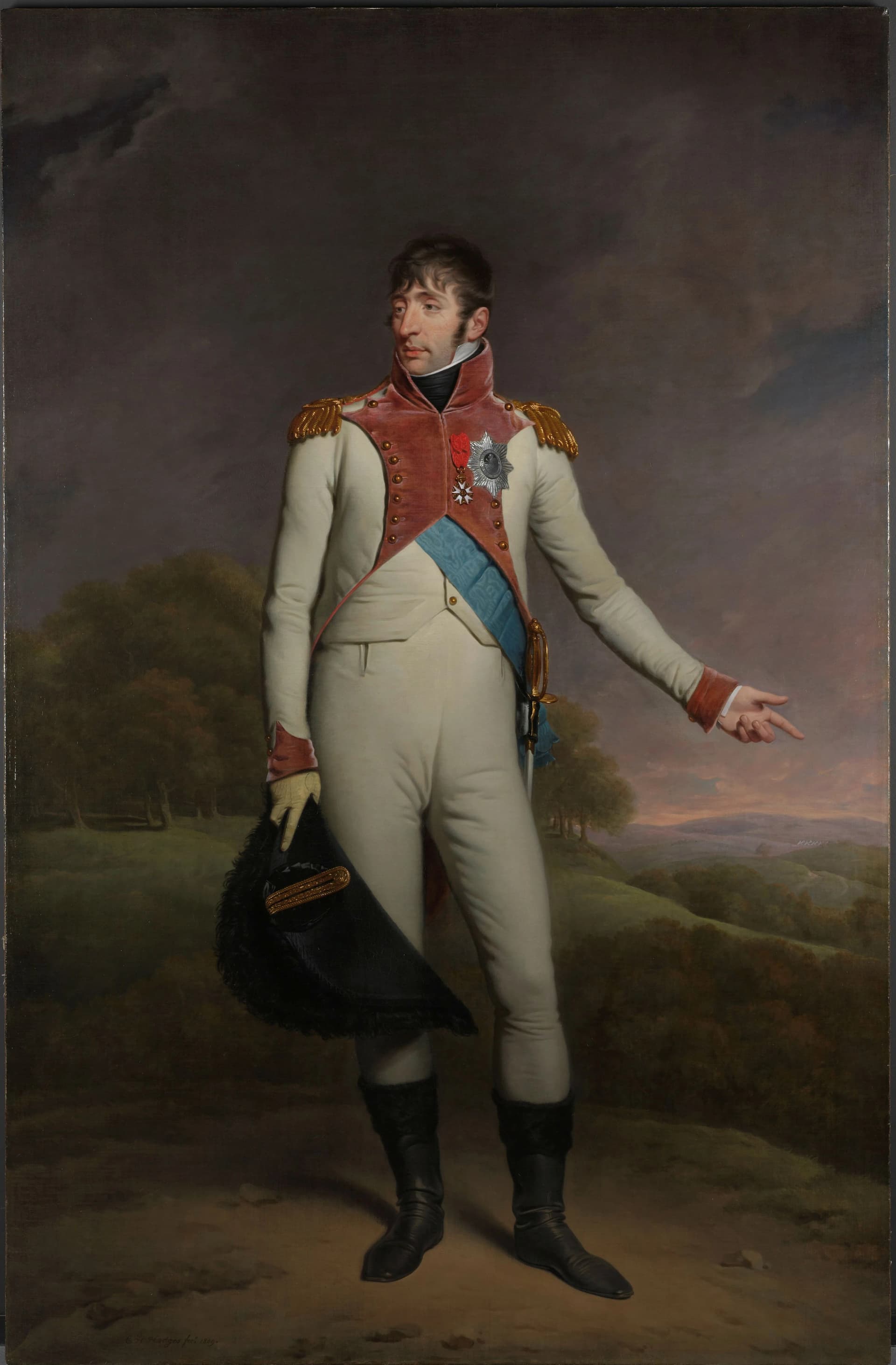
Louis Bonaparte (1778–1846) was France best known for king of Holland, brother of Napoleon Bonaparte, member of the House of Buonaparte.
Louis Bonaparte (September 2, 1778 – July 25, 1846) was a politician, military officer, and historian from Ajaccio, France. He served as King of Holland from 1806 to 1810, known as Louis I, and was a younger brother of Napoleon Bonaparte. His extensive writings provide historical insights into the governance of Holland and the Napoleonic era.
Líf í augnablikum
Augnablikin sem mótuðu líf

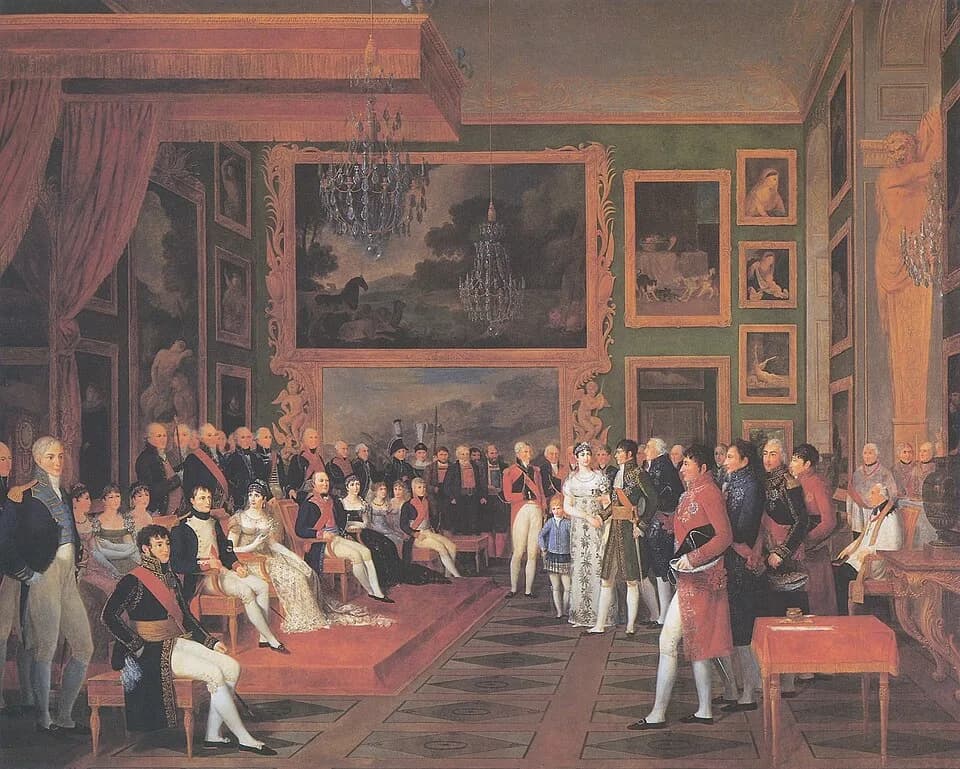
Kafli
Kaflar lífs
Kafli 1 · 1778· Kafli 1 af 7
Early Life and Origins
Born on September 2, 1778, in Ajaccio, France, Louis Bonaparte entered the world as a member of the influential House of Buonaparte. He was the younger brother of Napoleon I, who would later become Emperor of the French. His upbringing in Ajaccio, a significant city on the island of Corsica, provided the foundation for his future endeavors in military and political life.
Kafli 2· Kafli 2 af 7
A Military and Political Genesis
From an early age, Louis was immersed in the world of military affairs, eventually serving as a military officer. His path was intertwined with his family's ascent, leading him into the sphere of politics. He quickly developed a reputation not only for his strategic mind but also for his diplomatic abilities, which would serve him well in his later roles.
Kafli 3 · 1806· Kafli 3 af 7
Reign as King of Holland
One of Louis Bonaparte's defining roles began in 1806 when he was appointed King of Holland by his brother, Napoleon I. During his four-year reign as Louis I, which lasted until 1810, he sought to govern the Kingdom of Holland with a genuine concern for its people. He was a monarch in his own right, aiming to balance the interests of the Dutch nation with the demanding expectations of his imperial brother.
His time as king was marked by efforts to promote Dutch welfare and autonomy, often clashing with Napoleon's continental system policies. This period highlights his commitment as a politician and diplomat to the people he governed, despite the inherent complexities of his position as a Bonaparte.
Kafli 4· Kafli 4 af 7
Personal Connections
Louis Bonaparte's most prominent personal connection was his relationship with his elder brother, Napoleon I, Emperor of the French. This sibling bond influenced many aspects of his life and career, from his early military service to his appointment as King of Holland. Their relationship, while sometimes strained by political differences, defined much of Louis's public trajectory.
Kafli 5· Kafli 5 af 7
Contributions as a Writer and Historian
Beyond his political and military service, Louis Bonaparte was a prolific writer and historian. His works demonstrate a thoughtful and reflective mind, offering valuable insights into the political climate and governance of his time. Among his notable publications are several volumes, including "Marie, Ou les Hollandaises, Volume 3..." and "Historical Documents and Reflections on the Government of Holland; Volume I," showcasing his deep engagement with Dutch affairs.
He further contributed to historical discourse with works such as "Documents Historiques et Réflexions Sur le Gouvernement de la Hollande; Volume 1" and "Documens Historiques et Réflexions Sur le Gouvernement de la Hollande, Volume 2...". His critical perspective is evident in "On the Opinions and Policy of Napoleon" and "A Reply to Sir Walter Scott's History of Napoleon," where he engaged directly with contemporary analyses of his brother's rule, solidifying his identity as a serious scholar.
Kafli 6 · 1810· Kafli 6 af 7
Later Life and Passing
After his abdication as King of Holland in 1810, Louis Bonaparte spent his later years primarily focusing on his writing and scholarly pursuits. He continued to reflect on his experiences and the broader historical context of the Napoleonic era. Louis passed away on July 25, 1846, in Livorno, Italy, concluding a life filled with political service, military endeavors, and intellectual contributions.
Kafli 7· Kafli 7 af 7
Enduring Legacy
Louis Bonaparte's legacy is multifaceted, remembered not only as the brother of Napoleon but also as a king who championed his adopted country, a dedicated writer, and a historian. His detailed historical documents and reflections provide unique primary sources for understanding the Kingdom of Holland during a turbulent era. His contributions as a military officer and diplomat further underscore his lasting impact on European history, offering a distinct perspective from within the heart of the Napoleonic empire.
Algengar spurningar
Algengar spurningar
Hvenær lést Louis Bonaparte?
Louis Bonaparte lést 25. júlí 1846 í Livorno, Italy, 67 ára gamall(ll).
Hvar fæddist Louis Bonaparte?
Louis Bonaparte fæddist í Ajaccio, France 2. september 1778.
Fyrir hvað er Louis Bonaparte þekktastur/þekktust?
Louis Bonaparte er þekktastur/þekktust fyrir king of Holland, brother of Napoleon Bonaparte, member of the House of Buonaparte.
Hve gamall/gömul var Louis Bonaparte við andlátið?
Louis Bonaparte var 67 ára gamall/gömul við andlátið.
Af hvaða þjóðerni var Louis Bonaparte?
Louis Bonaparte var frá France.
Tímalína
Líf í hnotskurn
Myndasafn
Líf í myndum
Smelltu á hvaða Polaroid sem er til að stækka · 24 myndir
QR-kóði
Deila þessari ævisögu
Prenta og deila
Skannaðu til að heimsækja þessa ævisögu. Prentaðu fyrir viðburði, sýningar eða fræðsluefni.