Fædd/ur
August 1, 1744
Bazentin, France
Lést
December 18, 1829
Paris, France
Þekkt/ur fyrir
French naturalist
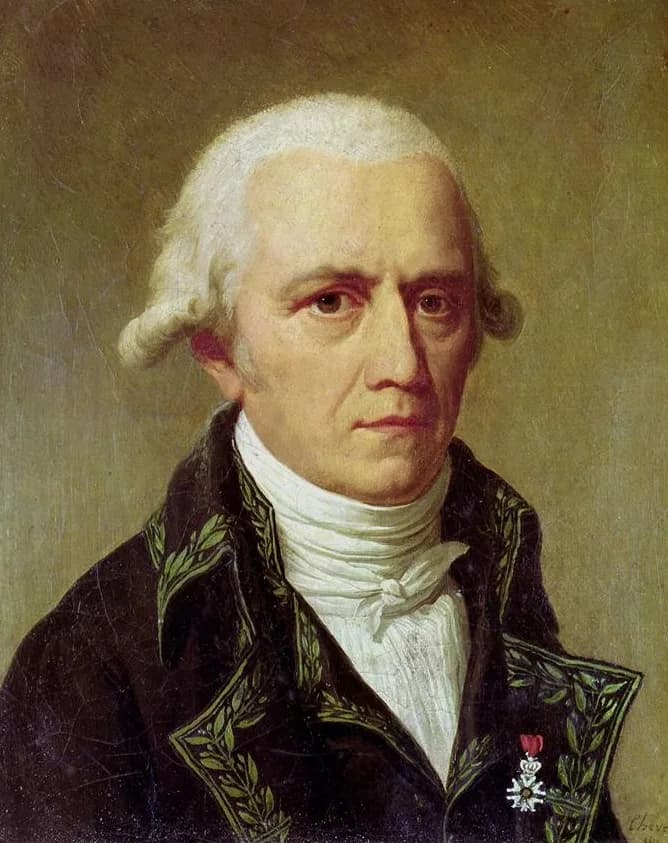
Jean-Baptiste de Lamarck (1744–1829) was France best known for French naturalist.
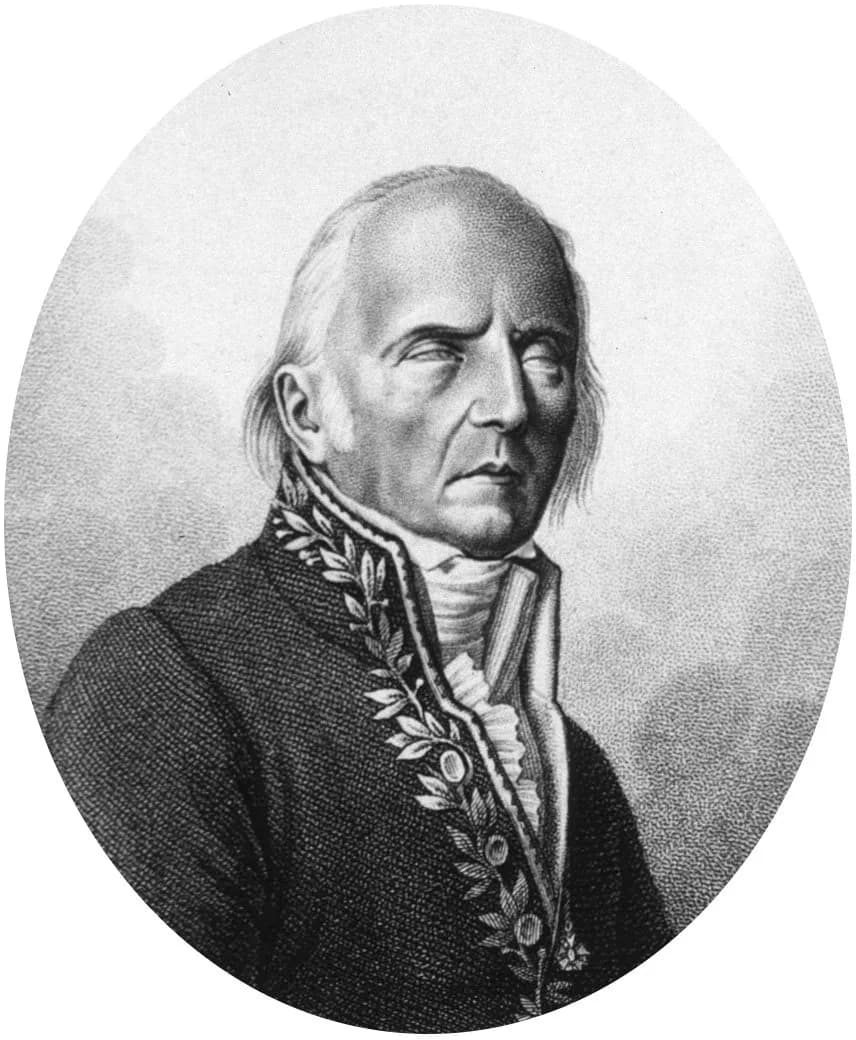
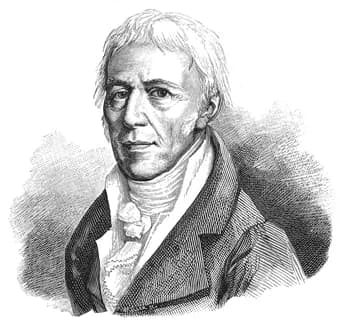
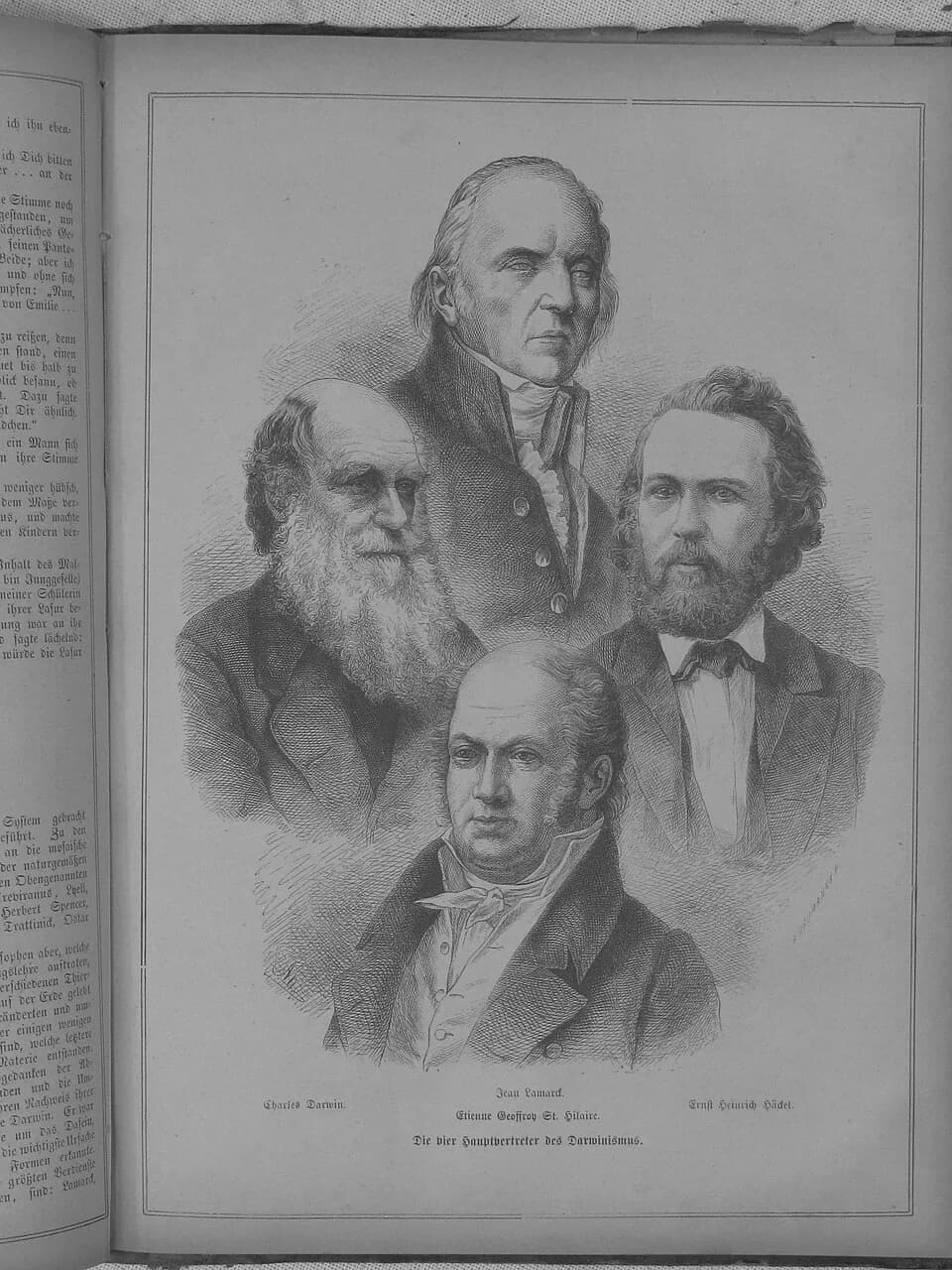
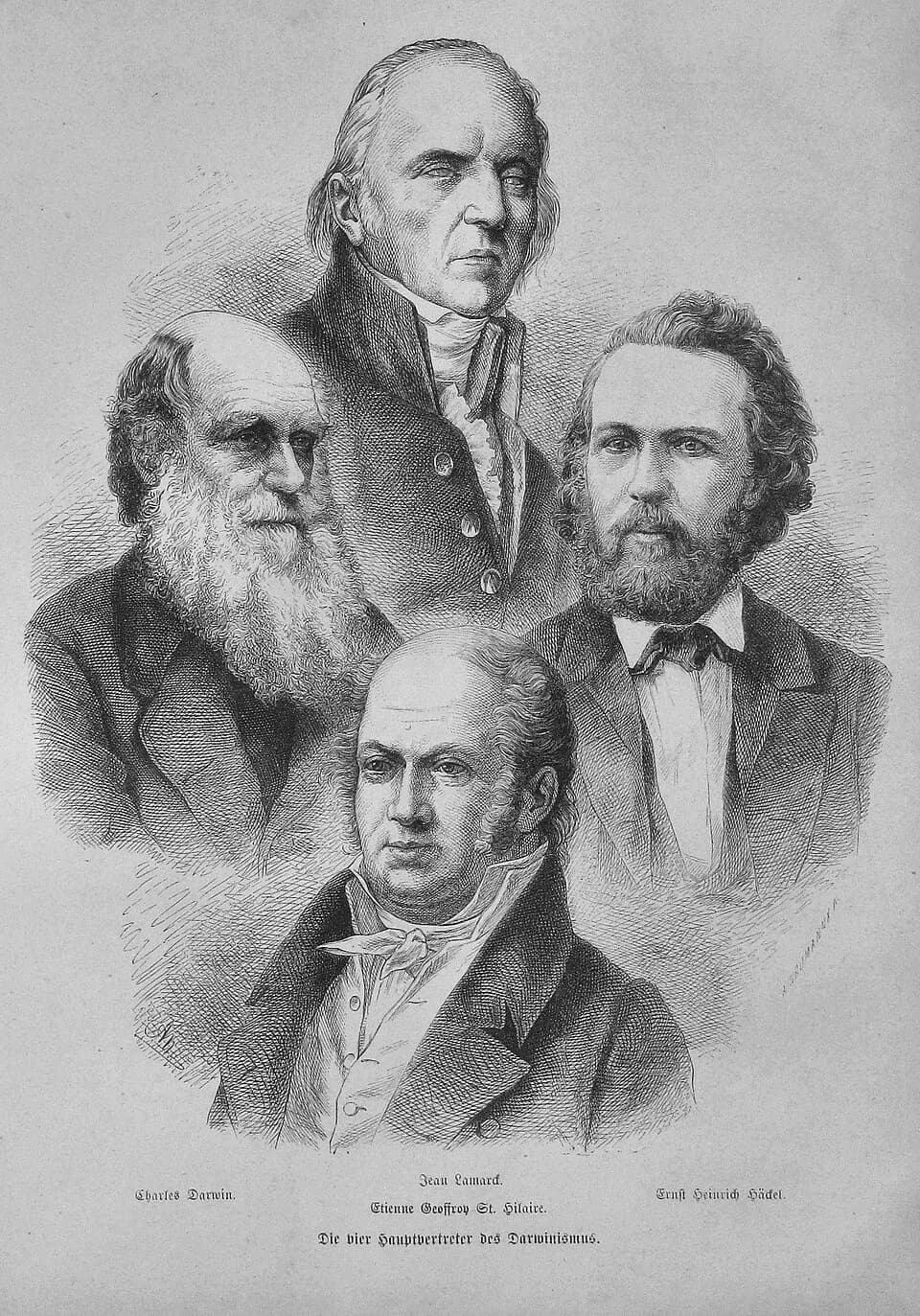
Jean-Baptiste de Lamarck (August 1, 1744 – December 18, 1829) was a French naturalist and biologist. He was an early proponent of biological evolution occurring by natural laws. His extensive work significantly influenced the understanding of life sciences, particularly in zoology and botany.
Kafli
Kaflar lífs
Kafli 1 · 1744· Kafli 1 af 7
Early Life and Origins
Born Jean-Baptiste Pierre Antoine de Monet, chevalier de Lamarck, on August 1, 1744, in Bazentin, France, his early life set the stage for a diverse career. He grew up in an environment that fostered his intellectual curiosity. While the specifics of his early education are not detailed, his eventual mastery of multiple scientific fields suggests a rigorous and dedicated pursuit of knowledge from a young age.
Lamarck also served as a soldier, a detail that hints at a broader set of experiences beyond purely academic pursuits. This early exposure to different aspects of life likely informed his later scientific methodologies and observations of the natural world.
Kafli 2· Kafli 2 af 7
Career Beginnings
Lamarck’s professional journey began not just in academia but also through military service, as noted by his early role as a soldier. This diverse background likely influenced his approach to observation and classification. His initial forays into the scientific world quickly established him as a botanist and botanical collector, laying the groundwork for his later, more expansive biological investigations.
He emerged as an encyclopédistes, contributing to the broader dissemination of knowledge during an intellectually vibrant period in France. This early work highlighted his ability to synthesize and communicate complex scientific ideas, which would become a hallmark of his career.
Kafli 3· Kafli 3 af 7
Major Achievements and Career Highlights
Throughout his long and distinguished career, Jean-Baptiste de Lamarck made significant contributions as a naturalist, zoologist, chemist, and biologist. He held positions as a university teacher, sharing his vast knowledge with new generations of scientists. His work as a paleontologist and meteorologist further showcased his wide-ranging scientific interests.
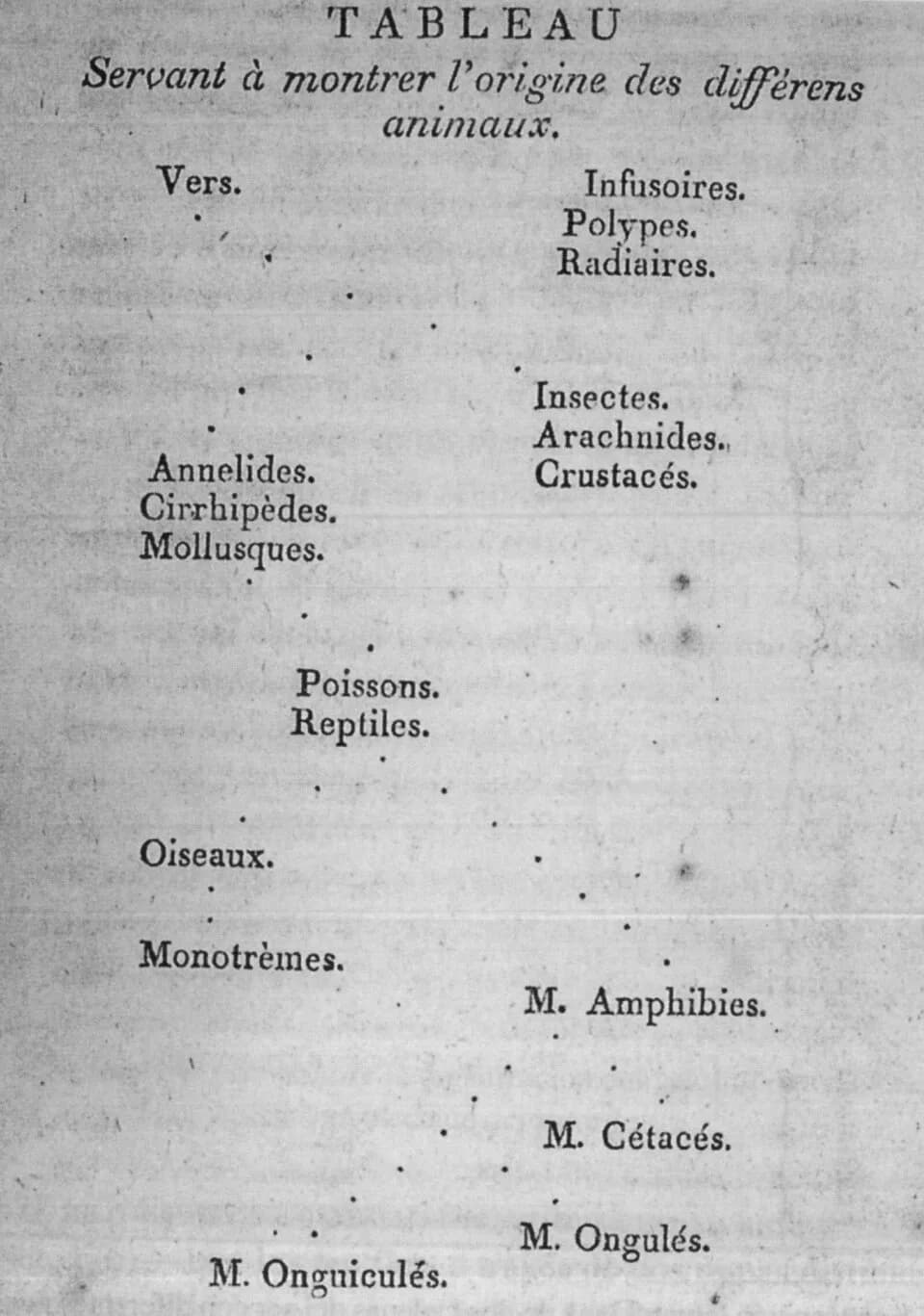
Lamarck's role as an evolutionary biologist places him among the most influential thinkers of his time, as he was an early proponent of the idea that biological evolution occurs. He was convinced that this process proceeded in accordance with natural laws, a powerful concept that challenged prevailing views.
Kafli 4· Kafli 4 af 7
Personal Life
While specific details about Jean-Baptiste de Lamarck's personal life beyond his professional endeavors are not extensively documented, his dedication to scientific inquiry defined much of his existence. His pursuit of knowledge across chemistry, botany, and zoology suggests a life deeply immersed in observation and study.
The sheer breadth of his professional titles, from naturalist to malacologist, indicates a profound personal commitment to understanding the natural world in all its forms. His academic roles and tireless writing demonstrate a life dedicated to the advancement of science.
Kafli 5· Kafli 5 af 7
Notable Works or Contributions
Lamarck's intellectual output was considerable, marked by significant written works and academic publications. Among his notable bibliography is 'Réfutation de la Théorie Pneumatique Ou de la Nouvelle Doctrine des Chimistes Modernes...,' a work reflecting his engagement with contemporary chemical theories. His extensive contributions to the study of invertebrates are perhaps best exemplified by 'Histoire naturelle des animaux sans vertèbres,' which he authored.
His academic contributions are also quantified by an h-index of 16, stemming from 130 papers. While many specific titles are cited with more recent publication dates indicating re-releases or modern compilations, works like 'Histoire naturelle des animaux sans vertèbres. Tome 8,' published in 2018, show continued relevance, having accrued 23 citations. Other academic entries like 'Des caractères essentiels des animaux, comparés à ceux des autres corps de notre globe' (2013) also represent his deep analytical approach.
Kafli 6 · 1829· Kafli 6 af 7
Later Years
As Jean-Baptiste de Lamarck progressed into his later years, he continued his dedicated scientific work in Paris, France, where he eventually passed away on December 18, 1829. His intellectual endeavors remained vigorous, culminating in a life fully devoted to the understanding of natural phenomena.
Despite the challenges of his time, he persisted in developing and refining his theories, leaving behind a substantial body of work for future generations to explore. His passing in Paris marked the end of a long and fruitful life dedicated to science.
Kafli 7· Kafli 7 af 7
Legacy and Impact
Jean-Baptiste de Lamarck's legacy as a French naturalist and biologist is significant, even as aspects of his proposed evolutionary mechanism have been widely refuted. He was a pioneering thinker who firmly advanced the concept of biological evolution, suggesting it operated according to natural laws. His courage to propose such ideas marked a significant intellectual turning point, stimulating further scientific inquiry into the origins and development of life.
His broad impact extended across multiple scientific disciplines, from his foundational work in zoology to his detailed botanical collections. His meticulous classifications and detailed descriptions of invertebrate species were instrumental in shaping the field of malacology. Despite the later scientific consensus on the specific mechanism of evolution, Lamarck's insistence on the reality of evolution and its natural underpinnings established him as a crucial precursor to later evolutionary theories. His persistent efforts helped lay the groundwork for a more scientific understanding of life's diversity and adaptation.
Líf í augnablikum
Augnablikin sem mótuðu líf
Algengar spurningar
Algengar spurningar
Hvenær lést Jean-Baptiste de Lamarck?
Jean-Baptiste de Lamarck lést 18. desember 1829 í Paris, France, 85 ára gamall(ll).
Hvar fæddist Jean-Baptiste de Lamarck?
Jean-Baptiste de Lamarck fæddist í Bazentin, France 1. ágúst 1744.
Fyrir hvað er Jean-Baptiste de Lamarck þekktastur/þekktust?
Jean-Baptiste de Lamarck er þekktastur/þekktust fyrir French naturalist.
Hve gamall/gömul var Jean-Baptiste de Lamarck við andlátið?
Jean-Baptiste de Lamarck var 85 ára gamall/gömul við andlátið.
Af hvaða þjóðerni var Jean-Baptiste de Lamarck?
Jean-Baptiste de Lamarck var frá France.
Tímalína
Líf í hnotskurn
Myndasafn
Líf í myndum
Smelltu á hvaða Polaroid sem er til að stækka · 46 myndir
QR-kóði
Deila þessari ævisögu
Prenta og deila
Skannaðu til að heimsækja þessa ævisögu. Prentaðu fyrir viðburði, sýningar eða fræðsluefni.