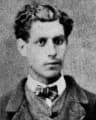
Fædd/ur
May 5, 1846
Wola Okrzejska, Poland
Lést
November 15, 1916
Vevey, Switzerland
Þekkt/ur fyrir
Polish writer, novelist, journalist, philanthropist and Nobel Prize laureate
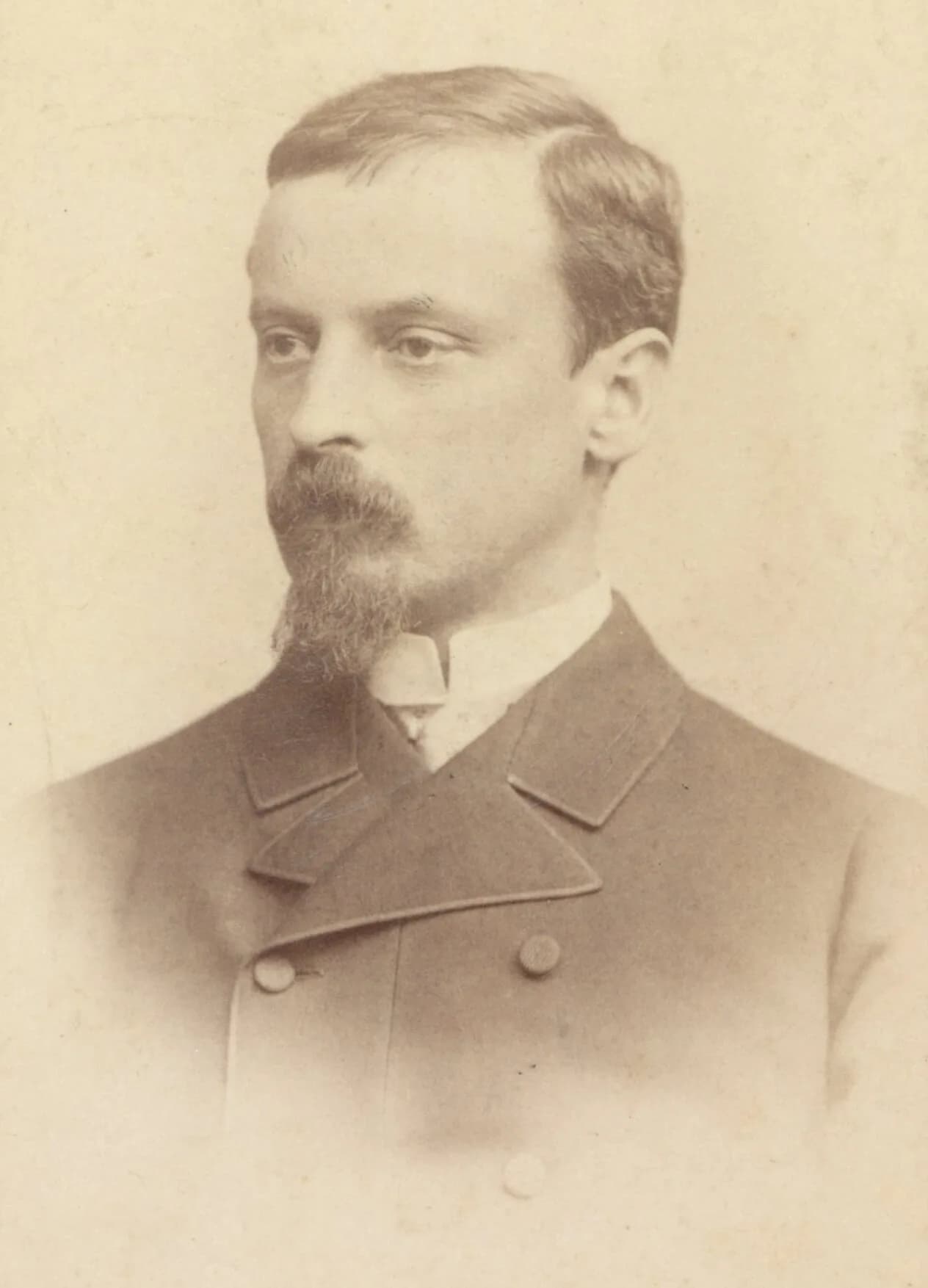
Henryk Sienkiewicz (1846–1916) was Poland best known for Polish writer, novelist, journalist, philanthropist and Nobel Prize laureate.
Henryk Sienkiewicz (May 5, 1846 – November 15, 1916) was a Polish writer, novelist, and Nobel Prize laureate. He is best known for his historical novels, including the epic Trilogy series and the internationally acclaimed best-seller <em>Quo Vadis</em>. His literary contributions continue to shape Polish culture and inspire readers worldwide.
Kafli
Kaflar lífs
Kafli 1 · 1846· Kafli 1 af 7
Early Life and Origins
Henryk Sienkiewicz was born on May 5, 1846, in Wola Okrzejska, Poland, a country then partitioned and under foreign rule. His early life unfolded against this backdrop, influencing his later literary focus on Polish history and national spirit. While details of his upbringing are not extensively provided, his birthplace in Poland clearly anchored his identity and future narrative themes.
Kafli 2· Kafli 2 af 7
Career Beginnings
Sienkiewicz began his prolific career as a journalist, writer, and short story writer, developing a strong voice early on. He sometimes used the pseudonym Litwos, under which some of his initial works appeared. This period of early writing established his narrative style and his commitment to the craft, paving the way for his later, more expansive literary projects.
Kafli 3 · 1905· Kafli 3 af 7
Major Achievements and Career Highlights
A crowning achievement in Henryk Sienkiewicz's career was receiving the Nobel Prize in Literature in 1905. The Swedish Academy recognized him specifically for his “outstanding merits as an epic writer.” This award solidified his standing as a major figure in world literature and brought immense prestige to Polish letters.
Beyond the Nobel Prize, Sienkiewicz was widely celebrated for his historical novels, which often explored pivotal moments in Polish history. His epic Trilogy series earned him widespread acclaim, captivating readers with its vivid portrayals and compelling characters. The success of these works established his reputation as a master storyteller.
Kafli 4· Kafli 4 af 7
Personal Life
Henryk Sienkiewicz was known not only for his literary prowess but also for his philanthropy. Although specific details of his charitable endeavors are not extensively documented in the provided information, his classification as a philanthropist indicates a commitment to social causes. This aspect of his life underscores a dedication to humanity beyond his artistic contributions.
Kafli 5 · 1895· Kafli 5 af 7
Notable Works and Contributions
Henryk Sienkiewicz's bibliography is rich and diverse, spanning novels, short stories, and travelogues. His most famous work, Quo Vadis, published between 1895 and 1896, became an international best-seller, set in ancient Rome and depicting the early Christian persecution. This novel brought him global recognition and was adapted into various forms.
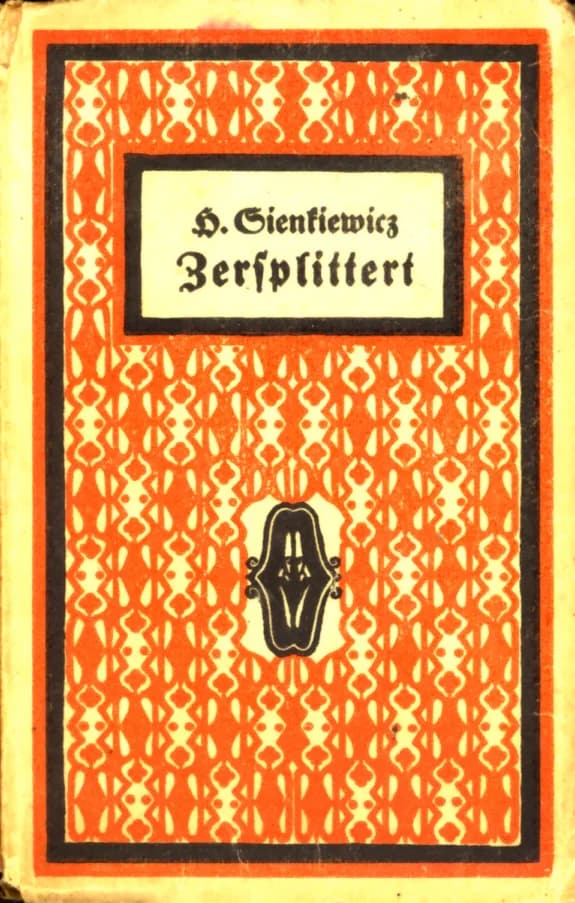
His other significant contributions include the epic historical novels that form the Trilogy series, such as Ogniem i mieczem. Sienkiewicz also penned other notable works like Let us follow him, the travel accounts Listy z podróży do Ameryki (also published as Briefe aus Amerika), and Listy z Afryki. Further works include Kalendarz zycia i twórczości Henryka Sienkiewicza, 你往何處去, Wiadomości bieżące, Orso, and The judgment of Peter and Paul on Olympus, showcasing his versatility as a writer.
Kafli 6 · 1916· Kafli 6 af 7
Later Years
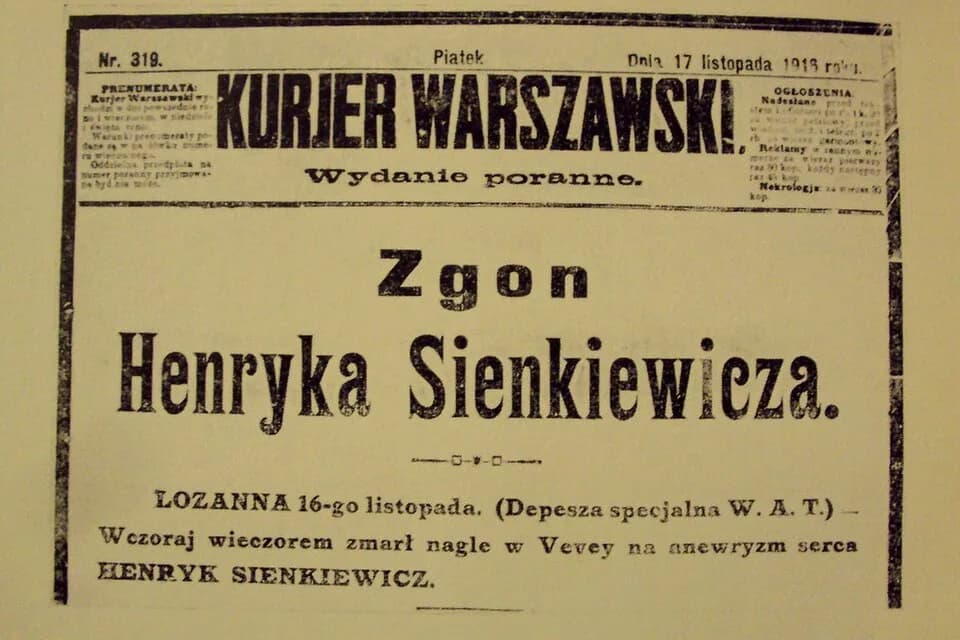
In his later years, Henryk Sienkiewicz continued his literary pursuits, though his final years were spent away from his homeland. He passed away on November 15, 1916, in Vevey, Switzerland. His death marked the end of an era for Polish literature, but his works continued to resonate globally.
Kafli 7· Kafli 7 af 7
Legacy and Impact
Henryk Sienkiewicz left an enduring legacy as a towering figure in Polish literature and an epic writer of international renown. His historical novels revitalized interest in Poland's past and helped to foster a sense of national identity during a period of foreign domination. His commitment to factual detail, combined with gripping narratives, created works that transcended their time.
Today, Henryk Sienkiewicz is remembered not just as a Nobel Prize laureate but as an author whose stories, particularly Quo Vadis and the Trilogy series, continue to be read, studied, and enjoyed by audiences worldwide. His narrative power and historical insights ensure his place among the most celebrated writers of the 19th and early 20th centuries.
Líf í augnablikum
Augnablikin sem mótuðu líf
Algengar spurningar
Algengar spurningar
Hvenær lést Henryk Sienkiewicz?
Henryk Sienkiewicz lést 15. nóvember 1916 í Vevey, Switzerland, 70 ára gamall(ll).
Hvar fæddist Henryk Sienkiewicz?
Henryk Sienkiewicz fæddist í Wola Okrzejska, Poland 5. maí 1846.
Fyrir hvað er Henryk Sienkiewicz þekktastur/þekktust?
Henryk Sienkiewicz er þekktastur/þekktust fyrir Polish writer, novelist, journalist, philanthropist and Nobel Prize laureate.
Hve gamall/gömul var Henryk Sienkiewicz við andlátið?
Henryk Sienkiewicz var 70 ára gamall/gömul við andlátið.
Af hvaða þjóðerni var Henryk Sienkiewicz?
Henryk Sienkiewicz var frá Poland.
Tímalína
Líf í hnotskurn
Myndasafn
Líf í myndum
Smelltu á hvaða Polaroid sem er til að stækka · 42 myndir
QR-kóði
Deila þessari ævisögu
Prenta og deila
Skannaðu til að heimsækja þessa ævisögu. Prentaðu fyrir viðburði, sýningar eða fræðsluefni.