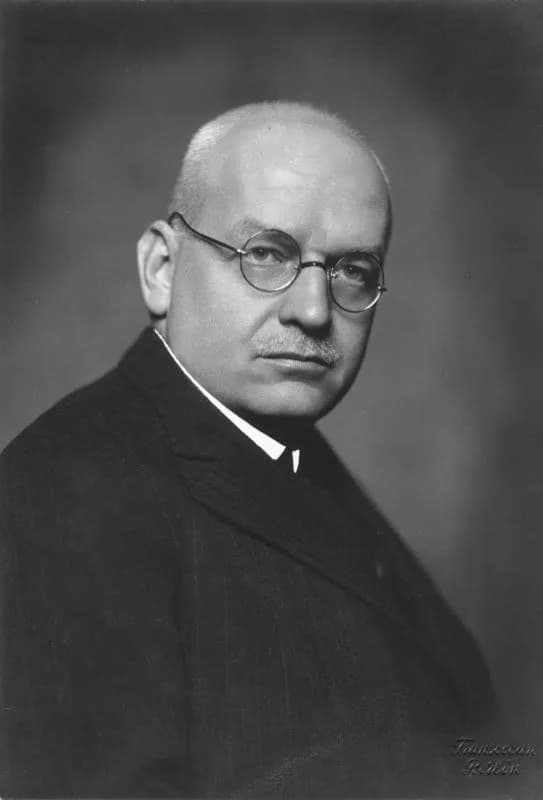
Fædd/ur
March 10, 1879
Berlin, Margraviate of Brandenburg
Lést
May 11, 1962
Düsseldorf, Germany
Þekkt/ur fyrir
German chancellor
Hans Luther (1879–1962) was Margraviate of Brandenburg best known for German chancellor.
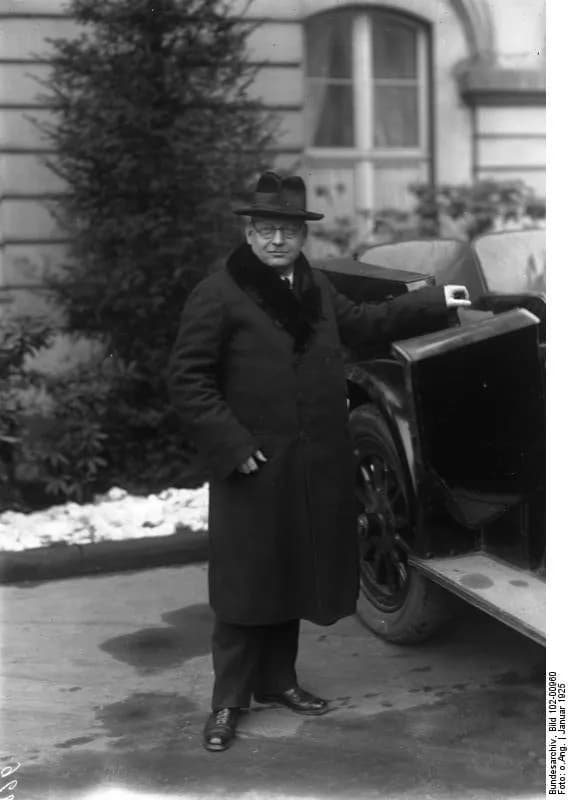
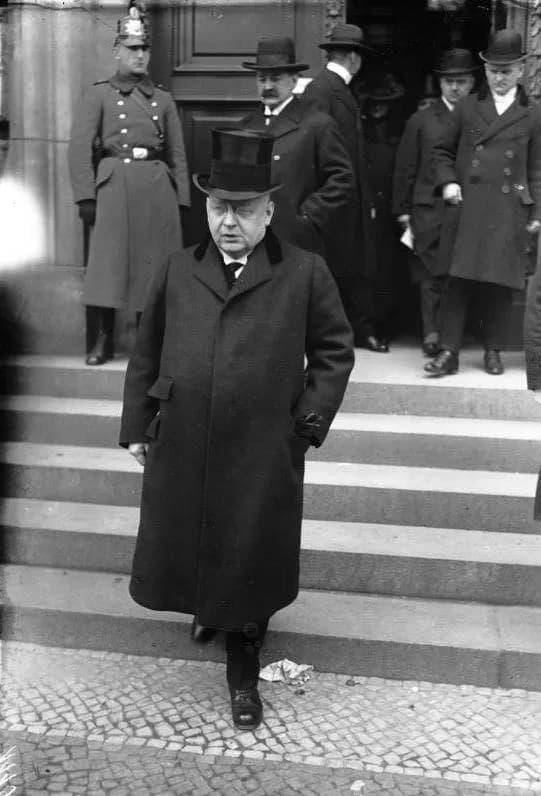
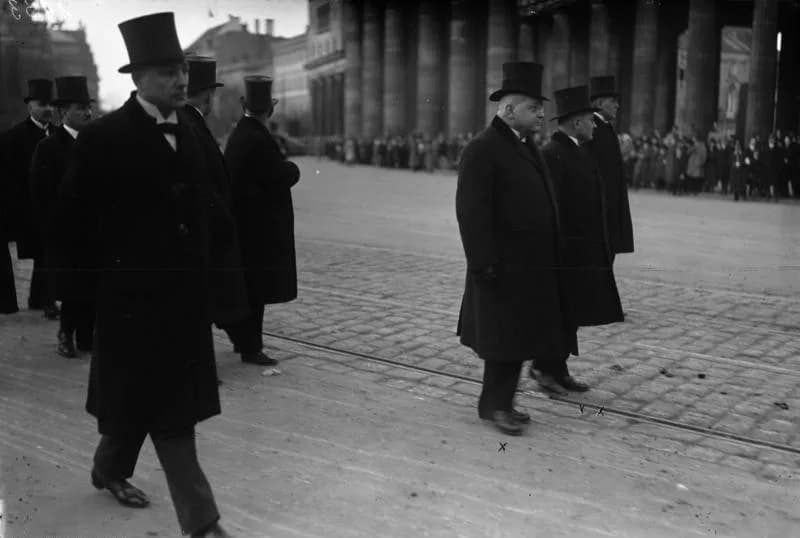
Hans Luther (March 10, 1879 – May 11, 1962) was a German lawyer, politician, and jurist from Berlin. He served as Chancellor of Germany from 1925 to 1926 and played a crucial role in stabilizing the Mark during the 1923 hyperinflation. His career also included leading the Reichsbank and serving as Ambassador to the United States.
Kafli
Kaflar lífs
Kafli 1 · 1879· Kafli 1 af 7
Early Life and Origins
Hans Luther entered the world in Berlin, which was then part of the Margraviate of Brandenburg, on March 10, 1879. Born into an era of dynamic change for Germany, his early life in the capital city undoubtedly shaped his understanding of national governance and public affairs. His foundational years and education in Berlin prepared him for a path of legal scholarship and, ultimately, a demanding career in public service.
Details of his family and specific upbringing are not extensively documented in available records. However, the intellectual environment of late 19th-century Berlin, a hub of culture and political thought, likely fostered the analytical skills and civic duty that would become hallmarks of his later professional life.
Kafli 2· Kafli 2 af 7
Career Beginnings
Luther began his professional journey as a lawyer, a rigorous field that provided him with a strong understanding of legal frameworks and societal structures. This initial profession laid a solid groundwork for his eventual transition into the complex world of politics. His legal expertise proved invaluable as he moved into various administrative and governmental roles.
His early political engagements, though not detailed in provided information, would have seen him applying his juridical knowledge to practical policy-making. This blend of legal precision and political ambition propelled him upwards, setting the stage for his impactful contributions to the German state.
Kafli 3 · 1923· Kafli 3 af 7
Major Achievements and Career Highlights
One of Hans Luther's most critical achievements came during the severe economic crisis of 1923. As Minister of Finance, he played a crucial role in stabilizing the Mark during a period of rampant hyperinflation. His policies and steady leadership helped to restore confidence in the German currency, a monumental task that prevented further economic collapse and set the stage for a brief period of recovery.
Following this vital financial stabilization, Luther ascended to the highest political office, serving as Chancellor of Germany for 482 days from 1925 to 1926. During his chancellorship, he navigated a complex political landscape, working to consolidate stability and manage the nation's post-war challenges. His tenure as Chancellor demonstrated his capacity for national leadership during a tumultuous decade.
His expertise extended beyond immediate political leadership into high-level financial administration. From 1930 to 1933, Luther held the prestigious position of head of the Reichsbank, Germany's central bank. In this role, he was responsible for monetary policy and the overall financial health of the nation, continuing his legacy of involvement in critical economic management.
Kafli 4· Kafli 4 af 7
Personal Life
While Hans Luther's public and professional life is well-documented through his significant political and diplomatic roles, specific details regarding his personal life, family, and private interests are not available in the provided historical overview. His dedication to public service appears to have been the primary focus of his historical narrative, with less emphasis placed on his private affairs.
Kafli 5· Kafli 5 af 7
Notable Works or Contributions
Hans Luther's career was a series of significant contributions across several fields. Beyond his roles as a lawyer and politician, he distinguished himself as a jurist, diplomat, banker, and financier. His diverse professional background allowed him to approach national challenges with a comprehensive understanding of legal, economic, and political dimensions.
His stabilization of the Mark in 1923 stands as a particularly impactful contribution, demonstrating his acute financial acumen and decisive leadership during a national emergency. His subsequent service as Chancellor, head of the Reichsbank, and Ambassador showcased a rare combination of practical governance, economic stewardship, and international representation.
Kafli 6 · 1933· Kafli 6 af 7
Later Years
After his distinguished service as head of the Reichsbank, Hans Luther embarked on a significant diplomatic career. From 1933 to 1937, he served as the German Ambassador to the United States. This role placed him at the forefront of international relations during a period of increasing global tension, where he represented German interests abroad and navigated complex diplomatic challenges.
Hans Luther passed away in Düsseldorf, Germany, on May 11, 1962, at the age of 83. His death marked the end of a long and influential career dedicated to the service of his nation, leaving behind a legacy of financial recovery and diplomatic engagement.
Kafli 7 · 1923· Kafli 7 af 7
Legacy and Impact
The legacy of Hans Luther is primarily defined by his instrumental role in stabilizing Germany's economy during the hyperinflation crisis of 1923. His firm leadership as Minister of Finance averted further economic chaos and provided a crucial foundation for subsequent national recovery. This achievement solidified his reputation as a capable and essential figure in German finance.
Beyond his financial contributions, his tenure as Chancellor, head of the Reichsbank, and German Ambassador to the United States illustrate a career committed to national governance and international representation. Hans Luther's ability to adapt and excel in diverse and high-stakes roles left an enduring mark on German political and economic history during the Weimar Republic and beyond.
Líf í augnablikum
Augnablikin sem mótuðu líf
Algengar spurningar
Algengar spurningar
Hvenær lést Hans Luther?
Hans Luther lést 11. maí 1962 í Düsseldorf, Germany, 83 ára gamall(ll).
Hvar fæddist Hans Luther?
Hans Luther fæddist í Berlin, Margraviate of Brandenburg 10. mars 1879.
Fyrir hvað er Hans Luther þekktastur/þekktust?
Hans Luther er þekktastur/þekktust fyrir German chancellor.
Hve gamall/gömul var Hans Luther við andlátið?
Hans Luther var 83 ára gamall/gömul við andlátið.
Af hvaða þjóðerni var Hans Luther?
Hans Luther var frá Margraviate of Brandenburg.
Tímalína
Líf í hnotskurn
Myndasafn
Líf í myndum
Smelltu á hvaða Polaroid sem er til að stækka · 22 myndir
QR-kóði
Deila þessari ævisögu
Prenta og deila
Skannaðu til að heimsækja þessa ævisögu. Prentaðu fyrir viðburði, sýningar eða fræðsluefni.