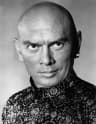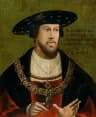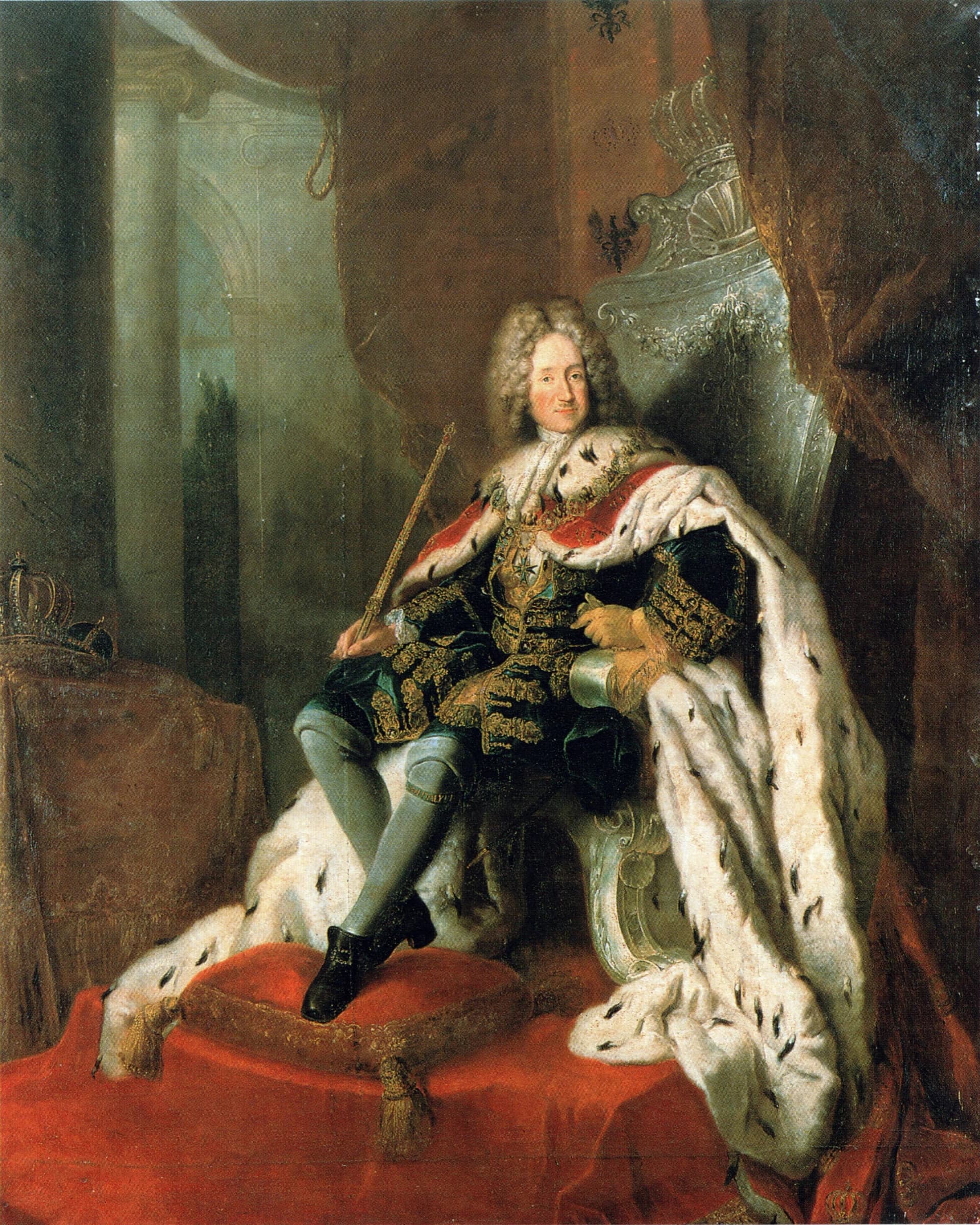
Fædd/ur
July 11, 1657
Königsberg, Prussia
Lést
February 25, 1713
Berlin, Margraviate of Brandenburg
Þekkt/ur fyrir
1657 – 1713, Elector of Brandenburg and Duke of Prussia in personal union (Brandenburg-Prussia)
Frederick I of Prussia (1657–1713) was Prussia best known for 1657 – 1713, Elector of Brandenburg and Duke of Prussia in personal union (Brandenburg-Prussia).
Frederick I of Prussia (July 11, 1657 – February 25, 1713) was a politician from Königsberg, Prussia. He significantly elevated the status of his domain, becoming the first King in Prussia in 1701. His reign marked a crucial period in the evolution of Prussian statehood.
Kafli
Kaflar lífs
Kafli 1 · 1657· Kafli 1 af 7
Introduction
We honor the memory of Frederick I of Prussia (July 11, 1657 – February 25, 1713), a distinguished politician whose reign marked a crucial period in European history. Serving first as Elector of Brandenburg and Duke of Prussia, he famously elevated his dukedom to a kingdom, thereby becoming the first King in Prussia.
Kafli 2 · 1657· Kafli 2 af 7
Early Life and Dynastic Roots
Frederick I was born on July 11, 1657, in Königsberg, a prominent city within the territory of Prussia. He belonged to the illustrious Hohenzollern dynasty, a noble family with a long and influential history in Germanic lands. His upbringing within this powerful lineage prepared him for a life of leadership and statecraft.
Kafli 3 · 1688· Kafli 3 af 7
Ascension to Power
Frederick ascended to his initial roles in 1688, becoming the Elector of Brandenburg and Duke of Prussia. This personal union created the entity known as Brandenburg-Prussia, a significant territorial and political force in Central Europe. His early years in power were characterized by steady governance and the consolidation of his authority.
Kafli 4 · 1701· Kafli 4 af 7
Establishing the Kingdom
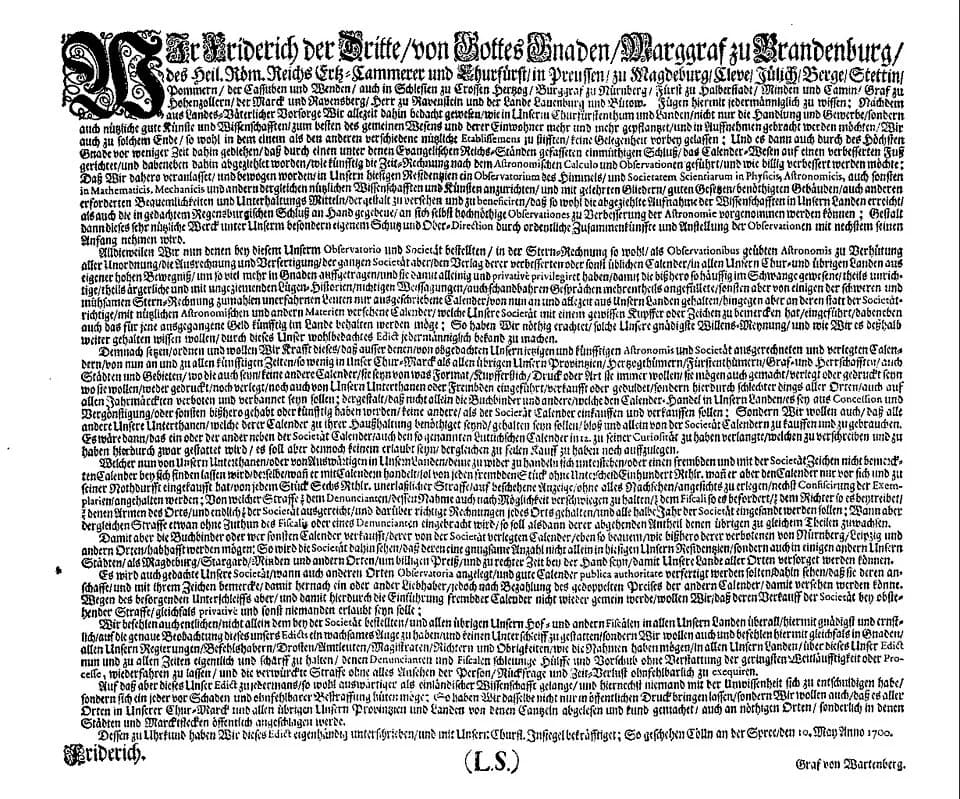
One of Frederick I's most defining achievements was his success in upgrading the status of his dukedom to a royalty. In 1701, he officially became the first King in Prussia, a monumental step that significantly enhanced the prestige and independence of his domain. This act laid crucial groundwork for the future of the Prussian state.
Kafli 5 · 1707· Kafli 5 af 7
Broader Influence and Later Reign
Beyond his core territories, Frederick I also expanded his influence, becoming the Prince of Neuchâtel from 1707. His reign was characterized by efforts to modernize and strengthen his state, contributing to its growing prominence on the European stage. He demonstrated astute political skill in navigating the complex alliances and conflicts of his era.
Kafli 6 · 1713· Kafli 6 af 7
End of Life and Lasting Legacy
Frederick I ruled as King in Prussia until his passing on February 25, 1713, in Berlin, then part of the Margraviate of Brandenburg. His death marked the end of an era defined by significant advancements in the status of Prussia. He is remembered for his determination and diplomatic acumen.
Kafli 7· Kafli 7 af 7
Legacy and Impact
Frederick I's legacy is primarily centered on his success in transforming a ducal territory into a kingdom. This strategic elevation positioned Prussia as a major power, influencing subsequent European political developments for centuries. He cultivated a royal court and promoted cultural and scientific endeavors, fostering a sense of national identity for the nascent kingdom.
Líf í augnablikum
Augnablikin sem mótuðu líf
Algengar spurningar
Algengar spurningar
Hvenær lést Frederick I of Prussia?
Frederick I of Prussia lést 25. febrúar 1713 í Berlin, Margraviate of Brandenburg, 55 ára gamall(ll).
Hvar fæddist Frederick I of Prussia?
Frederick I of Prussia fæddist í Königsberg, Prussia 11. júlí 1657.
Fyrir hvað er Frederick I of Prussia þekktastur/þekktust?
Frederick I of Prussia er þekktastur/þekktust fyrir 1657 – 1713, Elector of Brandenburg and Duke of Prussia in personal union (Brandenburg-Prussia).
Hve gamall/gömul var Frederick I of Prussia við andlátið?
Frederick I of Prussia var 55 ára gamall/gömul við andlátið.
Af hvaða þjóðerni var Frederick I of Prussia?
Frederick I of Prussia var frá Prussia.
Tímalína
Líf í hnotskurn
Myndasafn
Líf í myndum
Smelltu á hvaða Polaroid sem er til að stækka · 46 myndir
QR-kóði
Deila þessari ævisögu
Prenta og deila
Skannaðu til að heimsækja þessa ævisögu. Prentaðu fyrir viðburði, sýningar eða fræðsluefni.