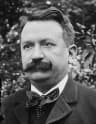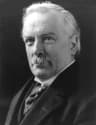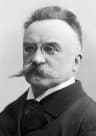
Fædd/ur
October 16, 1863
Birmingham, United Kingdom
Lést
March 16, 1937
London, Roman Empire
Þekkt/ur fyrir
British politician
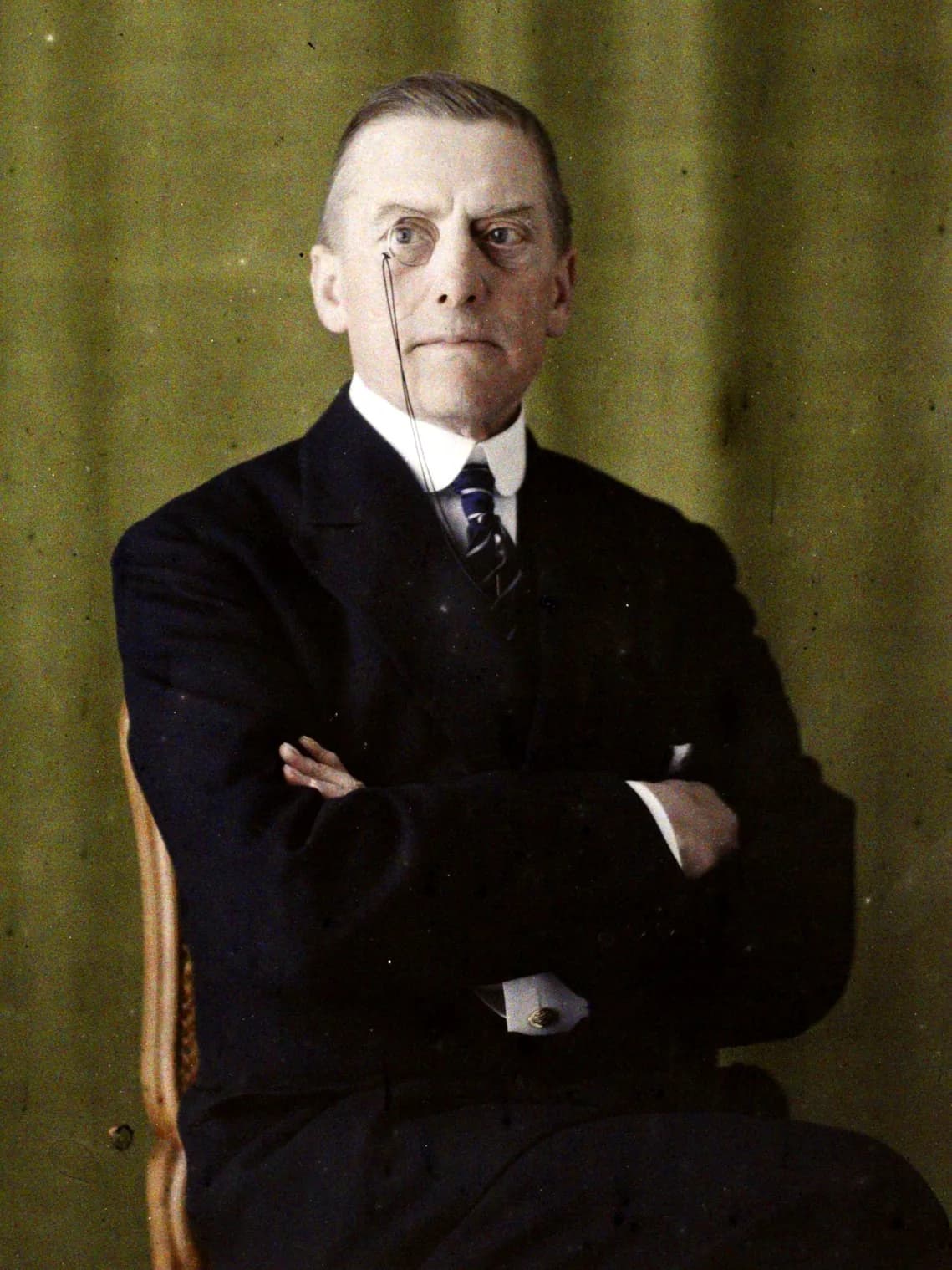
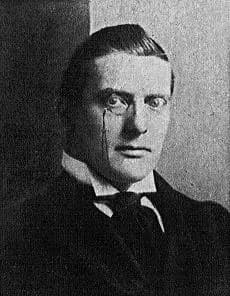
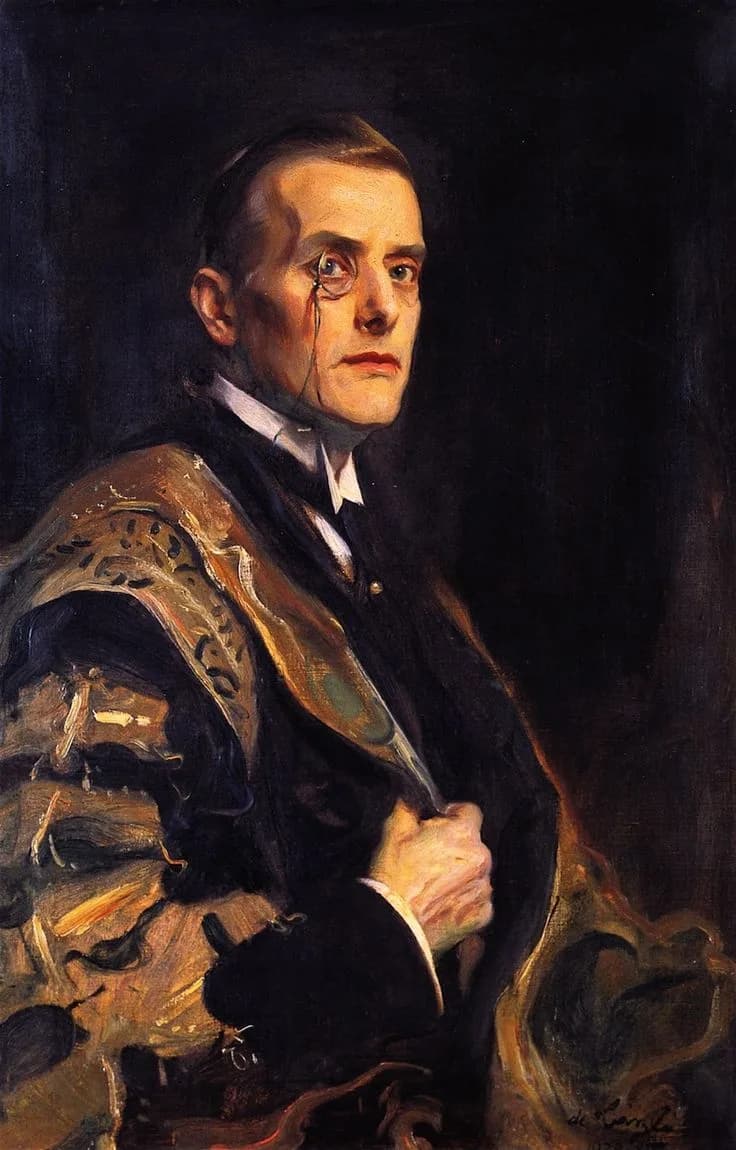
Austen Chamberlain (1863–1937) was United Kingdom best known for British politician.
Sir Joseph Austen Chamberlain (October 16, 1863 – March 16, 1937) was a British politician and statesman from Birmingham, United Kingdom. He was a Nobel Peace Prize winner for his crucial role in bringing about the Locarno Treaty, which aimed to secure peace in post-World War I Europe. His extensive career included serving as Chancellor of the Exchequer and Foreign Secretary.
Kafli
Kaflar lífs
Kafli 1· Kafli 1 af 7
Early Life and Origins
Austen Chamberlain was born in Birmingham, United Kingdom, into one of Britain's most prominent political families. His father was Joseph Chamberlain, a highly influential figure in Victorian and Edwardian British politics, known for his radical liberalism and later for his advocacy of imperial federation. This family background immersed young Austen in the world of politics from a very early age, shaping his perspectives and preparing him for a life of public service. The familial legacy continued with his younger half-brother, Neville Chamberlain, who would later become Prime Minister of the United Kingdom.
Growing up in such an environment meant that discussions of national policy and international relations were commonplace within the Chamberlain household. This unique upbringing provided him with an unparalleled informal education in statesmanship and political strategy. His formative years in Birmingham, a vibrant industrial city, also exposed him to the economic and social issues that would later inform his policy decisions as a national leader.
Kafli 2· Kafli 2 af 7
Career Beginnings
Austen Chamberlain formally began his extensive political career when he was elected as a Member of Parliament (MP). He served as an MP for an impressive 45 years, a testament to his enduring commitment to public service and his ability to connect with the electorate. This long tenure in the House of Commons allowed him to gain deep experience across various governmental functions and parliamentary procedures, building a robust foundation for his future leadership roles.
His early parliamentary work involved active participation in debates and committees, allowing him to hone his skills as a legislator and orator. The experience of serving in Parliament for nearly half a century provided him with an intricate understanding of both domestic and foreign policy challenges facing the United Kingdom. This period of consistent service established him as a reliable and knowledgeable figure within the Conservative Party.
Kafli 3· Kafli 3 af 7
Major Achievements and Career Highlights
Chamberlain's career was marked by significant appointments and achievements at the highest levels of British government. He twice held the crucial office of Chancellor of the Exchequer, responsible for the nation's economic and financial policy. During his time as Chancellor, he navigated complex fiscal challenges, demonstrating his acumen in economic governance and ensuring the stability of the national finances during periods of considerable change.
He also briefly served as the leader of the Conservative Party, a role that placed him at the forefront of British politics and demonstrated the high regard in which he was held by his peers. However, it was his subsequent role as Foreign Secretary that would bring him his most enduring international recognition. As Foreign Secretary, he played a crucial role in shaping Britain's diplomatic strategy and fostering international peace and cooperation during a turbulent interwar period.
Kafli 4· Kafli 4 af 7
Personal Life
While the provided details primarily focus on Austen Chamberlain's illustrious public and professional life, his commitments undoubtedly extended beyond the political arena. He was a son to Joseph Chamberlain, a giant of British politics, and an elder half-brother to Neville Chamberlain, who would also rise to become Prime Minister. This familial connection highlights a life deeply interwoven with the political fabric of the United Kingdom, suggesting a personal world often shaped by public responsibilities.
Specific details about his personal relationships or private interests are not extensively documented in the available information. However, his enduring service and dedication to the nation suggest a man deeply committed to his work and the welfare of his country. The demanding nature of a 45-year parliamentary career and multiple high-level ministerial positions would have required considerable personal sacrifice and unwavering focus.
Kafli 5 · 1925· Kafli 5 af 7
Notable Works or Contributions
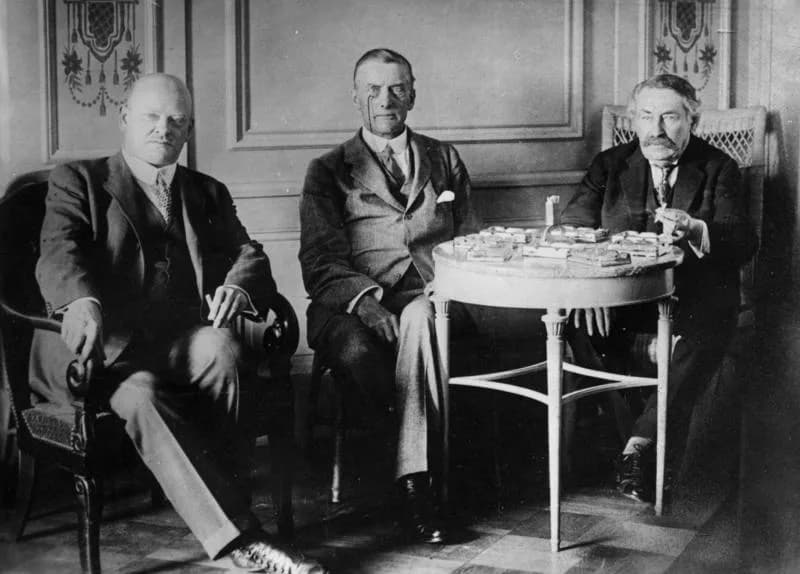
Austen Chamberlain's most celebrated contribution to international diplomacy was his instrumental involvement in bringing about the Locarno Treaty in 1925. This series of agreements aimed to secure the post-World War I territorial settlement and normalize relations between the major European powers, particularly France and Germany. As Foreign Secretary, Chamberlain tirelessly worked to bridge divides and foster a spirit of reconciliation, believing that international cooperation was essential for lasting peace.
The Locarno Treaty was a landmark achievement, often referred to as the 'Locarno honeymoon,' as it led to a period of improved relations and optimism in Europe. For his crucial role in orchestrating these treaties, Austen Chamberlain was awarded the Nobel Peace Prize in 1925, sharing it with Charles G. Dawes. This prestigious award recognized his dedication to defusing tensions and establishing a framework for collective security in Europe, solidifying his reputation as a leading international statesman.
Kafli 6· Kafli 6 af 7
Later Years
Even after his most prominent roles, Austen Chamberlain remained an influential voice in British politics. His extensive experience and deep understanding of foreign affairs meant his counsel was frequently sought. He continued to serve as a Member of Parliament until his death, maintaining his commitment to his constituents and the legislative process.
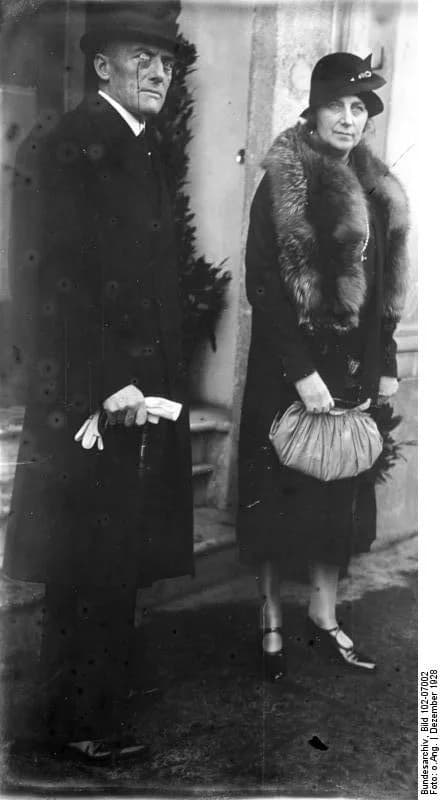
His later years saw him continuing to advocate for his political ideals and contribute to national discussions, drawing on decades of experience in both domestic and international policy. Sir Austen Chamberlain passed away on March 16, 1937, in London, Roman Empire, having lived a life defined by continuous public service and a profound dedication to his country and to the cause of peace.
Kafli 7· Kafli 7 af 7
Legacy and Impact
Sir Joseph Austen Chamberlain's legacy is firmly rooted in his long and distinguished political career and his significant contributions to international peace. His 45 years as a Member of Parliament showcase a rare dedication to legislative service, and his two terms as Chancellor of the Exchequer highlight his capacity for economic stewardship. He demonstrated exceptional leadership as a British politician and statesperson throughout his various roles.
Perhaps his most enduring impact stems from his work as Foreign Secretary, particularly his crucial role in the Locarno Treaty, for which he was deservedly awarded the Nobel Peace Prize. He represented a generation of statesmen who sought to rebuild a stable world order after the devastation of World War I. His efforts helped to establish diplomatic precedents and foster a spirit of international cooperation that aimed to prevent future conflicts, making him a truly notable figure in 20th-century history.
Líf í augnablikum
Augnablikin sem mótuðu líf
Algengar spurningar
Algengar spurningar
Hvenær lést Austen Chamberlain?
Austen Chamberlain lést 16. mars 1937 í London, Roman Empire, 73 ára gamall(ll).
Hvar fæddist Austen Chamberlain?
Austen Chamberlain fæddist í Birmingham, United Kingdom 16. október 1863.
Fyrir hvað er Austen Chamberlain þekktastur/þekktust?
Austen Chamberlain er þekktastur/þekktust fyrir British politician.
Hve gamall/gömul var Austen Chamberlain við andlátið?
Austen Chamberlain var 73 ára gamall/gömul við andlátið.
Af hvaða þjóðerni var Austen Chamberlain?
Austen Chamberlain var frá United Kingdom.
Tímalína
Líf í hnotskurn
Myndasafn
Líf í myndum
Smelltu á hvaða Polaroid sem er til að stækka · 44 myndir
QR-kóði
Deila þessari ævisögu
Prenta og deila
Skannaðu til að heimsækja þessa ævisögu. Prentaðu fyrir viðburði, sýningar eða fræðsluefni.