Fædd/ur
July 29, 1805
Paris, France
Lést
April 16, 1859
Cannes, France
Þekkt/ur fyrir
French political thinker and historian, minister of Foreign Affairs
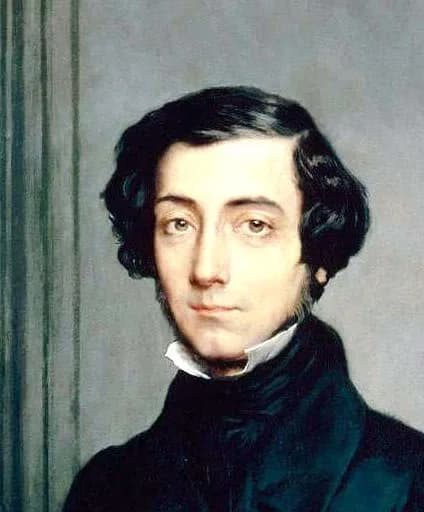
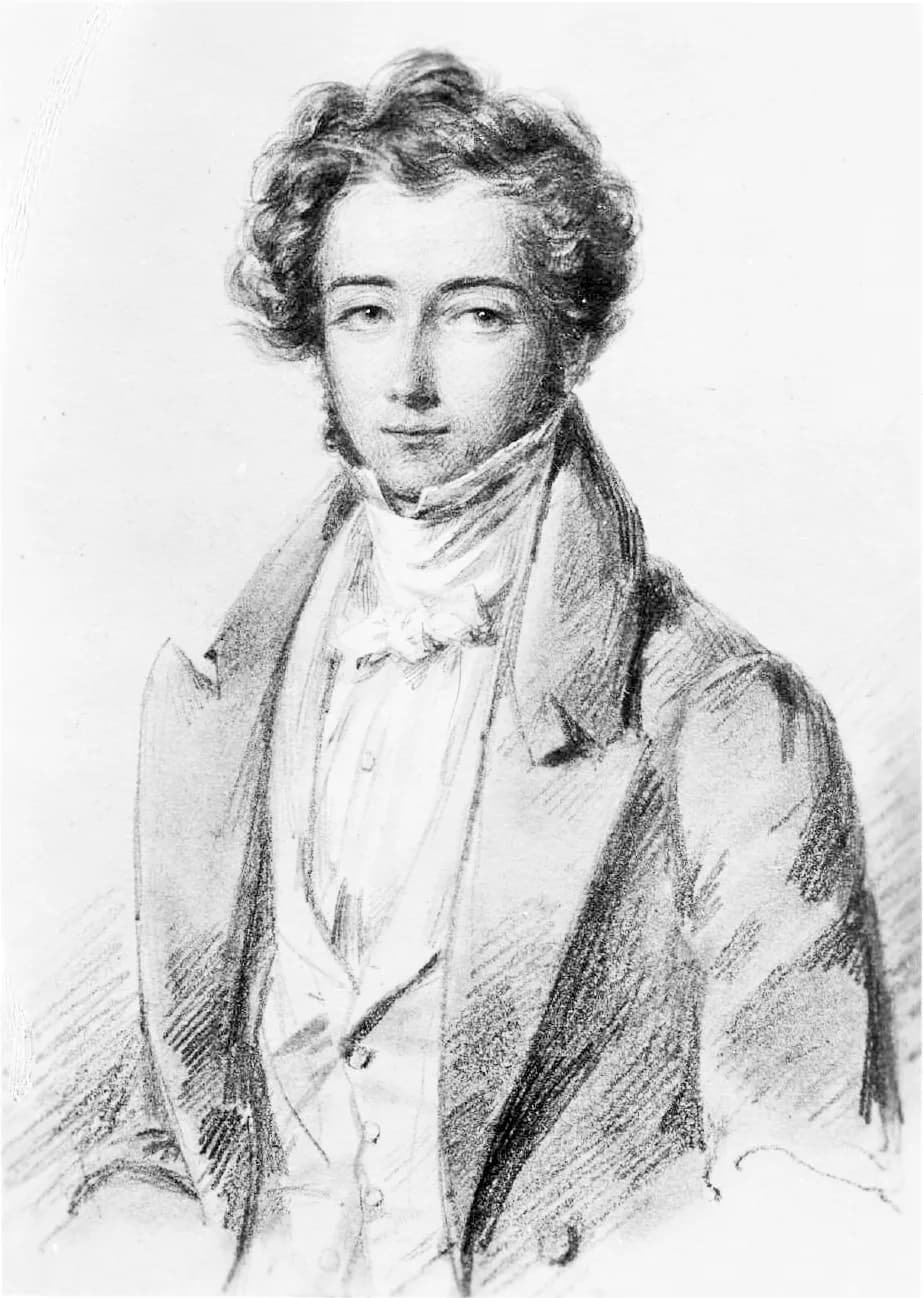
Alexis de Tocqueville (1805–1859) was France best known for French political thinker and historian, minister of Foreign Affairs.
Alexis de Tocqueville (July 29, 1805 – April 16, 1859) was a French political thinker, historian, and diplomat. He is celebrated for his works, <i>Democracy in America</i> and <i>The Old Regime and the Revolution</i>, which analyzed Western societies. His insights remain foundational to political science and sociology.
Kafli
Kaflar lífs
Kafli 1 · 1805· Kafli 1 af 7
Remembering Alexis de Tocqueville: A Visionary Thinker on Democracy and Society
Alexis Charles Henri Clérel, comte de Tocqueville (July 29, 1805 – April 16, 1859), was a distinguished French political thinker, historian, and diplomat whose insights continue to shape our understanding of democratic societies. As a jurist, politician, sociologist, and philosopher, Tocqueville served as Minister of Foreign Affairs and left behind a legacy of influential works that meticulously analyzed the dynamics of Western civilizations.
Kafli 2 · 1805· Kafli 2 af 7
Early Life and Origins
Alexis de Tocqueville was born in Paris, France, on July 29, 1805, into an aristocratic family with a history rooted in the French nobility. His birth in the heart of France provided him with a unique vantage point from which to observe the societal changes and political currents sweeping across Europe in the post-Revolutionary era. Though specific details of his early family life are not extensively documented in the provided information, his background undoubtedly influenced his later studies of social structures and governance.
Kafli 3 · 1831· Kafli 3 af 7
Career Beginnings
Tocqueville's career began with his training as a jurist, which laid the foundation for his analytical approach to political systems and legal frameworks. A significant turning point in his early career was his journey to the United States, undertaken with Gustave de Beaumont in 1831 to study the American penal system. This research trip ultimately provided the rich observations and reflections that would inform his most celebrated work, marking his emergence as a keen observer of political and social phenomena.
Kafli 4· Kafli 4 af 7
Major Achievements and Career Highlights
Alexis de Tocqueville achieved international renown as a political philosopher and historian, most notably for his two major works: Democracy in America and The Old Regime and the Revolution. His analyses in these works focused on the living standards and social conditions of individuals, examining their intricate relationships with both the market and the state within Western societies. His diplomatic and political career also saw him rise to the position of Minister of Foreign Affairs, underscoring his practical involvement in the governance he so eloquently theorized.
The publication of Democracy in America, following his extensive travels and observations in the United States, solidified his reputation. This seminal text is widely regarded today as an early and foundational work in both sociology and political science, providing enduring insights into the nature of democratic governance, civic associations, and individual liberty. His systematic approach to understanding societal structures and their evolution remains a cornerstone for scholars across various disciplines.
Kafli 5· Kafli 5 af 7
Notable Works or Contributions
Tocqueville's intellectual contributions are encapsulated in a rich bibliography of works that explored diverse aspects of society, politics, and human behavior. His magnum opus, Democracy in America (published in French as De la démocratie en Amérique), meticulously detailed the strengths and potential weaknesses of American democracy, drawing comparisons with European political systems. This work’s enduring relevance stems from its examination of equality, liberty, and the challenges inherent in democratic transitions.
Another monumental work, The Old Regime and the Revolution (1856), delved into the causes and consequences of the French Revolution, analyzing the continuities between the pre-revolutionary and post-revolutionary eras. Beyond these two pillars of his thought, Tocqueville also penned other significant writings, including Nouvelle correspondance, entièrement inédite, de Alexis de Tocqueville, and Quinze jours au désert. His intellectual curiosity extended to penal reform, evidenced by works such as Du système pénitentiaire aux États-Unis and Exposé de l'état de la question pénitentiaire en Europe et aux Etats Units, highlighting his dedication to practical governance as well as theoretical analysis. His correspondences, including those with Pierre-Paul Royer-Collard and Jean-Jacques Ampère, also offer valuable insights into his thinking and personal reflections.
Kafli 6 · 1856· Kafli 6 af 7
Later Years
Alexis de Tocqueville continued his intellectual pursuits and political engagement into his later years, even as his health declined. His final major work, The Old Regime and the Revolution, was published in 1856, just three years before his passing. He died on April 16, 1859, in Cannes, France, leaving behind a profound intellectual legacy that had a lasting impact on academic and political discourse. His reflections on democracy, liberty, and social change remained relevant throughout his life and continue to be studied today.
Kafli 7· Kafli 7 af 7
Legacy and Impact
Alexis de Tocqueville's legacy is immense, positioning him as a seminal figure in political thought and the social sciences. His methodological approach to studying societies, combining historical analysis with sociological observation, established new standards for academic inquiry. He is celebrated for his pioneering contributions to sociology and political science, fields that were still in their nascent stages during his lifetime.
His analytical frameworks, particularly those presented in Democracy in America, continue to serve as essential texts for understanding the complexities of modern democratic governance and the challenges faced by free societies. Scholars across disciplines frequently cite his observations on individualism, civic participation, and the potential for tyranny of the majority. Tocqueville's work offers timeless reflections on the human condition in an evolving political and social order, ensuring his enduring influence on contemporary thought and scholarship.
Líf í augnablikum
Augnablikin sem mótuðu líf
Algengar spurningar
Algengar spurningar
Hvenær lést Alexis de Tocqueville?
Alexis de Tocqueville lést 16. apríl 1859 í Cannes, France, 53 ára gamall(ll).
Hvar fæddist Alexis de Tocqueville?
Alexis de Tocqueville fæddist í Paris, France 29. júlí 1805.
Fyrir hvað er Alexis de Tocqueville þekktastur/þekktust?
Alexis de Tocqueville er þekktastur/þekktust fyrir French political thinker and historian, minister of Foreign Affairs.
Hve gamall/gömul var Alexis de Tocqueville við andlátið?
Alexis de Tocqueville var 53 ára gamall/gömul við andlátið.
Af hvaða þjóðerni var Alexis de Tocqueville?
Alexis de Tocqueville var frá France.
Tímalína
Líf í hnotskurn
Myndasafn
Líf í myndum
Smelltu á hvaða Polaroid sem er til að stækka · 46 myndir
QR-kóði
Deila þessari ævisögu
Prenta og deila
Skannaðu til að heimsækja þessa ævisögu. Prentaðu fyrir viðburði, sýningar eða fræðsluefni.