Lahir
March 24, 1583
Madrid, Spain
Meninggal
March 12, 1648
Almazán, Spain
Dikenal karena
Spanish writer (c. 1583-c.1648)
Tirso de Molina (1583–1648) was Spain best known for Spanish writer (c. 1583-c.1648).
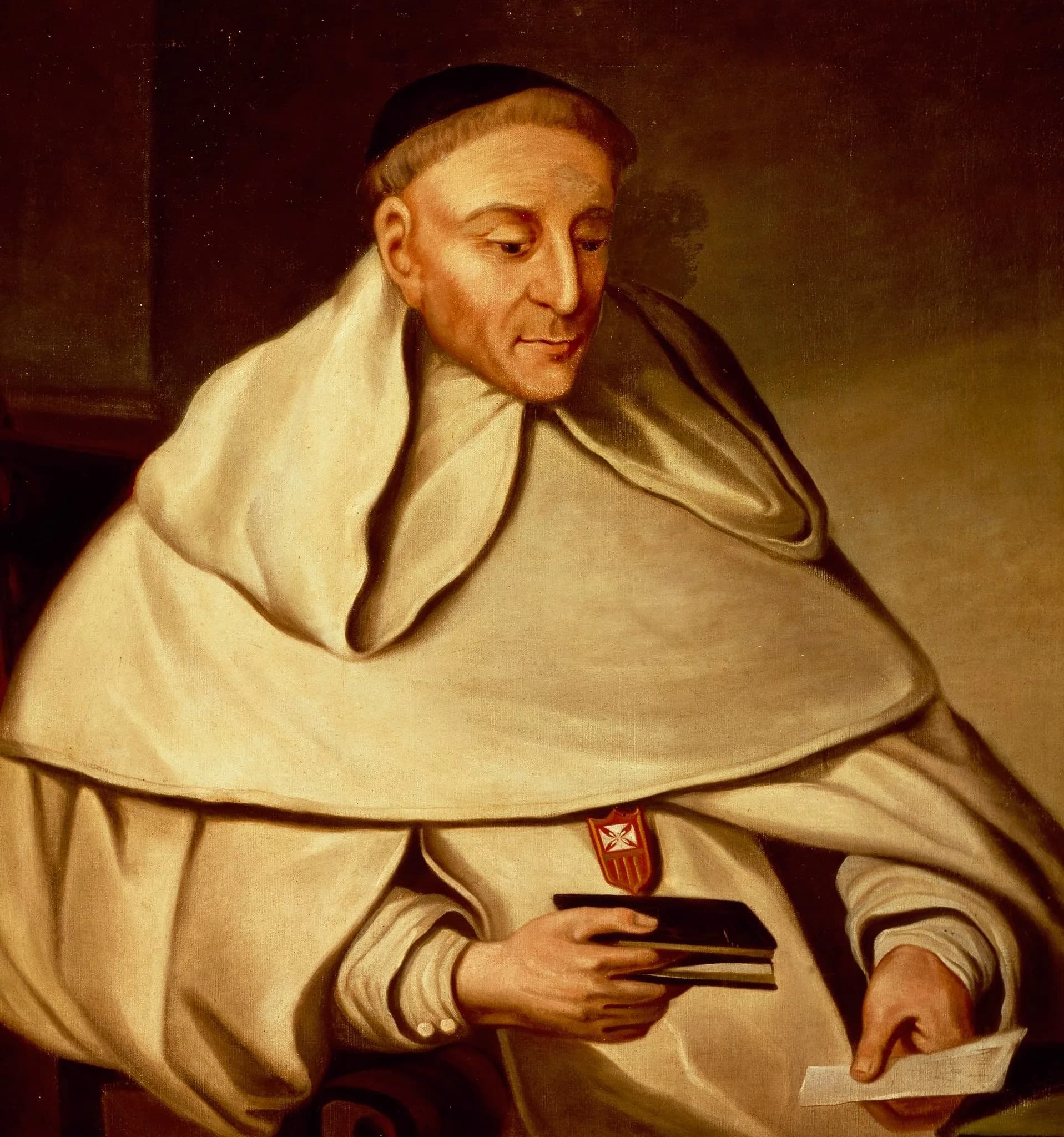
Tirso de Molina (March 24, 1583 – March 12, 1648) was a Spanish writer, poet, playwright, and Catholic priest from Madrid, Spain. He is best known for creating the character Don Juan in his play The Trickster of Seville and the Stone Guest. His works significantly shaped Spanish Baroque drama, exploring complex themes.
Hidup dalam momen
Momen yang membentuk sebuah kehidupan
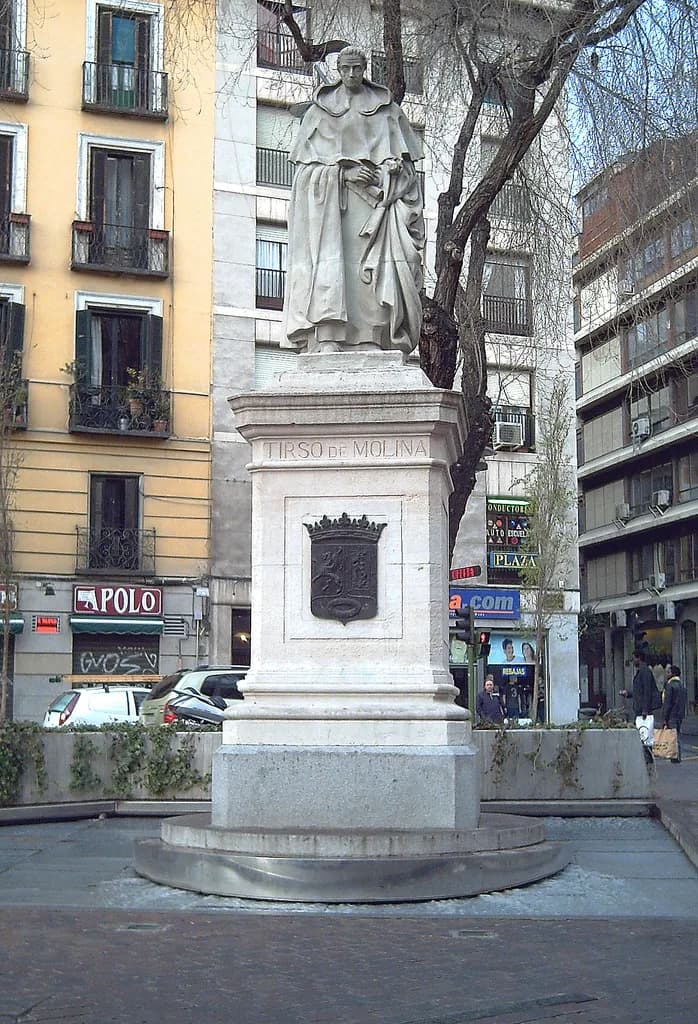
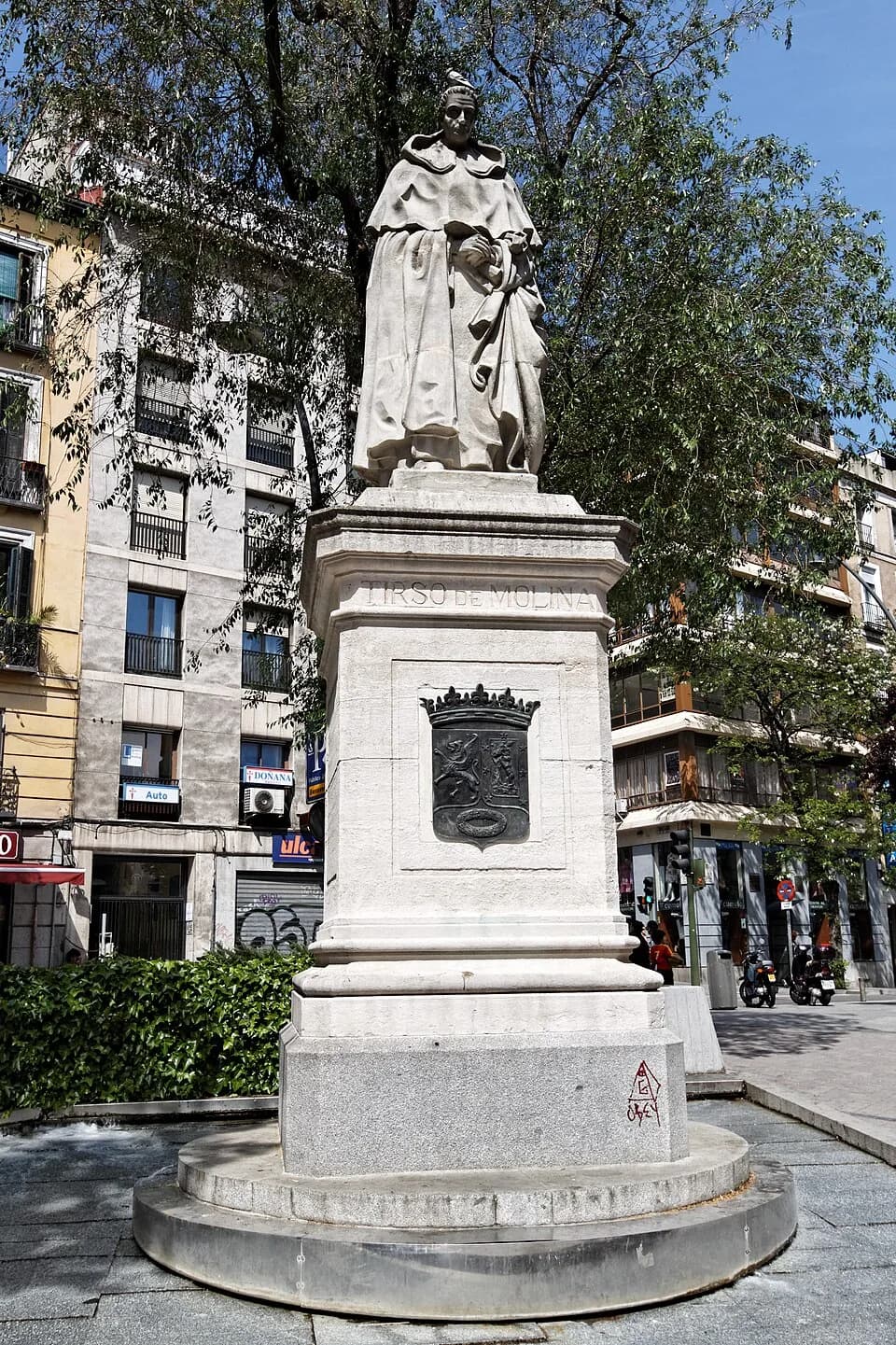
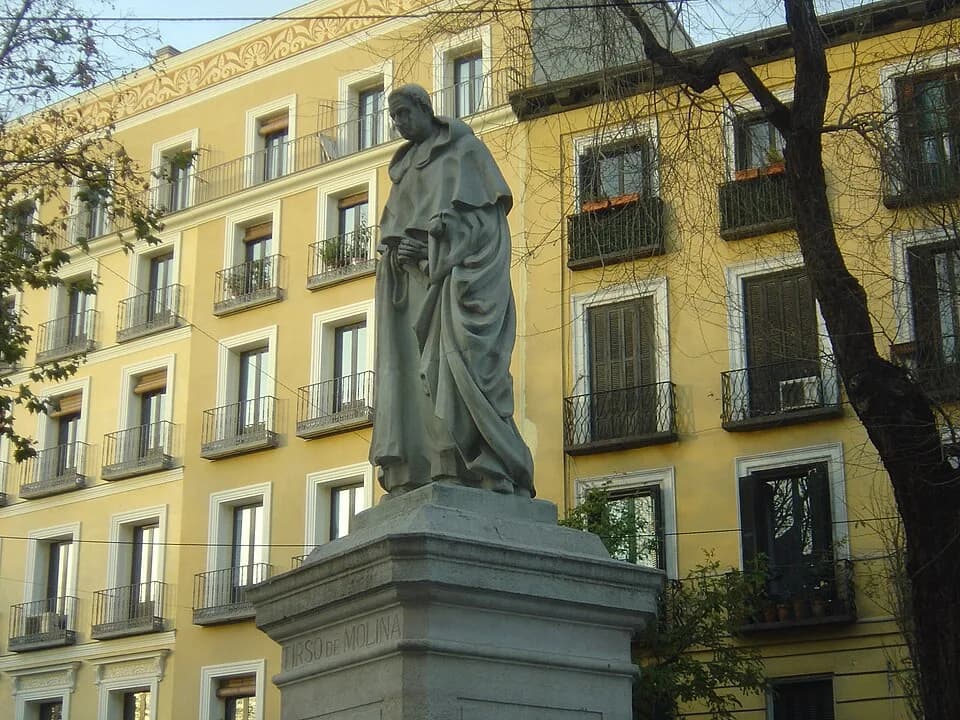
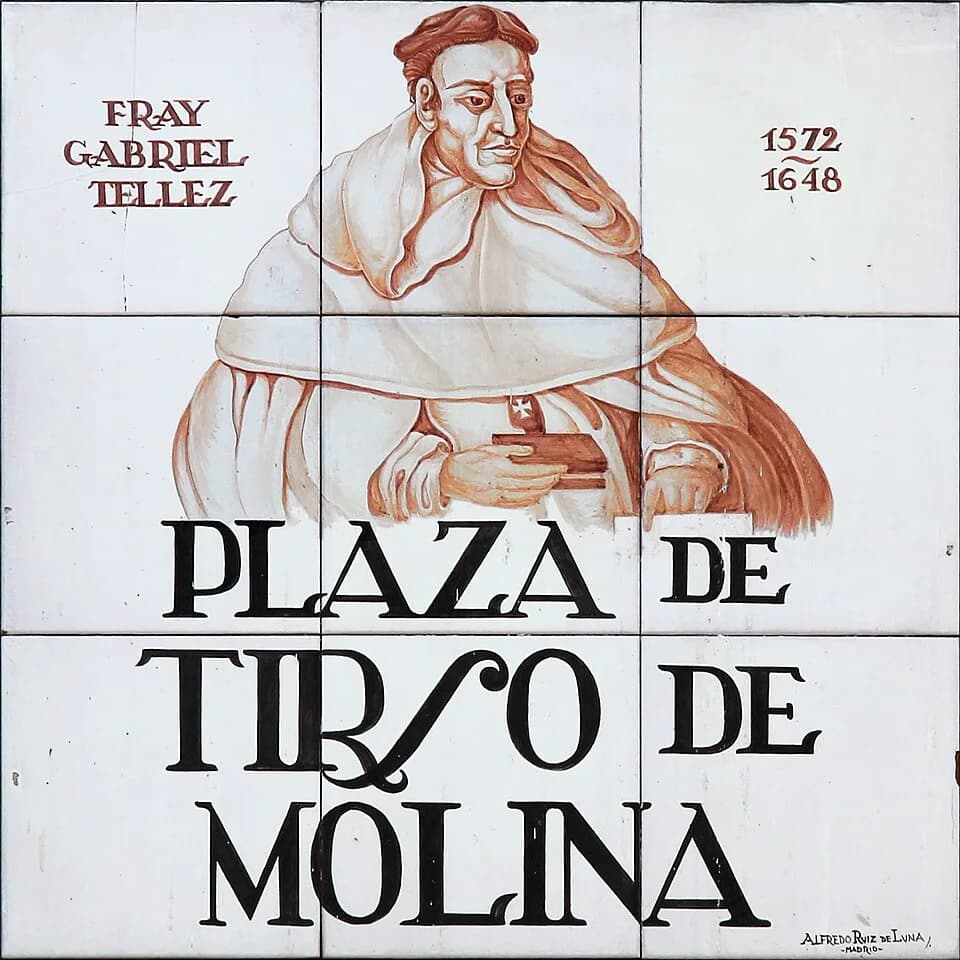
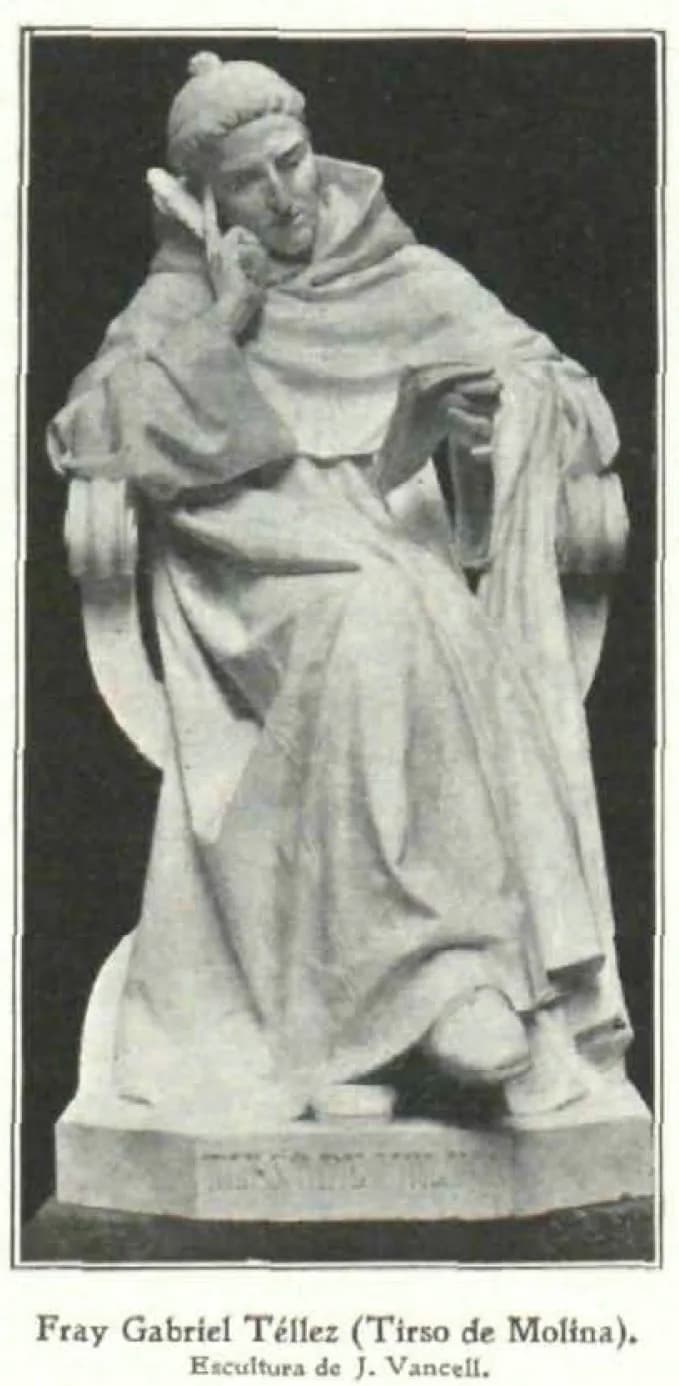
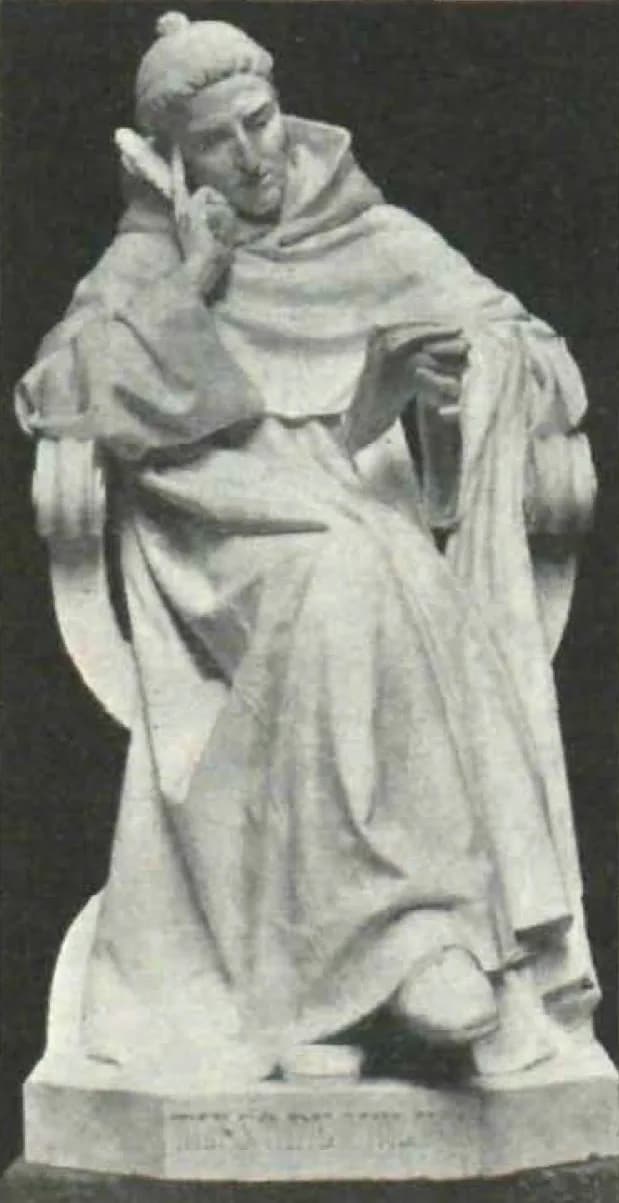
Bab
Bab kehidupan
Bab 1 · 1583· Bab 1 dari 7
Early Life and Origins
Gabriel Téllez was born in Madrid, Spain, on March 24, 1583. While details of his early family life are not extensively documented, his formative years in the Spanish capital undoubtedly exposed him to a rich cultural and religious environment. This upbringing would profoundly influence his later artistic and clerical paths.
He later became known by his pen name, Tirso de Molina. His identity as a Mercedarian friar and a Catholic priest was integral to his life. These roles informed many of his literary themes, blending spiritual insights with dramatic storytelling.
Bab 2· Bab 2 dari 7
Career Beginnings
Tirso de Molina's path began with his entry into the Mercedarian Order. This commitment as a friar and priest provided him with a unique perspective on society and morality, which he masterfully wove into his narratives. It was within this clerical framework that his literary talents began to flourish.
His early work would have emerged within the vibrant theatrical scene of early 17th-century Spain. This period saw a rise in public demand for plays, and Tirso de Molina quickly established himself as a skilled storyteller, capable of captivating audiences with his inventive plots and compelling characters.
Bab 3· Bab 3 dari 7
Major Achievements and Career Highlights
One of Tirso de Molina's most significant achievements is the creation of Don Juan. His play, The Trickster of Seville and the Stone Guest (Il seduttore di Siviglia e il convitato di pietra), introduced this iconic character to the world. Don Juan's archetype has since been reinterpreted countless times across literature, opera, and film, cementing Tirso's place in cultural history.
Beyond Don Juan, Tirso de Molina was celebrated for his ability to craft engaging "comedias." These plays often featured strong female protagonists and fearlessly explored complex sexual issues, which was innovative for his time. His courage in tackling such themes distinguished him from many contemporaries.
His collection, Comedias de Tirso de Molina, and subsequent compilations like Comedias escogidas de fray Gabriel Téllez (el maestro Tirso de Molina), testify to his prolific output. These volumes showcase his versatility and mastery of dramatic forms, solidifying his reputation as a master playwright of the Spanish Baroque.
Bab 4· Bab 4 dari 7
Personal Life
As Gabriel Téllez, O. de M., his personal life was closely intertwined with his religious vocation. As a Mercedarian friar and Catholic priest, his days were structured by the demands of his order. While specific details about his personal relationships or family outside his religious life are not widely known, his faith and clerical duties were central to his existence.
Bab 5· Bab 5 dari 7
Notable Works or Contributions
Tirso de Molina's extensive bibliography includes many works that remain studied and performed today. Il seduttore di Siviglia e il convitato di pietra stands as his most famous work, giving birth to the legendary figure of Don Juan. This play's blend of theological reflection and dramatic tension has ensured its enduring appeal.
Other notable contributions include Don Gil de las calzas verdes, a witty comedy of disguise and mistaken identity. This play exemplifies his skill in constructing intricate plots and developing humorous situations. His works often challenged societal norms and expectations.
Further enriching his dramatic canon are plays such as El melancolico, El condenado por desconfiado, and El vergonzoso en palacio. These works demonstrate his range, from psychological explorations to romantic entanglements. Additionally, his collected writings, Cuentos, fabulas, descripciones, diálogos, maximas y apotegmas, epigramas y dichos agudos escogidos en sus obras, show his broader literary talents beyond drama.
Bab 6· Bab 6 dari 7
Later Years
Tirso de Molina remained active as a writer and priest throughout his life. He continued to contribute to Spanish literature, producing plays and other writings that solidified his artistic legacy. His later works maintained the vigor and intellectual depth characteristic of his earlier career.
He passed away on March 12, 1648, in Almazán, Spain. His death marked the end of a life dedicated to both spiritual service and literary creation. His influence had already been widely felt, with his plays being a popular and significant part of the Spanish theatrical repertoire.
Bab 7· Bab 7 dari 7
Legacy and Impact
Tirso de Molina's legacy is most strongly defined by his enduring creation, Don Juan. This character’s universal appeal has made him a permanent fixture in literature and culture worldwide, testifying to Tirso’s genius in character development. The play's themes of morality, seduction, and divine justice continue to provoke thought and discussion.
As a key dramatist of the Spanish Baroque, Tirso de Molina's exploration of strong female protagonists and social issues expanded the boundaries of theatre. His plays offered audiences a mirror to their own society, examining human flaws and virtues with candor and wit. His contributions helped define the Golden Age of Spanish drama.
Today, students and enthusiasts of Spanish literature continue to study his works for their dramatic structure, linguistic richness, and thematic depth. Tirso de Molina, or Gabriel Téllez, remains a towering figure whose insights into the human condition continue to entertain and challenge audiences across the centuries.
FAQ
Sering ditanyakan
Kapan Tirso de Molina meninggal?
Tirso de Molina meninggal pada 12 Maret 1648 di Almazán, Spain, pada usia 64 tahun.
Di mana Tirso de Molina dilahirkan?
Tirso de Molina lahir di Madrid, Spain pada 24 Maret 1583.
Tirso de Molina paling dikenal karena apa?
Tirso de Molina paling dikenal karena Spanish writer (c. 1583-c.1648).
Berapa usia Tirso de Molina saat meninggal?
Tirso de Molina berusia 64 tahun saat meninggal.
Apa kewarganegaraan Tirso de Molina?
Tirso de Molina berasal dari Spain.
Garis waktu
Sekilas tentang kehidupan
Galeri foto
Hidup dalam gambar
Klik polaroid mana saja untuk memperbesar · 23 foto
Kode QR
Bagikan Biografi Ini
Cetak & Bagikan
Pindai untuk mengunjungi halaman biografi ini. Cetak untuk acara, pameran, atau materi pendidikan.