Lahir
February 25, 1497
Bretten, Germany
Meninggal
April 29, 1560
Lutherstadt Wittenberg, Germany
Dikenal karena
German reformer
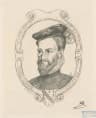
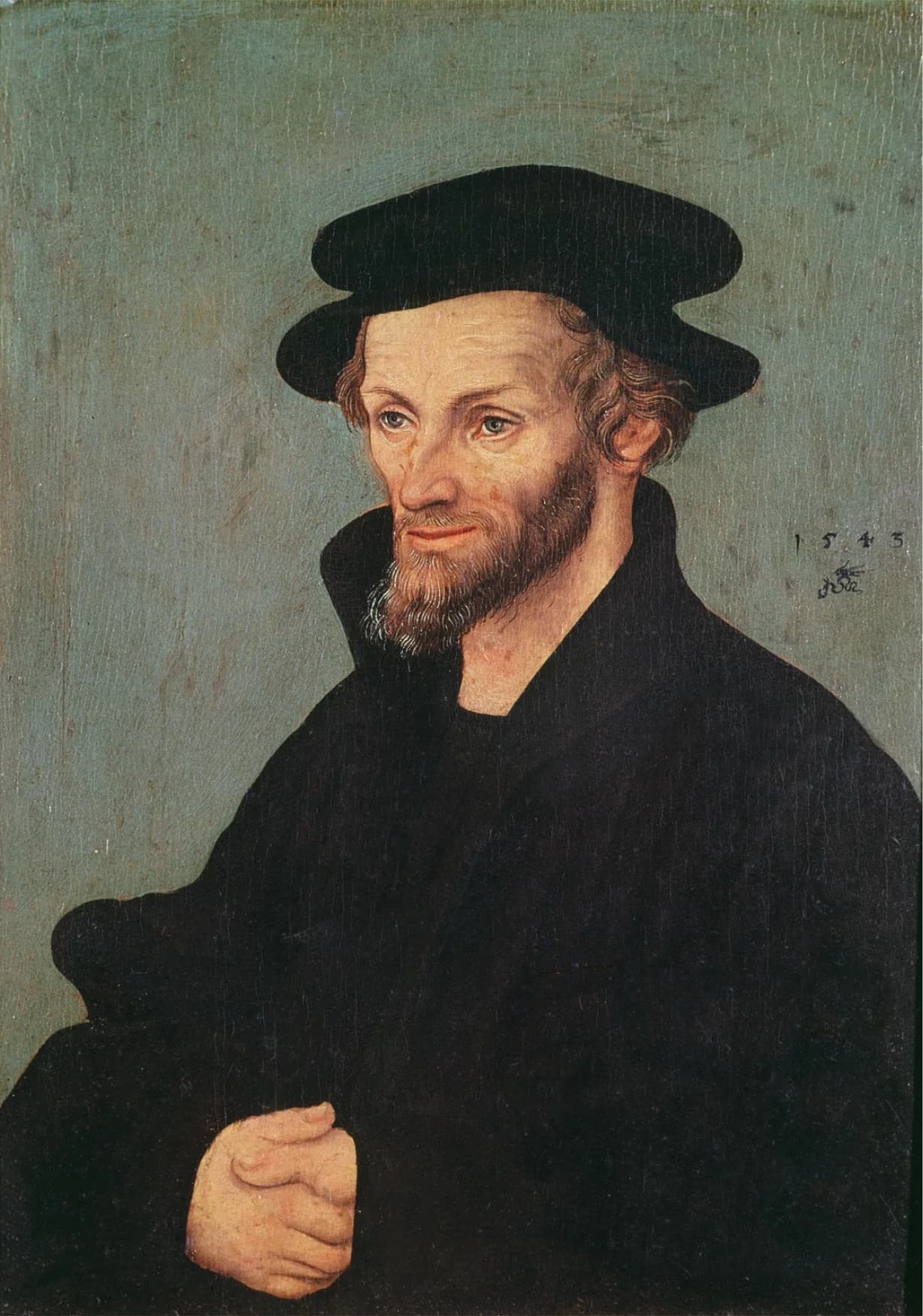
Philipp Melanchthon (1497–1560) was Germany best known for German reformer.
Philipp Melanchthon (February 25, 1497 – April 29, 1560) was a German reformer, theologian, and classical philologist. He was a crucial collaborator with Martin Luther and the first systematic theologian of the Protestant Reformation. His work significantly shaped Protestantism and advanced educational systems across Europe.
Bab
Bab kehidupan
Bab 1 · 1497· Bab 1 dari 6
Early Life and Origins
Born on February 25, 1497, Philipp Melanchthon began his life in Bretten, Germany. His early years in Bretten provided the foundation for his formidable intellect and scholarly pursuits. From a young age, Melanchthon demonstrated a keen aptitude for learning, which set him on a path of rigorous academic study.
Bab 2· Bab 2 dari 6
Career Beginnings
Melanchthon's professional journey began to flourish as he aligned himself with the burgeoning Reformation movement. He notably became a collaborator with Martin Luther, embarking on a shared mission to reform the Christian church. His role as a university teacher in Lutherstadt Wittenberg allowed him to influence countless students and contribute to scholarly discourse.
Bab 3· Bab 3 dari 6
Major Achievements and Career Highlights
Philipp Melanchthon's career was marked by numerous significant achievements that left an enduring mark on religious thought and education. He is celebrated as the first systematic theologian of the Protestant Reformation, providing a structured theological framework for the nascent movement. As an intellectual leader of the Lutheran Reformation, Melanchthon helped define its doctrines and articulate its principles.
His influence extended beyond theology to the practical realm of education, where he emerged as an influential designer of educational systems. Melanchthon’s pedagogical reforms laid groundwork for modern European education. Alongside Martin Luther and John Calvin, he played a major role in shaping Protestantism into a coherent and influential religious tradition.
Bab 4· Bab 4 dari 6
Notable Works and Contributions
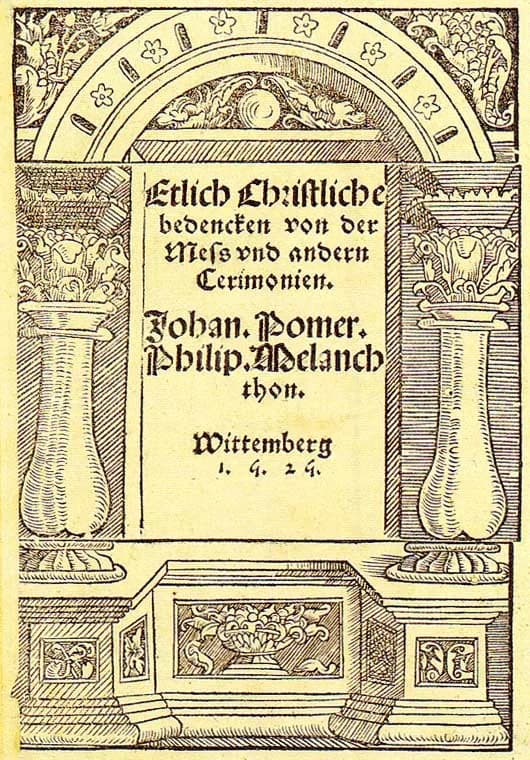
Melanchthon’s prolific writing career yielded a substantial body of work that cemented his place as a leading scholar of his time. His Loci commvnes theologici recens collecti & recogniti a Philippo Melanthone (also known as Loci commvnes rervm theologicarvm, sev Hypotyposes theologicae) stands out as a foundational text, representing the first systematic theology of the Protestant Reformation. This work provided a comprehensive summary of Lutheran doctrine.
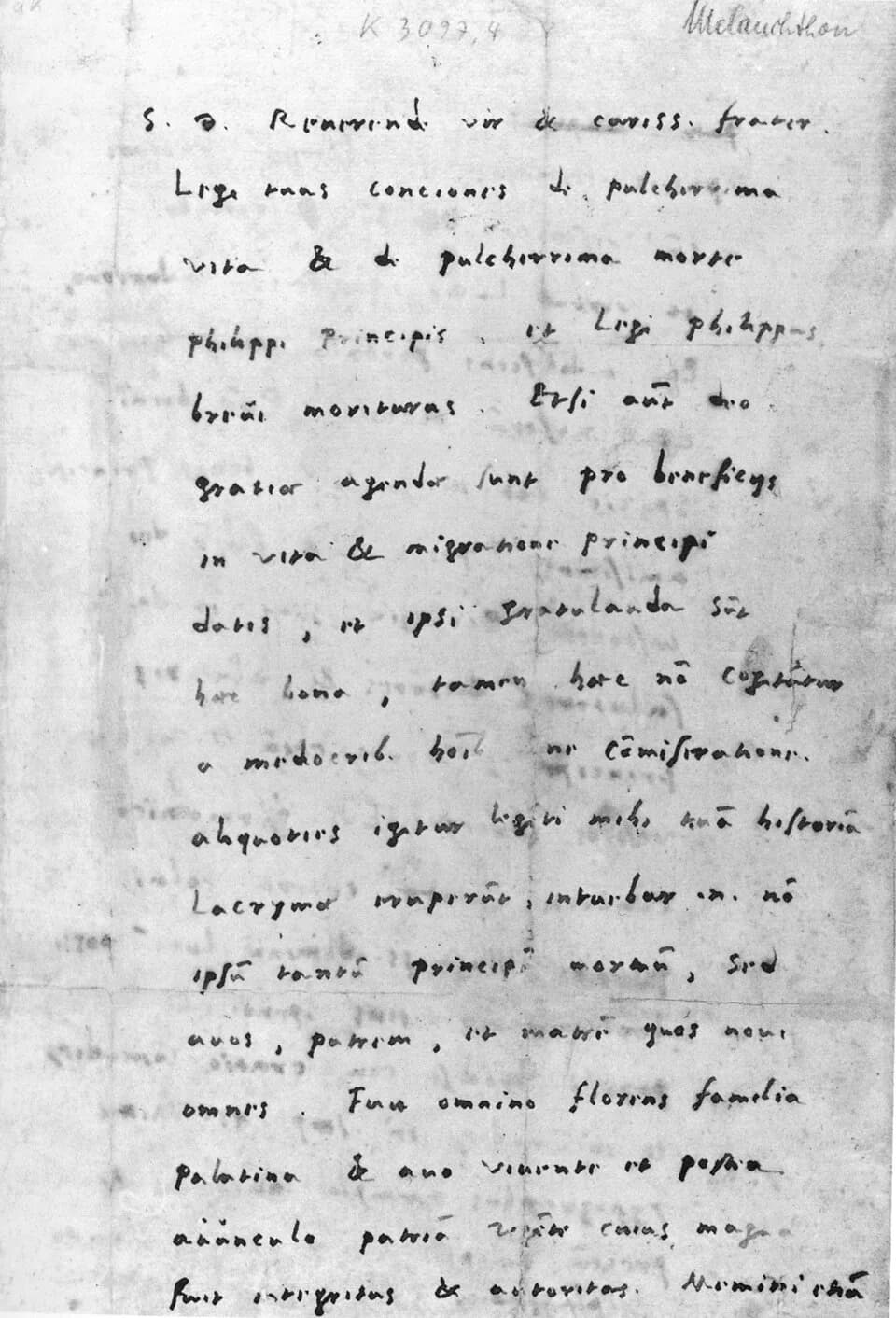
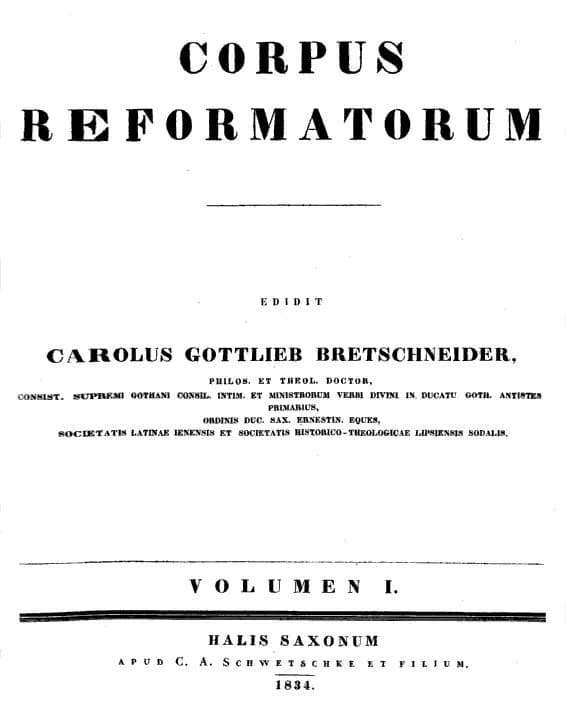
His scholarship also included textual commentary, such as In Danielem prophetam commentarius, which showcased his deep engagement with biblical texts. Melanchthon’s classical philology skills were evident in his work on language and rhetoric, exemplified by Thomae Linacri Britanni De emendata strvctvra Latini sermonis libri VI, where he edited and contributed to a significant Latin grammar. Additionally, his correspondence, compiled in works like Melanchthons Briefwechsel / Regesten, provides insights into the theological and political debates of the 16th century.
Bab 5 · 1560· Bab 5 dari 6
Later Years
Philipp Melanchthon remained active in his scholarly and reformatory endeavors until his final days. He continued to write, teach, and advise on matters of theology and education, contributing to discussions across Europe. Melanchthon passed away on April 29, 1560, in Lutherstadt Wittenberg, Germany, the city that had been central to his life's work alongside Martin Luther.
Bab 6· Bab 6 dari 6
Legacy and Impact
The legacy of Philipp Melanchthon is vast, reaching into theological studies, educational theory, and the broader history of Christianity. His contributions as a systematic theologian provided essential clarity and structure to Protestant thought, allowing it to flourish and spread. Melanchthon's work in designing and reforming educational systems profoundly impacted European intellectual life for centuries to come, earning him the title "Praeceptor Germaniae" (Teacher of Germany).
His collaborative spirit with Martin Luther was instrumental in solidifying the Lutheran Reformation, demonstrating the power of intellectual partnership. Melanchthon's influence, alongside that of Luther and John Calvin, was critical in establishing Protestantism as a dominant force in the Western world. His intellectual leadership continues to be studied and admired by scholars of theology, history, and education alike.
Hidup dalam momen
Momen yang membentuk sebuah kehidupan
FAQ
Sering ditanyakan
Kapan Philipp Melanchthon meninggal?
Philipp Melanchthon meninggal pada 29 April 1560 di Lutherstadt Wittenberg, Germany, pada usia 63 tahun.
Di mana Philipp Melanchthon dilahirkan?
Philipp Melanchthon lahir di Bretten, Germany pada 25 Februari 1497.
Philipp Melanchthon paling dikenal karena apa?
Philipp Melanchthon paling dikenal karena German reformer.
Berapa usia Philipp Melanchthon saat meninggal?
Philipp Melanchthon berusia 63 tahun saat meninggal.
Apa kewarganegaraan Philipp Melanchthon?
Philipp Melanchthon berasal dari Germany.
Garis waktu
Sekilas tentang kehidupan
Galeri foto
Hidup dalam gambar
Klik polaroid mana saja untuk memperbesar · 47 foto
Kode QR
Bagikan Biografi Ini
Cetak & Bagikan
Pindai untuk mengunjungi halaman biografi ini. Cetak untuk acara, pameran, atau materi pendidikan.