Lahir
August 13, 1888
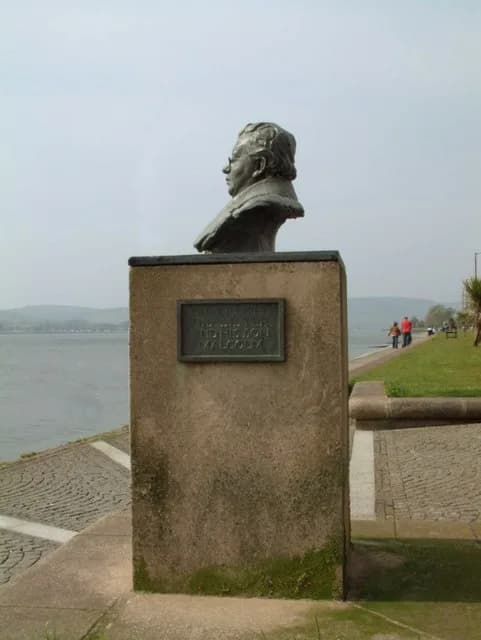
Helensburgh, United Kingdom
Meninggal
June 14, 1946
Bexhill-on-Sea, United Kingdom
Dikenal karena
Scottish inventor, demonstrating the world's first working television
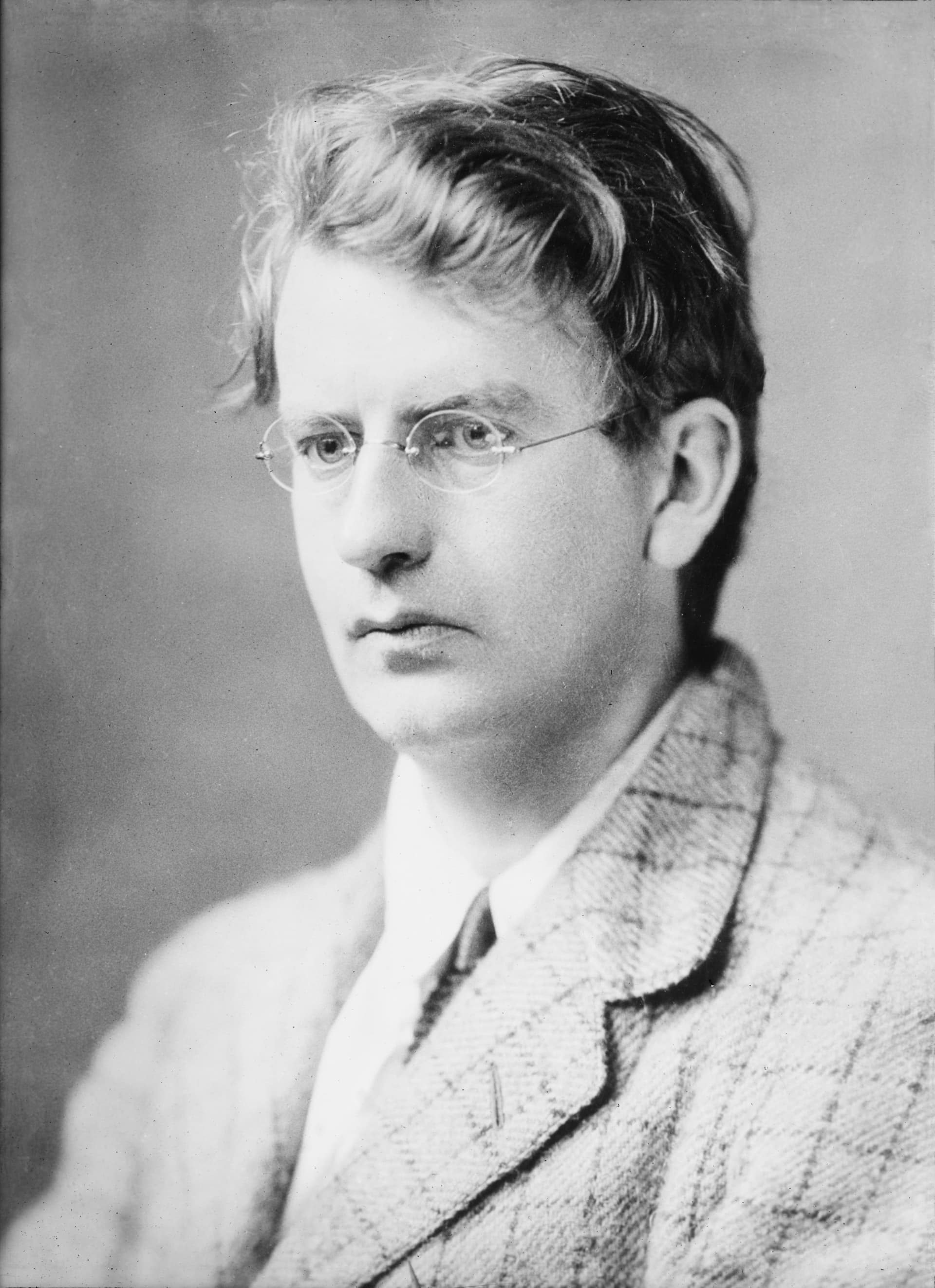
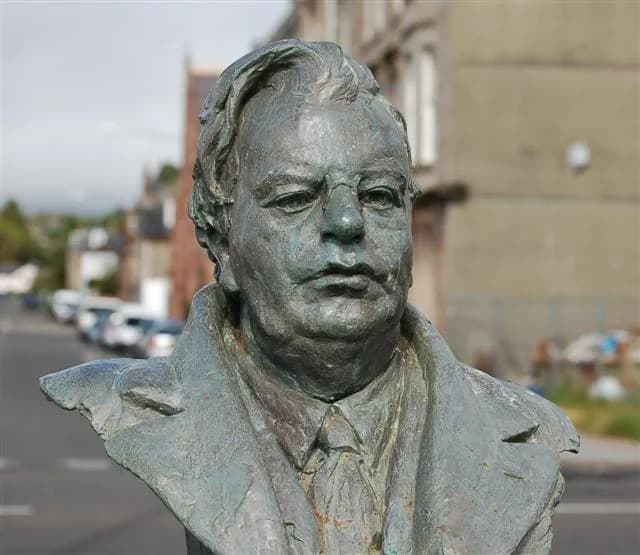
John Logie Baird (1888–1946) was United Kingdom best known for Scottish inventor, demonstrating the world's first working television.
John Logie Baird (August 13, 1888 – June 14, 1946) was a Scottish inventor, writer, physicist, and entrepreneur. He demonstrated the world's first working television and pioneered early color television systems. His lasting legacy transformed global communication.
Bab
Bab kehidupan
Bab 1 · 1888· Bab 1 dari 6
Early Life and Origins
John Logie Baird began his life in Helensburgh, United Kingdom, a town nestled on the west coast of Scotland. His birth on August 13, 1888, marked the beginning of a journey that would forever alter global communication. Growing up in Scotland, Baird developed an early curiosity for science and mechanics.
Bab 2· Bab 2 dari 6
Career Beginnings
As a Scottish inventor, electrical engineer, and innovator, John Logie Baird channeled his early interests into practical applications. His entrepreneurial spirit drove him to pursue various ventures before focusing intensely on television technology. It was his persistent experimentation that laid the groundwork for his most famous invention.
Bab 3 · 1926· Bab 3 dari 6
Major Achievements and Career Highlights
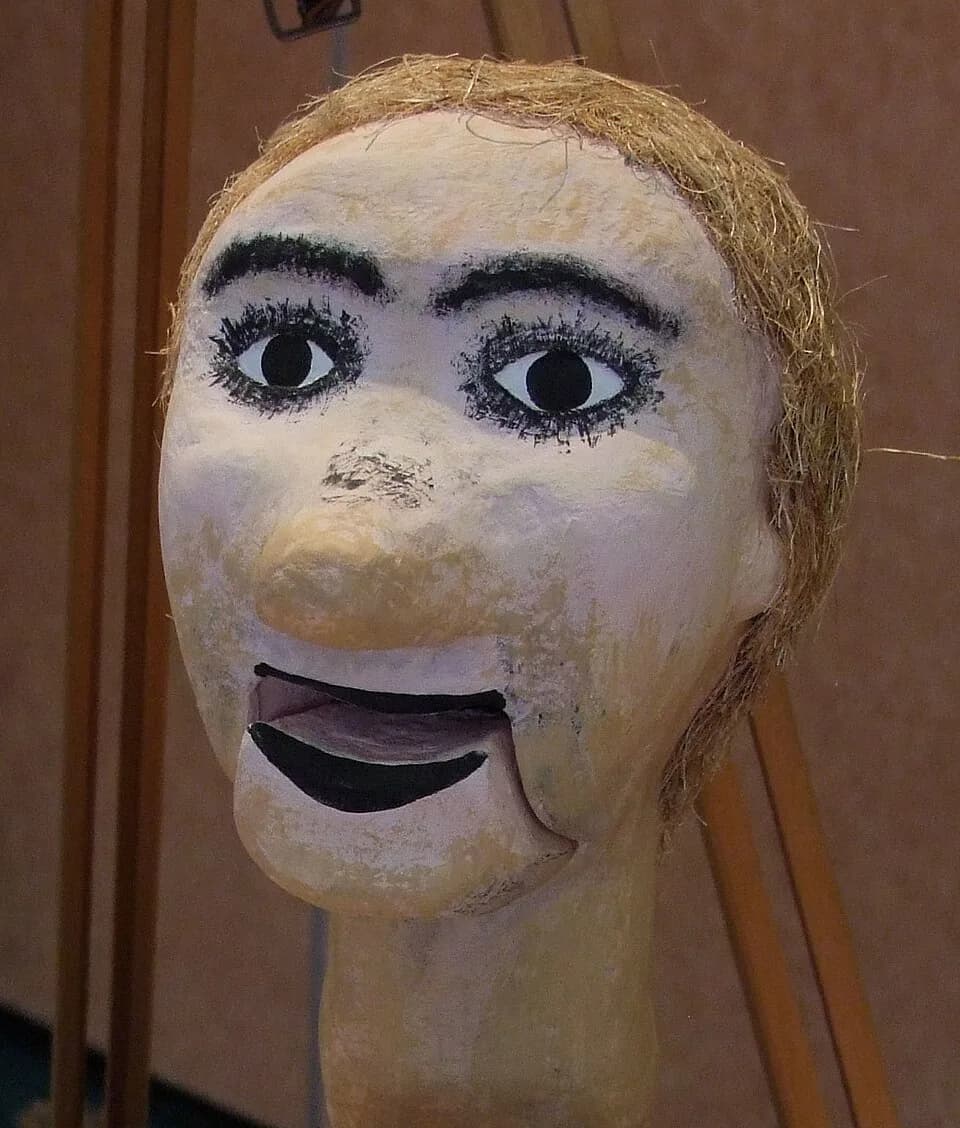
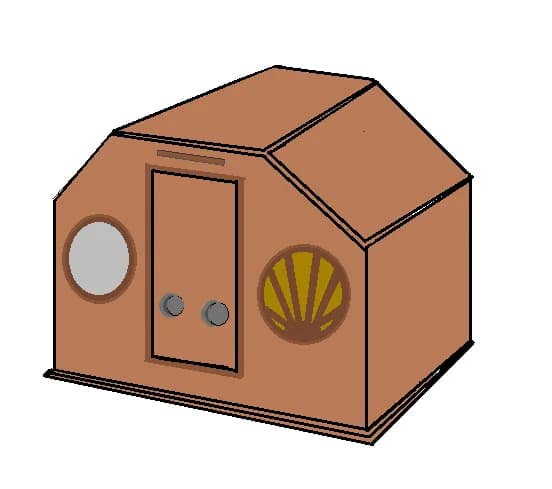
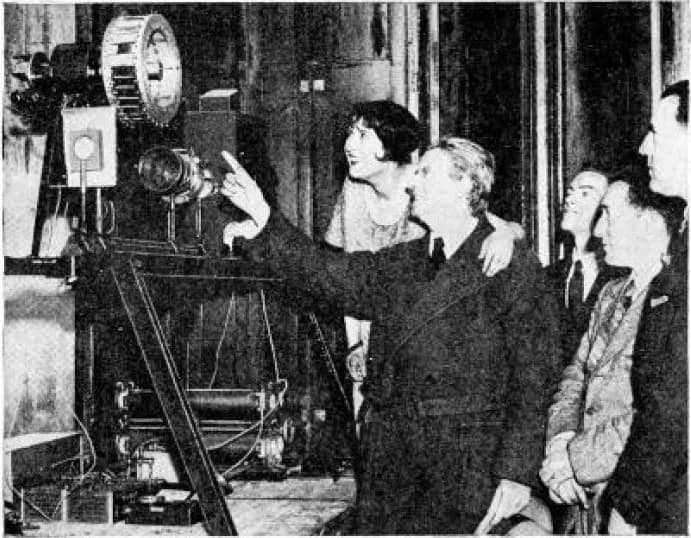
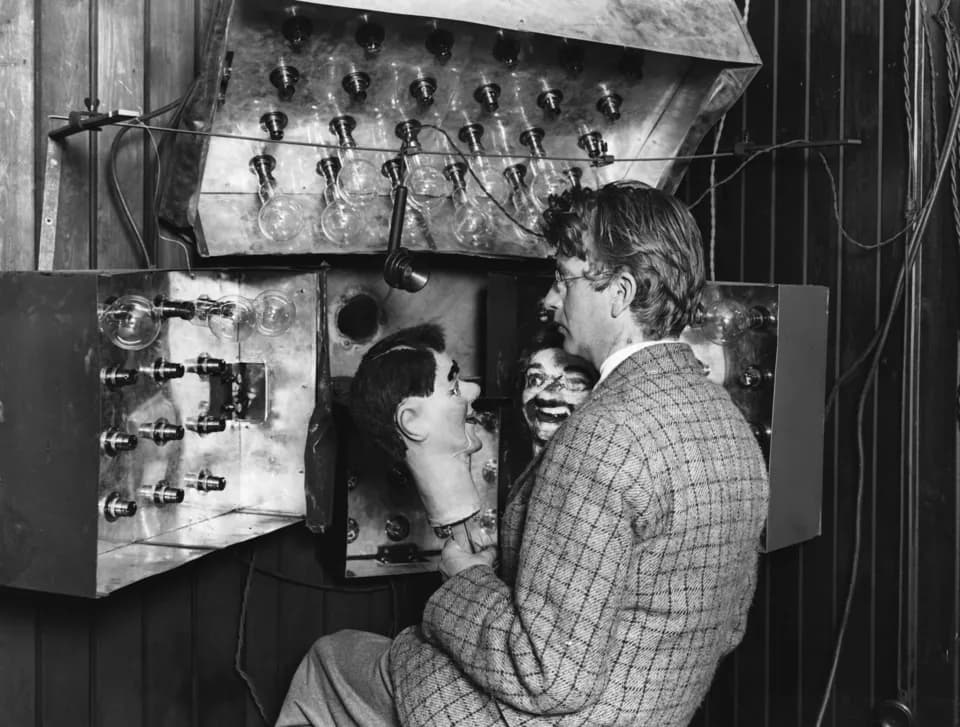
Baird's most celebrated achievement came on January 26, 1926, when he demonstrated the world's first working mechanical television system. This historic event solidified his place as a visionary who brought images to life across distances. He continued to push the boundaries of visual technology, always seeking the next advancement.
Following this initial success, Baird went on to invent the first publicly demonstrated colour television system. His innovations did not stop there, as he also developed the first viable purely electronic colour television picture tube. These advancements showcased his continuous dedication to perfecting the television medium, moving beyond monochrome into a vibrant future.
Bab 4· Bab 4 dari 6
Notable Works or Contributions
Beyond his inventions, John Logie Baird also contributed to the written word, sharing his insights and experiences. His literary works include "Television And Me," which offered a personal account of his journey in invention and discovery. Another notable title by Baird is "Sermons, soap and television," reflecting his diverse interests and perspectives.
Bab 5 · 1946· Bab 5 dari 6
Later Years
John Logie Baird continued his work and innovation through many years, leaving a lasting mark on technology. He passed away on June 14, 1946, in Bexhill-on-Sea, United Kingdom. His passing concluded a life defined by pioneering scientific exploration and the relentless pursuit of making the impossible possible.
Bab 6· Bab 6 dari 6
Legacy and Impact
The impact of John Logie Baird's work is evident in every television screen across the globe. By demonstrating the world's first working television, he initiated a revolution in communication and entertainment. His subsequent inventions, including the first color television systems, laid foundational principles for modern broadcasting, transforming how people experienced media.
Baird's legacy as a Scottish inventor, electrical engineer, and innovator continues to inspire new generations. He is remembered as the individual who turned a seemingly impossible dream into a tangible reality. His contributions remain a cornerstone of media technology, shaping how we connect and share information today.
Hidup dalam momen
Momen yang membentuk sebuah kehidupan
FAQ
Sering ditanyakan
Kapan John Logie Baird meninggal?
John Logie Baird meninggal pada 14 Juni 1946 di Bexhill-on-Sea, United Kingdom, pada usia 57 tahun.
Di mana John Logie Baird dilahirkan?
John Logie Baird lahir di Helensburgh, United Kingdom pada 13 Agustus 1888.
John Logie Baird paling dikenal karena apa?
John Logie Baird paling dikenal karena Scottish inventor, demonstrating the world's first working television.
Berapa usia John Logie Baird saat meninggal?
John Logie Baird berusia 57 tahun saat meninggal.
Apa kewarganegaraan John Logie Baird?
John Logie Baird berasal dari United Kingdom.
Garis waktu
Sekilas tentang kehidupan
Galeri foto
Hidup dalam gambar
Klik polaroid mana saja untuk memperbesar · 48 foto
Kode QR
Bagikan Biografi Ini
Cetak & Bagikan
Pindai untuk mengunjungi halaman biografi ini. Cetak untuk acara, pameran, atau materi pendidikan.