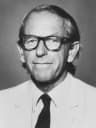
Lahir
January 23, 1918
New York City, United States
Meninggal
February 21, 1999
Chapel Hill, United States
Dikenal karena
American biochemist and pharmacologist
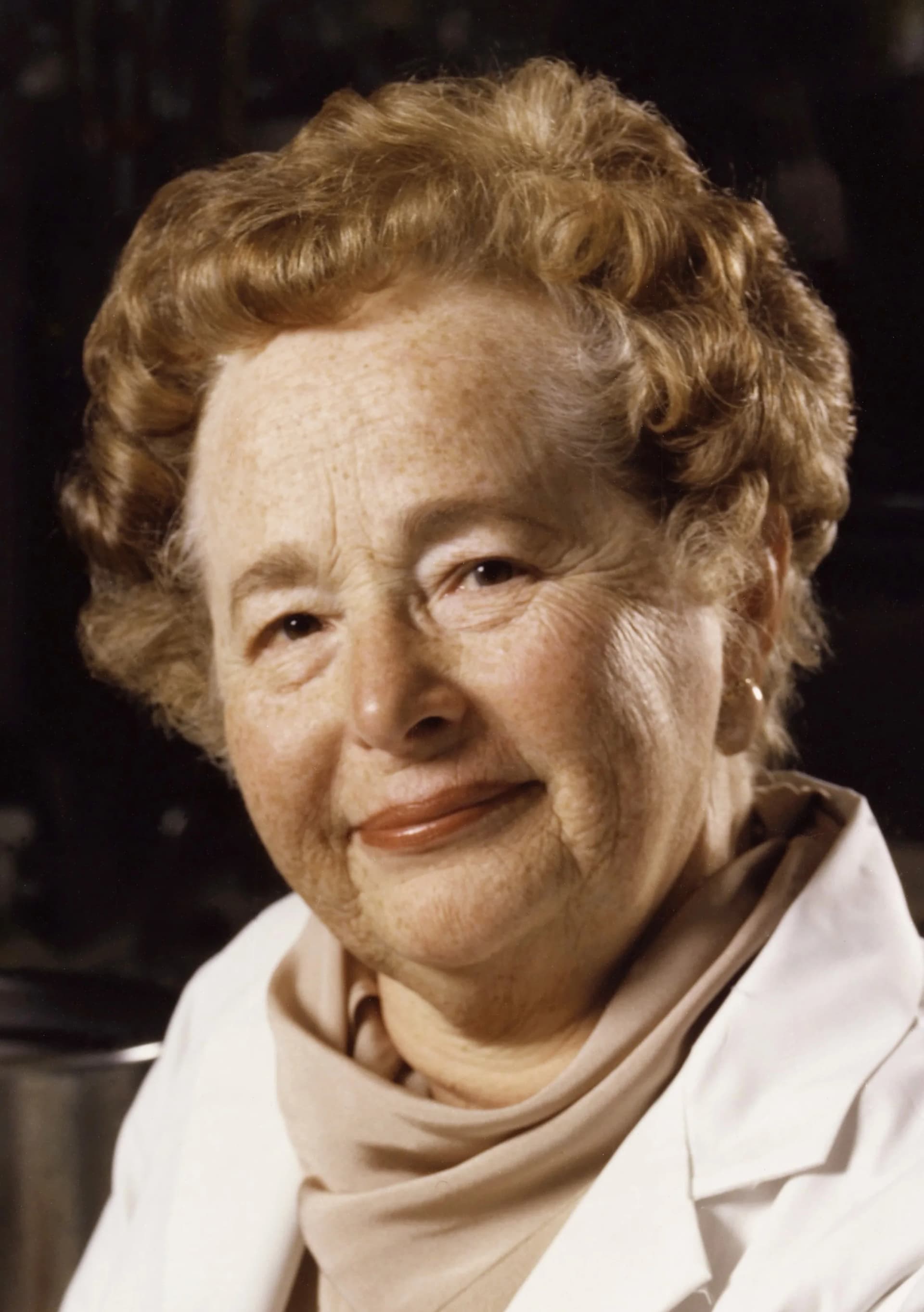
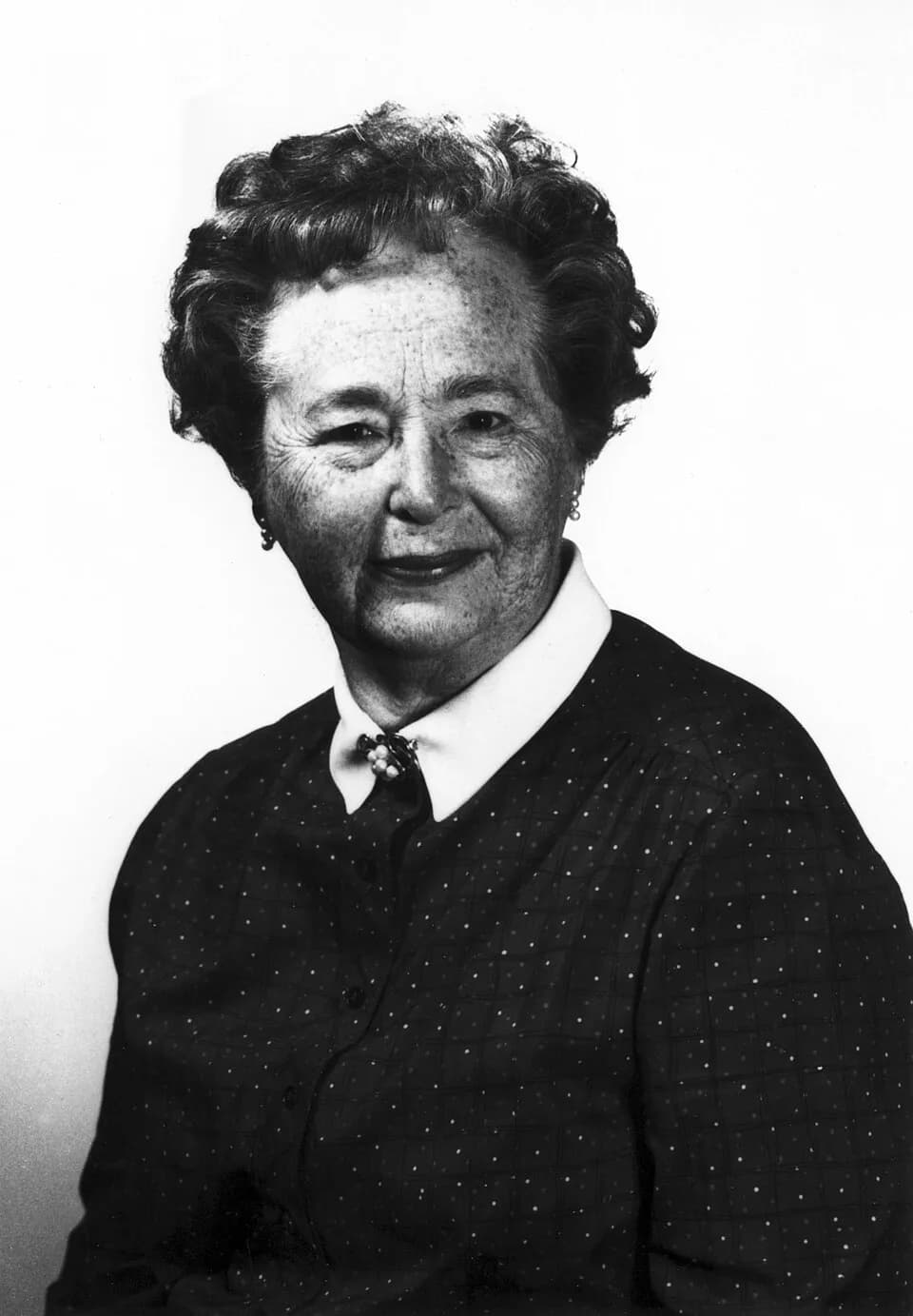
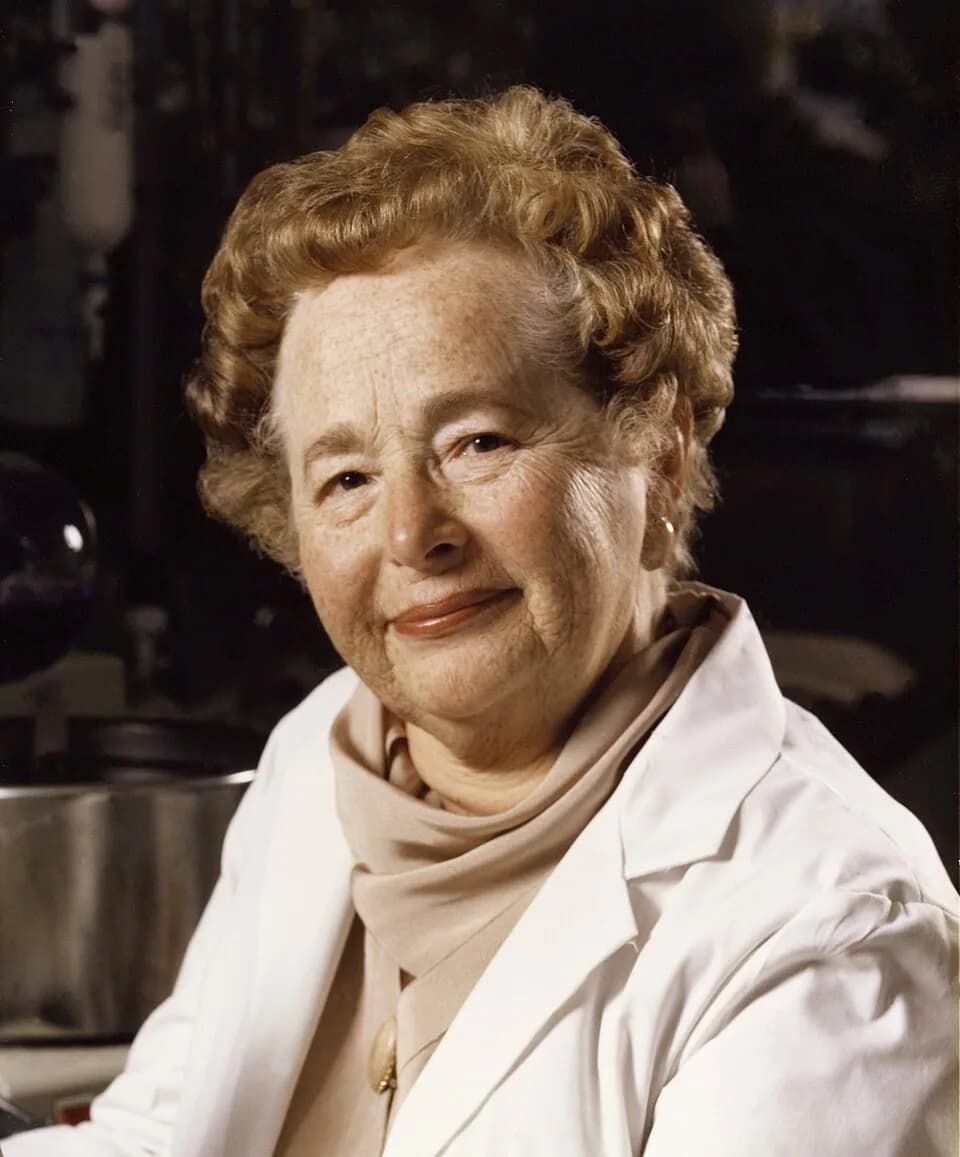
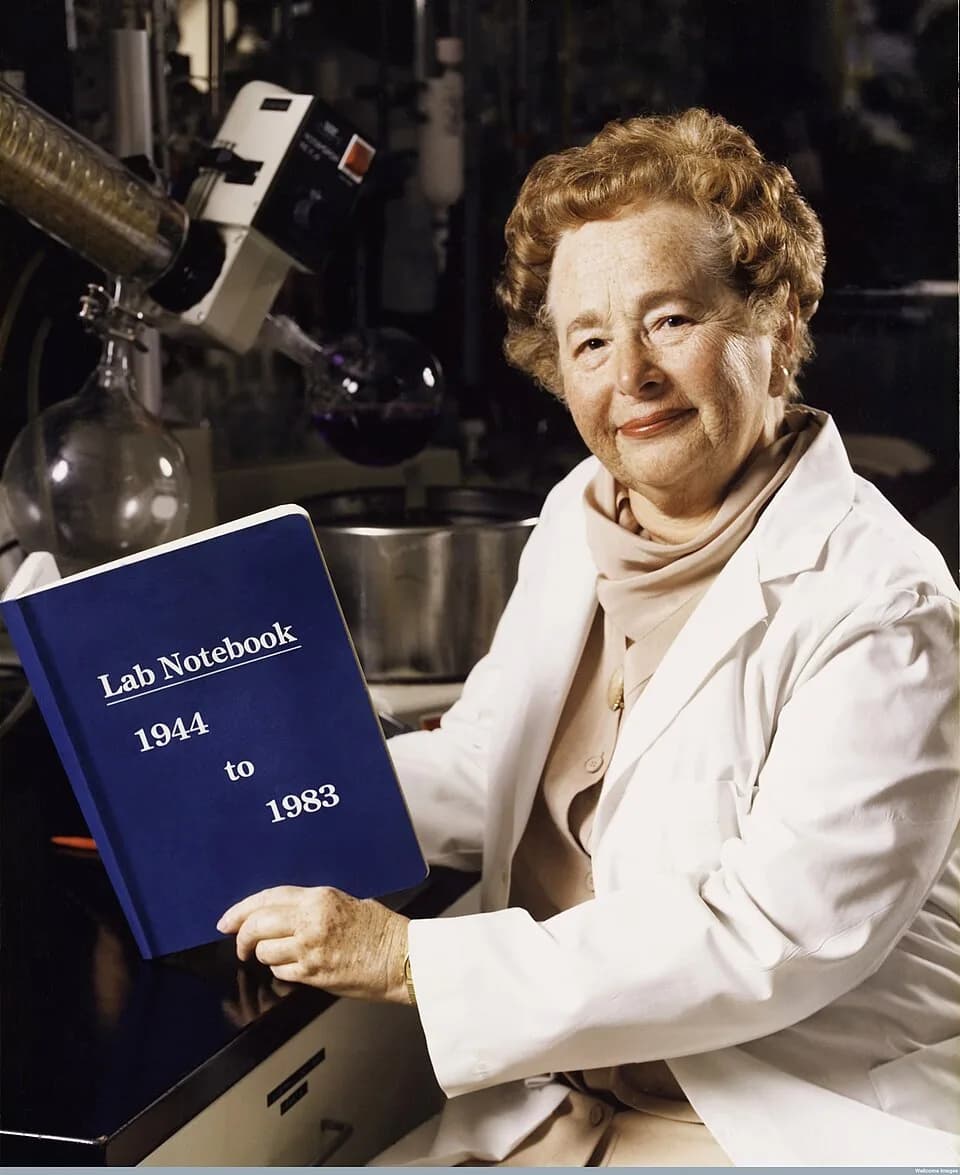
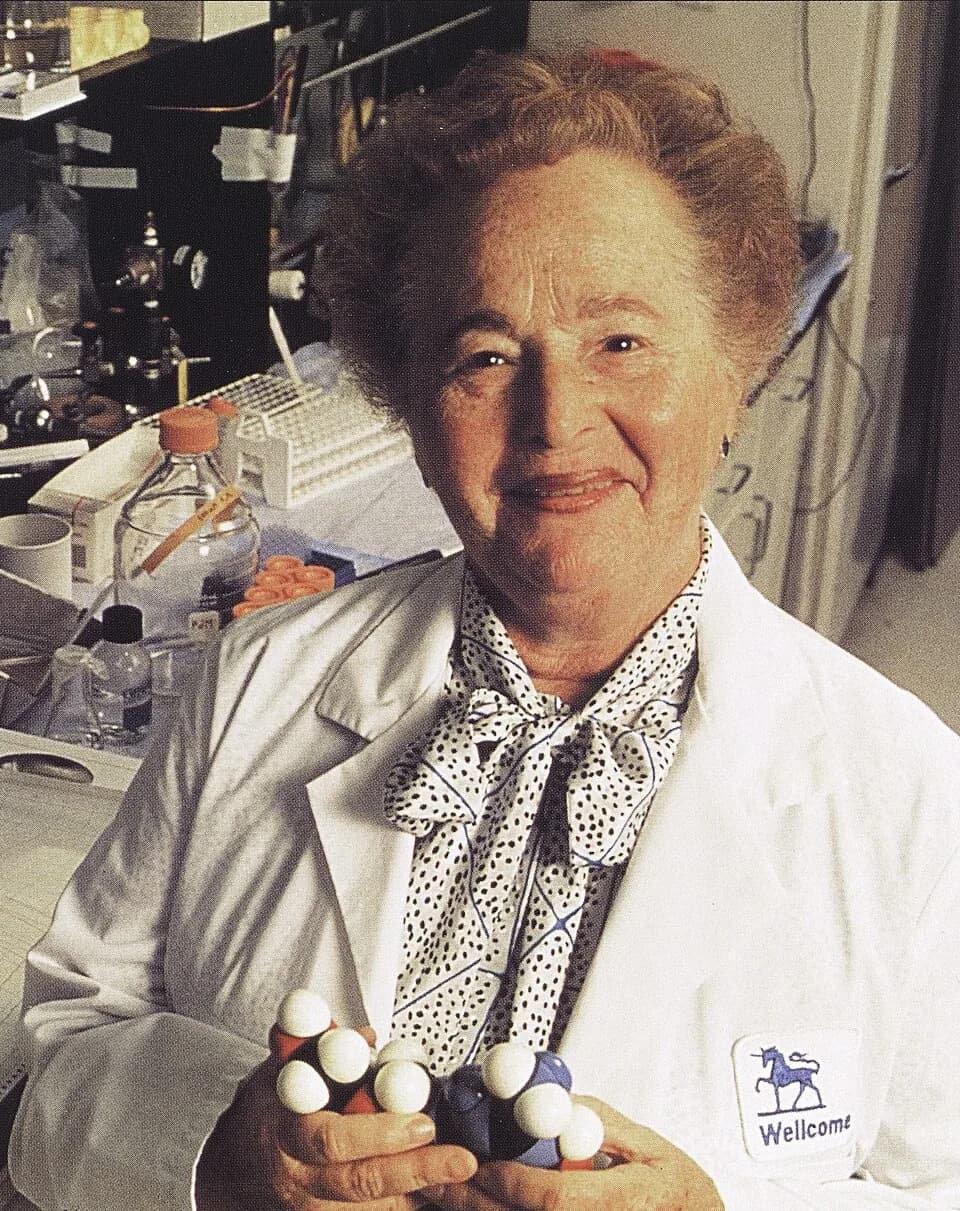
Gertrude B. Elion (1918–1999) was United States best known for American biochemist and pharmacologist.
Gertrude B. Elion (January 23, 1918 – February 21, 1999) was an American biochemist and pharmacologist. She shared the 1988 Nobel Prize for pioneering rational drug design, leading to life-saving medications like AZT for AIDS and azathioprine for organ transplants. Her methods continue to influence pharmaceutical research.
Bab
Bab kehidupan
Bab 1 · 1918· Bab 1 dari 7
A Life Dedicated to Healing and Discovery
Gertrude B. Elion (January 23, 1918 – February 21, 1999) was an American biochemist and pharmacologist whose pioneering work transformed the landscape of drug development. Her innovative approach to rational drug design led to life-saving medications for various diseases, from cancer to AIDS. Her dedication to scientific inquiry and relentless pursuit of knowledge left an enduring positive influence on global health.
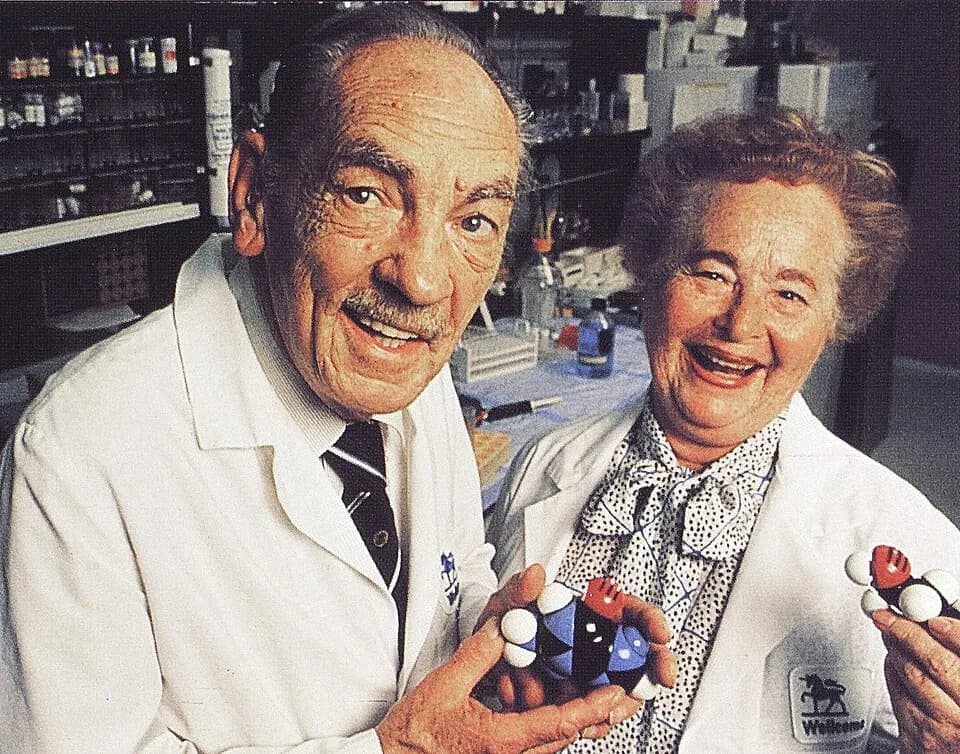
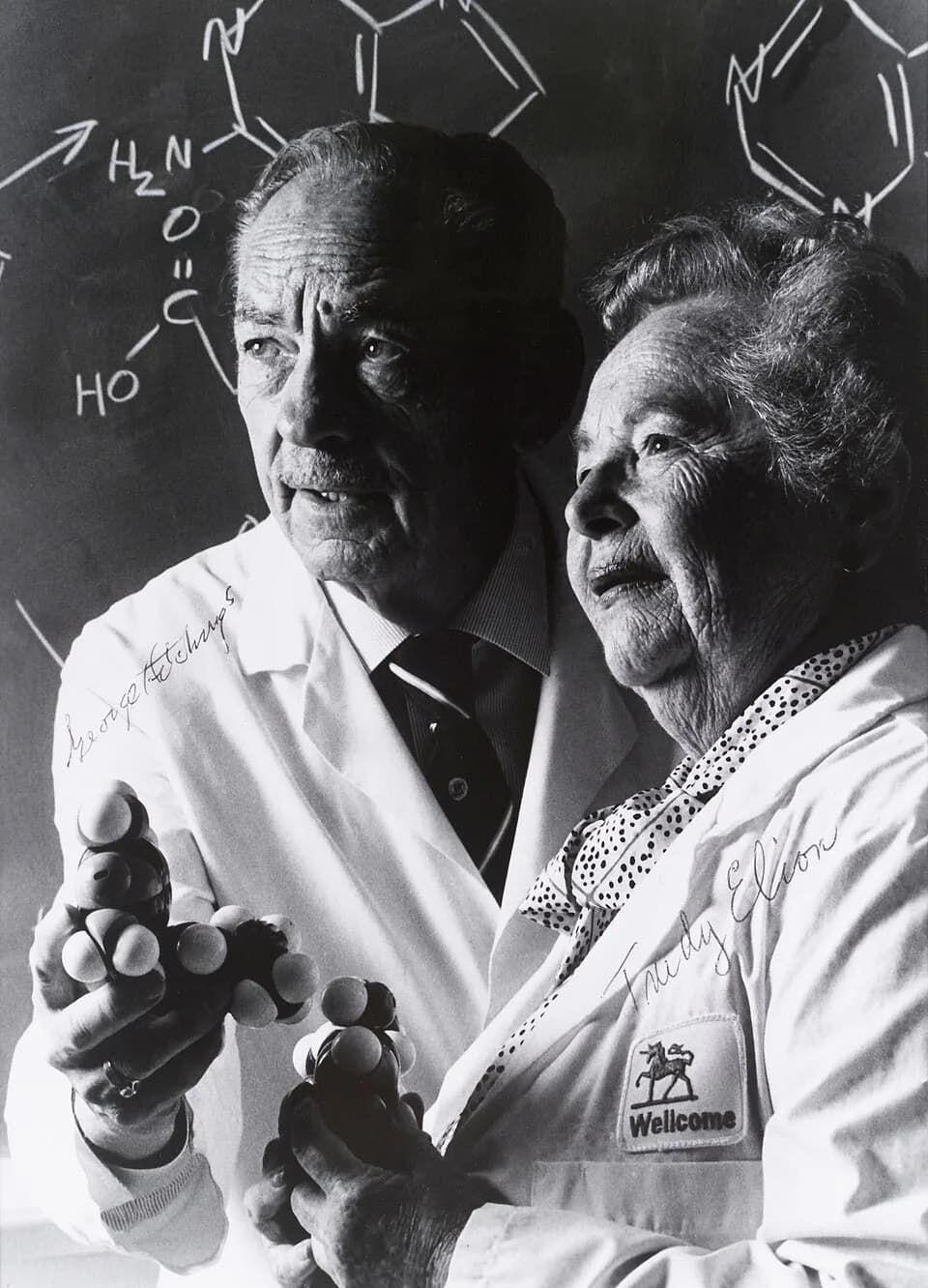
Elion's contributions were recognized with the 1988 Nobel Prize in Physiology or Medicine, an honor she shared with George H. Hitchings and Sir James Black. This prestigious award acknowledged their revolutionary method of developing new drugs based on a deep understanding of disease targets. Her legacy continues to inspire scientists and clinicians striving to conquer illness and improve human well-being.
Bab 2 · 1918· Bab 2 dari 7
Early Life and Origins
Gertrude Belle Elion was born on January 23, 1918, in New York City, United States. Her early life in a vibrant metropolitan setting likely nurtured her intellectual curiosity and drive for learning. The pursuit of education became a cornerstone of her path, despite facing significant barriers for women in science during her era.
Though specific details of her family and upbringing are not extensively provided, it is clear her foundation empowered her to pursue a challenging scientific career. She ultimately became a distinguished university teacher, a profession she held alongside her roles as a pharmacist, pharmacologist, and biochemist. Her early experiences undoubtedly shaped her tenacity and meticulous approach to scientific problems.
Bab 3· Bab 3 dari 7
Career Beginnings and Evolution
Elion began her professional journey as a pharmacist, a role that provided her with practical experience in medicinal compounds and their effects. This foundational understanding proved invaluable as she transitioned into more research-oriented roles. Her initial exposure to pharmaceuticals likely ignited her passion for understanding how drugs interact with biological systems.
She then moved into academic and research settings, applying her knowledge as a university teacher and delving into the complexities of pharmacology and biochemistry. This shift allowed her to contribute directly to the development of new treatments rather than just dispensing existing ones. Her early work laid the essential groundwork for her later, world-changing discoveries in rational drug design.
Bab 4 · 1988· Bab 4 dari 7
Major Achievements and Career Highlights
The pinnacle of Gertrude B. Elion's career was undoubtedly her receipt of the 1988 Nobel Prize in Physiology or Medicine. She was honored alongside George H. Hitchings and Sir James Black for their shared discoveries concerning important principles for drug treatment. Their collaborative efforts redefined how pharmaceutical research was conducted.
Their innovative methods centered on rational drug design, a concept that moved away from the traditional trial-and-error approach. Instead, they focused on understanding the specific biochemical targets within the body that a drug needed to affect. This scientific discipline allowed for the creation of more targeted and effective medications with fewer side effects.
This paradigm shift in drug discovery methodology had far-reaching implications, setting new standards for pharmaceutical development worldwide. Elion's work in this area not only yielded specific life-saving drugs but also established a scientific framework that continues to guide research today. Her insights into how drugs interact with diseased cells were truly visionary.
Bab 5· Bab 5 dari 7
Notable Works and Contributions to Medicine
Gertrude B. Elion's scientific efforts led directly to the development of several critical medications that have saved and improved countless lives. One of her most significant contributions was the creation of azathioprine, which became the first immunosuppressive drug. This medicine plays a crucial role in organ transplant procedures, helping to fight rejection and improve patient outcomes.
Her work also yielded acyclovir (ACV), recognized as the first successful antiviral drug. Acyclovir transformed the treatment of herpes infections, offering relief and control for millions of individuals worldwide. These developments marked significant milestones in the treatment of viral diseases, paving the way for future antiviral therapies.
Perhaps one of her most widely recognized contributions was to the fight against AIDS. Her research was instrumental in the creation of AZT (azidothymidine), which emerged as the first drug widely used against AIDS. The development of AZT represented a monumental step forward in managing HIV/AIDS, offering hope and extending the lives of many patients during a global health crisis.
Bab 6· Bab 6 dari 7
Later Years and Enduring Influence
Even after her Nobel recognition, Gertrude B. Elion remained an active and influential figure in the scientific community. She continued to inspire new generations of researchers through her leadership and commitment to discovery. Her later years were marked by continued advocacy for scientific research and education, reinforcing the importance of basic science in medical advancements.
She passed away on February 21, 1999, in Chapel Hill, United States, leaving behind a profound scientific legacy. Her impact was felt not just in the drugs she helped create, but in the scientific principles she championed. The methods she helped establish continue to be cornerstones of modern pharmacology and drug development.
Bab 7· Bab 7 dari 7
Legacy and Lasting Impact
Gertrude B. Elion's legacy is etched into the very fabric of modern medicine. Her insistence on understanding the biochemical basis of disease targets before designing drugs fundamentally changed how pharmaceutical research is conducted. This rational approach to drug design stands as a lasting contribution, moving drug discovery from empirical testing to a precise, knowledge-based endeavor.
Her discoveries have directly benefited millions globally by providing effective treatments for once-intractable diseases. The principles she championed continue to guide scientists in the development of new medications for emerging health challenges. Gertrude B. Elion’s work ensured a lasting positive impact, shaping drug development for decades to come.
Hidup dalam momen
Momen yang membentuk sebuah kehidupan
FAQ
Sering ditanyakan
Kapan Gertrude B. Elion meninggal?
Gertrude B. Elion meninggal pada 21 Februari 1999 di Chapel Hill, United States, pada usia 81 tahun.
Di mana Gertrude B. Elion dilahirkan?
Gertrude B. Elion lahir di New York City, United States pada 23 Januari 1918.
Gertrude B. Elion paling dikenal karena apa?
Gertrude B. Elion paling dikenal karena American biochemist and pharmacologist.
Berapa usia Gertrude B. Elion saat meninggal?
Gertrude B. Elion berusia 81 tahun saat meninggal.
Apa kewarganegaraan Gertrude B. Elion?
Gertrude B. Elion berasal dari United States.
Garis waktu
Sekilas tentang kehidupan
Galeri foto
Hidup dalam gambar
Klik polaroid mana saja untuk memperbesar · 24 foto
Kode QR
Bagikan Biografi Ini
Cetak & Bagikan
Pindai untuk mengunjungi halaman biografi ini. Cetak untuk acara, pameran, atau materi pendidikan.