Lahir
August 7, 1867
Burkal Parish, Denmark
Meninggal
April 13, 1956
Seebüll, Germany
Dikenal karena
German artist
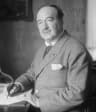
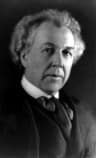
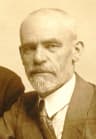
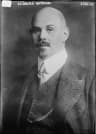
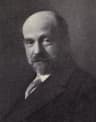
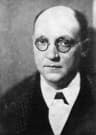
Emil Nolde (1867–1956) was Denmark best known for German artist.
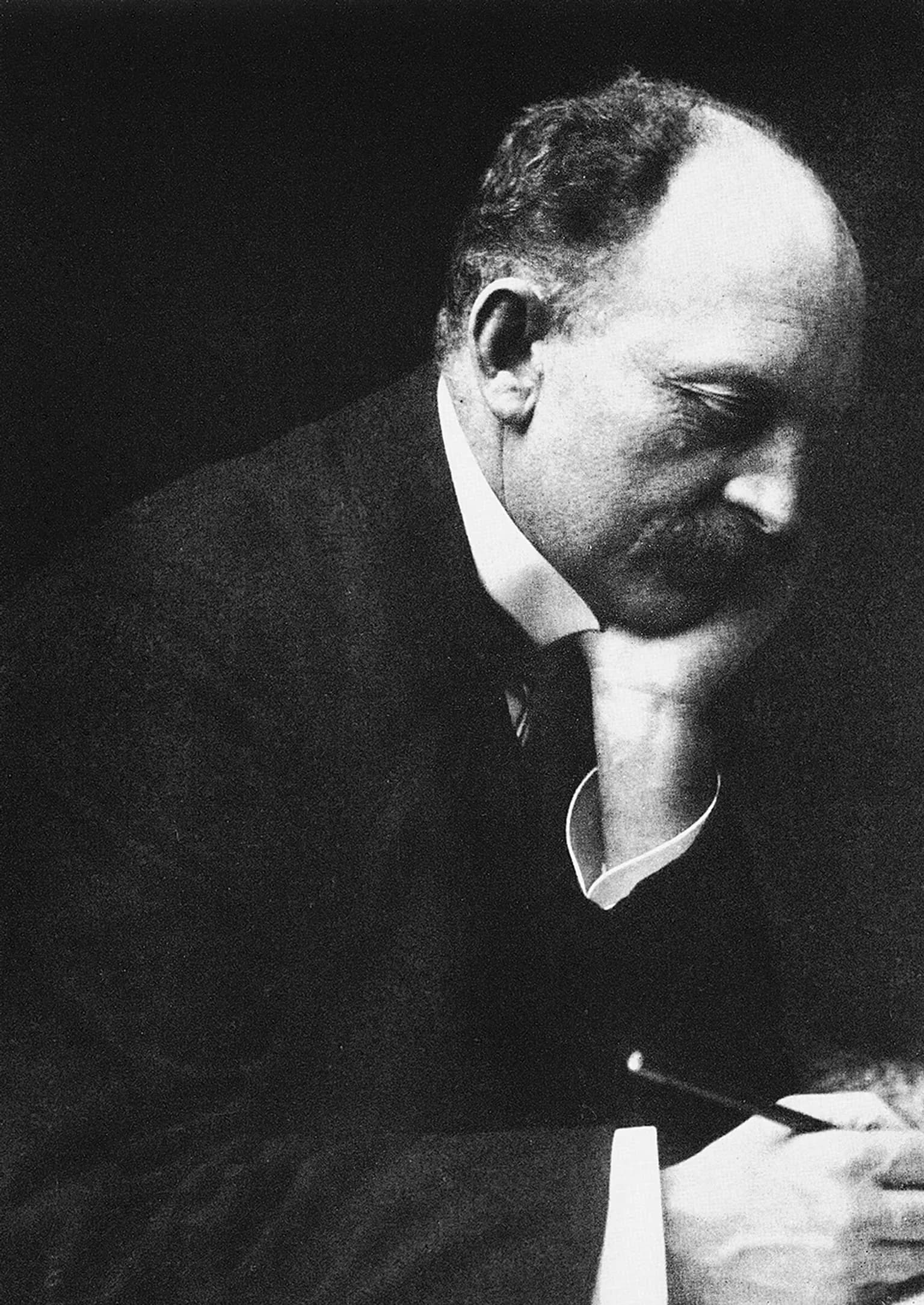
Emil Nolde (August 7, 1867 – April 13, 1956) was a German artist from Burkal Parish, Denmark. He was one of the first Expressionists and a member of Die Brücke, known for his expressive use of color and brushwork. His innovative approach to oil and watercolor painting continues to influence artists.
Bab
Bab kehidupan
Bab 1 · 1867· Bab 1 dari 7
Emil Nolde: A Life in Color and Expression
Emil Nolde (1867–1956) was a highly influential German artist, known for his significant contributions to painting and printmaking. He stands as a central figure among the first Expressionists, whose work deeply shaped the visual arts of the early 20th century. His dedication to exploring color and expressive brushwork left an enduring mark on modern art, distinguishing him as a master of his craft.
Bab 2 · 1867· Bab 2 dari 7
Early Life and Origins
Emil Nolde was born on August 7, 1867, in Burkal Parish, Denmark. This early life in a distinct geographical region likely influenced the natural themes often found in his later works. His formative years in a rural setting provided a foundation for the innovative artistic movements he would later help define.
Bab 3· Bab 3 dari 7
Career Beginnings
Nolde started a diverse professional journey that included various artistic roles. He was recognized as a photographer, painter, and sculptor, demonstrating a broad range of creative talents. His skills also extended to being a xylographer, graphic artist, printmaker, draftsperson, architectural draftsperson, and lithographer.
He became one of the earliest Expressionists and was a distinguished member of Die Brücke, a group instrumental in advancing modern German art. His involvement with such avant-garde movements established his reputation as an artist unafraid to challenge conventional artistic norms.
Bab 4· Bab 4 dari 7
Major Achievements and Career Highlights
Emil Nolde was celebrated for his unique brushwork and highly expressive choice of colors. He was among the first oil painting and watercolor painters of the early 20th century to deeply explore the potential of color as a primary expressive element. This innovative approach set him apart from many of his contemporaries.
His canvases frequently feature golden yellows and deep reds, which imbue his often somber tones with a luminous quality. His exceptional watercolors capture vivid, brooding storm-scapes alongside brilliant, vibrant floral motifs, showcasing his command over different emotional registers and natural subjects.
Bab 5 · 1928· Bab 5 dari 7
Notable Works or Contributions
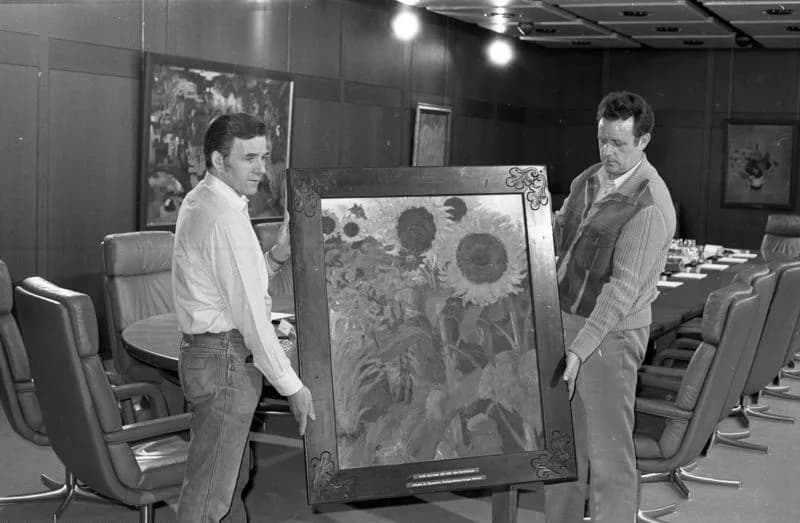
Nolde's prolific output includes many celebrated pieces housed in major museums globally. Among his significant oil paintings are "Large Sunflowers" (1928) and "A Couple" (ca. 1938–45), both held at the Metropolitan Museum of Art (Met Museum) in New York. The Met also features his compelling "Candle Dancers (Kerzentänzerinnen)" (1917), "East Sea Coast" (1907), and "Sleeping Nude" (1907), showcasing his versatility in subject matter and mood.
The Art Institute of Chicago (AIC) proudly displays a wide array of his influential works. These include "Red-Haired Girl" (1919), "Russian Peddler" (1915), and "Figure and Flowers" (c. 1915), reflecting his keen interest in portraiture and the natural world. Other notable pieces at the AIC are "Italian Man" (1906), "Portrait of Mary Wigman" (c. 1920), and "Alice" (1907), highlighting his compelling depictions of individuals.
His contributions to landscape art are seen in works like "North Sea Landscape" (c. 1920) and "Landscape" (1938), both at the AIC, along with "The Matterhorn Smiles" (1897), demonstrating his engagement with diverse natural settings. Furthermore, his figurative art is exemplified by "Nude Standing, Front View" (1908), also part of the AIC collection. These artworks collectively demonstrate his mastery across various themes and mediums, solidifying his place in art history.
Bab 6 · 1956· Bab 6 dari 7
Later Years
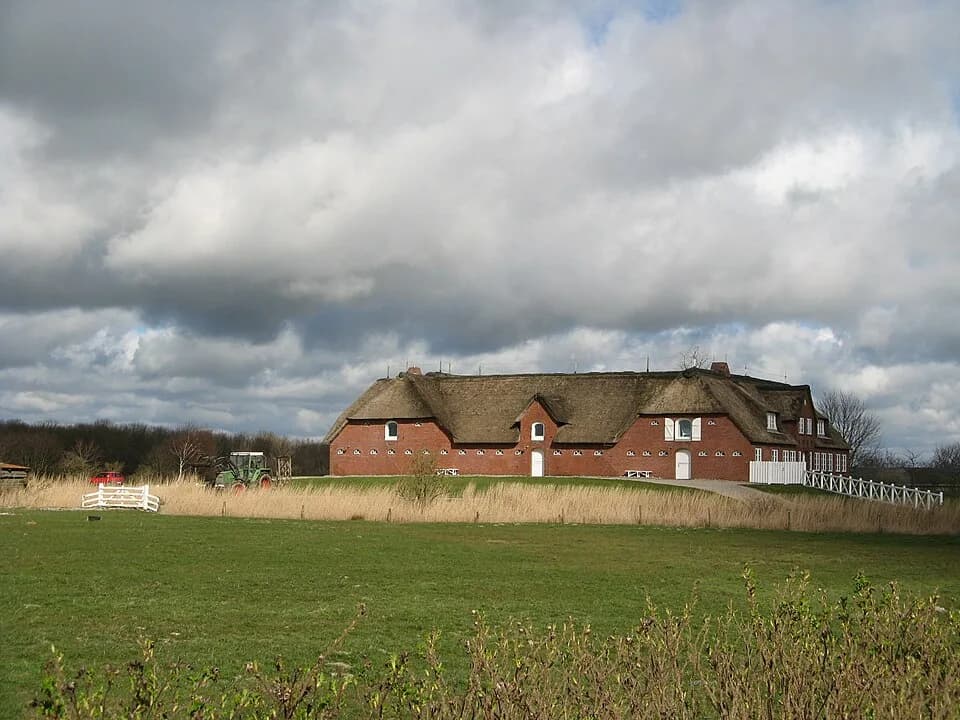
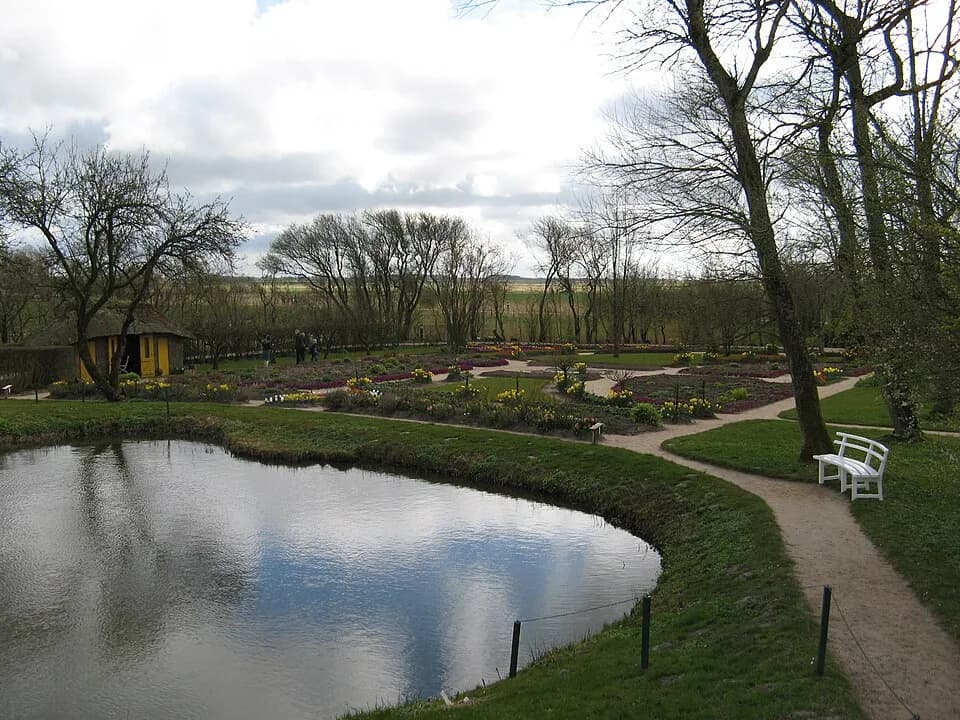
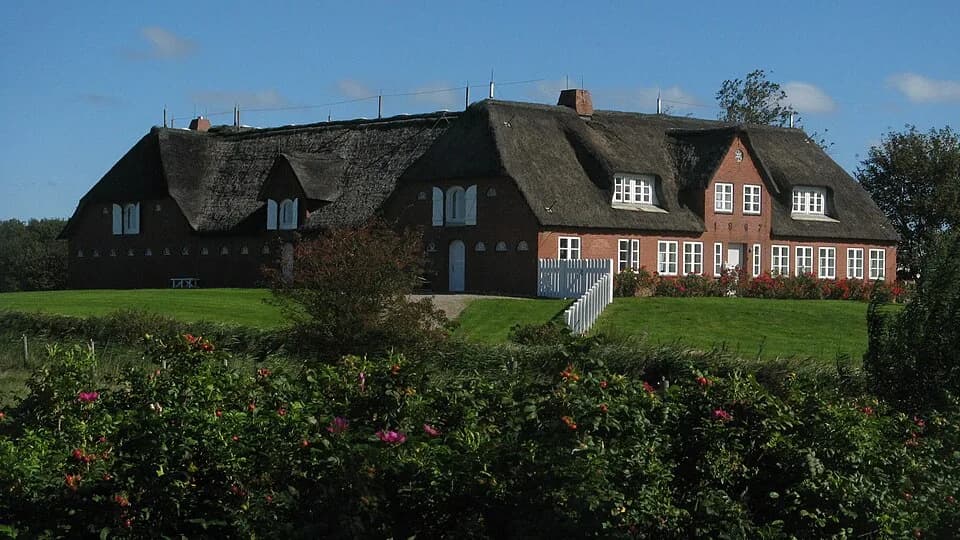
Emil Nolde passed away on April 13, 1956, in Seebüll, Germany. His long life was dedicated to artistic creation, with his final years spent in the inspiring region that often appeared in his art. His passing marked the end of an era for German Expressionism, but his influence continued to grow in the decades that followed.
Bab 7· Bab 7 dari 7
Legacy and Impact
Emil Nolde's artistic vision continues to resonate strongly within the art world. His pioneering role as an Expressionist and his membership in Die Brücke were instrumental in defining new artistic directions for the 20th century. He remains a key figure for his innovative exploration of color in both oil and watercolor, influencing generations of artists with his bold approach.
His distinctive brushwork and radiant palettes ensure his lasting recognition as a master of modern art. Nolde's enduring legacy lies in his fearless experimentation with color and form, which irrevocably changed the course of Expressionist painting and printmaking.
Hidup dalam momen
Momen yang membentuk sebuah kehidupan
FAQ
Sering ditanyakan
Kapan Emil Nolde meninggal?
Emil Nolde meninggal pada 13 April 1956 di Seebüll, Germany, pada usia 88 tahun.
Di mana Emil Nolde dilahirkan?
Emil Nolde lahir di Burkal Parish, Denmark pada 7 Agustus 1867.
Emil Nolde paling dikenal karena apa?
Emil Nolde paling dikenal karena German artist.
Berapa usia Emil Nolde saat meninggal?
Emil Nolde berusia 88 tahun saat meninggal.
Apa kewarganegaraan Emil Nolde?
Emil Nolde berasal dari Denmark.
Garis waktu
Sekilas tentang kehidupan
Galeri foto
Hidup dalam gambar
Klik polaroid mana saja untuk memperbesar · 24 foto
Kode QR
Bagikan Biografi Ini
Cetak & Bagikan
Pindai untuk mengunjungi halaman biografi ini. Cetak untuk acara, pameran, atau materi pendidikan.