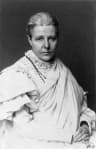
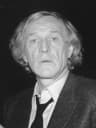
Lahir
October 1, 1685
Vienna, Austria
Meninggal
October 20, 1740
Vienna, Austria
Dikenal karena
18th century Habsburg Holy Roman Emperor
Charles VI, Holy Roman Emperor (1685–1740) was Austria best known for 18th century Habsburg Holy Roman Emperor.
Charles VI (October 1, 1685 – October 20, 1740) was a Holy Roman Emperor and monarch from Vienna, Austria. He spent much of his reign securing the Pragmatic Sanction to ensure his daughter, Maria Theresa, could inherit his vast Habsburg dominions. His efforts, though met with initial recognition, ultimately led to war upon his death.
Bab
Bab kehidupan
Bab 1 · 1713· Bab 1 dari 3
Securing Maria Theresa's Reign
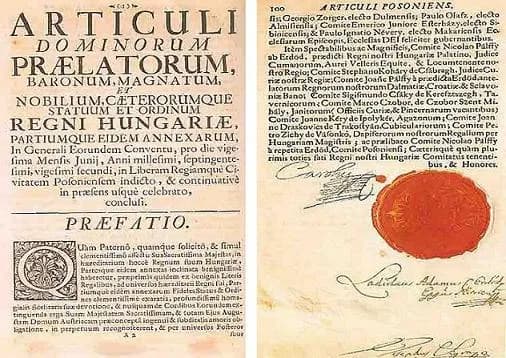
Charles's most enduring struggle, however, was closer to home: securing the succession for his own family. With no surviving sons, he faced the daunting prospect of the Habsburg lands being divided upon his death. He moved decisively with the Pragmatic Sanction of 1713, a decree that abolished male-only succession and declared the Habsburg realms indivisible. This act controversially disinherited his nieces, who were his elder brother's daughters. Charles spent the remainder of his reign navigating a complex web of diplomacy, attempting to secure recognition for his own daughter, Maria Theresa, from Europe's powers. Nations like Britain and France extracted significant concessions for their approval, including the closure of the Ostend Company, a trading venture he himself had founded. Yet, many later reneged on their promises, illustrating Prince Eugene of Savoy's bleak assessment: the best guarantee was a powerful army, not signed papers.
Bab 2 · 1722· Bab 2 dari 3
A Monarch's Inner World
Beyond the imposing facade of imperial politics lay a man capable of profound personal attachments. Charles VI was a devoted art collector, filling his court with cultural treasures. More intimately, he held deep affection for select courtiers. His relationship with Michael Joseph, Count Althann, a groom of the bedchamber, was particularly significant. Charles called him "my only heart, my comfort [...] my soul mate," and his death in 1722, after nearly two decades together, left the Emperor devastated. These private moments offered a glimpse into a sensitive soul beneath the imperial robes. He was also a devout Catholic, promoting the reestablishment of ecclesiastical structures in lands newly liberated from Ottoman rule and confirming privileges for Eastern Orthodox subjects in Hungary and other regions.
Bab 3 · 1740· Bab 3 dari 3
A Legacy Forged in Fire
Despite his tireless efforts, Charles's "life opus," the Pragmatic Sanction, could not prevent the storm that followed his death on October 20, 1740. Voltaire, a contemporary observer, wryly suggested a meal of death cap mushrooms might have been the cause. The treasury held a mere 100,000 florins, the army scattered and in debt. Weeks after Charles’s passing, a coalition of powers — some of whom had formally recognized the sanction — assaulted the Austrian frontiers. His daughter, Maria Theresa, was forced to fight for her inheritance, ultimately saving her crown and most of her territory, though losing Silesia and Parma. Charles's reign, for all its diplomatic maneuvering, ultimately prepared the stage for an extraordinary successor to forge her own legend, hardened by the challenges her father had sought, in vain, to prevent.
Hidup dalam momen
Momen yang membentuk sebuah kehidupan
FAQ
Sering ditanyakan
Kapan Charles VI, Holy Roman Emperor meninggal?
Charles VI, Holy Roman Emperor meninggal pada 20 Oktober 1740 di Vienna, Austria, pada usia 55 tahun.
Di mana Charles VI, Holy Roman Emperor dilahirkan?
Charles VI, Holy Roman Emperor lahir di Vienna, Austria pada 1 Oktober 1685.
Charles VI, Holy Roman Emperor paling dikenal karena apa?
Charles VI, Holy Roman Emperor paling dikenal karena 18th century Habsburg Holy Roman Emperor.
Berapa usia Charles VI, Holy Roman Emperor saat meninggal?
Charles VI, Holy Roman Emperor berusia 55 tahun saat meninggal.
Apa kewarganegaraan Charles VI, Holy Roman Emperor?
Charles VI, Holy Roman Emperor berasal dari Austria.
Garis waktu
Sekilas tentang kehidupan
Galeri foto
Hidup dalam gambar
Klik polaroid mana saja untuk memperbesar · 49 foto
Kode QR
Bagikan Biografi Ini
Cetak & Bagikan
Pindai untuk mengunjungi halaman biografi ini. Cetak untuk acara, pameran, atau materi pendidikan.