Lahir
March 6, 1926
Suwałki, Poland
Meninggal
October 9, 2016
Warsaw, Poland
Dikenal karena
Polish film director
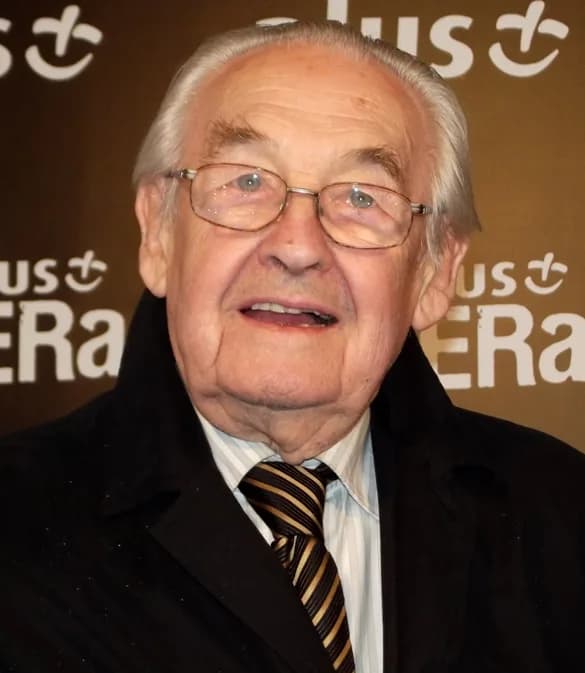
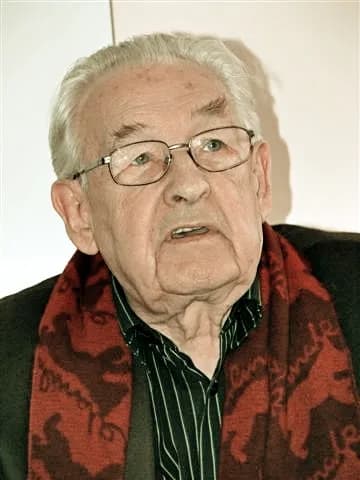
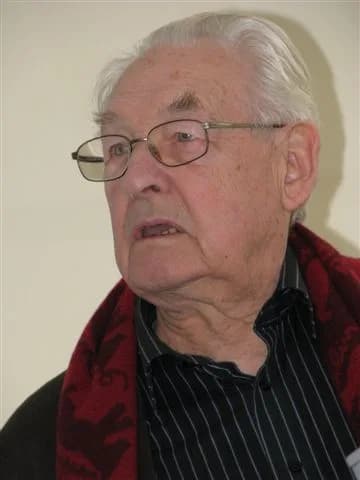
Andrzej Wajda (1926–2016) was Poland best known for Polish film director.
Andrzej Wajda (March 6, 1926 – October 9, 2016) was a Polish film director from Suwałki, Poland. A prominent member of the "Polish Film School," he received an Honorary Oscar and the Palme d'Or. He was especially known for his powerful war film trilogy, leaving an enduring legacy in cinema.
Bab
Bab kehidupan
Bab 1 · 1926· Bab 1 dari 6
Introduction
Andrzej Witold Wajda, born on March 6, 1926, and who passed away on October 9, 2016, was an eminent Polish film and theatre director. His expansive career spanned decades, establishing him as a central figure in European cinema. Wajda's remarkable work earned him global recognition, notably including an Honorary Oscar and the prestigious Palme d'Or.
As a prominent member of the "Polish Film School," Wajda’s contributions profoundly shaped the cinematic landscape of his home country. His films consistently explored themes of Polish history, identity, and the human condition under challenging circumstances. Through his diverse body of work, he left an enduring mark on both national and international cinema.
Bab 2 · 1926· Bab 2 dari 6
Early Life and Origins
Andrzej Wajda began his life in Suwałki, Poland, the place of his birth on March 6, 1926. His formative years in Poland undoubtedly influenced his artistic sensibilities and his deep connection to the country's historical narratives. While specific details about his family and upbringing are not extensively provided, his birthplace in Suwałki grounded him deeply within Polish culture and experience.
Bab 3· Bab 3 dari 6
Career Beginnings and the Polish Film School
Wajda swiftly established himself as a prominent and influential member of the "Polish Film School" movement. This significant period in Polish cinema, often characterized by its exploration of recent Polish history, especially the traumatic experiences of World War II, found its voice through directors like Wajda. His early cinematic works powerfully captured the national mood and the complex post-war struggles facing Poland.
His multifaceted talents saw him engage in various artistic and professional roles from the outset of his career. Beyond directing, Wajda was also a screenwriter, contributing to the narratives of his films. He also worked as a painter, reflecting a broad artistic foundation that informed his visual storytelling in cinema.
Bab 4· Bab 4 dari 6
Major Achievements and Iconic War Trilogy
Andrzej Wajda received significant international acclaim throughout his career, cementing his status as a master filmmaker. He was honored with numerous prestigious awards, including an Honorary Oscar for his lifetime achievements. Additionally, he earned the highly coveted Palme d'Or, alongside Honorary Golden Lion and Honorary Golden Bear Awards, underscoring his lasting impact on global cinema.
He became particularly renowned for his powerful and compelling trilogy of war films, which are considered cornerstones of Polish cinema. These include "A Generation," released in 1955, followed by "Kanał" in 1957, and the critically acclaimed "Ashes and Diamonds" from 1958. These three films collectively offered a profound and unflinching cinematic exploration of the Polish experience during and immediately after World War II, capturing the sacrifices and dilemmas faced by a generation.
Bab 5 · 2006· Bab 5 dari 6
Further Notable Works and Diverse Contributions
Beyond his celebrated war trilogy, Andrzej Wajda continued to direct a wide array of significant and thematically rich films. His notable filmography includes "Primo Levi's Journey" from 2006, and the thought-provoking "Solidarność, Solidarność..." released in 2005. He also directed a film identified as "Q60071322" in 2010, demonstrating his unwavering artistic output into the later years of his life.
Further projects that showcased his engagement with Polish history and literature include the adaptations "Pan Tadeusz" and "Katyń." Wajda's professional life was remarkably expansive, extending far beyond film direction to encompass multiple artistic and civic roles. He was a versatile screenwriter and a successful film producer, overseeing the creation of many of his works.
His talents also led him to work extensively in theatre as both a theatrical director and a theatre manager, showcasing his deep engagement with various forms of stagecraft. Furthermore, Wajda ventured into television as a director and even served as a politician, underscoring the breadth of his creative, organizational, and civic endeavors throughout his distinguished career.
Bab 6 · 2016· Bab 6 dari 6
Later Years and Enduring Legacy
Andrzej Wajda passed away on October 9, 2016, in Warsaw, Poland, leaving behind an exceptionally rich and influential body of work. His later career continued to produce significant films and artistic contributions, consistently demonstrating his profound commitment to cinema and storytelling. He remained an active and respected voice in Polish culture and a figure of international renown until his passing.
His collected writings and reflections also form an important part of his lasting legacy, offering invaluable insights into his artistic philosophy. Works such as "To lubię," "Podwójne spojrzenie," and "Kino i reszta świata" provide a deeper understanding of his creative thought process. The book "Anjei Waida jisaku o kataru," which translates to "Andrzej Wajda speaks about his own work," offers a personal and direct account of his experiences and artistic journey.
Additionally, scholarly works like "Jedenaśacie arcydzieł literatury w filmach Andrzeja Wajdy" further examine his unique and influential approach to adapting literary classics for the screen. Andrzej Wajda's influence as a Polish film director is profound and undeniable, as he not only transformed Polish cinema but also inspired generations of filmmakers and artists globally. His unwavering exploration of Polish history, national identity, and moral dilemmas through film cemented his place as one of the most significant cultural figures of the 20th and early 21st centuries.
Hidup dalam momen
Momen yang membentuk sebuah kehidupan
FAQ
Sering ditanyakan
Kapan Andrzej Wajda meninggal?
Andrzej Wajda meninggal pada 9 Oktober 2016 di Warsaw, Poland, pada usia 90 tahun.
Di mana Andrzej Wajda dilahirkan?
Andrzej Wajda lahir di Suwałki, Poland pada 6 Maret 1926.
Andrzej Wajda paling dikenal karena apa?
Andrzej Wajda paling dikenal karena Polish film director.
Berapa usia Andrzej Wajda saat meninggal?
Andrzej Wajda berusia 90 tahun saat meninggal.
Apa kewarganegaraan Andrzej Wajda?
Andrzej Wajda berasal dari Poland.
Garis waktu
Sekilas tentang kehidupan
Galeri foto
Hidup dalam gambar
Klik polaroid mana saja untuk memperbesar · 35 foto
Kode QR
Bagikan Biografi Ini
Cetak & Bagikan
Pindai untuk mengunjungi halaman biografi ini. Cetak untuk acara, pameran, atau materi pendidikan.