Ծնված
April 8, 1605
Valladolid Royal Palace, Spain
Մահացած
September 17, 1665
Cuarto bajo del Rey, Crown of Castile
Հայտնի է որպես
King of Spain and Portugal
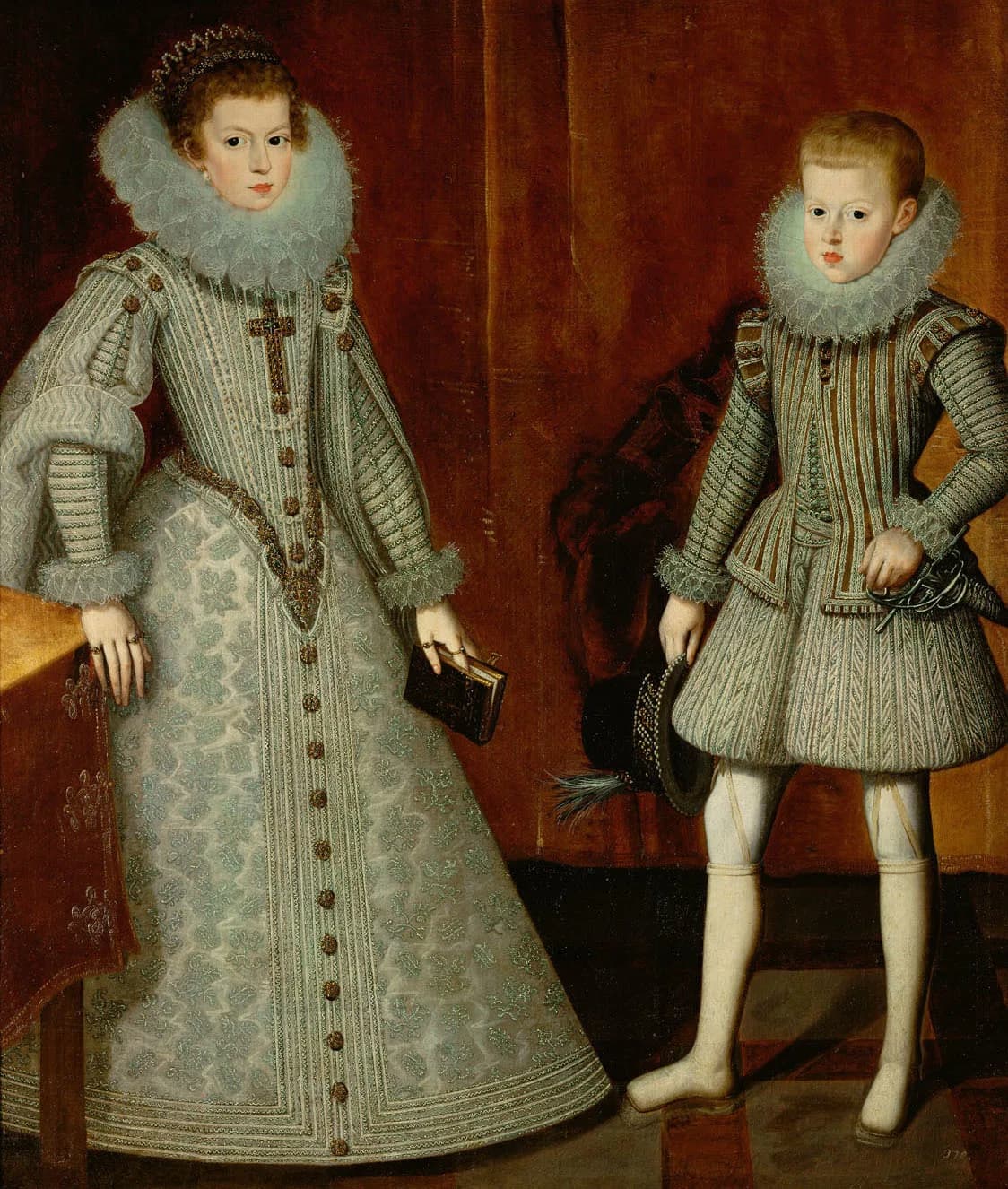
Philip IV of Spain (April 8, 1605 – September 17, 1665) was a monarch and politician from Spain. Known as the Planet King, he ruled Spain during the Thirty Years' War and was a significant patron of the arts. His legacy includes supporting artists like Diego Velázquez.
Կյանք պահերում
Պահեր, որ ձևավորեցին կյանքը
Գլուխ
Կյանքի գլուխներ
Գլուխ 1 · 1605· Գլուխ 1 / 7
Early Life and Origins
Philip IV was born on April 8, 1605, within the historic Valladolid Royal Palace in Spain, an auspicious beginning that underscored his destined role within the Spanish monarchy. As the eldest son of King Philip III and Margaret of Austria, he entered a world defined by immense imperial power and intricate European dynastic ties. His birth in the heart of the kingdom’s temporary capital at the time signaled the continuity of the powerful Habsburg dynasty in Spain.
From an early age, Philip was immersed in an education meticulously designed to prepare him for the formidable responsibilities of kingship. His upbringing encompassed rigorous instruction in statesmanship, history, languages, and the arts, reflecting the comprehensive knowledge expected of a future monarch. The environment of the Valladolid Royal Palace and later the Madrid court provided him with early exposure to the intricacies of governance, courtly protocol, and the cultural richness that would later define his personal interests.
Գլուխ 2 · 1621· Գլուխ 2 / 7
Career Beginnings
Upon the death of his father, Philip III, in 1621, Philip IV ascended to the throne at the relatively young age of sixteen. This immediate transition propelled him into the demanding roles of King of Spain and King of Portugal, placing him at the helm of a vast and complex global empire. The dual monarchy, which united the Iberian Peninsula and extended Spanish influence across the Americas, Africa, and Asia, presented extraordinary challenges.
His early years as monarch were characterized by the immediate necessity of establishing his authority and navigating the intricate network of European alliances and rivalries. He inherited a powerful yet financially strained empire, requiring swift political maneuvering and careful administrative decisions from the outset of his reign. Philip’s initial actions were shaped by his principal minister, the Count-Duke of Olivares, who played a significant role in guiding the young king through the initial complexities of imperial governance.
Գլուխ 3· Գլուխ 3 / 7
Major Achievements and Career Highlights
Philip IV's reign was notably defined by his leadership during the tumultuous Thirty Years' War, a protracted and devastating conflict that profoundly reshaped the European political landscape. As a prominent monarch and politician, he inherited and managed Spain's deep involvement in this continent-wide struggle, which demanded significant military, diplomatic, and financial resources. His decisions during this period had far-reaching consequences for the Spanish Crown, influencing its standing among other European powers and impacting its vast imperial holdings.
Beyond the immense pressures of war, Philip IV also oversaw the ongoing administration of the sprawling Spanish Empire. This complex undertaking demanded constant attention to diplomacy, colonial governance, and domestic affairs, cementing his role as a diligent ruler. His efforts to maintain the empire's integrity, despite external pressures and internal revolts, underscore his commitment to his duties as head of state. Though facing significant challenges, his persistence in governing such extensive territories represented a monumental effort throughout his career.
Գլուխ 4· Գլուխ 4 / 7
Personal Life
While the intricacies of Philip IV's private life are less detailed in public records compared to his political and artistic endeavors, his role as an art collector speaks volumes about his personal interests and cultivated tastes. His passion for art was not merely a royal duty but a genuine personal pursuit, distinguishing him among his contemporaries. This personal inclination led him to surround himself with beauty and support some of the greatest artistic talents of his era.
As a monarch, Philip IV also had significant familial responsibilities, primarily concerning the continuity and security of the Spanish Habsburg dynasty. The importance of royal succession, securing legitimate heirs, and forging dynastic alliances through marriage were paramount duties that intertwined his personal life with the political future of Spain. These personal dimensions, though often dictated by the demands of his position, provided a human element to his otherwise grand public persona.
Գլուխ 5· Գլուխ 5 / 7
Notable Works or Contributions
A central and most celebrated aspect of Philip IV's enduring legacy is his profound patronage of the arts, an activity that flourished under his discerning eye. He actively supported and collected works from leading artists of his era, most notably the celebrated painter Diego Velázquez, whom he elevated to a prominent position within the court. This direct support allowed Velázquez to produce an extraordinary body of work, including iconic portraits of the king, his family, and various court figures, capturing the essence of the Spanish Golden Age.
Through his unwavering commitment and financial backing, Philip IV transformed the Spanish court into one of Europe's premier artistic centers. He commissioned countless masterpieces that would later form the core of Spain's royal collections, significantly enriching the cultural heritage of the nation. His vision as an art collector was instrumental in developing the distinctive style of Spanish Baroque painting, ensuring that the works of artists like Velázquez received the recognition and support necessary for their creation and preservation.
The king's extensive acquisitions and commissions contributed to the creation of one of the finest art collections of his time, demonstrating an advanced appreciation for artistic excellence. This cultural patronage was a deliberate effort to project the grandeur and sophistication of the Spanish monarchy onto the European stage, cementing his reputation not just as a ruler, but also as a preeminent figure in the history of art collection and artistic development.
Գլուխ 6· Գլուխ 6 / 7
Later Years
Philip IV ruled Spain for over four decades, navigating his kingdom through periods of intense challenge and significant cultural achievement until his death. His later years were marked by continued political complexities, including the aftermath of the Thirty Years' War and the ongoing administrative burden of his vast territories. Despite the many trials, he remained steadfast in his duties, overseeing the intricacies of an empire that continued to shape global affairs.
His reign witnessed periods of both triumph and adversity, requiring unwavering resolve from the monarch. He passed away on September 17, 1665, in the Cuarto bajo del Rey, a specific chamber within a royal residence in the Crown of Castile. His death brought to an end a lengthy and impactful kingship, leaving behind a Spain profoundly shaped by his political decisions and his lasting contributions to the arts.
Գլուխ 7· Գլուխ 7 / 7
Legacy and Impact
Philip IV is remembered not only for his extensive political authority as King of Spain and Portugal but also as a monarch who profoundly shaped the cultural heritage of Spain. His enduring moniker, 'the Planet King,' evokes the vastness of his territorial domains and the extensive cultural influence he wielded. His reign is intrinsically linked to the artistic vibrancy of the Spanish Golden Age, an era of unparalleled creativity and artistic innovation.
His unwavering support for artists like Diego Velázquez ensured that Spanish painting reached its zenith, leaving an invaluable artistic inheritance that continues to be celebrated worldwide. The royal collections he meticulously assembled became treasures, accessible to future generations and forming the basis of institutions like the Prado Museum. Philip IV's commitment to culture ensured that art and patronage would forever be intertwined with the identity of the Spanish monarchy.
Beyond his cultural impact, his period of rule, though politically demanding and fraught with international conflict, laid crucial foundations for future generations of Spanish governance and national identity. He navigated the immense challenges of a global empire during a transformative century, securing his place as a pivotal and complex figure in Spanish and European history. His reign left a deep and lasting imprint on both the political and cultural fabric of Spain.
Ժամանակագրություն
Կյանք մի հայացքով
Լուսանկարների պատկերասրահ
Կյանքը նկարներում
Սեղմեք ցանկացած բևեռոյդի վրա՝ ընդարձակելու համար · 47 լուսանկար
QR կոդ
Կիսվել այս կենսագրությամբ
Տպել և կիսվել
Սկանավորեք այս կենսագրության էջը այցելելու համար։ Տպեք միջոցառումների, ցուցահանդեսների կամ ուսումնական նյութերի համար։


![Philip IV of Spain - Dibujo idealizado de la Villa de Puerto Viejo, constado en la obra Crónica y Buen Gobierno de Felipe Guamán Poma de Ayala.[1]](/_next/image?url=https%3A%2F%2Fcdn.whowasthisguy.com%2Fgallery_wikimedia_commons_1777946606988_4_9abb66e750.webp&w=1920&q=75)