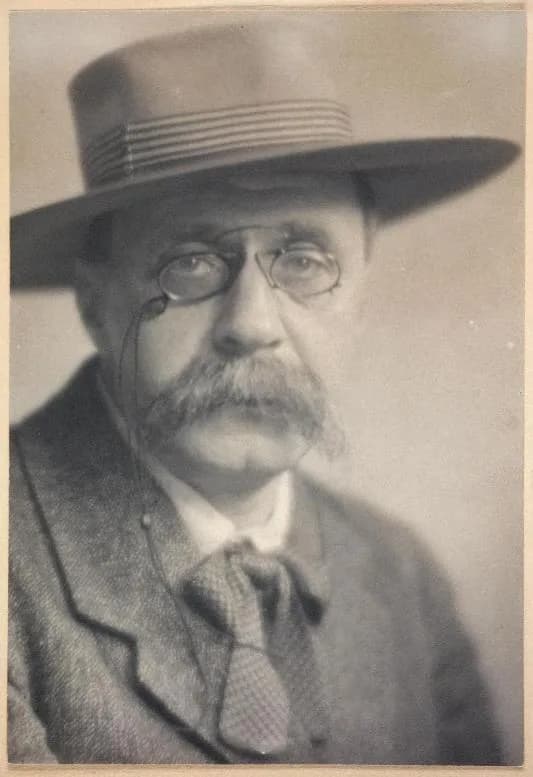
Ծնված
March 9, 1892
Ada, Serbia
Մահացած
February 5, 1971
Nizhny Novgorod, Russia
Հայտնի է որպես
former First Secretary of the Hungarian Working People's Party
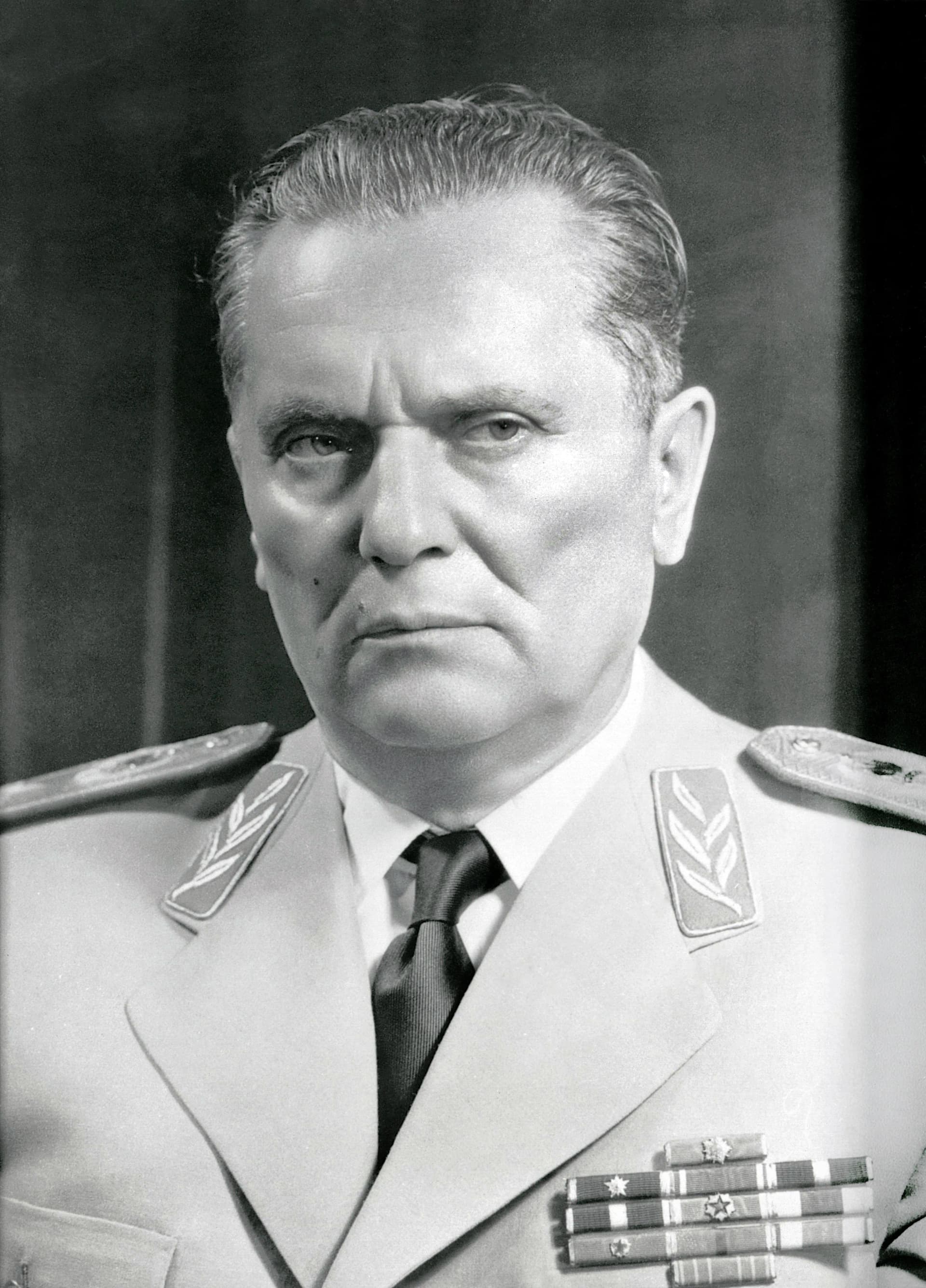
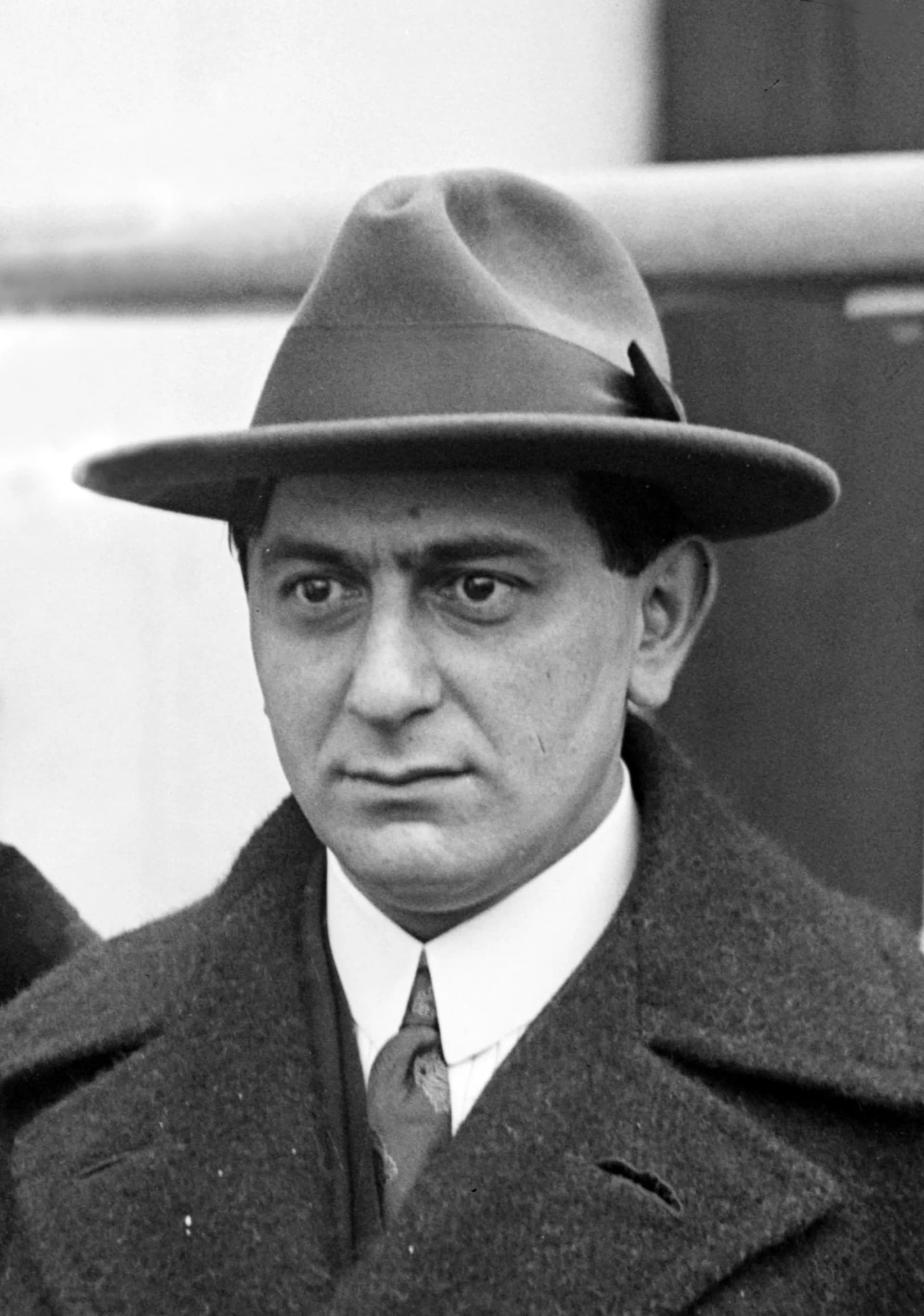
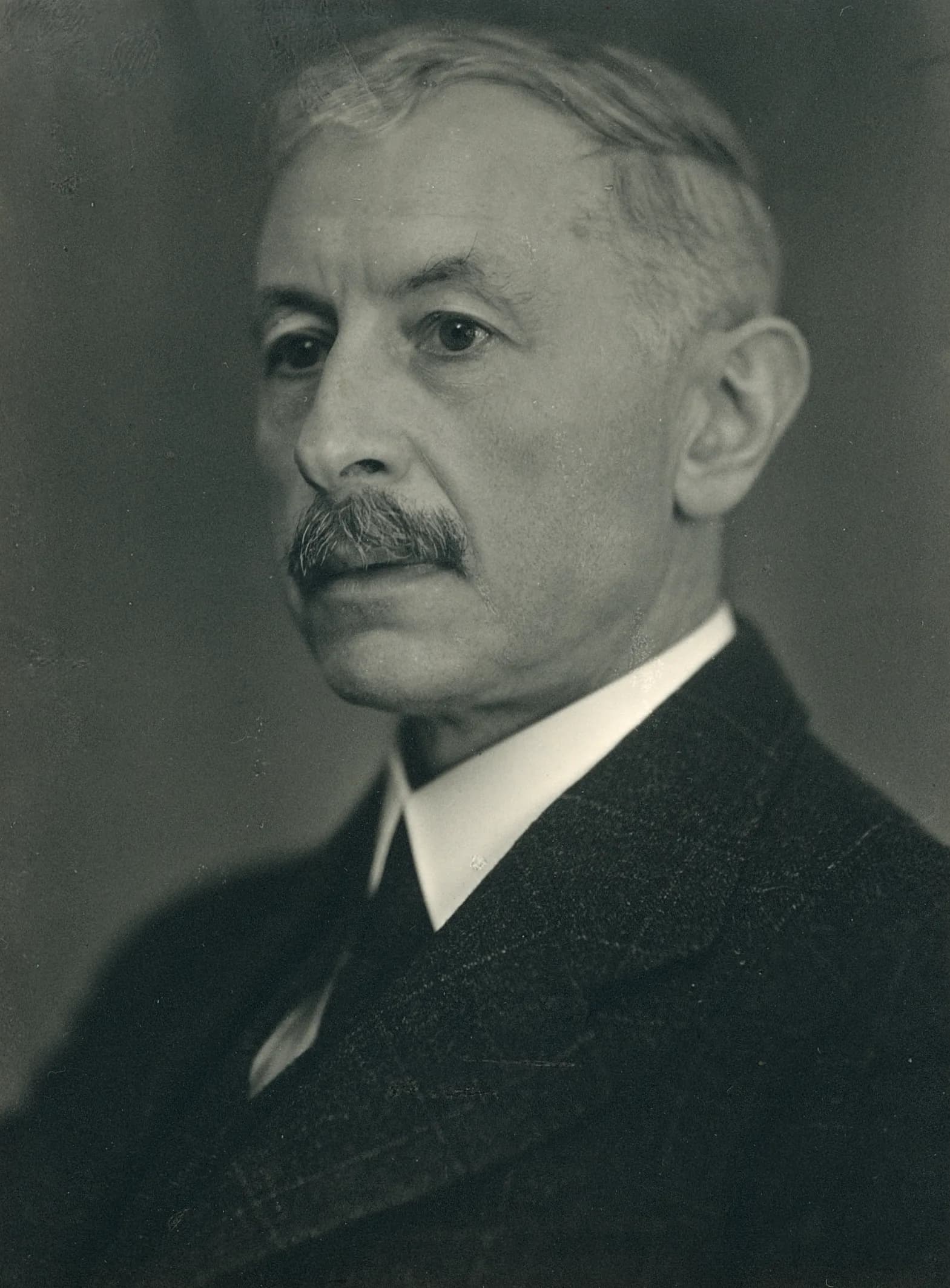
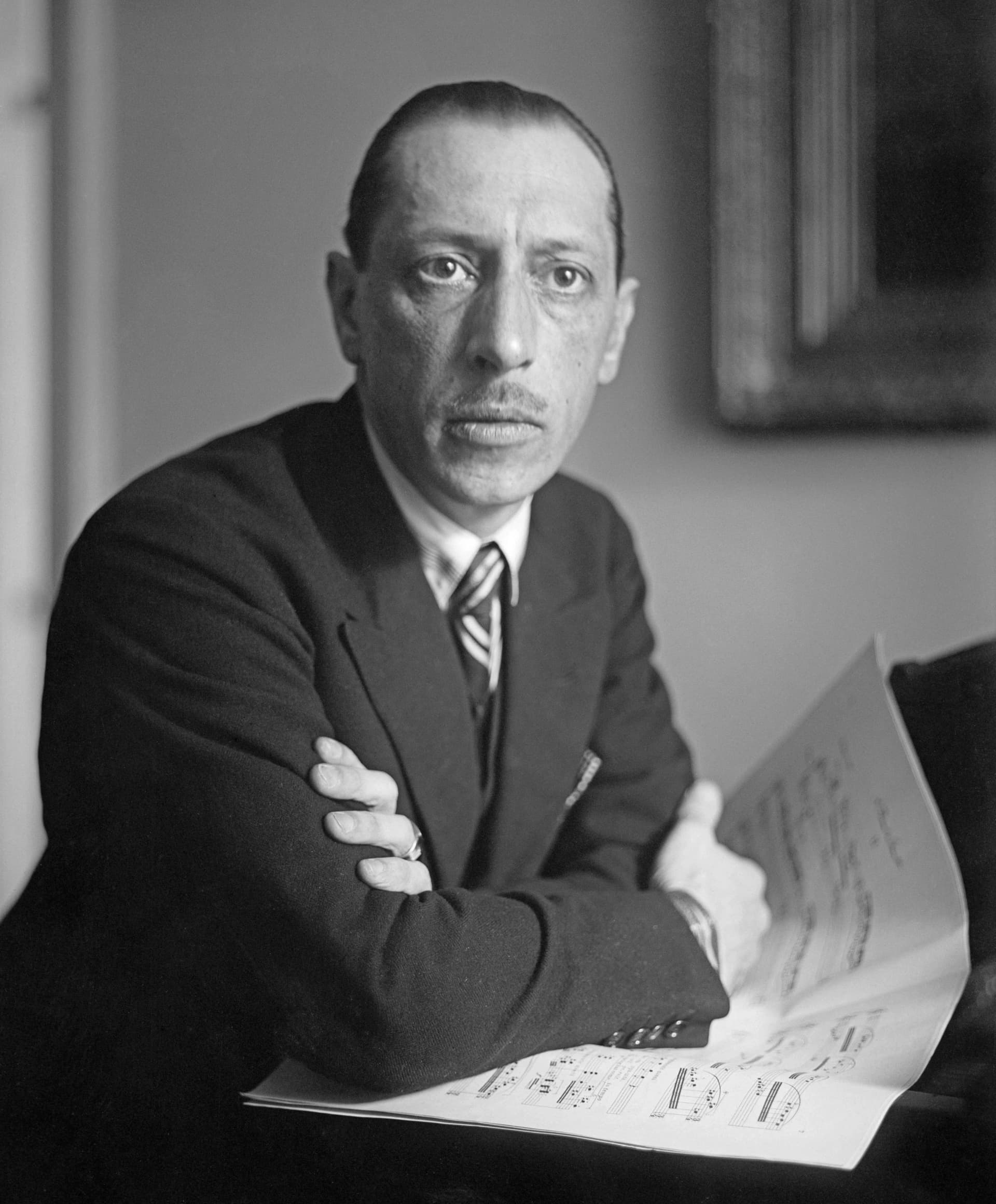
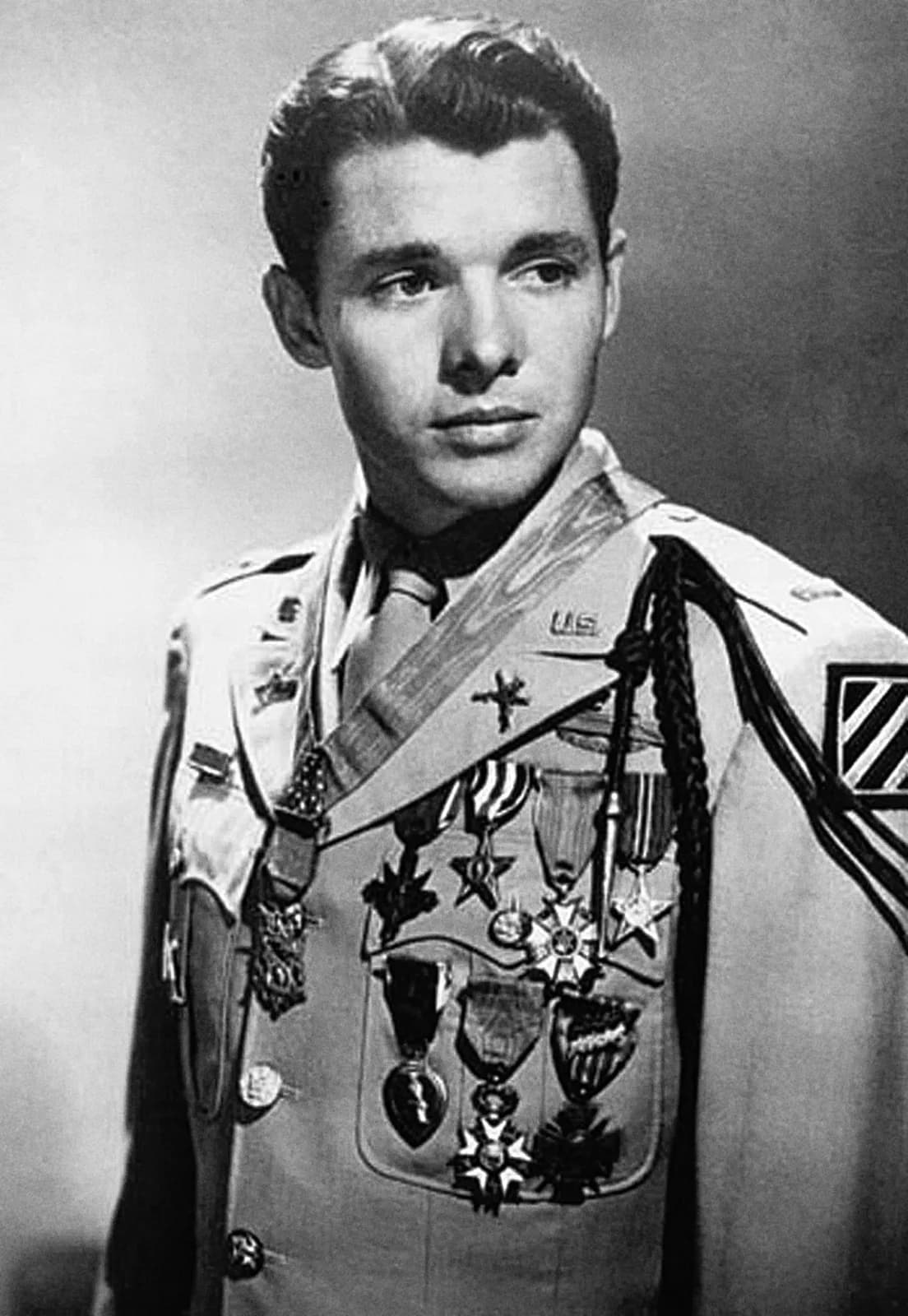
Mátyás Rákosi (1892–1971) was Serbia best known for former First Secretary of the Hungarian Working People's Party.
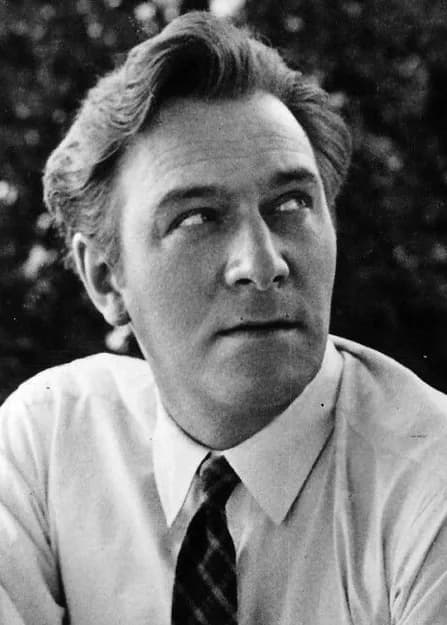
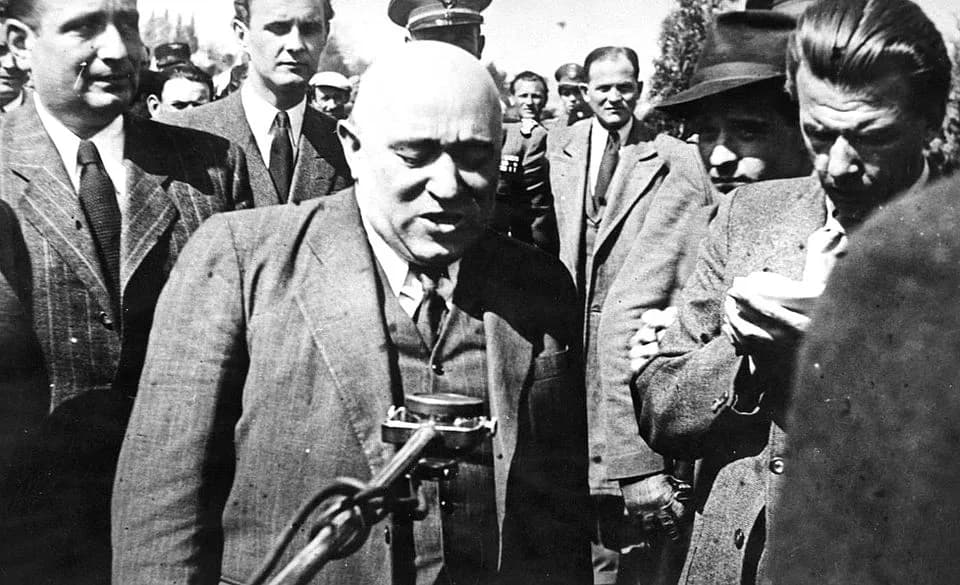
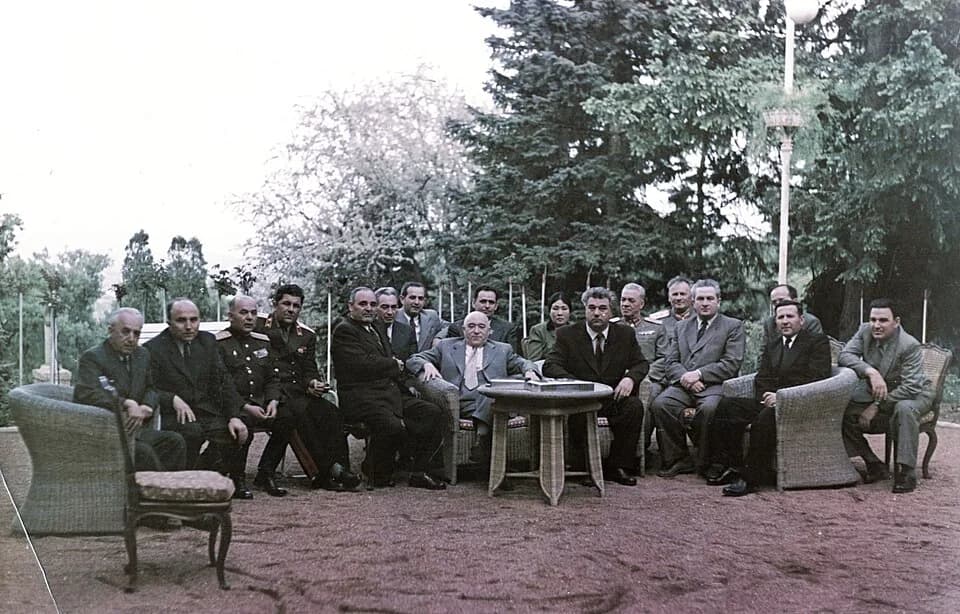
Mátyás Rákosi (March 9, 1892 – February 5, 1971) was a Hungarian communist politician. He served as the de facto leader of Hungary from 1948 to 1956, acting as General Secretary of the Hungarian Working People's Party. His leadership marked a defining period in Hungarian history.
Կյանք պահերում
Պահեր, որ ձևավորեցին կյանքը
Գլուխ
Կյանքի գլուխներ
Գլուխ 1 · 1892· Գլուխ 1 / 5
Early Life and Origins
Mátyás Rákosi was born on March 9, 1892, in Ada, a town located in present-day Serbia. This initial geographical context would have shaped his early worldview and experiences. Growing up in this region during the late 19th and early 20th centuries, Rákosi was exposed to an era of evolving national identities and political ideologies.
Գլուխ 2· Գլուխ 2 / 5
Career Beginnings
Rákosi embarked on his career as a politician, becoming deeply involved with the communist movement. His early efforts and dedication allowed him to ascend within the Hungarian Communist Party. These foundational years were crucial in developing the skills and network that would later propel him to national leadership.
Գլուխ 3 · 1948· Գլուխ 3 / 5
Major Achievements and Career Highlights
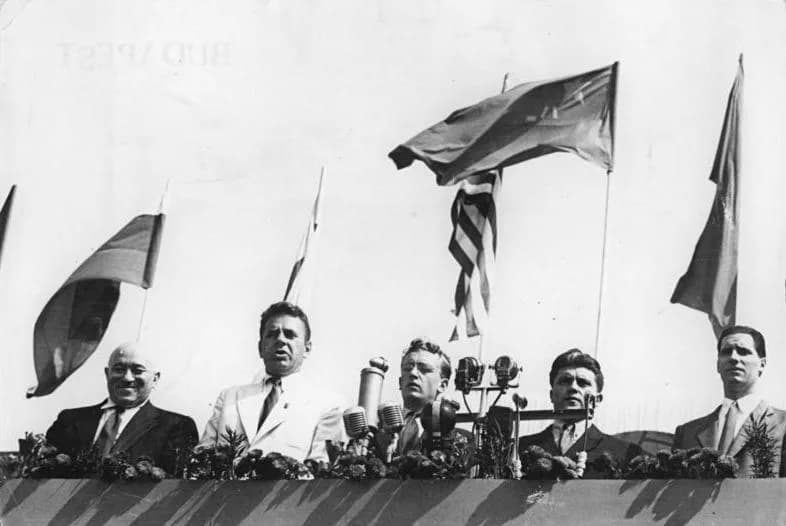
Mátyás Rákosi rose to become the de facto leader of Hungary, holding power from 1948 to 1956. His leadership during this period was defined by his role as General Secretary of two successive communist parties. He first served as General Secretary of the Hungarian Communist Party from 1945 to 1948, guiding the party in the immediate aftermath of World War II.
Subsequently, Rákosi became General Secretary of the Hungarian Working People's Party from 1948 to 1956. This position solidified his authority and influence over the direction of the country's political and social development. He was widely recognized as the former First Secretary of the Hungarian Working People's Party, a title reflecting his central role in the nation's governance.
Գլուխ 4 · 1971· Գլուխ 4 / 5
Later Years
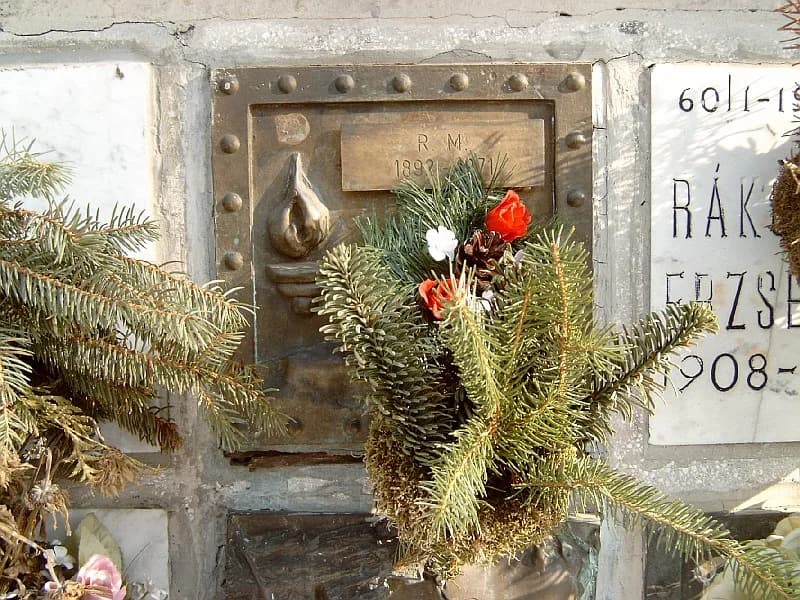
Mátyás Rákosi's life concluded on February 5, 1971. His passing occurred in Nizhny Novgorod, a city in Russia. This location marked the final chapter of a life committed to political activism and leadership. His final years brought an end to an era of significant political engagement.
Գլուխ 5 · 1948· Գլուխ 5 / 5
Legacy and Impact
The legacy of Mátyás Rákosi is intrinsically linked to the history of Hungary in the mid-20th century. As a Hungarian communist politician and de facto leader from 1948 to 1956, his policies and governance left a lasting influence. His period of leadership is a critical subject for understanding the trajectory of post-war Hungary.
Rákosi's role as General Secretary of both the Hungarian Communist Party and the Hungarian Working People's Party highlights his sustained impact. His actions during these years are still examined by historians studying the complexities of Cold War-era Eastern European politics. His name remains a central figure in the discussions of Hungarian political history.
ՀՏՀ
Հաճախ տրվող
Ե՞րբ է մահացել Mátyás Rákosi-ը:
Mátyás Rákosi-ը մահացել է 5 փետրվարի, 1971 թ.-ին Nizhny Novgorod, Russia-ում՝ 78 տարեկան հասակում:
Որտե՞ղ է ծնվել Mátyás Rákosi-ը:
Mátyás Rákosi-ը ծնվել է Ada, Serbia-ում 9 մարտի, 1892 թ.-ին:
Ինչո՞վ է առավել հայտնի Mátyás Rákosi-ը:
Mátyás Rákosi-ը առավել հայտնի է former First Secretary of the Hungarian Working People's Party-ով:
Քանի՞ տարեկան էր Mátyás Rákosi-ը մահվան պահին:
Mátyás Rákosi-ը մահվան պահին 78 տարեկան էր:
Ի՞նչ ազգության էր Mátyás Rákosi-ը:
Mátyás Rákosi-ը Serbia-ից էր:
Ժամանակագրություն
Կյանք մի հայացքով
Լուսանկարների պատկերասրահ
Կյանքը նկարներում
Սեղմեք ցանկացած բևեռոյդի վրա՝ ընդարձակելու համար · 25 լուսանկար
QR կոդ
Կիսվել այս կենսագրությամբ
Տպել և կիսվել
Սկանավորեք այս կենսագրության էջը այցելելու համար։ Տպեք միջոցառումների, ցուցահանդեսների կամ ուսումնական նյութերի համար։