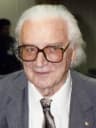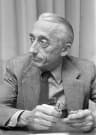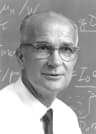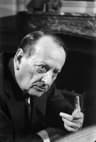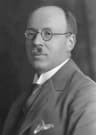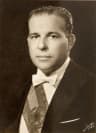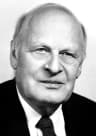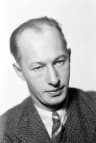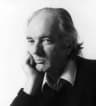
Ծնված
February 9, 1910
17th arrondissement of Paris, France
Մահացած
May 31, 1976
Cannes, France
Հայտնի է որպես
French biologist and biochemist, Nobel laureate
Jacques Monod (1910–1976) was France best known for French biologist and biochemist, Nobel laureate.
Jacques Monod (February 9, 1910 – May 31, 1976) was a French biologist and biochemist from Paris, France. He shared the 1965 Nobel Prize in Physiology or Medicine for his discoveries concerning genetic control of enzyme and virus synthesis. His work profoundly shaped the field of molecular biology.
Գլուխ
Կյանքի գլուխներ
Գլուխ 1· Գլուխ 1 / 6
Early Life and Origins
Jacques Monod began his journey in the scientific world after being born in the 17th arrondissement of Paris, France. His birthplace in the heart of France provided a rich cultural and intellectual environment. This early setting would later contribute to his broad perspective on science and philosophy.
Գլուխ 2· Գլուխ 2 / 6
Career Beginnings
Monod embarked on a multifaceted professional path, initially training as a physician, and subsequently excelling as a biologist, biochemist, and geneticist. His dedication extended beyond scientific pursuits, as he also served with distinction as a French resistance fighter during a critical historical period. These varied experiences forged a unique individual prepared for significant contributions.
Գլուխ 3 · 1965· Գլուխ 3 / 6
Major Achievements and Career Highlights
A crowning achievement in Jacques Monod's scientific career was sharing the 1965 Nobel Prize in Physiology or Medicine. He received this prestigious award alongside his colleagues François Jacob and André Lwoff. The Nobel Committee recognized their seminal discoveries concerning the genetic control of enzyme and virus synthesis, a breakthrough that revolutionized biological understanding.
His work illuminated how genes are regulated, providing crucial insights into fundamental life processes. Beyond his scientific accolades, Monod's participation as a French resistance fighter demonstrated his deep commitment to broader societal values. This blend of scientific rigor and civic duty characterized his remarkable life.
Գլուխ 4 · 1960· Գլուխ 4 / 6
Notable Works or Contributions
Among Jacques Monod’s most cited works is the foundational 1960 paper, "The operon: a group of genes with expression coordinated by an operator." Published in C.R.Acad. Sci. Paris, this seminal article, co-authored with François Jacob, introduced the operon model, which remains a cornerstone concept in molecular genetics. This work provided a clear mechanism for how gene expression is turned on and off in response to cellular needs.
Monod maintained an active and prolific publishing career, contributing to 160 papers and achieving an h-index of 36. His intellectual breadth extended to philosophical considerations, exemplified by his influential work, "Necessity, Purpose, and Chance." This work explored profound questions about biology, evolution, and the nature of life itself, extending his influence beyond experimental science.
Գլուխ 5 · 1976· Գլուխ 5 / 6
Later Years
Jacques Monod continued to shape scientific thought and discourse through his research and writings well into his later years. His scientific curiosity and intellectual vigor remained undiminished throughout his life. He passed away on May 31, 1976, in Cannes, France, leaving behind an enduring scientific legacy.
Գլուխ 6· Գլուխ 6 / 6
Legacy and Impact
The Nobel Prize-winning research conducted by Jacques Monod on genetic regulation fundamentally transformed the field of molecular biology. The operon concept, in particular, provided a coherent framework for understanding gene expression, a principle that is still taught and researched today. His insights into how cells control their genetic machinery opened new avenues for medical and biotechnological advancements.
Monod's legacy extends beyond his specific scientific discoveries to his broader philosophical reflections on biology and the universe. His influence is still felt in ongoing discussions about evolution, determinism, and the role of chance in biological processes. He leaves a lasting imprint on both scientific inquiry and intellectual thought.
Կյանք պահերում
Պահեր, որ ձևավորեցին կյանքը



ՀՏՀ
Հաճախ տրվող
Ե՞րբ է մահացել Jacques Monod-ը:
Jacques Monod-ը մահացել է 31 մայիսի, 1976 թ.-ին Cannes, France-ում՝ 66 տարեկան հասակում:
Որտե՞ղ է ծնվել Jacques Monod-ը:
Jacques Monod-ը ծնվել է 17th arrondissement of Paris, France-ում 9 փետրվարի, 1910 թ.-ին:
Ինչո՞վ է առավել հայտնի Jacques Monod-ը:
Jacques Monod-ը առավել հայտնի է French biologist and biochemist, Nobel laureate-ով:
Քանի՞ տարեկան էր Jacques Monod-ը մահվան պահին:
Jacques Monod-ը մահվան պահին 66 տարեկան էր:
Ի՞նչ ազգության էր Jacques Monod-ը:
Jacques Monod-ը France-ից էր:
Ժամանակագրություն
Կյանք մի հայացքով
Լուսանկարների պատկերասրահ
Կյանքը նկարներում
Սեղմեք ցանկացած բևեռոյդի վրա՝ ընդարձակելու համար · 22 լուսանկար
QR կոդ
Կիսվել այս կենսագրությամբ
Տպել և կիսվել
Սկանավորեք այս կենսագրության էջը այցելելու համար։ Տպեք միջոցառումների, ցուցահանդեսների կամ ուսումնական նյութերի համար։