Ծնված
February 14, 1818
Talbot County, United States
Մահացած
February 20, 1895
Washington, D.C., United States
Հայտնի է որպես
African-American social reformer, writer, and abolitionist (c. 1818–1895)
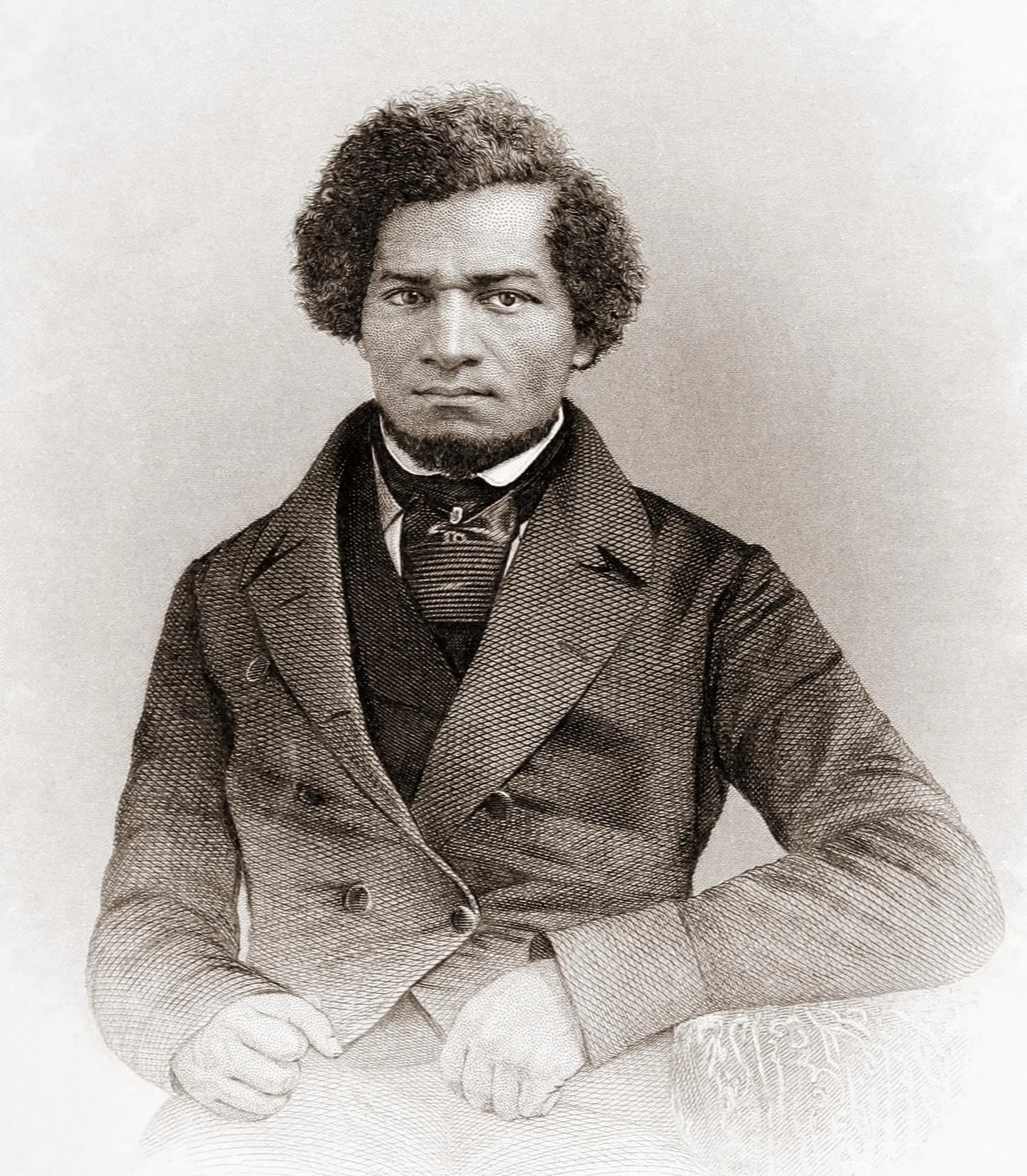
Frederick Douglass (1818–1895) was United States best known for African-American social reformer, writer, and abolitionist (c. 1818–1895).
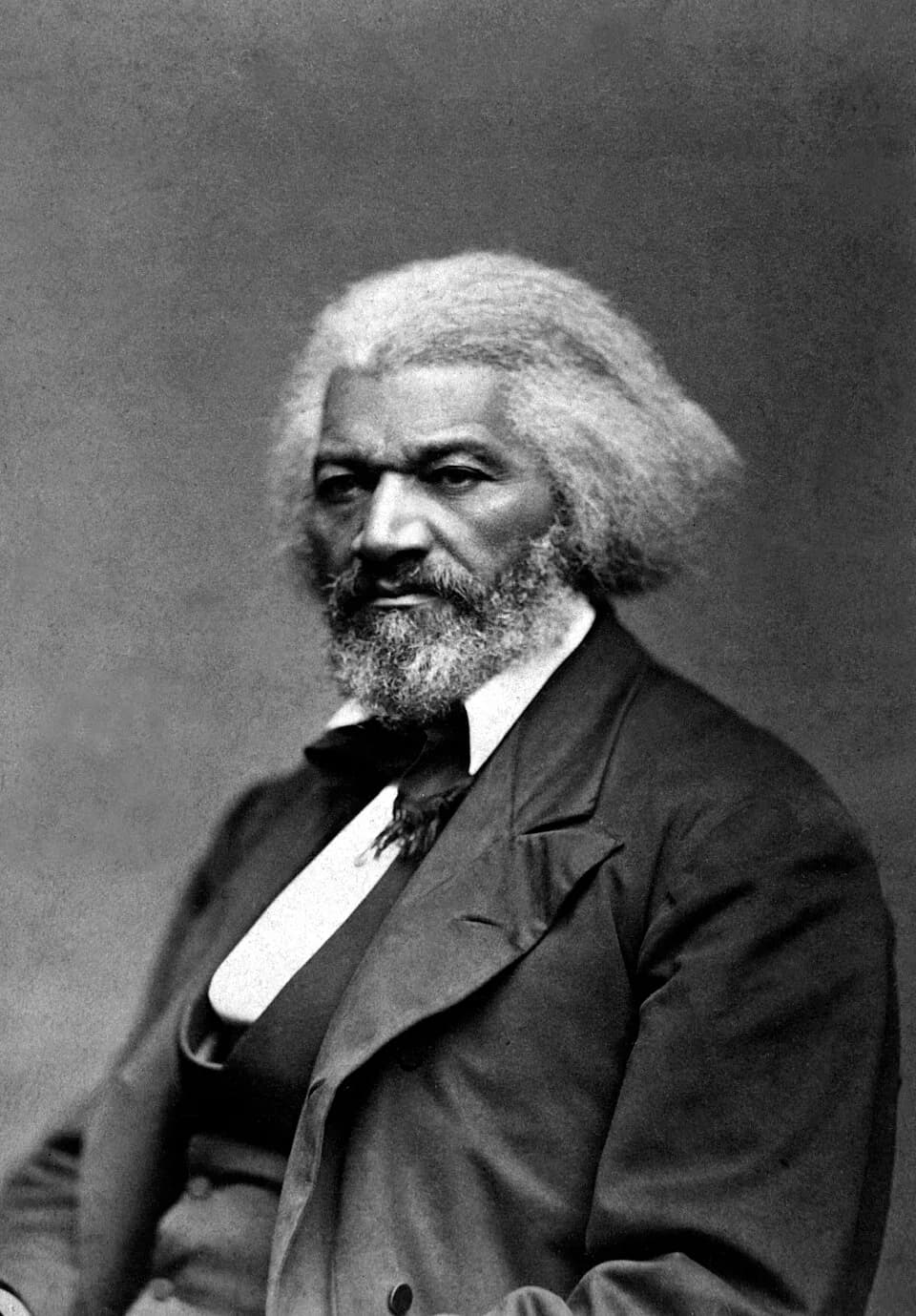
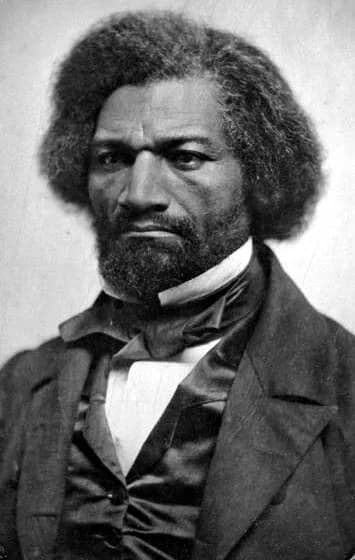
Frederick Douglass (February 14, 1818 – February 20, 1895) was an African-American social reformer, writer, and abolitionist from the United States. He rose from slavery to become the most important leader of the 19th-century movement for African-American civil rights. His powerful speeches and autobiographies profoundly influenced the fight for freedom and equality.
Կյանք պահերում
Պահեր, որ ձևավորեցին կյանքը
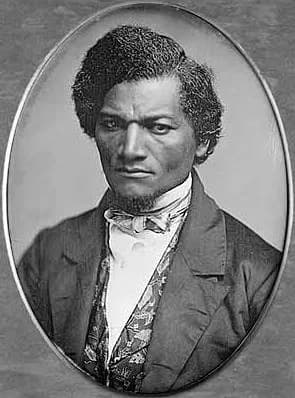
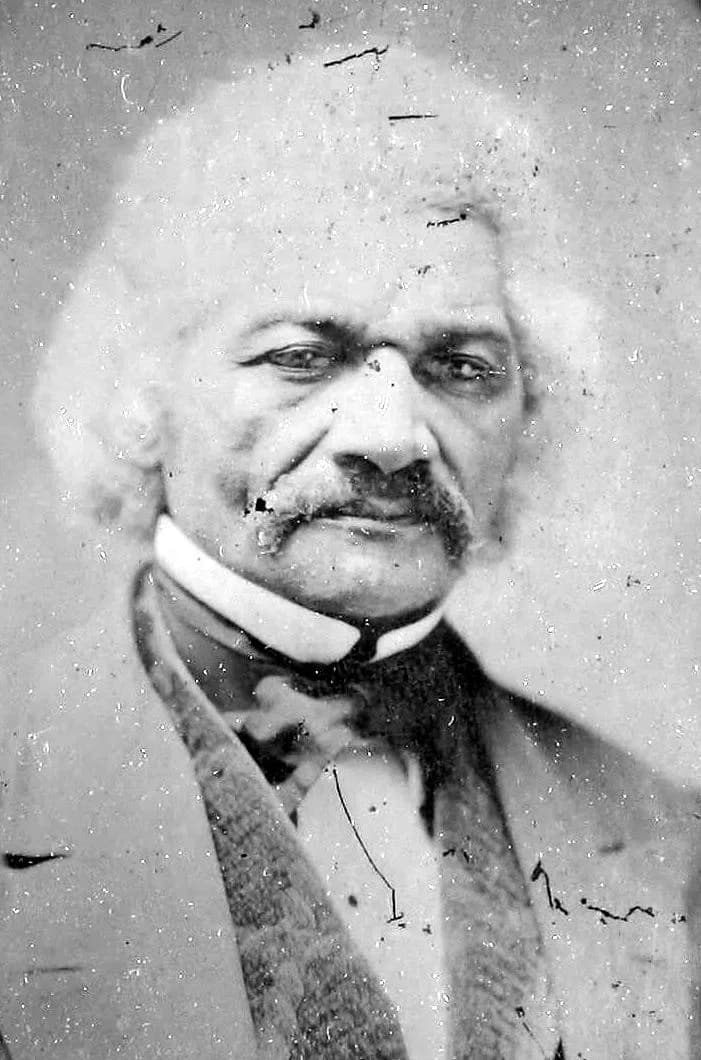
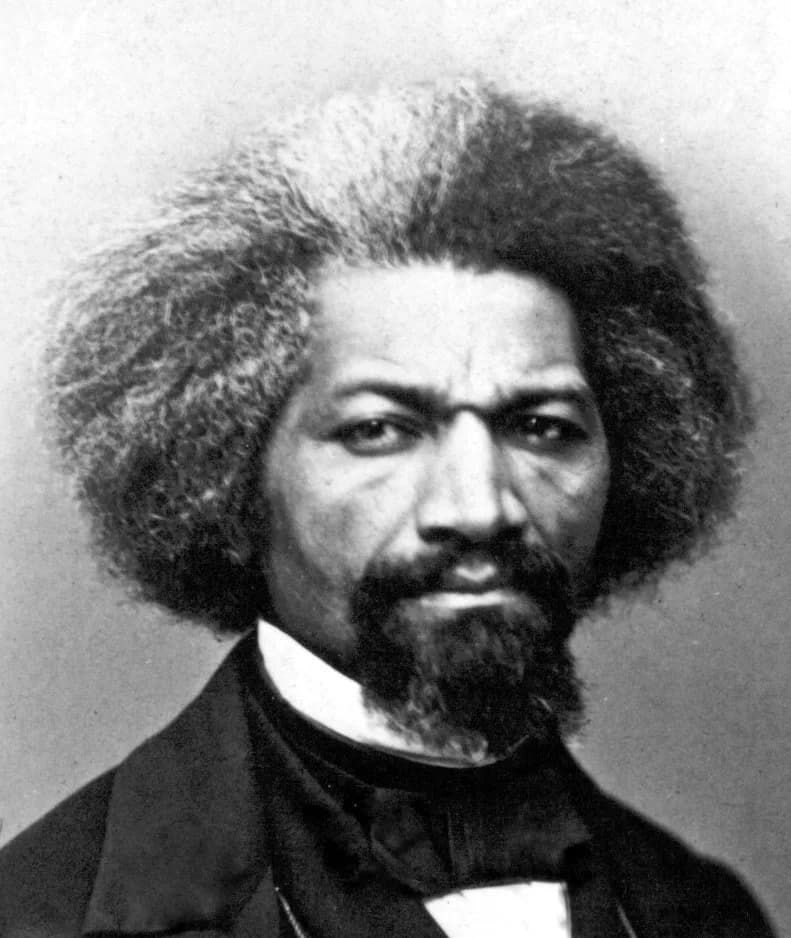
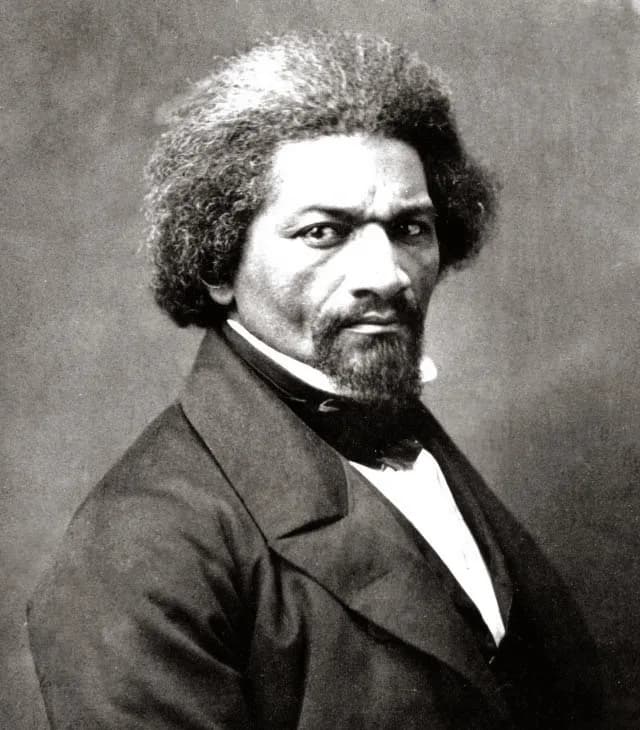
Գլուխ
Կյանքի գլուխներ
Գլուխ 1 · 1818· Գլուխ 1 / 8
An Enduring Voice for Freedom
Frederick Douglass (February 14, 1818 – February 20, 1895) was an African-American social reformer, writer, and abolitionist. He emerged from the brutal institution of slavery to become one of the 19th century's most compelling voices for human rights. His impactful work as an orator, journalist, and diplomat left a lasting legacy on the fight for freedom and equality in the United States.
Գլուխ 2 · 1818· Գլուխ 2 / 8
Early Life and Origins
Born into slavery on February 14, 1818, in Talbot County, United States, Frederick Douglass's early life was marked by the harsh realities of forced servitude. He experienced the separation from his mother early on, a common cruelty of the slave system. Despite the restrictive laws and constant surveillance, young Frederick secretly pursued literacy, learning to read and write.
This clandestine education, a defiant act against his enslavers, became a powerful tool for his eventual liberation. The knowledge he gained fueled his understanding of injustice and strengthened his resolve to seek freedom. His early experiences in Talbot County laid the foundation for his lifelong commitment to education and self-improvement.
Գլուխ 3 · 1838· Գլուխ 3 / 8
Career Beginnings
In 1838, Frederick Douglass made a courageous escape from slavery, ultimately settling in New Bedford, Massachusetts. He quickly found his calling within the burgeoning abolitionist movement, sharing his personal story of enslavement with passionate conviction. His initial foray into public speaking revealed a natural orator, captivating audiences with his articulate arguments and lived experience.
Douglass's powerful speeches provided irrefutable evidence against the moral bankruptcy of slavery, directly challenging common prejudices of the era. He began his career by lecturing at anti-slavery meetings, which established him as a prominent figure among abolitionists. His direct testimonies from slavery proved invaluable to the movement's cause.
Գլուխ 4· Գլուխ 4 / 8
Major Achievements and Career Highlights
Frederick Douglass became known as "the most important leader of the movement for African-American civil rights in the 19th century," a testament to his tireless efforts. He leveraged his skills as a writer, editor, and journalist to amplify the anti-slavery message. Douglass founded and edited several influential abolitionist newspapers, including The North Star, which became a vital platform for public discourse.
Throughout his career, Douglass was a staunch advocate for the rights of all oppressed people, extending his support to the women's suffrage movement. Following the Civil War, he transitioned into roles as a diplomat and politician, serving the United States in various capacities. These positions allowed him to continue his fight for equality on a national and international stage, further solidifying his status as a statesman.
Գլուխ 5· Գլուխ 5 / 8
Personal Life
While specific details about Frederick Douglass's family life are not extensively provided, his public life was deeply intertwined with his personal convictions regarding justice. He maintained a strong sense of integrity and devotion to the principles he championed. His commitment to universal suffrage, for example, reflected a personal belief in the inherent worth and rights of every individual, regardless of gender or race.
His unwavering dedication to these ideals undoubtedly influenced his personal conduct and relationships. Douglass's life served as a powerful example of resilience and moral fortitude. He embodied the very freedom and self-determination he advocated for throughout his long and distinguished career.
Գլուխ 6· Գլուխ 6 / 8
Notable Works or Contributions
Frederick Douglass was a prolific writer, documenting his experiences and arguments against slavery in several impactful autobiographies. His notable work, `Mes années d'esclavage et de liberté`, provided a vivid and searing account of his journey from enslavement to freedom and his emergence as an abolitionist leader. This narrative, translated into multiple languages like `Sclaverei und Freiheit`, reached a wide international audience.
He authored other significant works such as `Slavery in the South`, offering critical analyses of the institution. Douglass's intellectual contributions also included speeches and essays like `The claims of the Negro, ethnologically considered`, which challenged prevailing racist ideologies. His writings, including `U.S. Grant and the colored people`, provided crucial perspectives on racial justice and political developments, shaping public opinion during a tumultuous era. He also contributed to `Proceedings of the yearly meeting of the Friends of human progress`, held in Waterloo, Seneca co., N.Y. from June 3-5, 1859.
Գլուխ 7· Գլուխ 7 / 8
Later Years
In his later years, Frederick Douglass remained an active and influential figure, tirelessly advocating for civil rights and social reform. He continued to speak out against injustice, dedicating his efforts to ensuring that the promises of freedom were extended to all African Americans. His diplomatic postings allowed him to represent American ideals on a global scale.
Douglass passed away on February 20, 1895, in Washington, D.C., United States, after a lifetime of relentless struggle and advocacy. His death marked the end of an era for many, but his principles and writings continued to inspire generations. He left behind a body of work that continues to inform and challenge modern perspectives on race and equality.
Գլուխ 8· Գլուխ 8 / 8
Legacy and Impact
Frederick Douglass's unwavering commitment to justice and equality cemented his place as an iconic figure in American history. His powerful oratory, incisive writing, and tireless activism transformed the discourse on human rights in the 19th century. Through his work as an abolitionist, writer, and statesman, Douglass ensured that the voices of the oppressed were heard and respected.
His life story, from a slave in Talbot County to a respected diplomat in Washington, D.C., remains a powerful symbol of resilience and the human spirit's capacity for self-liberation. Frederick Douglass's legacy continues to inspire movements for social justice around the world. His contributions to African-American civil rights, literature, and political thought resonate strongly today, reminding us of the ongoing struggle for true equality.
ՀՏՀ
Հաճախ տրվող
Ե՞րբ է մահացել Frederick Douglass-ը:
Frederick Douglass-ը մահացել է 20 փետրվարի, 1895 թ.-ին Washington, D.C., United States-ում՝ 77 տարեկան հասակում:
Որտե՞ղ է ծնվել Frederick Douglass-ը:
Frederick Douglass-ը ծնվել է Talbot County, United States-ում 14 փետրվարի, 1818 թ.-ին:
Ինչո՞վ է առավել հայտնի Frederick Douglass-ը:
Frederick Douglass-ը առավել հայտնի է African-American social reformer, writer, and abolitionist (c. 1818–1895)-ով:
Քանի՞ տարեկան էր Frederick Douglass-ը մահվան պահին:
Frederick Douglass-ը մահվան պահին 77 տարեկան էր:
Ի՞նչ ազգության էր Frederick Douglass-ը:
Frederick Douglass-ը United States-ից էր:
Ժամանակագրություն
Կյանք մի հայացքով
Լուսանկարների պատկերասրահ
Կյանքը նկարներում
Սեղմեք ցանկացած բևեռոյդի վրա՝ ընդարձակելու համար · 23 լուսանկար
QR կոդ
Կիսվել այս կենսագրությամբ
Տպել և կիսվել
Սկանավորեք այս կենսագրության էջը այցելելու համար։ Տպեք միջոցառումների, ցուցահանդեսների կամ ուսումնական նյութերի համար։