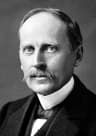
Ծնված
May 17, 1866
Honfleur, France
Մահացած
July 1, 1925
rue Pierre-Larousse, France
Հայտնի է որպես
French composer and pianist
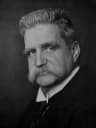
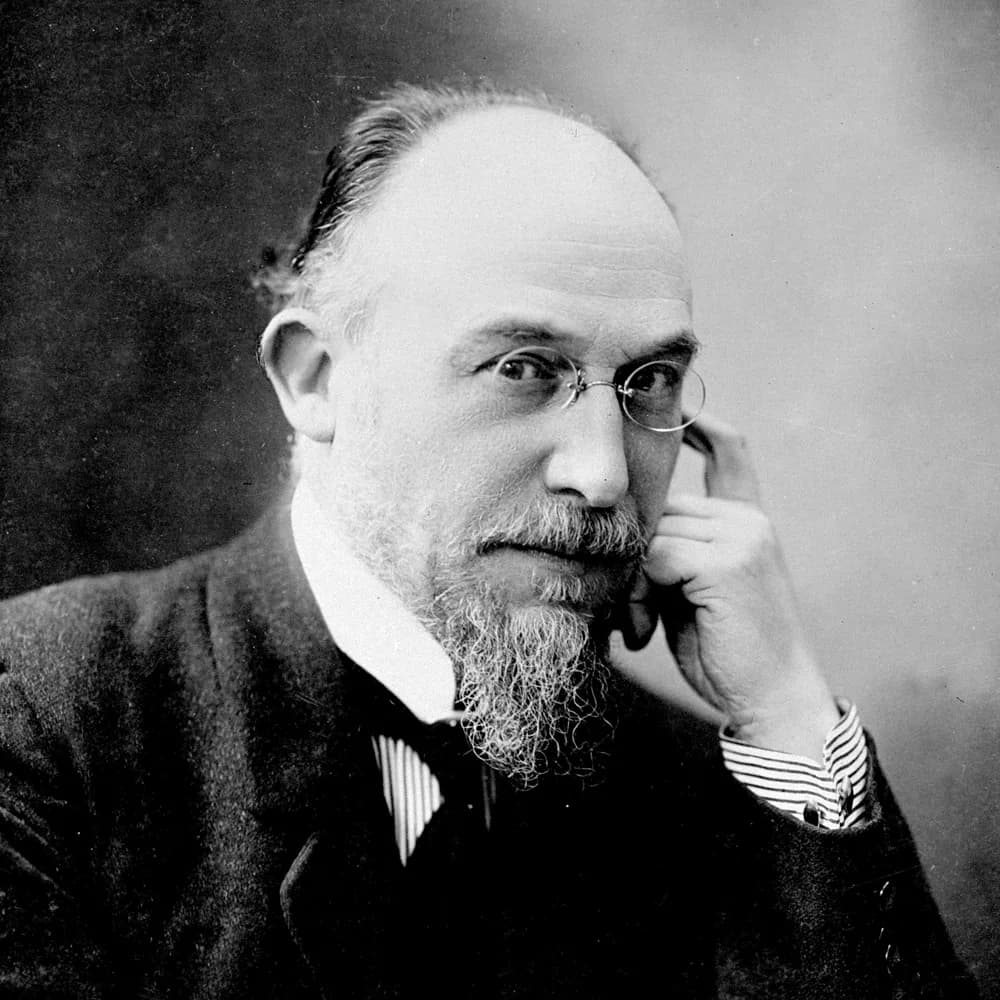
Erik Satie (1866–1925) was France best known for French composer and pianist.
Erik Satie (May 17, 1866 – July 1, 1925) was a French composer and pianist from Honfleur, France. He is renowned for his innovative solo piano works, including the beloved Gymnopédies and Gnossiennes. His unique style helped shape both classical and modern classical music.
Գլուխ
Կյանքի գլուխներ
Գլուխ 1 · 1866· Գլուխ 1 / 8
A Tribute to Erik Satie
Erik Satie (May 17, 1866 – July 1, 1925) was a unique French composer and pianist whose innovative works helped define both classical and modern classical music genres. His distinctive approach to composition, marked by clarity and a captivating simplicity, continues to enchant listeners worldwide. Satie is particularly celebrated for his iconic solo piano pieces, including the timeless Gymnopédies and Gnossiennes, which remain cornerstones of the piano repertoire.
Գլուխ 2 · 1866· Գլուխ 2 / 8
Early Life and Origins
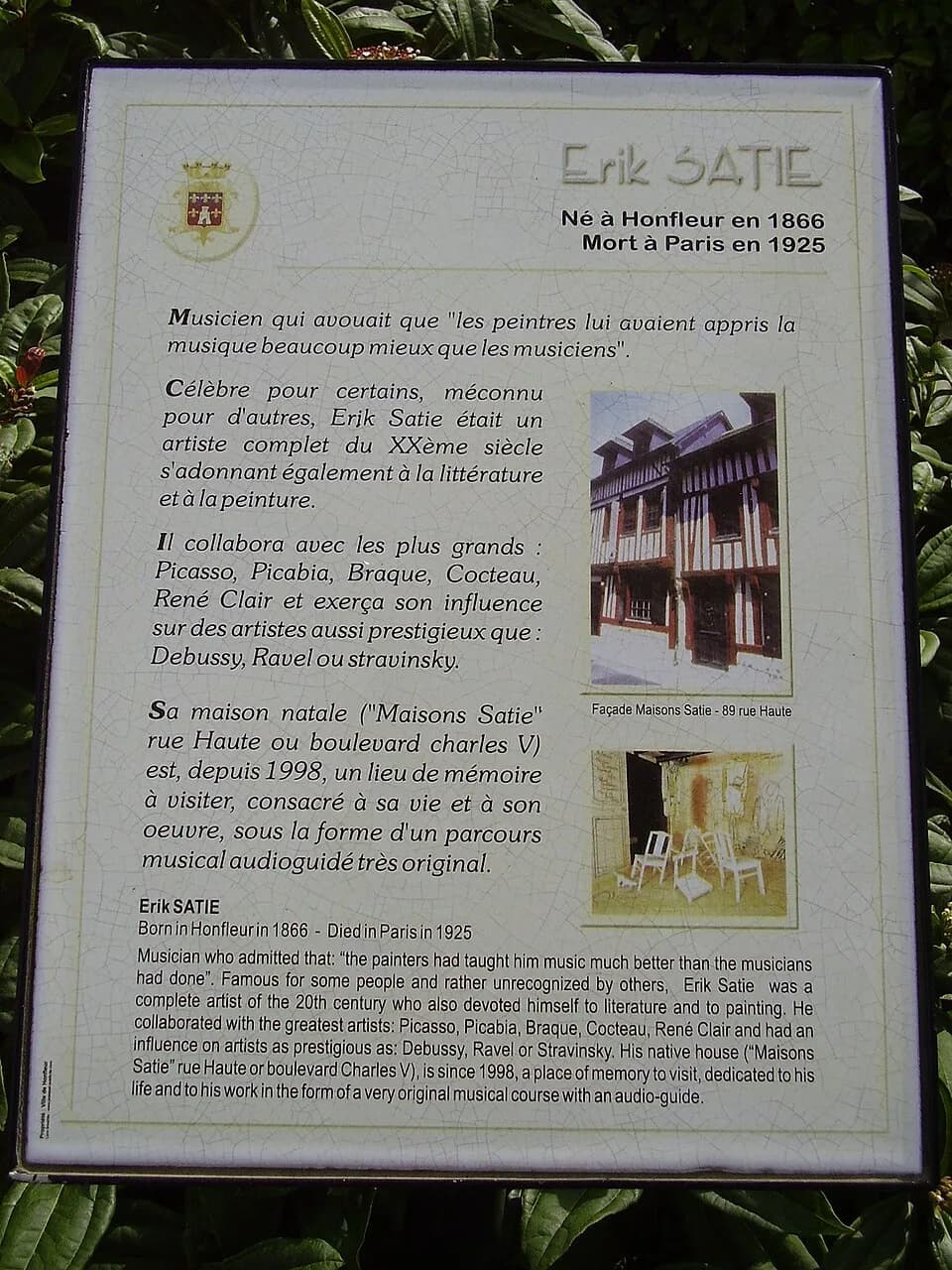
Born Eric Alfred Leslie Satie on May 17, 1866, in Honfleur, France, he was the son of a French father and a British mother. This bicultural upbringing may have subtly influenced his unconventional artistic perspective. His early education included studies at the prestigious Paris Conservatoire, though his time there was notably undistinguished, and he ultimately did not obtain a diploma.
Despite the lack of formal academic recognition, Satie's passion for music and composition was evident from his youth. His family background, combining French and British heritage, contributed to the distinctive character he would later bring to the Parisian music scene. These formative years, though not marked by conventional success, laid the groundwork for his future artistic individuality.
Գլուխ 3· Գլուխ 3 / 8
Career Beginnings
During the 1880s, Erik Satie immersed himself in the vibrant cultural atmosphere of Montmartre, Paris. He earned his living as a pianist in the district's popular café-cabarets, a setting that exposed him to diverse musical styles and audiences. It was during this period that he began to seriously pursue composition, creating many of his early works.
His initial compositions were predominantly for solo piano, showcasing an early departure from traditional romantic styles. This formative period in the Montmartre cabarets allowed Satie to hone his craft and develop a unique voice that would soon distinguish him in the world of classical music. These humble beginnings were crucial in shaping the independent spirit of his later compositions.
Գլուխ 4· Գլուխ 4 / 8
Major Achievements and Career Highlights
Erik Satie's career was marked by his consistent innovation and refusal to conform to prevailing musical trends. His major achievements include the creation of seminal works like the Gymnopédies and Gnossiennes, which are now globally recognized. These pieces exemplify his minimalist aesthetic and pioneering harmonic language.
Beyond his well-known piano works, Satie also composed music for a Rosicrucian sect, to which he was briefly attached, showcasing his diverse interests and willingness to explore different artistic avenues. His contributions helped shape the evolving sound of modern classical music, positioning him as an influential figure for future generations of composers. He consistently expanded the boundaries of what classical music could be, leaving a lasting impact on its development.
Գլուխ 5· Գլուխ 5 / 8
Personal Life
Information regarding Erik Satie's personal life, beyond his professional activities, is limited within the provided details. It is known that he was briefly associated with a Rosicrucian sect, for which he composed music during a specific period of his life. This affiliation highlights an interest in spiritual or philosophical movements, which may have informed aspects of his artistic output.
The available information does not detail family relationships, marital status, or other personal interests. Satie's public persona and legacy are primarily defined by his significant musical contributions and his unique artistic vision. His dedication to his craft appears to have been a central focus throughout his life.
Գլուխ 6· Գլուխ 6 / 8
Notable Works or Contributions
Erik Satie's contributions to music are most prominently embodied in his original compositions, especially those for solo piano. His Gymnopédies, composed in the late 1880s, are perhaps his most famous works, recognized for their tranquil melodies and distinct harmonies. These pieces broke away from the dense orchestrations common at the time, offering a new, transparent sound.
Similarly, his Gnossiennes are celebrated for their exotic character and free-form structure, further demonstrating his innovative spirit. He primarily wrote for solo piano, establishing a signature style that was both unconventional and deeply expressive. The continued interest in his work is evident through numerous discography releases, such as "サティ:ピアノ名曲ベスト35" (2015) and "L’Œuvre pour piano" (1956), which collect and celebrate his enduring compositions.
His music has been featured in various compilations, including "Masselos plays Satie" (1969) and "French Piano Music" (1974), alongside other influential artists. Even decades after his passing, his pieces like Gymnopédies No. 1 & 3 and Gnossienne No. 3 continue to be included in important classical music collections, underscoring their enduring relevance and popularity.
Գլուխ 7 · 1925· Գլուխ 7 / 8
Later Years
Erik Satie remained an active and influential figure in the music world until his passing. He died on July 1, 1925, at rue Pierre-Larousse, France, concluding a life dedicated to artistic exploration and innovation. His final years likely saw him continuing to compose and engage with the Parisian avant-garde scene, further solidifying his unique position in music history.
While specific details of his later compositions or activities immediately preceding his death are not provided, his life culminated with a significant body of work that continues to be studied and performed. His passing marked the end of an era for many who admired his fresh and often witty musical perspective. Satie left behind a rich artistic heritage that continued to evolve and influence after his time.
Գլուխ 8· Գլուխ 8 / 8
Legacy and Impact
Erik Satie's legacy is immense, profoundly shaping the trajectory of classical and modern classical music. His pioneering use of simple forms, often stripped of traditional harmonic complexities, anticipated later minimalist movements and influenced composers across generations. He challenged conventional notions of musical structure and emotional expression.
His iconic works, such as the Gymnopédies and Gnossiennes, have become ubiquitous in popular culture and educational curricula, serving as accessible entry points to his distinctive style. Satie's unique voice encouraged other artists to pursue their own unconventional paths, freeing them from established norms. His enduring impact is evident in the continued reverence for his compositions and his lasting presence in the global musical consciousness.
Կյանք պահերում
Պահեր, որ ձևավորեցին կյանքը
ՀՏՀ
Հաճախ տրվող
Ե՞րբ է մահացել Erik Satie-ը:
Erik Satie-ը մահացել է 1 հուլիսի, 1925 թ.-ին rue Pierre-Larousse, France-ում՝ 59 տարեկան հասակում:
Որտե՞ղ է ծնվել Erik Satie-ը:
Erik Satie-ը ծնվել է Honfleur, France-ում 17 մայիսի, 1866 թ.-ին:
Ինչո՞վ է առավել հայտնի Erik Satie-ը:
Erik Satie-ը առավել հայտնի է French composer and pianist-ով:
Քանի՞ տարեկան էր Erik Satie-ը մահվան պահին:
Erik Satie-ը մահվան պահին 59 տարեկան էր:
Ի՞նչ ազգության էր Erik Satie-ը:
Erik Satie-ը France-ից էր:
Ժամանակագրություն
Կյանք մի հայացքով
Լուսանկարների պատկերասրահ
Կյանքը նկարներում
Սեղմեք ցանկացած բևեռոյդի վրա՝ ընդարձակելու համար · 46 լուսանկար
QR կոդ
Կիսվել այս կենսագրությամբ
Տպել և կիսվել
Սկանավորեք այս կենսագրության էջը այցելելու համար։ Տպեք միջոցառումների, ցուցահանդեսների կամ ուսումնական նյութերի համար։