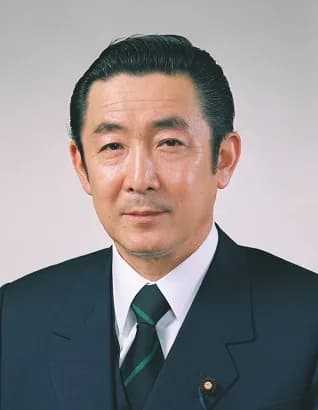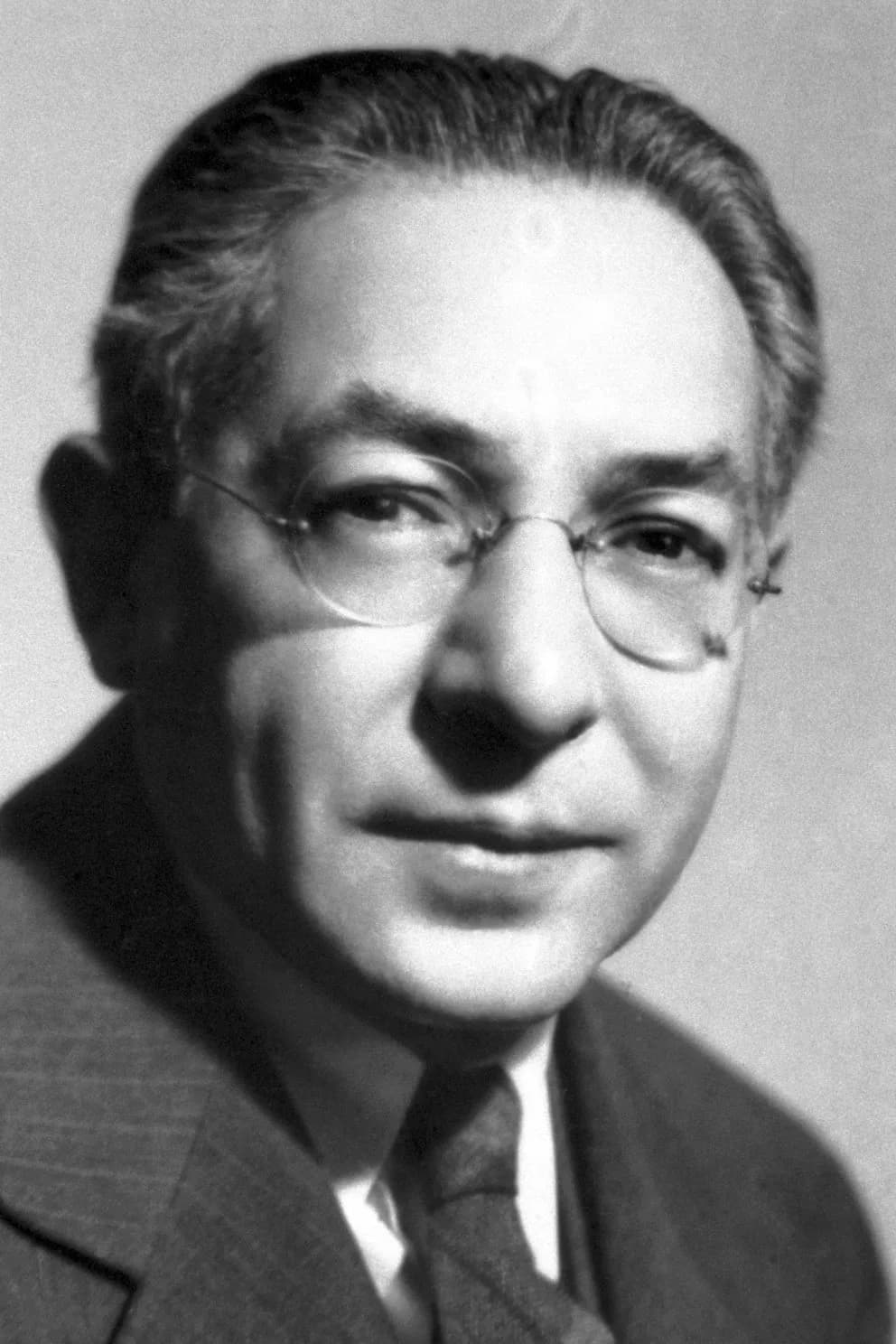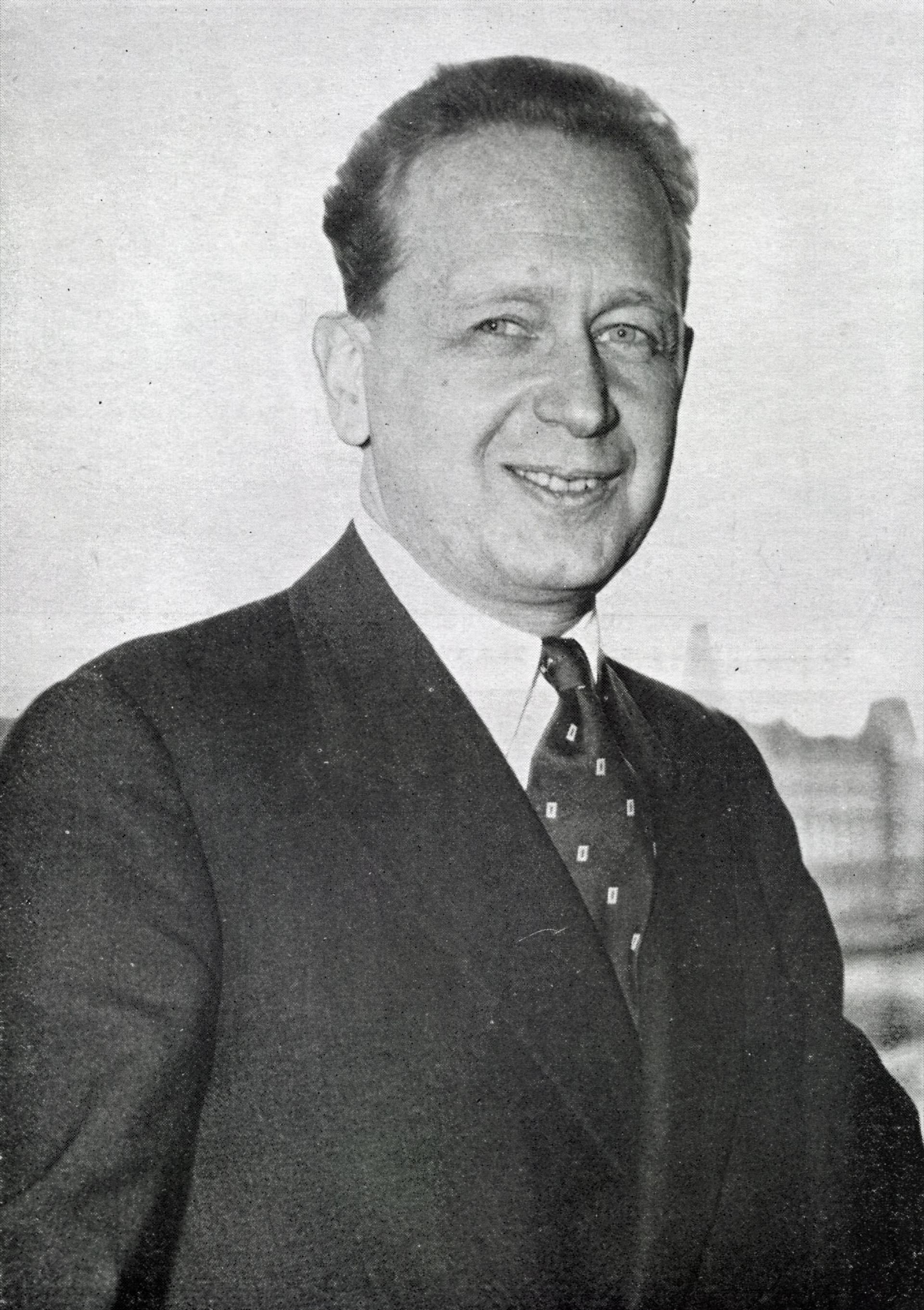
Ծնված
July 29, 1905
Jönköping, Sweden
Մահացած
September 18, 1961
Ndola, Zambia
Հայտնի է որպես
Swedish diplomat, economist, and author
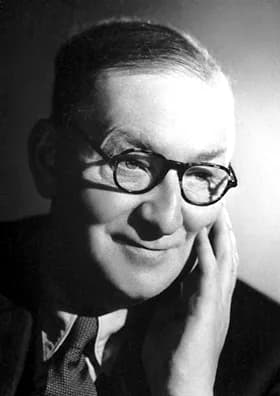
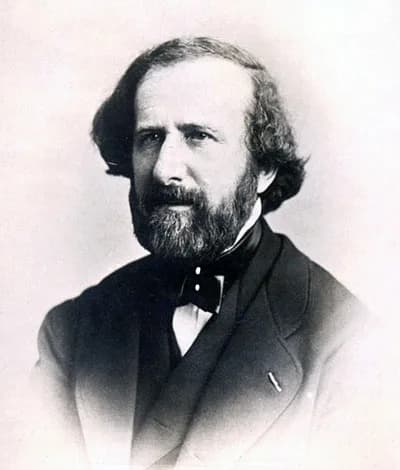
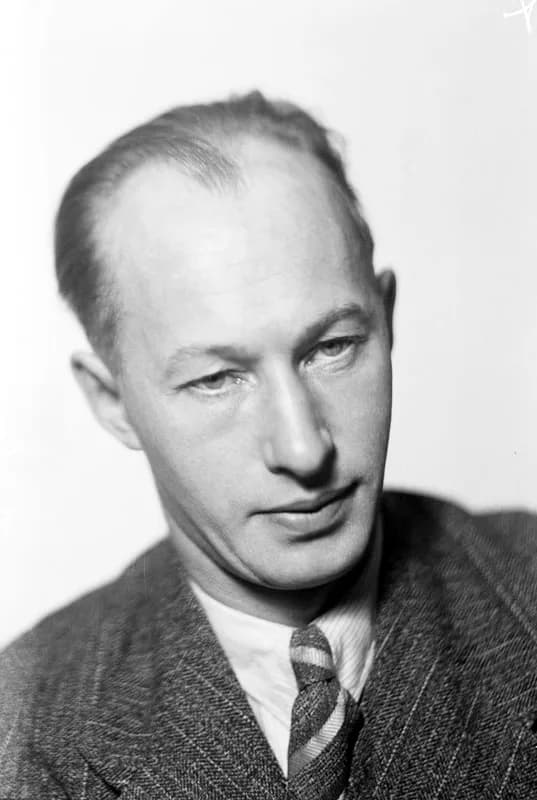
Dag Hammarskjöld (1905–1961) was Sweden best known for Swedish diplomat, economist, and author.
Dag Hjalmar Agne Carl Hammarskjöld (July 29, 1905 – September 18, 1961) was a Swedish diplomat, economist, and author. He served as the second Secretary-General of the United Nations, significantly developing its role as an effective international organization. Hammarskjöld's dedication to peace earned him a posthumous Nobel Peace Prize in 1961.
Կյանք պահերում
Պահեր, որ ձևավորեցին կյանքը
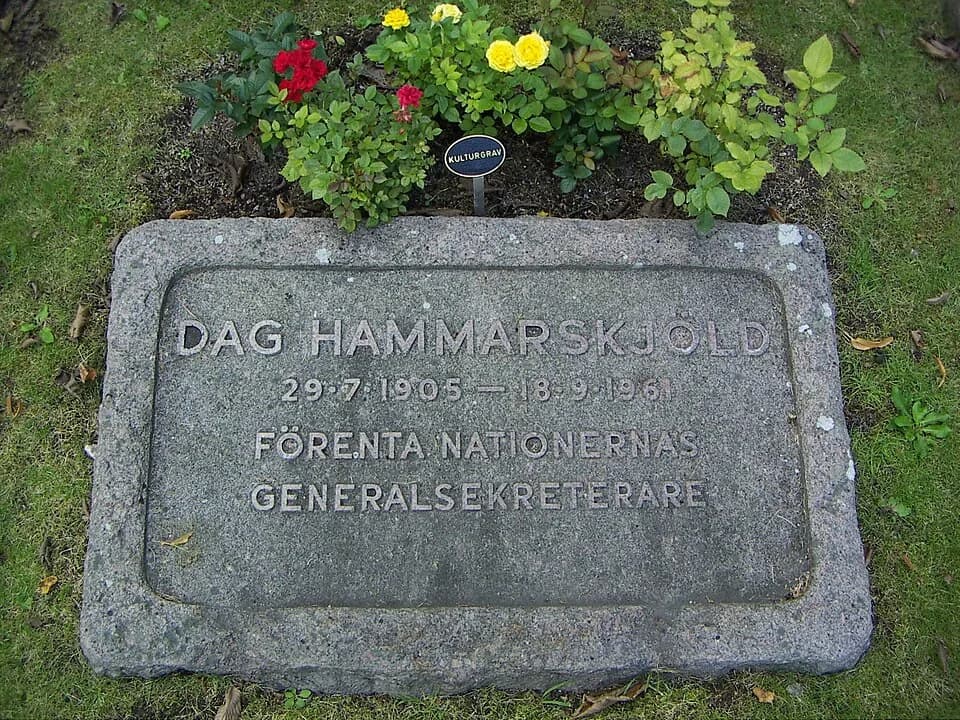
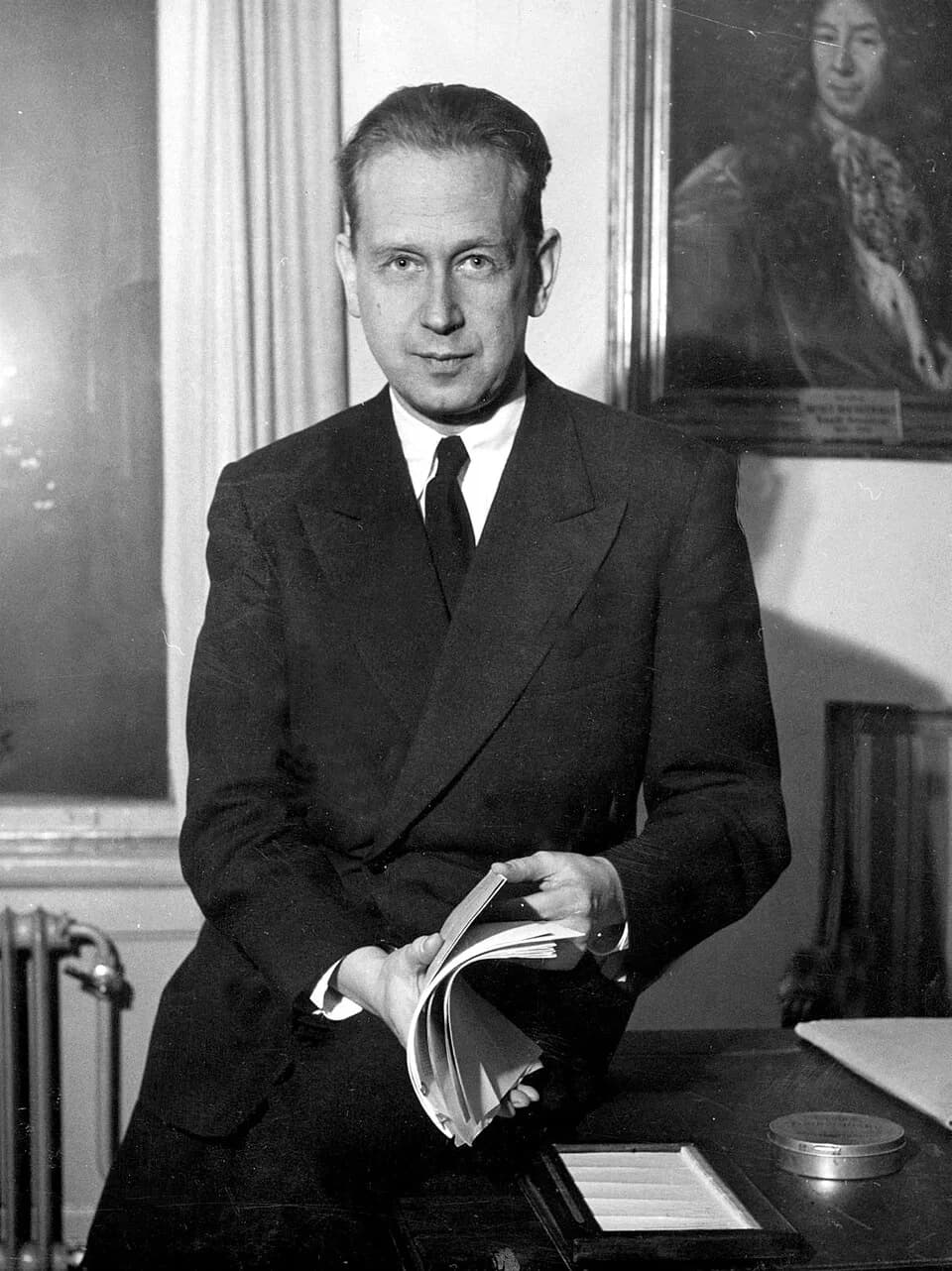
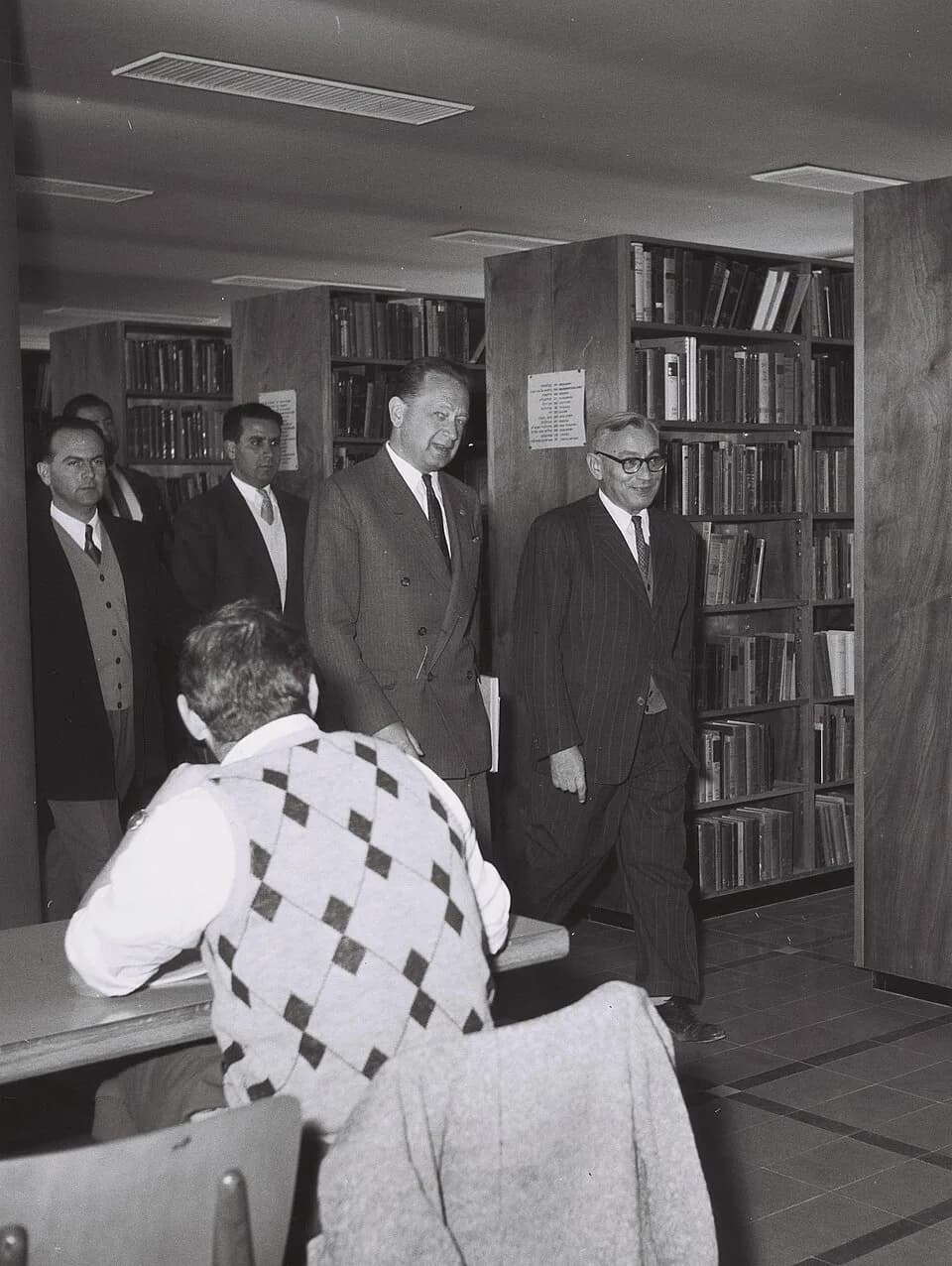
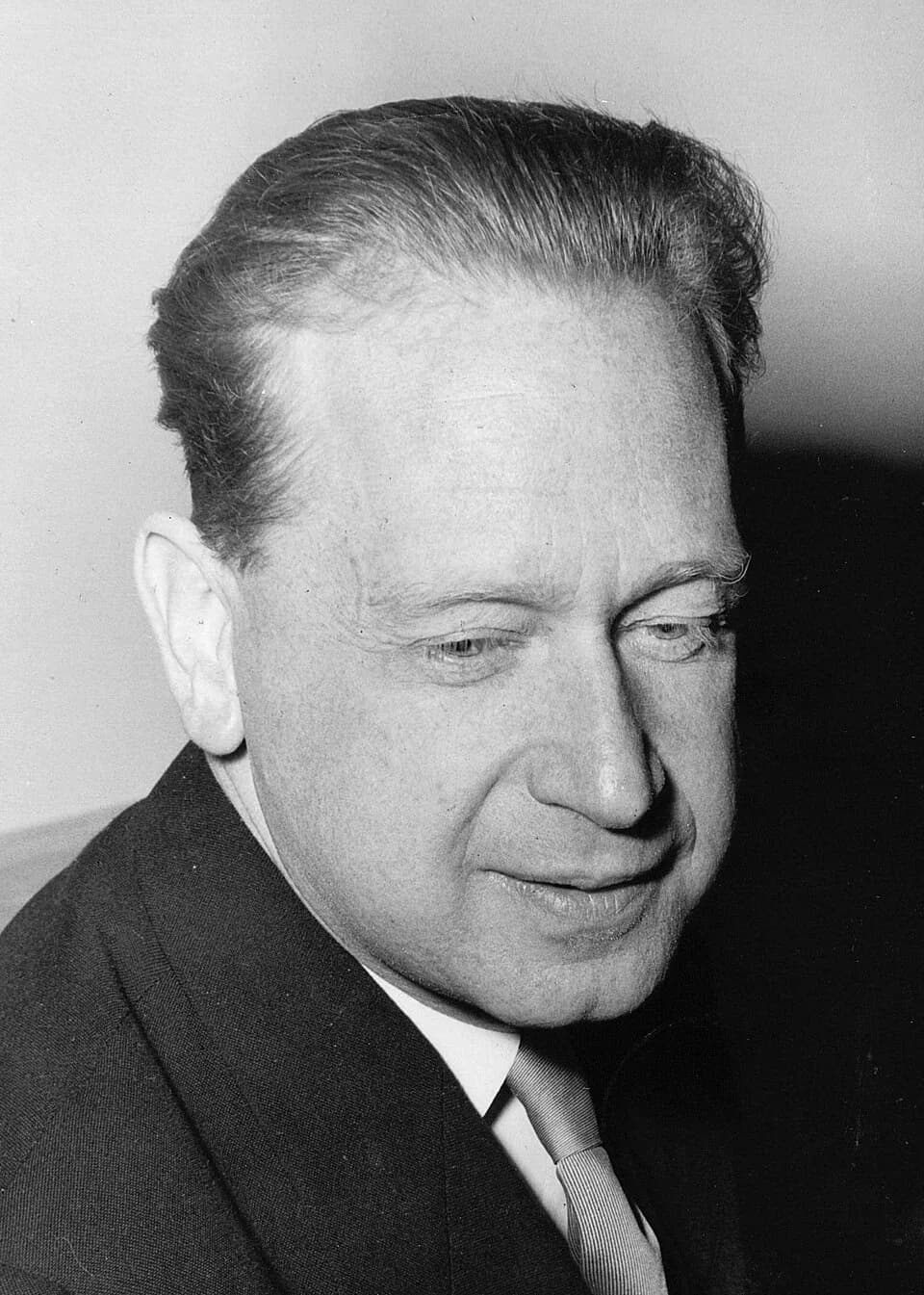
Գլուխ
Կյանքի գլուխներ
Գլուխ 1 · 1905· Գլուխ 1 / 7
Early Life and Origins
Born on July 29, 1905, in Jönköping, Sweden, Dag Hammarskjöld came from a family deeply rooted in public service. His father, Hjalmar Hammarskjöld, held the esteemed position of Prime Minister of Sweden from 1914 to 1917. This familial background provided Dag with an early immersion in governmental affairs and a strong foundation for his future career.
His upbringing fostered a keen intellect and a sense of duty that would define his professional trajectory. Hammarskjöld pursued extensive academic studies, delving into economics, law, and philosophy, which shaped his comprehensive understanding of societal structures and international dynamics. This diverse educational background was crucial for his later roles as a diplomat and an influential global leader.
Գլուխ 2· Գլուխ 2 / 7
Career Beginnings
Hammarskjöld embarked on his professional journey as an economist within the Swedish government. His early career involved various administrative and policymaking roles, where he gained practical experience in national economics and public finance. These formative years equipped him with strong analytical skills and an in-depth understanding of complex organizational challenges.
His initial contributions in Sweden laid the groundwork for his eventual transition to international diplomacy. He moved from national service to representing Sweden on the global stage, demonstrating a natural aptitude for negotiation and international cooperation. These early experiences were instrumental in preparing him for the demanding responsibilities he would later undertake at the United Nations.
Գլուխ 3 · 1953· Գլուխ 3 / 7
Major Achievements and Career Highlights
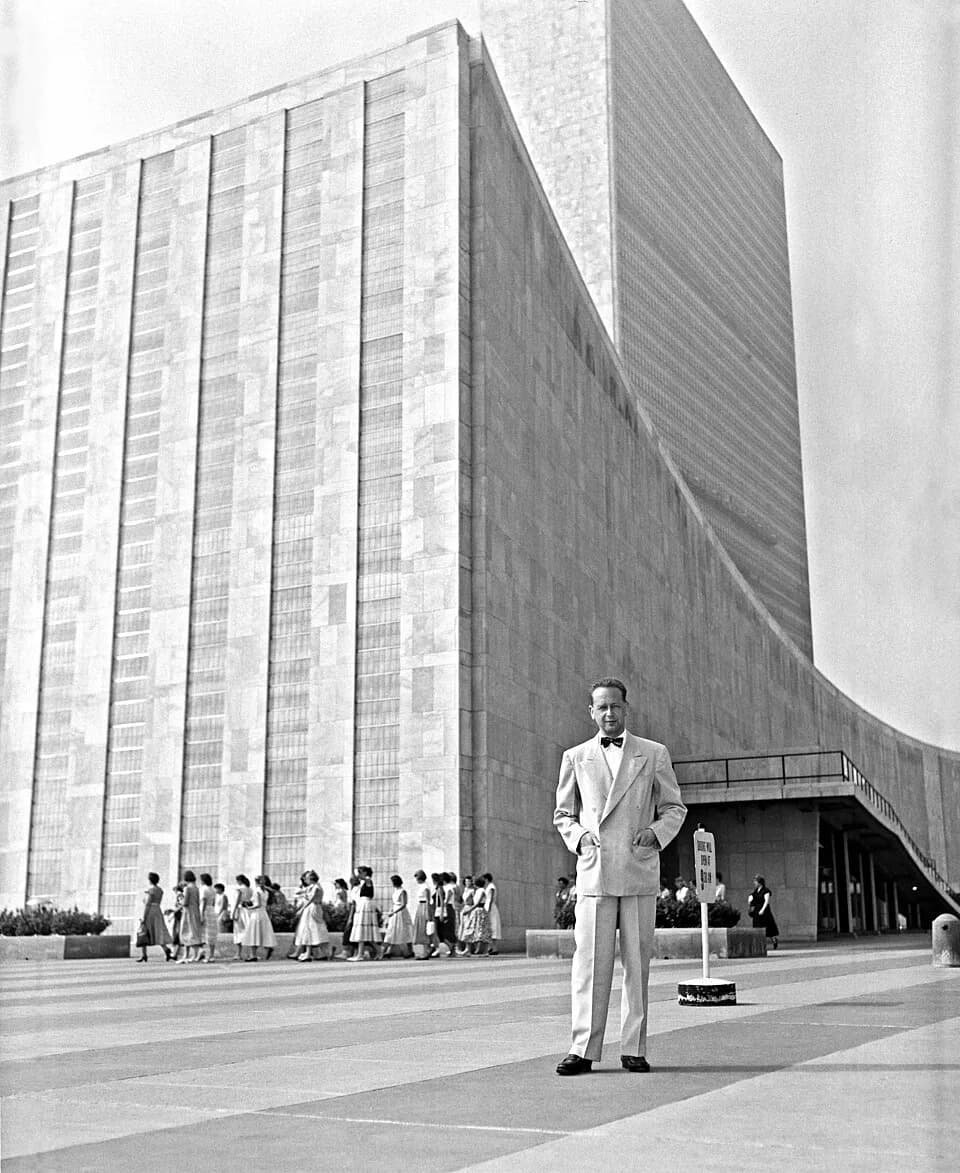
In April 1953, Dag Hammarskjöld was elected as the second Secretary-General of the United Nations, a pivotal moment in his career and for the international organization. At 47 years old, he became the youngest individual to hold this prestigious post, a distinction he maintained as of 2026. His tenure, lasting until his death in September 1961, was marked by an active and innovative approach to global peacekeeping.
Hammarskjöld was instrumental in developing the UN into a robust and effective international organization, capable of giving life to the principles and aims expressed in the UN Charter. His commitment to peacebuilding and conflict resolution earned him the Nobel Peace Prize in 1961, awarded posthumously. This recognition underscored his profound dedication and the enduring significance of his contributions to world peace.
Գլուխ 4· Գլուխ 4 / 7
Personal Life
Beyond his demanding public life, Dag Hammarskjöld maintained a rich private world characterized by intellectual pursuits and contemplation. Known for his quiet and reflective nature, he was a man of deep philosophical conviction. His personal interests included writing, poetry, and philosophy, which provided an outlet for his thoughts and emotions.
His reflective essays and poems often revealed the inner struggles and profound insights of a man grappling with the complexities of international statesmanship. These personal expressions offered a window into his values and commitment to humanitarian ideals. Hammarskjöld’s integrity and intellectual depth were integral to both his private character and his public persona.
Գլուխ 5· Գլուխ 5 / 7
Notable Works or Contributions
Dag Hammarskjöld was not only a statesman but also a respected writer and poet, whose works provide insight into his philosophical underpinnings. His most renowned work, "Markings," published posthumously, is a collection of his diary entries and reflections that delve into spiritual and ethical questions. Other notable published works include "Brev från Dag," a collection of letters, and "Asia, Africa and the West," which reflects his global perspectives.
He also authored academic and policy-oriented texts such as "The international civil servant in law and in fact," articulating his vision for a dedicated global civil service. His writings also encompassed economic topics like "Konjunkturspridningen" and compilations of his public addresses, "Speeches." These diverse contributions showcased his breadth of knowledge and his ability to communicate complex ideas effectively.
Գլուխ 6· Գլուխ 6 / 7
Later Years
Hammarskjöld's later years were entirely consumed by his responsibilities as Secretary-General, navigating the tense political climate of the Cold War. He actively engaged in numerous diplomatic initiatives, striving to prevent conflicts and mediate disputes around the globe. His tireless efforts often placed him directly in the midst of international crises, advocating for peaceful resolutions.
His final mission took him to the Congo to address the unfolding political crisis, a journey that tragically ended his life. On September 18, 1961, Dag Hammarskjöld died in a plane crash near Ndola, Zambia, while en route to cease-fire negotiations. His death was a significant loss for the international community and a testament to his unwavering commitment to peace, even in the face of extreme danger.
Գլուխ 7· Գլուխ 7 / 7
Legacy and Impact
Dag Hammarskjöld's legacy is profound and enduring, particularly in shaping the role and effectiveness of the United Nations. He transformed the position of Secretary-General into an active, independent force for peace and diplomacy, rather than merely an administrative one. His dedication to preventing armed conflict and promoting human rights laid crucial groundwork for future international interventions.
He is remembered for his moral authority, intellectual rigor, and unwavering commitment to the principles of the UN Charter. Hammarskjöld's vision of an international civil service, guided by impartiality and global loyalty, continues to influence the organization today. His life and work serve as a powerful inspiration for those committed to peace, justice, and multilateral cooperation across the world.
ՀՏՀ
Հաճախ տրվող
Ե՞րբ է մահացել Dag Hammarskjöld-ը:
Dag Hammarskjöld-ը մահացել է 18 սեպտեմբերի, 1961 թ.-ին Ndola, Zambia-ում՝ 56 տարեկան հասակում:
Որտե՞ղ է ծնվել Dag Hammarskjöld-ը:
Dag Hammarskjöld-ը ծնվել է Jönköping, Sweden-ում 29 հուլիսի, 1905 թ.-ին:
Ինչո՞վ է առավել հայտնի Dag Hammarskjöld-ը:
Dag Hammarskjöld-ը առավել հայտնի է Swedish diplomat, economist, and author-ով:
Քանի՞ տարեկան էր Dag Hammarskjöld-ը մահվան պահին:
Dag Hammarskjöld-ը մահվան պահին 56 տարեկան էր:
Ի՞նչ ազգության էր Dag Hammarskjöld-ը:
Dag Hammarskjöld-ը Sweden-ից էր:
Ժամանակագրություն
Կյանք մի հայացքով
Լուսանկարների պատկերասրահ
Կյանքը նկարներում
Սեղմեք ցանկացած բևեռոյդի վրա՝ ընդարձակելու համար · 45 լուսանկար
QR կոդ
Կիսվել այս կենսագրությամբ
Տպել և կիսվել
Սկանավորեք այս կենսագրության էջը այցելելու համար։ Տպեք միջոցառումների, ցուցահանդեսների կամ ուսումնական նյութերի համար։