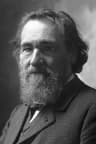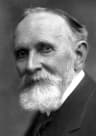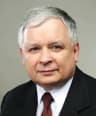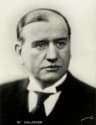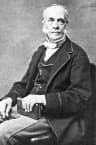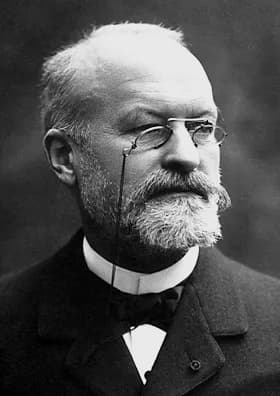
Ծնված
June 18, 1845
Paris, France
Մահացած
May 18, 1922
Paris, France
Հայտնի է որպես
French physician
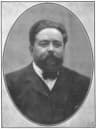
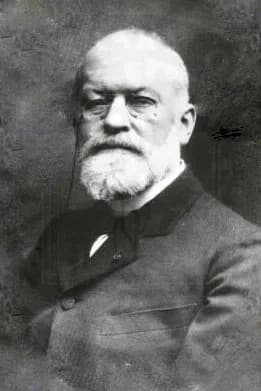
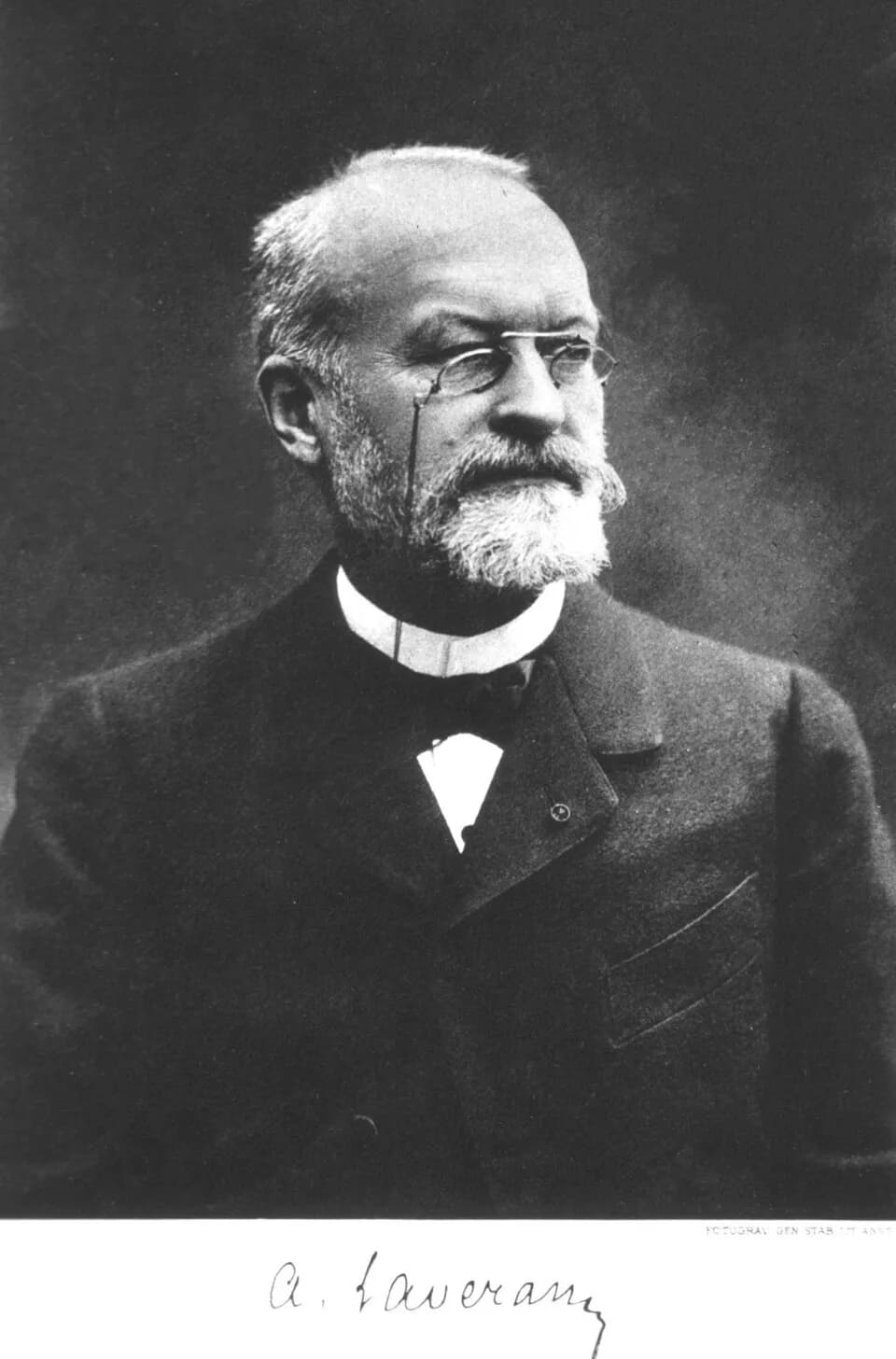
Charles Louis Alphonse Laveran (1845-1922) was a French military physician and parasitologist from Paris. He won the Nobel Prize in Physiology or Medicine in 1907 for discovering that protozoan parasites cause malaria and trypanosomiasis. His work established modern parasitology and tropical medicine.
Գլուխ
Կյանքի գլուխներ
Գլուխ 1 · 1845· Գլուխ 1 / 6
Early Life and Origins
Charles Louis Alphonse Laveran was born on June 18, 1845, in Paris, France, into a family with strong medical traditions. His father, Louis Théodore Laveran, was a distinguished military physician who significantly influenced his son's career path. Growing up in an intellectually stimulating environment, young Charles was exposed early to the world of medicine and scientific inquiry.
Following his father's guidance and example, Laveran pursued medical studies at the University of Strasbourg. He demonstrated exceptional academic ability throughout his studies and obtained his medical degree in 1867. This educational foundation would prove essential for his later work in tropical medicine and parasitology, fields that were still in their infancy during his student years.
Գլուխ 2· Գլուխ 2 / 6
Career Beginnings
After completing his medical education, Laveran chose to follow his father's path into military medicine. This decision would prove fortuitous, as military service often took physicians to tropical regions where infectious diseases like malaria were prevalent. His early career in military medicine provided him with firsthand exposure to diseases that were poorly understood at the time.
As a military physician, Laveran encountered numerous cases of malaria and other tropical diseases. He began making careful observations of patients and their symptoms, developing the methodical approach to research that would later lead to his most significant discoveries. His military background provided him with the discipline and attention to detail necessary for rigorous scientific investigation.
Գլուխ 3· Գլուխ 3 / 6
Major Achievements and Career Highlights
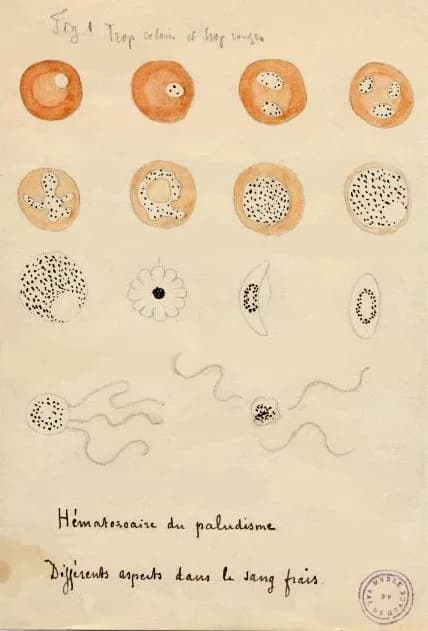
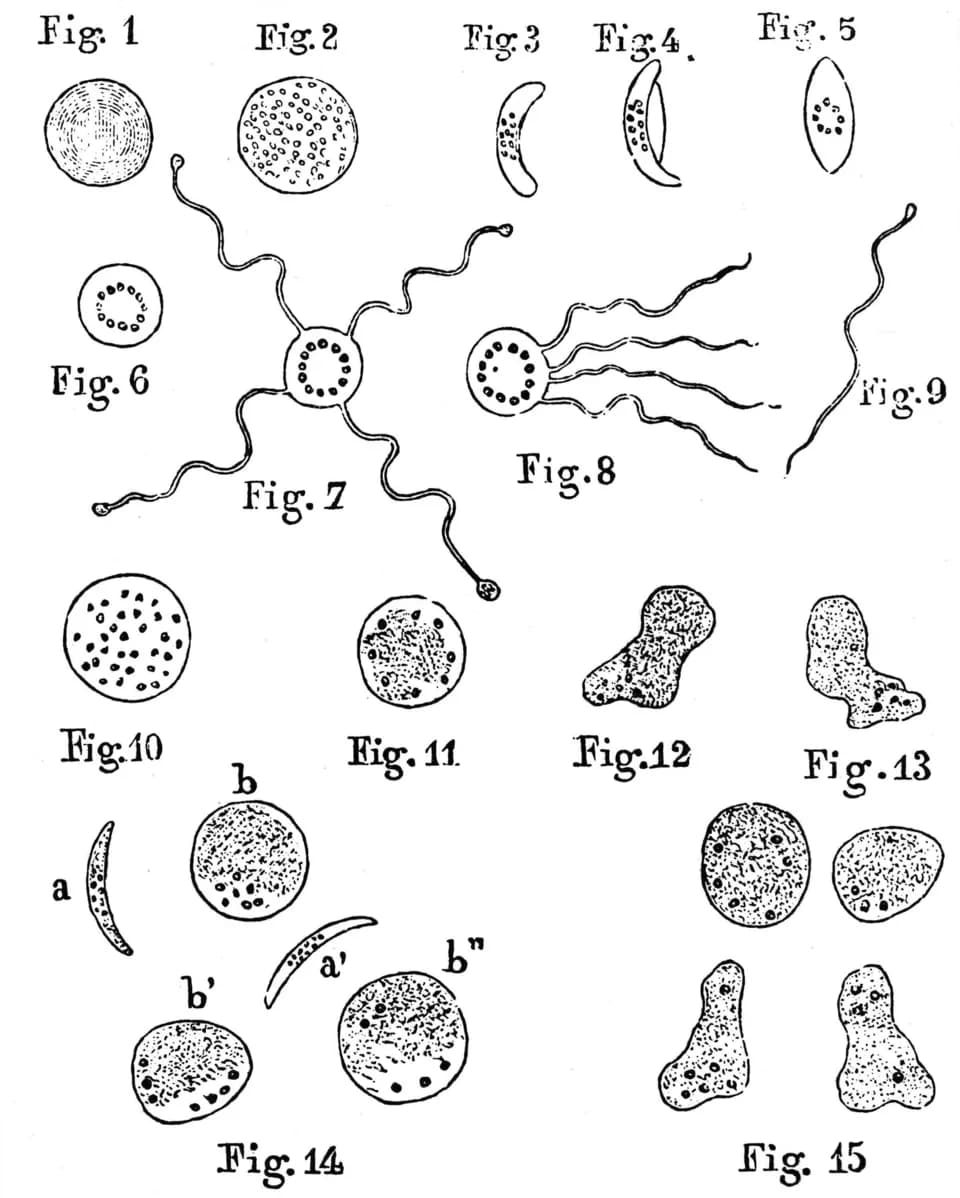
Laveran's most significant contribution to medical science came through his identification of parasitic protozoans as the cause of malaria. At a time when the cause of malaria was unknown, his careful microscopic examination of blood samples from infected patients revealed the presence of parasites. This discovery was revolutionary and challenged existing theories about the disease's origins.
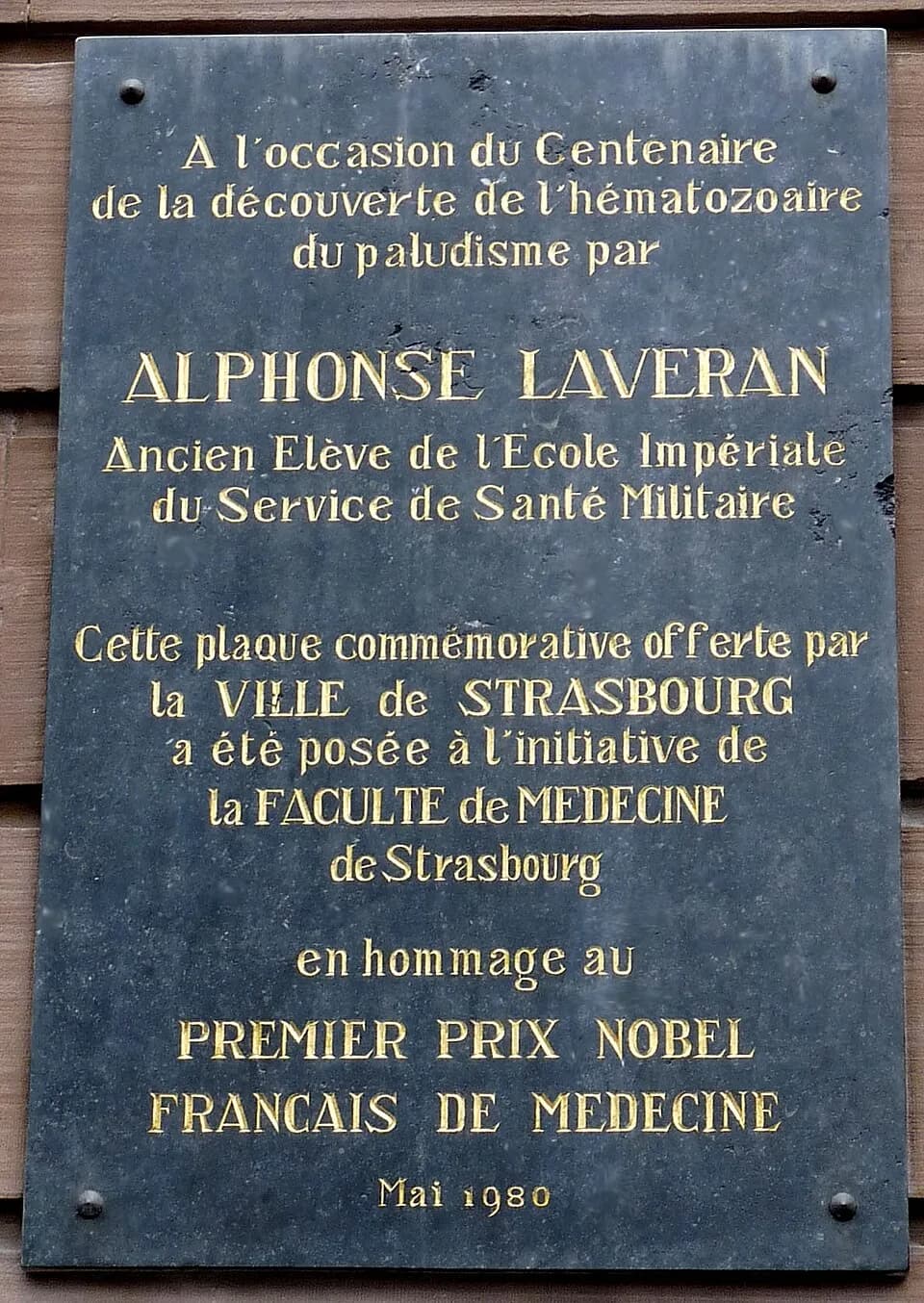
His work extended beyond malaria to include research on trypanosomiasis, another parasitic disease that affected populations in tropical regions. Through meticulous research and observation, he demonstrated how protozoan parasites could cause serious infectious diseases. In 1907, the Nobel Committee recognized his contributions by awarding him the Nobel Prize in Physiology or Medicine "in recognition of his work on the role played by protozoa in causing diseases."
Laveran's research methodologies and discoveries laid the foundation for modern parasitology and tropical medicine. His work enabled other researchers to develop better treatments and prevention strategies for parasitic diseases, ultimately saving countless lives in regions where these diseases were endemic.
Գլուխ 4· Գլուխ 4 / 6
Notable Works and Contributions
Among Laveran's most influential publications was his work "Trypanosomes et trypanosomiases," which became a definitive reference in the field of parasitology. This work, which accumulated 89 citations, established him as a leading authority on trypanosomiasis and its causative agents. The publication detailed his research findings and provided valuable insights for other researchers working in tropical medicine.
He also collaborated with F. Mesnil on another version of "Trypanosomes et trypanosomiases," which received 52 citations and further solidified his reputation in the scientific community. His paper "A newly discovered parasite in the blood of patients suffering from malaria" became a classic in infectious disease literature, continuing to be cited decades after its publication with 11 citations as of 1982.
Beyond his specific research on malaria and trypanosomiasis, Laveran's work contributed to the broader fields of microbiology, bacteriology, and parasitology. His interdisciplinary approach helped establish connections between different areas of medical research and demonstrated the importance of microscopic examination in disease diagnosis.
Գլուխ 5· Գլուխ 5 / 6
Later Years
Throughout his later career, Laveran continued to contribute to medical research and education. He maintained his interest in parasitology and tropical medicine, mentoring younger researchers and sharing his knowledge through publications and presentations. His experience as both a military physician and researcher gave him a unique perspective on the practical applications of medical research.
As he aged, Laveran remained active in the scientific community, participating in conferences and maintaining correspondence with fellow researchers around the world. His reputation as a Nobel laureate opened doors for collaboration and allowed him to influence the direction of research in tropical medicine and parasitology well into his later years.
Գլուխ 6· Գլուխ 6 / 6
Legacy and Impact
Laveran's discoveries fundamentally changed the understanding of infectious diseases and established parasitology as a crucial field of medical research. His identification of protozoan parasites as disease agents opened new avenues for research and treatment development. Modern antimalarial drugs and prevention strategies can trace their origins back to his foundational work.
The impact of his research extended far beyond academic circles to affect public health policy and medical practice worldwide. His work enabled the development of diagnostic techniques for parasitic diseases and influenced military medicine practices in tropical regions. Today, researchers continue to build upon the foundation he established, working to combat malaria and other parasitic diseases that remain global health challenges.
Charles Louis Alphonse Laveran died on May 18, 1922, in Paris, just one month before his 77th birthday. His legacy lives on through the continued fight against the diseases he helped us understand, and his name remains synonymous with pioneering research in tropical medicine and parasitology.
Կյանք պահերում
Պահեր, որ ձևավորեցին կյանքը
ՀՏՀ
Հաճախ տրվող
Ե՞րբ է մահացել Charles Louis Alphonse Laveran-ը:
Charles Louis Alphonse Laveran-ը մահացել է 18 մայիսի, 1922 թ.-ին Paris, France-ում՝ 76 տարեկան հասակում:
Որտե՞ղ է ծնվել Charles Louis Alphonse Laveran-ը:
Charles Louis Alphonse Laveran-ը ծնվել է Paris, France-ում 18 հունիսի, 1845 թ.-ին:
Ինչո՞վ է առավել հայտնի Charles Louis Alphonse Laveran-ը:
Charles Louis Alphonse Laveran-ը առավել հայտնի է French physician-ով:
Քանի՞ տարեկան էր Charles Louis Alphonse Laveran-ը մահվան պահին:
Charles Louis Alphonse Laveran-ը մահվան պահին 76 տարեկան էր:
Ի՞նչ ազգության էր Charles Louis Alphonse Laveran-ը:
Charles Louis Alphonse Laveran-ը France-ից էր:
Ժամանակագրություն
Կյանք մի հայացքով
Լուսանկարների պատկերասրահ
Կյանքը նկարներում
Սեղմեք ցանկացած բևեռոյդի վրա՝ ընդարձակելու համար · 50 լուսանկար
QR կոդ
Կիսվել այս կենսագրությամբ
Տպել և կիսվել
Սկանավորեք այս կենսագրության էջը այցելելու համար։ Տպեք միջոցառումների, ցուցահանդեսների կամ ուսումնական նյութերի համար։