Ծնված
November 11, 1928
Panama City, Panama
Մահացած
May 15, 2012
Mexico City, Mexico
Հայտնի է որպես
Mexican writer
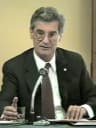
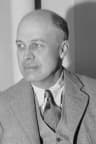
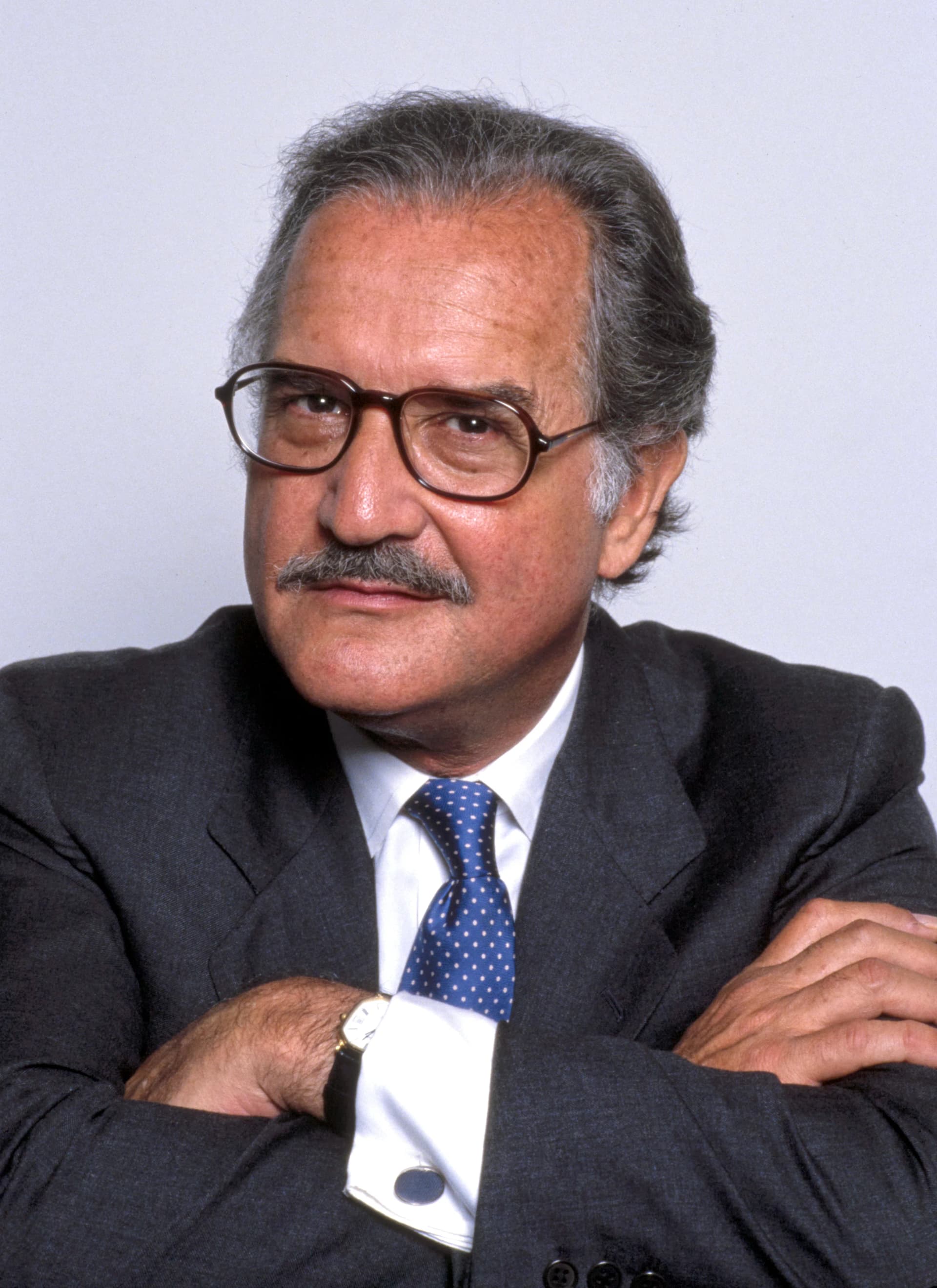
Carlos Fuentes (1928–2012) was Panama best known for Mexican writer.
Carlos Fuentes (November 11, 1928 – May 15, 2012) was a Mexican novelist, essayist, and diplomat from Panama. He significantly influenced the Latin American Boom, becoming one of the most admired writers in the Spanish-speaking world. His legacy includes celebrated novels like The Death of Artemio Cruz and Terra Nostra.
Գլուխ
Կյանքի գլուխներ
Գլուխ 1 · 1928· Գլուխ 1 / 8
Remembering Carlos Fuentes
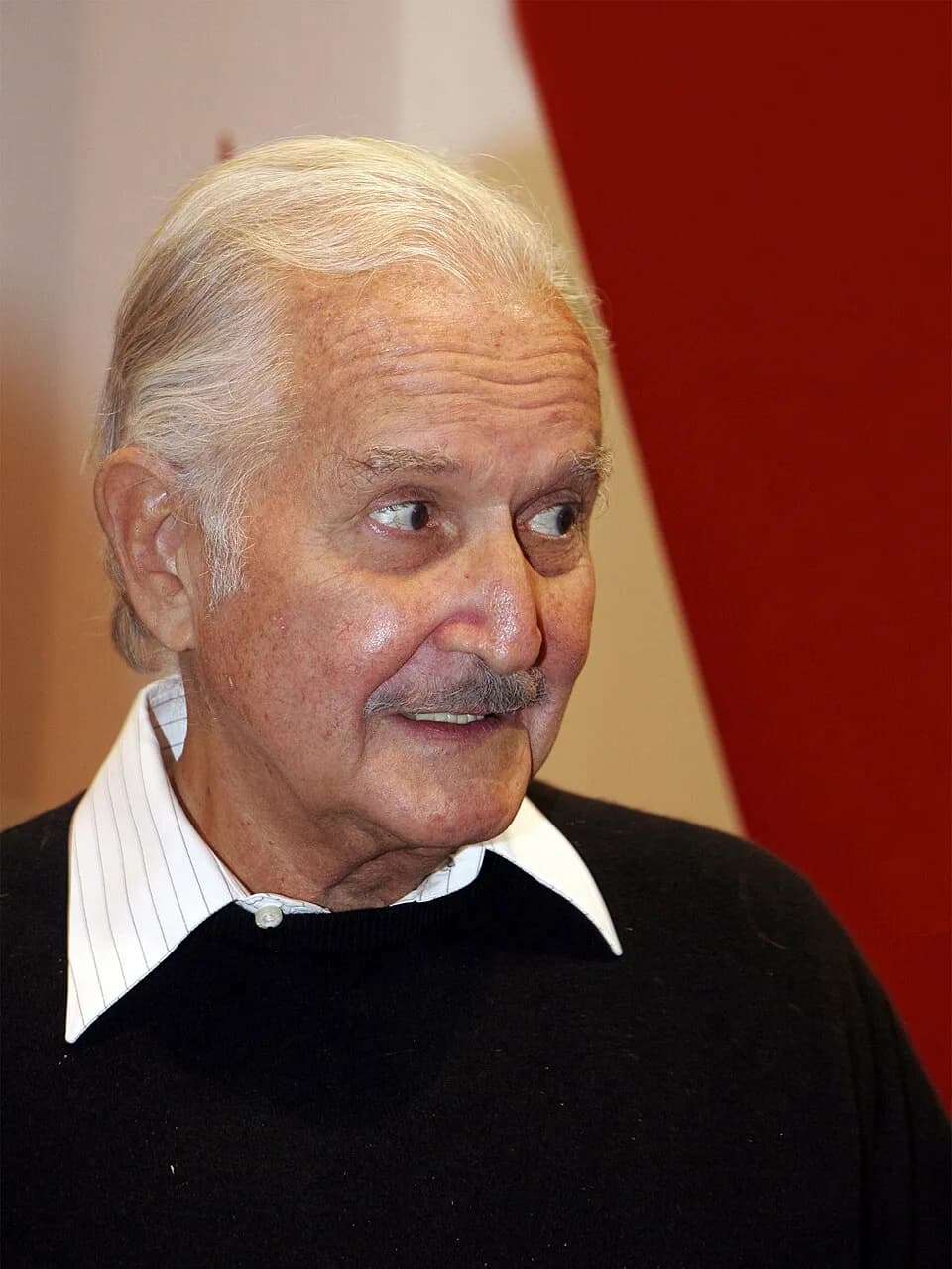
Carlos Fuentes Macías (1928-2012) was a celebrated Mexican novelist, essayist, and diplomat, recognized as one of the most admired writers in the Spanish-speaking world. His extensive body of work significantly shaped the Latin American Boom, a vibrant explosion of literature that emerged in the 1960s and 1970s. Through his distinctive prose, he explored themes vital to Mexican identity and universal human experience, leaving an indelible mark on global literature.
Գլուխ 2 · 1928· Գլուխ 2 / 8
Early Life and Origins
Born on November 11, 1928, in Panama City, Panama, Carlos Fuentes Macías began a life that would eventually define modern Mexican letters. Though born abroad, his heritage and identity were deeply rooted in Mexico. This early international exposure, likely due to his diplomat father's postings, broadened his perspective and informed his later fiction. His birth in Panama marked the beginning of a truly international intellectual journey that would shape his artistic vision.
Գլուխ 3· Գլուխ 3 / 8
Career Beginnings
Fuentes embraced a wide array of professions throughout his career, showcasing his remarkable polymathic intellect. He trained as a lawyer and also worked as a journalist and critic, sharpening his analytical skills and understanding of societal dynamics. These early experiences provided a rich foundation for his prolific writing, allowing him to view the world through many lenses. His early professional life as a poet, playwright, and lecturer also prepared him for his eventual literary fame.
Գլուխ 4 · 1999· Գլուխ 4 / 8
Major Achievements and Career Highlights
Carlos Fuentes became a towering figure in literature, earning numerous prestigious accolades for his contributions. He was honored with the Miguel de Cervantes Prize, a pinnacle of recognition in Spanish-language literature, celebrating his lifetime of work. Mexico also bestowed upon him its highest civilian award, the Belisario Domínguez Medal of Honor, in 1999, acknowledging his profound national contributions. Fuentes was frequently mentioned as a strong candidate for the Nobel Prize in Literature, reflecting his international stature and consistent critical acclaim.
Գլուխ 5· Գլուխ 5 / 8
Personal Life
While specific details about Carlos Fuentes's personal relationships are not provided, his life was characterized by a deep engagement with the world of ideas and public service. He served as Mexico's ambassador to France, seamlessly combining his diplomatic duties with his literary pursuits. His role as a polymath, encompassing professions such as lawyer, poet, and diplomat, suggests a life dedicated to intellectual exploration and cultural exchange. This rich background undoubtedly informed the depth and breadth of his fictional worlds.
Գլուխ 6 · 1962· Գլուխ 6 / 8
Notable Works or Contributions
Fuentes's literary output was both extensive and influential, featuring several novels that are now considered classics of world literature. Among his most celebrated works is The Death of Artemio Cruz, published in 1962, a seminal novel exploring the Mexican Revolution. That same year, he released Aura, a concise yet powerful work often classified as magical realism. Later masterpieces include Terra Nostra (1975), a sprawling historical epic that reinterprets Spanish and Latin American history, and The Old Gringo (1985), which gained international recognition.
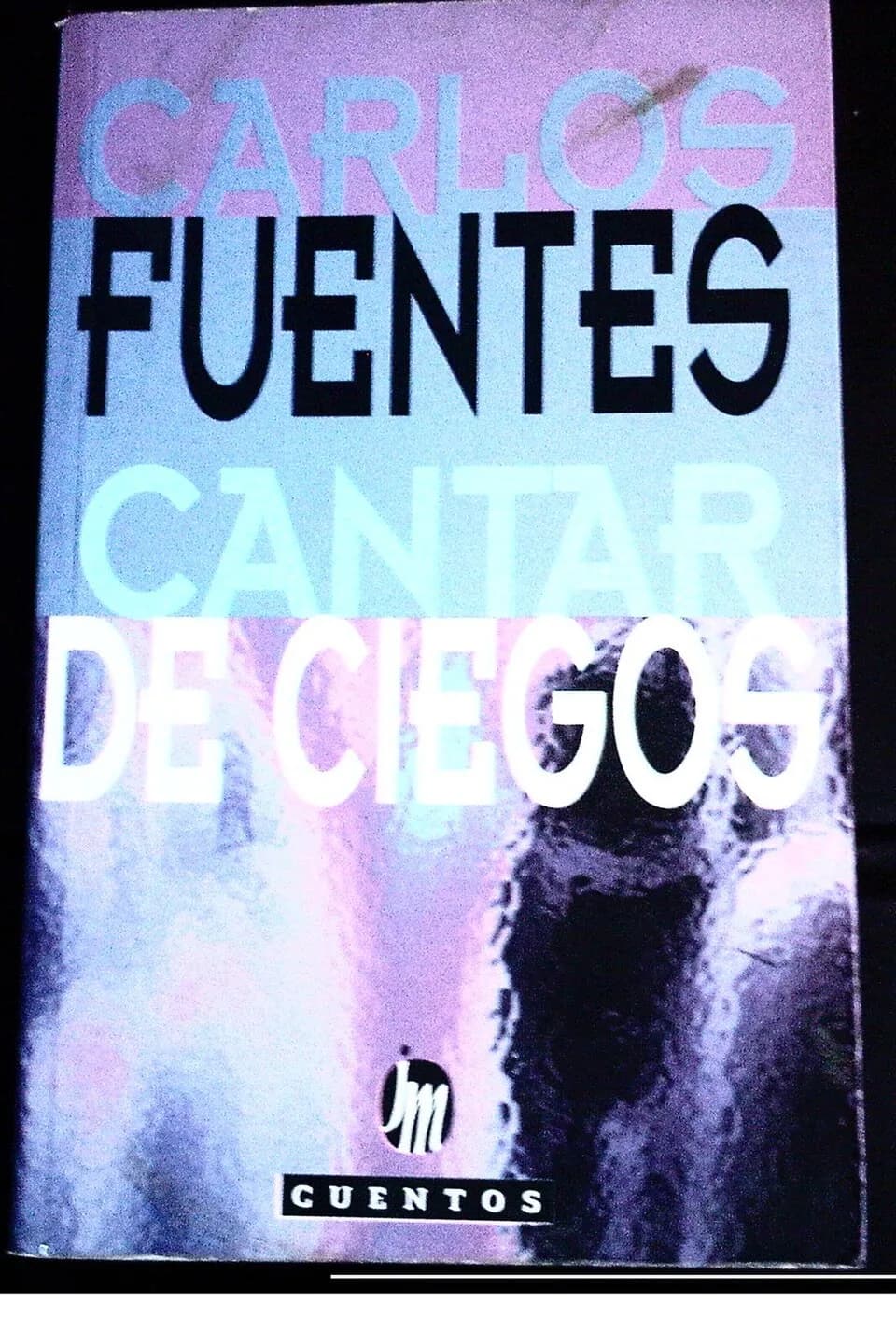
Other significant titles further solidify his position as a literary giant. These include Christopher Unborn (1987), a satirical look at Mexico's future, and La region mas transparente, one of his earliest significant novels which captures the essence of Mexico City. Additional contributions such as Nietzsche On His Balcony, The Picador book of Latin American stories, Naar de stad, Cantar de ciegos, Autores Latinoamericanos, CUERPOS Y OFRENDAS. ANTOLOGIA., Korlerin Sarkisi, and The Years with Laura Diaz demonstrate the breadth and consistent quality of his literary imagination.
Գլուխ 7 · 2012· Գլուխ 7 / 8
Later Years
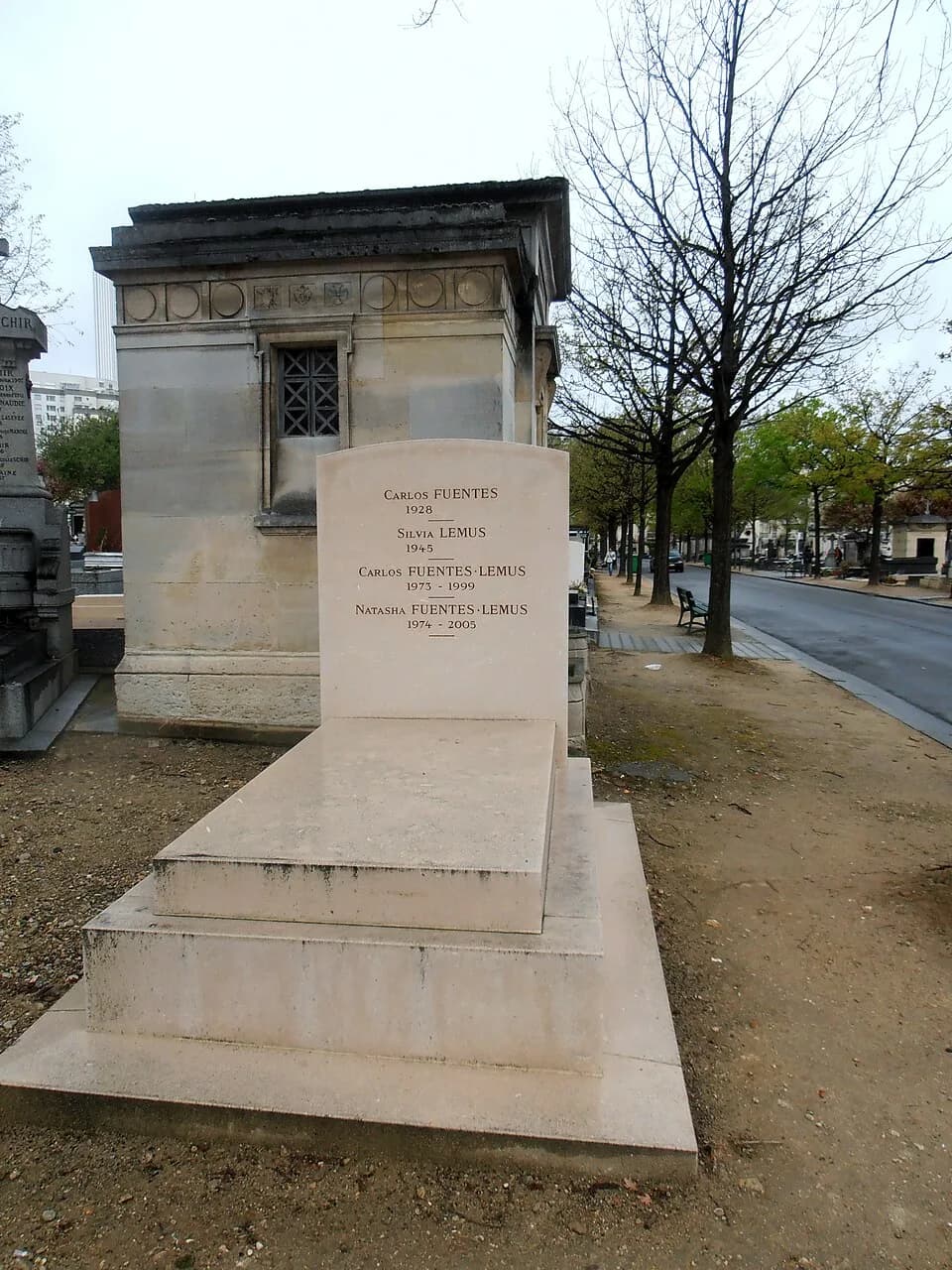
Even as his career progressed, Carlos Fuentes continued to write and contribute to literary and intellectual discourse. His passing on May 15, 2012, in Mexico City, Mexico, marked the end of an era for Latin American literature. He remained an active and respected voice, consistently engaging with contemporary issues through his opinion journalism and criticism. His final years cemented his legacy as a writer constantly evolving and challenging literary boundaries, maintaining his status as a key intellectual figure.
Գլուխ 8· Գլուխ 8 / 8
Legacy and Impact
Carlos Fuentes's influence on literature, particularly the Latin American Boom, cannot be overstated. The New York Times obituary described him as "one of the most admired writers in the Spanish-speaking world," highlighting his central role in shaping the literary scene of the 1960s and '70s. The Guardian further celebrated him as "Mexico's most celebrated novelist," a title he truly earned through his innovative narratives and profound insights. His works continue to be read, studied, and celebrated globally, ensuring his lasting place in the literary canon and inspiring new generations of writers.
Կյանք պահերում
Պահեր, որ ձևավորեցին կյանքը

ՀՏՀ
Հաճախ տրվող
Ե՞րբ է մահացել Carlos Fuentes-ը:
Carlos Fuentes-ը մահացել է 15 մայիսի, 2012 թ.-ին Mexico City, Mexico-ում՝ 83 տարեկան հասակում:
Որտե՞ղ է ծնվել Carlos Fuentes-ը:
Carlos Fuentes-ը ծնվել է Panama City, Panama-ում 11 նոյեմբերի, 1928 թ.-ին:
Ինչո՞վ է առավել հայտնի Carlos Fuentes-ը:
Carlos Fuentes-ը առավել հայտնի է Mexican writer-ով:
Քանի՞ տարեկան էր Carlos Fuentes-ը մահվան պահին:
Carlos Fuentes-ը մահվան պահին 83 տարեկան էր:
Ի՞նչ ազգության էր Carlos Fuentes-ը:
Carlos Fuentes-ը Panama-ից էր:
Ժամանակագրություն
Կյանք մի հայացքով
Լուսանկարների պատկերասրահ
Կյանքը նկարներում
Սեղմեք ցանկացած բևեռոյդի վրա՝ ընդարձակելու համար · 43 լուսանկար
QR կոդ
Կիսվել այս կենսագրությամբ
Տպել և կիսվել
Սկանավորեք այս կենսագրության էջը այցելելու համար։ Տպեք միջոցառումների, ցուցահանդեսների կամ ուսումնական նյութերի համար։