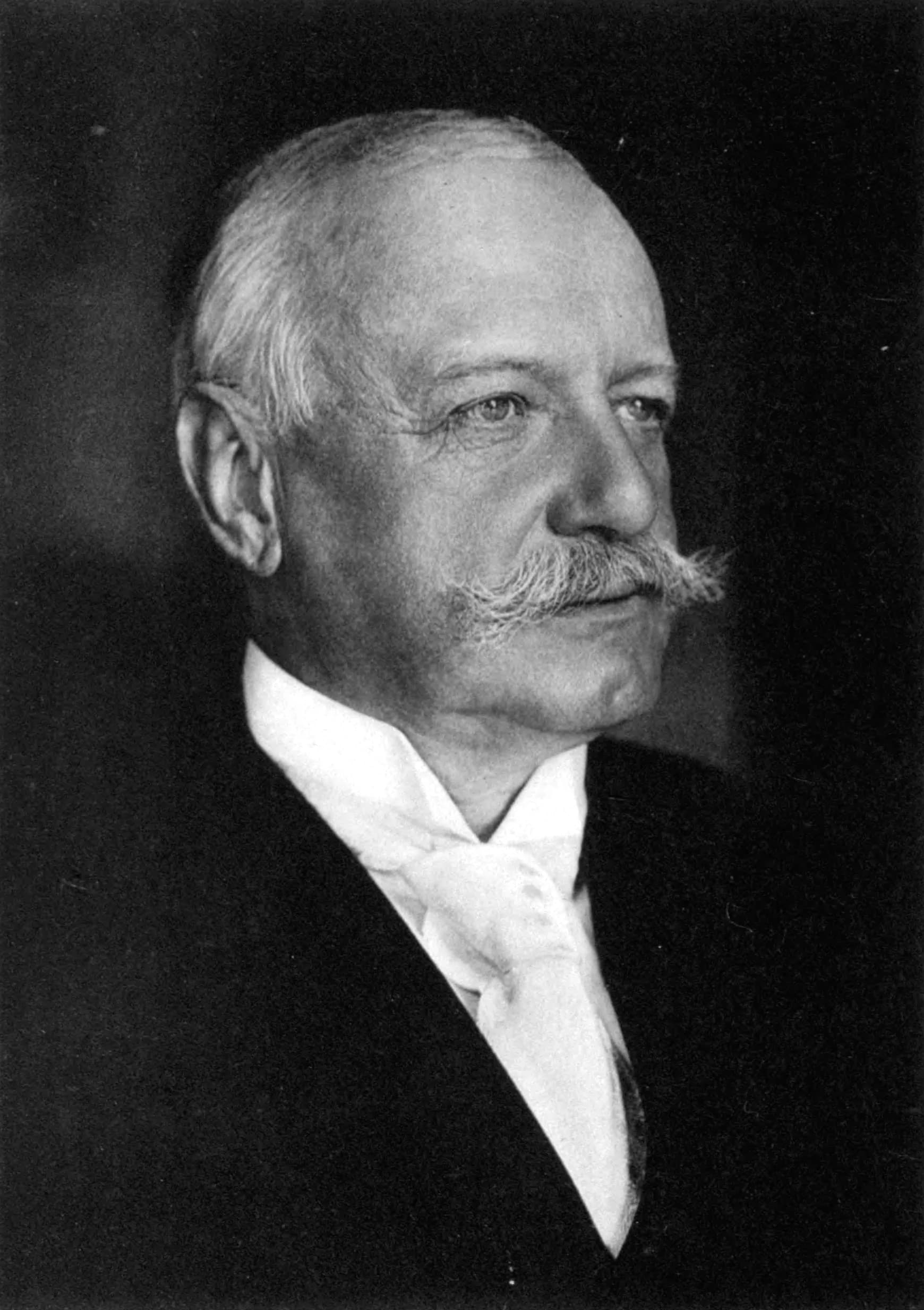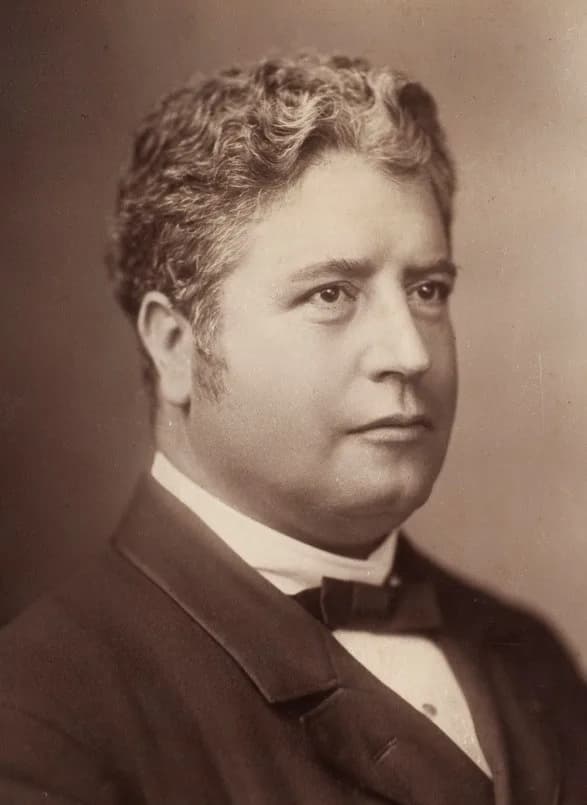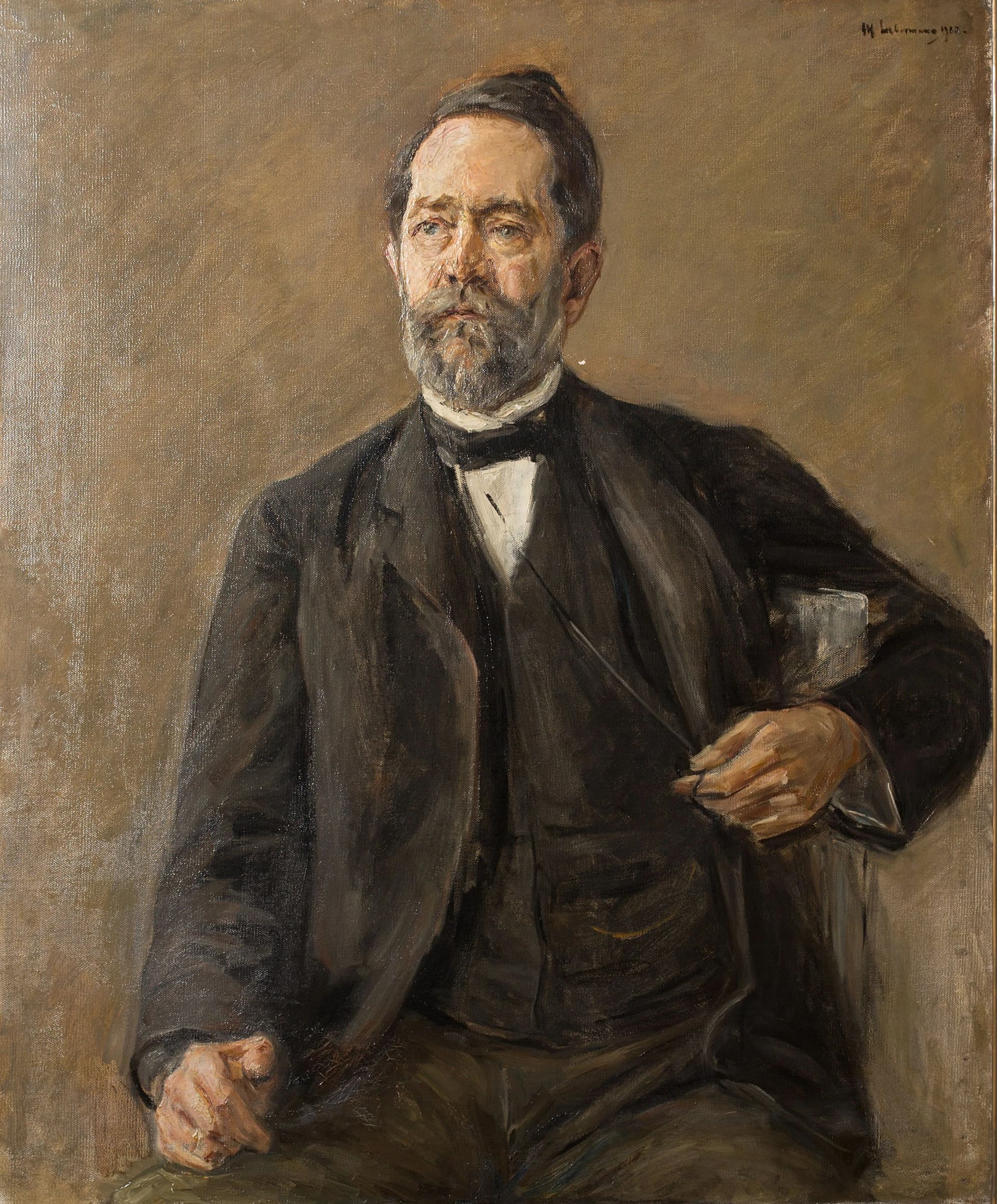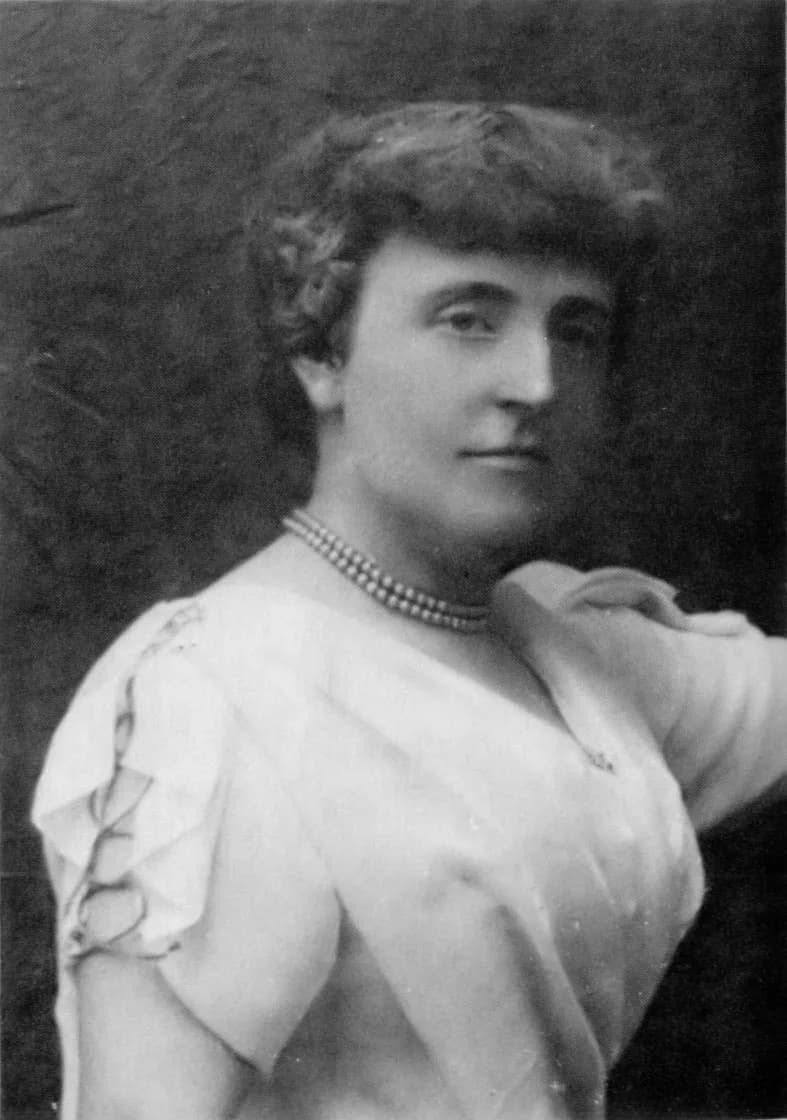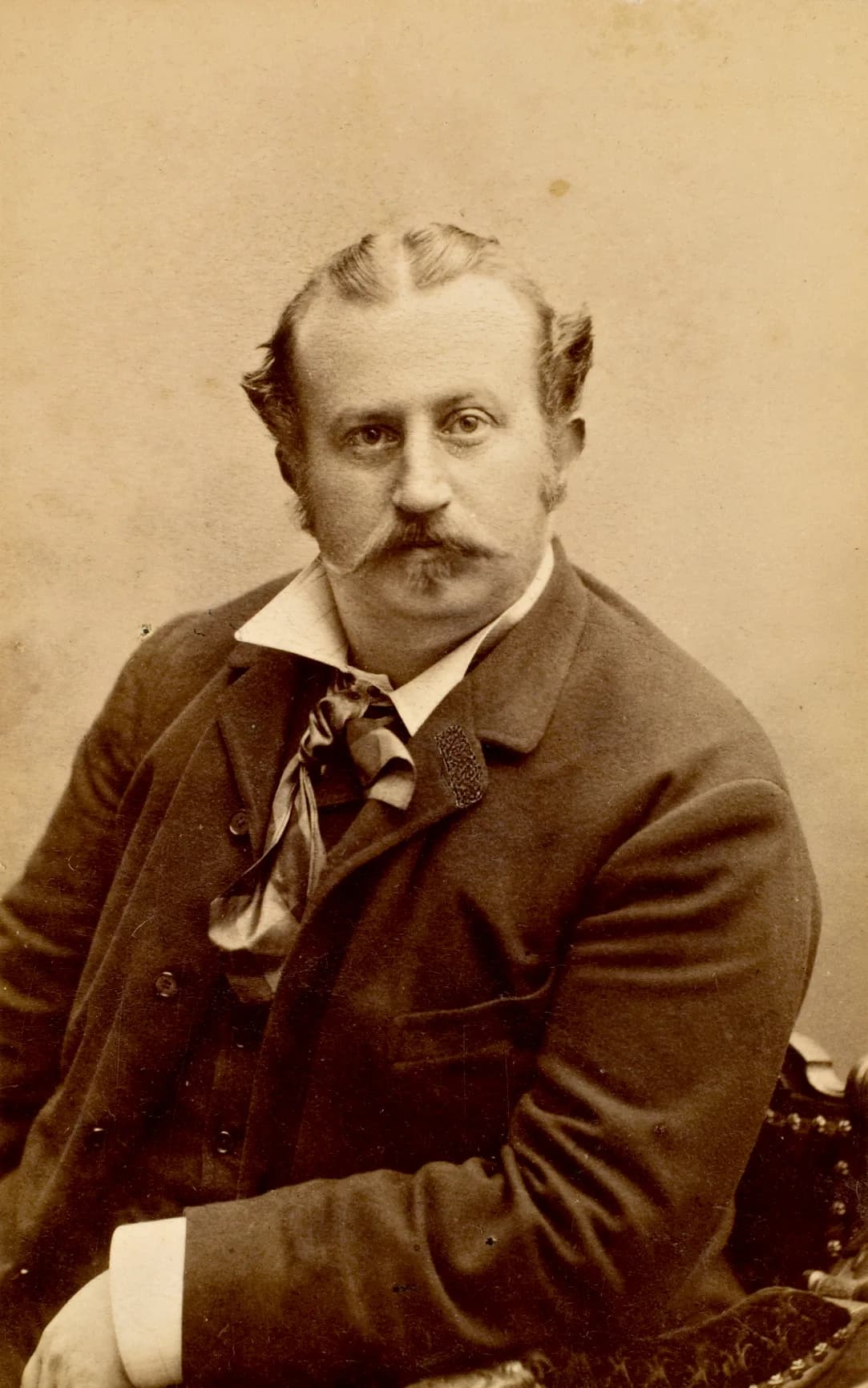
Ծնված
February 18, 1849
Stavanger, Norway
Մահացած
April 6, 1906
Bergen, Norway
Հայտնի է որպես
Norwegian writer
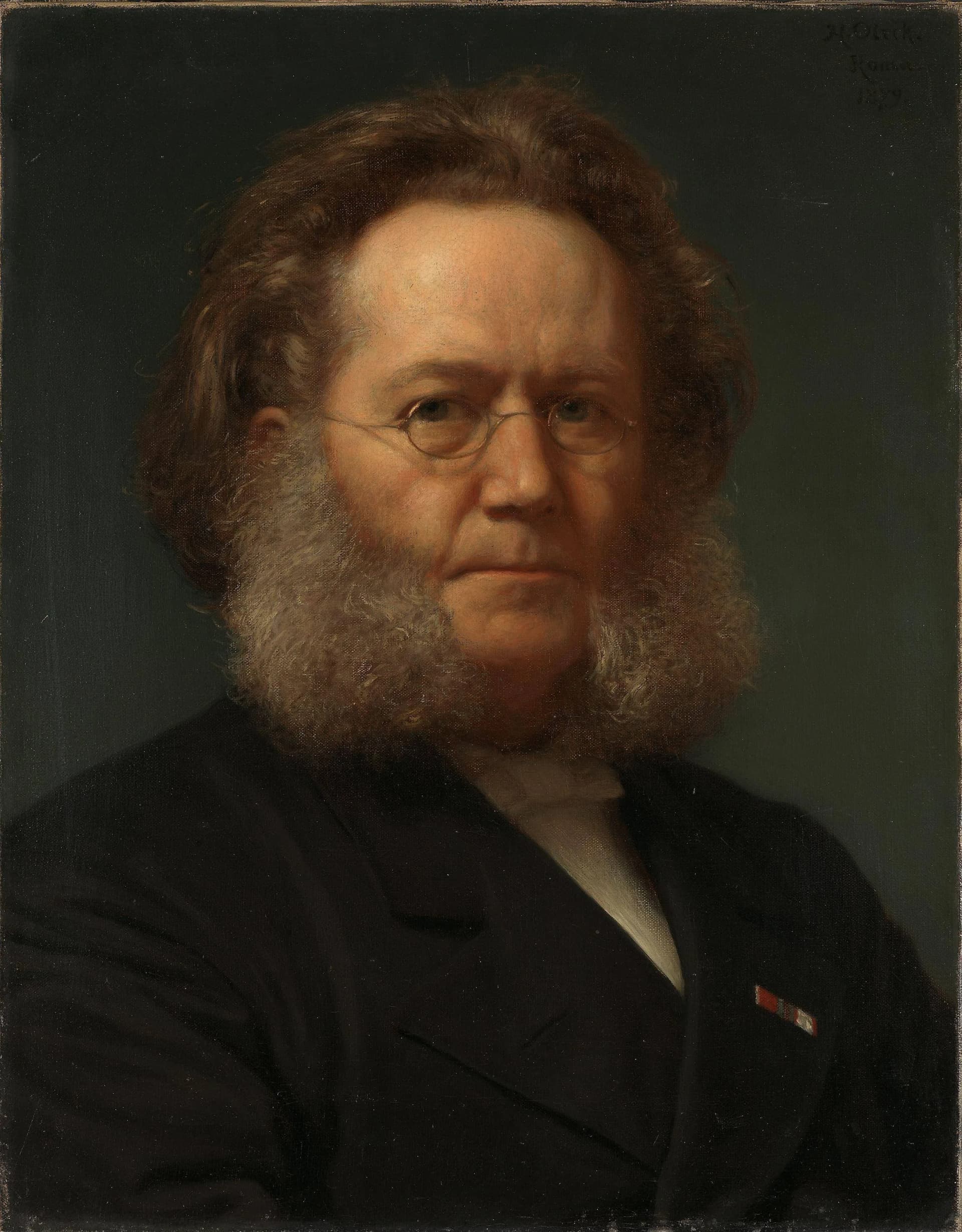
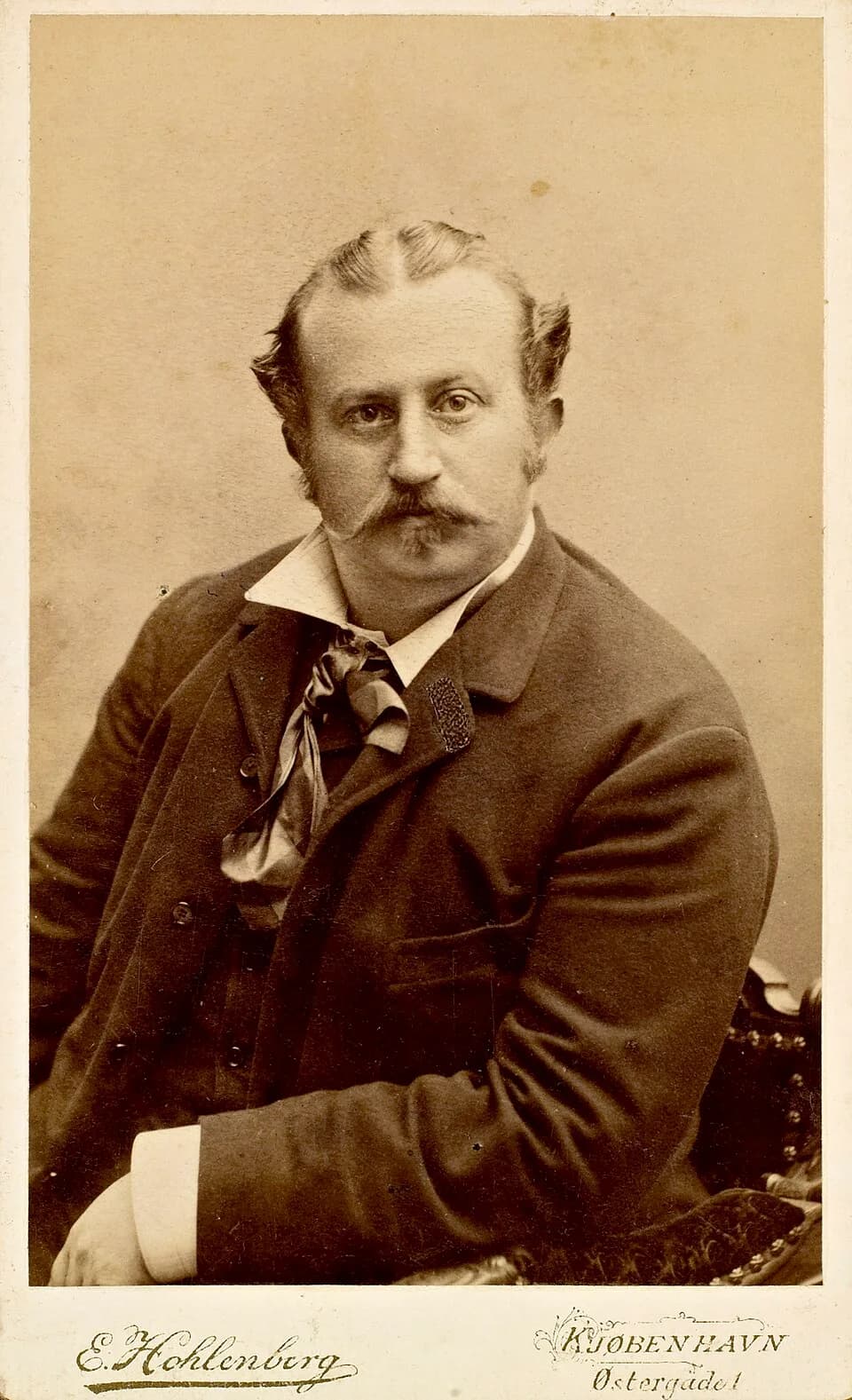
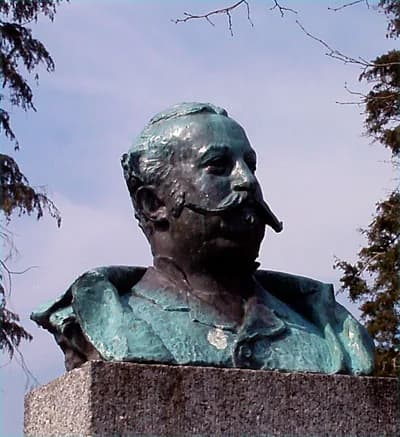
Alexander Kielland (1849–1906) was Norway best known for Norwegian writer.
Alexander Kielland (February 18, 1849 – April 6, 1906) was a Norwegian writer from Stavanger, Norway. He is known as a realist writer and one of "the Four Greats" of Norwegian literature. His works like 'Garman and Worse' hold a significant place in literary history.
Կյանք պահերում
Պահեր, որ ձևավորեցին կյանքը
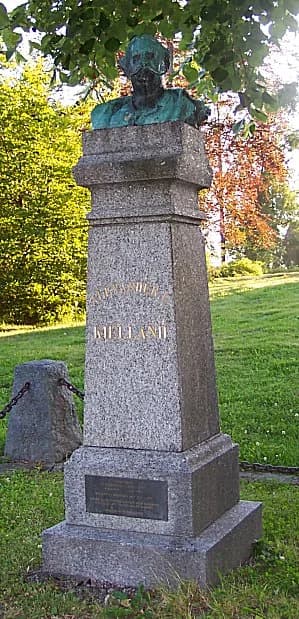
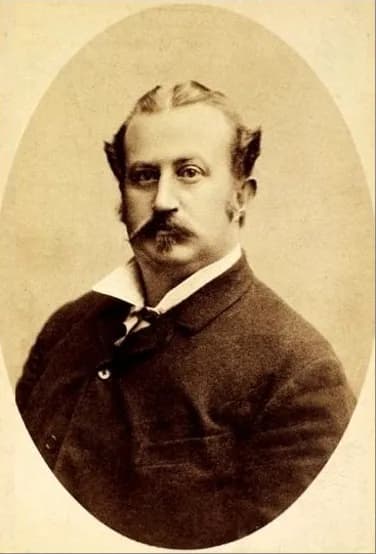
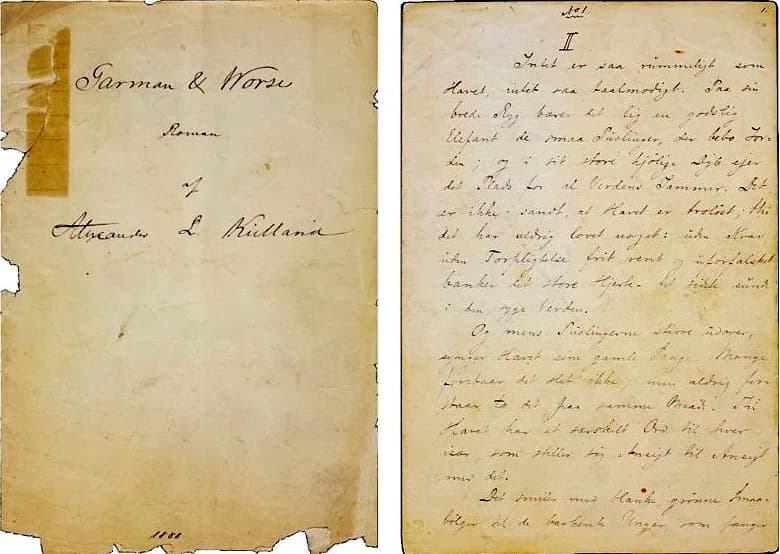
Գլուխ
Կյանքի գլուխներ
Գլուխ 1 · 1849· Գլուխ 1 / 8
A Life Dedicated to Literature
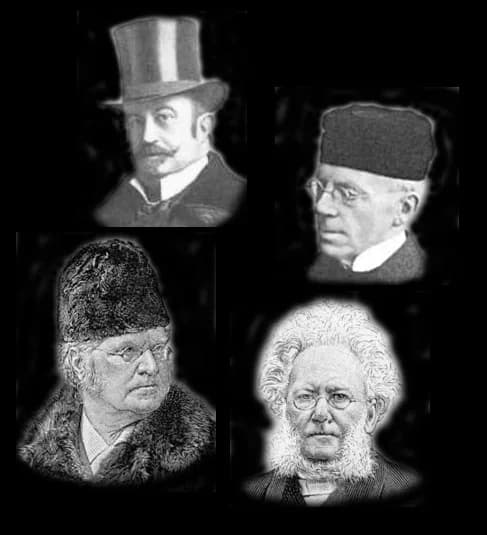
Alexander Kielland (February 18, 1849 – April 6, 1906) was a distinguished Norwegian writer whose contributions profoundly shaped 19th-century Norwegian literature. As a committed realist author, his works addressed societal issues with keen observation and compelling narratives. He holds a revered position as one of "the Four Greats" of Norwegian literature, an honor he shares with Henrik Ibsen, Bjørnstjerne Bjørnson, and Jonas Lie.
Գլուխ 2 · 1849· Գլուխ 2 / 8
Early Life and Origins
Alexander Lange Kielland was born on February 18, 1849, in Stavanger, Norway. His upbringing in this coastal city provided a rich backdrop that would later influence the settings and themes of many of his literary works. Stavanger's culture and its people undoubtedly instilled in him the insights he later brought to his writing.
Գլուխ 3· Գլուխ 3 / 8
Career Beginnings and the Rise of a Realist
Kielland dedicated himself to the craft of writing, emerging as a prominent voice in the realist movement. His early literary endeavors quickly established his style, marked by a sharp critical eye and a commitment to portraying life as it truly was. He became an important figure among those seeking to reflect and comment on contemporary society through their art.
Գլուխ 4· Գլուխ 4 / 8
Major Achievements and Career Highlights
Alexander Kielland's literary career was distinguished by his commitment to realism and his profound narrative skill. His recognition as one of "the Four Greats" of Norwegian literature underscores his lasting importance and the significant impact of his contributions. This designation places him in the highest echelon of Norwegian literary figures, acknowledging his role in shaping the nation's cultural identity.
His works resonated deeply with readers, earning him a place alongside towering figures like Henrik Ibsen and Bjørnstjerne Bjørnson. Kielland's ability to capture the nuances of human experience and societal structures solidified his reputation. He helped define the literary direction of his era, leaving behind a body of work that continues to be studied and admired.
Գլուխ 5· Գլուխ 5 / 8
Personal Life
The provided historical summary primarily focuses on Alexander Kielland's professional and literary life. Details regarding his personal relationships, family life beyond his origins, or specific personal interests are not detailed within the available information. His dedication to his craft, however, is clearly evident through his prolific output and his enduring legacy.
Գլուխ 6· Գլուխ 6 / 8
Notable Works and Literary Contributions
Kielland's bibliography showcases his range and his commitment to realist storytelling. Among his widely recognized works is "Garman and Worse," a novel that captures the essence of life and society in his native region. "Skipper Worse" further explores maritime themes and the lives of ordinary people, deepening his realist portrayal of Norway.
Other significant titles include "Tales of Two Countries" and "Novelletten (Großdruck)," which highlight his skill in short-form narratives and his ability to draw compelling contrasts. Works such as "Else," "Hope's Clad in April Green; at the Fair; Two Friends; a Good Conscience," and "Kapitän Worse" demonstrate his ongoing exploration of human morality and social dynamics. His collected short stories and novels, including "Pharaoh; the Parsonage; the Peat Moor" and "Romance and Reality; Withered Leaves; the Battle of Waterloo," collectively represent a rich and varied contribution to European literature, reflecting the complex realities of his time.
Գլուխ 7 · 1906· Գլուխ 7 / 8
Later Years and Final Chapter
Alexander Kielland spent his later years continuing to contribute to the literary discourse of his time. He passed away on April 6, 1906, in Bergen, Norway. His death marked the close of a life rich in literary production and intellectual engagement, leaving behind a legacy that would continue to inspire.
Գլուխ 8· Գլուխ 8 / 8
Legacy and Lasting Impact
Alexander Kielland's influence on Norwegian literature remains substantial. As a realist writer, he fearlessly examined social injustices and the complexities of human nature, leaving a body of work that continues to resonate. His place among "the Four Greats" signifies his lasting importance in the national literary canon, ensuring his works are continually read and appreciated.
His literary vision helped to shape the cultural dialogue of 19th-century Norway and beyond. Kielland's detailed characterizations and vivid depictions of his homeland continue to provide insights into a bygone era, while his thematic concerns about truth, justice, and human dignity remain relevant. He is remembered as a writer who used his craft to illuminate the world around him.
ՀՏՀ
Հաճախ տրվող
Ե՞րբ է մահացել Alexander Kielland-ը:
Alexander Kielland-ը մահացել է 6 ապրիլի, 1906 թ.-ին Bergen, Norway-ում՝ 57 տարեկան հասակում:
Որտե՞ղ է ծնվել Alexander Kielland-ը:
Alexander Kielland-ը ծնվել է Stavanger, Norway-ում 18 փետրվարի, 1849 թ.-ին:
Ինչո՞վ է առավել հայտնի Alexander Kielland-ը:
Alexander Kielland-ը առավել հայտնի է Norwegian writer-ով:
Քանի՞ տարեկան էր Alexander Kielland-ը մահվան պահին:
Alexander Kielland-ը մահվան պահին 57 տարեկան էր:
Ի՞նչ ազգության էր Alexander Kielland-ը:
Alexander Kielland-ը Norway-ից էր:
Ժամանակագրություն
Կյանք մի հայացքով
Լուսանկարների պատկերասրահ
Կյանքը նկարներում
Սեղմեք ցանկացած բևեռոյդի վրա՝ ընդարձակելու համար · 21 լուսանկար
QR կոդ
Կիսվել այս կենսագրությամբ
Տպել և կիսվել
Սկանավորեք այս կենսագրության էջը այցելելու համար։ Տպեք միջոցառումների, ցուցահանդեսների կամ ուսումնական նյութերի համար։