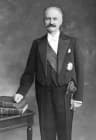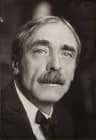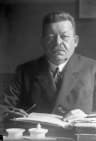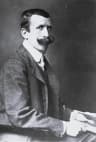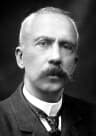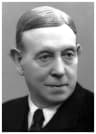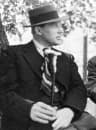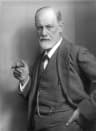
Született
May 6, 1871
Cherbourg, France
Elhunyt
December 13, 1935
7th arrondissement of Lyon, France
Ismert mint
French chemist
Victor Grignard (1871–1935) was France best known for French chemist.
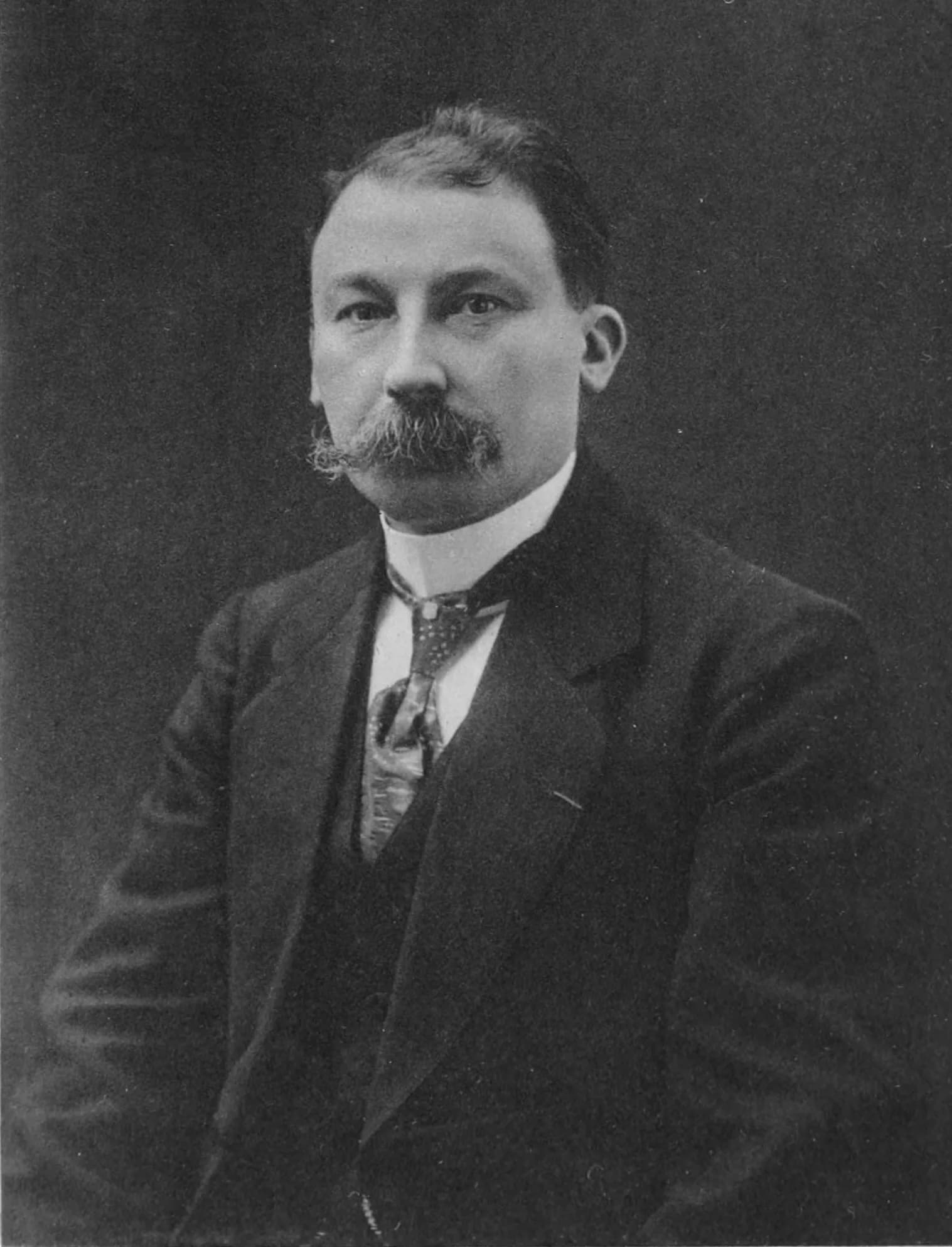
Francois Auguste Victor Grignard (May 6, 1871 – December 13, 1935) was a French chemist. He won the Nobel Prize in Chemistry in 1912 for his discovery of the Grignard reagent, a key tool for forming carbon-carbon bonds. His work significantly advanced organic chemistry.
0. fejezet
Élet fejezetei
1. fejezet · 1871· 1. fejezet a(z) 6-ből
Early Life and Origins
Victor Grignard was born on May 6, 1871, in Cherbourg, France. His early years were spent in this vibrant port city in Normandy. This foundational period in Cherbourg laid the groundwork for his future in science, though specific details of his upbringing remain less publicly known.
2. fejezet· 2. fejezet a(z) 6-ből
Career Beginnings
Grignard pursued a career in chemistry, dedicating himself to both research and teaching. He became known as a university teacher, sharing his knowledge and inspiring future generations of scientists. His foundational work in chemistry began to take shape as he established himself within academic institutions.
3. fejezet· 3. fejezet a(z) 6-ből
Major Achievements and Career Highlights
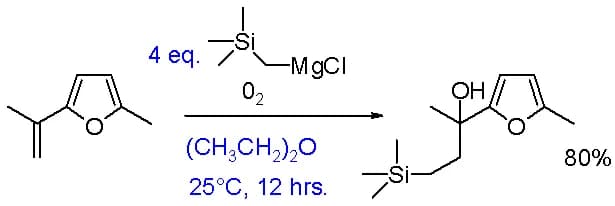
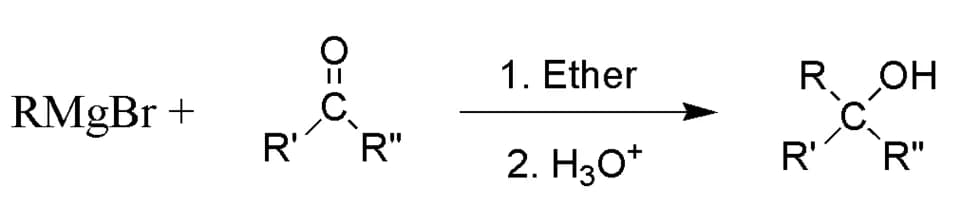
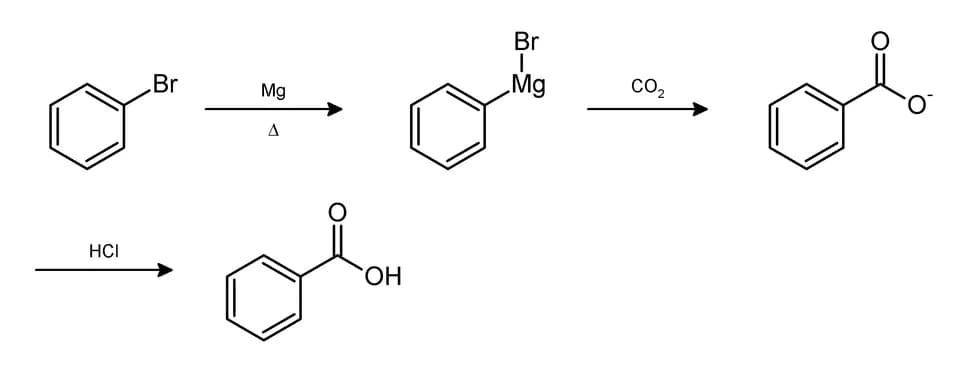
The pinnacle of Victor Grignard's scientific career arrived with his discovery of the Grignard reagent. This specific organometallic compound allowed for the facile formation of carbon–carbon bonds, a reaction that became known as the Grignard reaction. This innovation was essential for building complex organic molecules, opening new pathways for synthesis.
For this crucial work, Grignard was awarded the Nobel Prize in Chemistry in 1912. The Nobel Committee specifically cited his discovery of "the so-called Grignard reagent, which in recent years has greatly advanced the progress of organic chemistry." This recognition underscored the immense practical and theoretical utility of his contribution to the field.
His reagent quickly became a standard tool in organic laboratories worldwide. It enabled chemists to synthesize a vast array of new compounds efficiently, impacting fields from pharmaceuticals to materials science. The Grignard reagent remains a cornerstone of synthetic organic chemistry to this day.
4. fejezet· 4. fejezet a(z) 6-ből
Notable Works or Contributions
Beyond his Nobel Prize-winning discovery, Victor Grignard documented his experimental findings in his laboratory notebooks. These detailed records provided insights into his scientific process and the iterative nature of his research. His work demonstrated a diligent approach to chemical investigation.
Several academic publications bear his name, illustrating his ongoing contributions to chemistry. Among these are "Some New Organometallic Compounds of Magnesium and Their Application to the Synthesis of Alcohols and Hydrocarbons," which was published in 1968, indicating the lasting relevance of his early research. Another significant contribution, "Concerning Organomagnesium Compounds in Solution and Their Application to the Synthesis of Acids, Alcohols, and Hydrocarbons," appeared in 1970.
Further demonstrating his breadth of interest, Grignard also authored works that considered the broader scientific landscape. "The Collaboration of Science and Industry" was published in 1918, reflecting on the synergy between these two sectors. In 1917, he released "France and America in Scientific Union," highlighting international scientific cooperation during a period of global conflict.
5. fejezet · 1935· 5. fejezet a(z) 6-ből
Later Years
Victor Grignard continued his scientific and academic pursuits throughout his life. He passed away on December 13, 1935, in the 7th arrondissement of Lyon, France. His death in Lyon marked the end of a career dedicated to chemical discovery and education.
6. fejezet· 6. fejezet a(z) 6-ből
Legacy and Impact
The legacy of Victor Grignard endures through the ubiquitous use of his namesake reagent and reaction in organic chemistry. His discovery fundamentally changed how chemists approached the synthesis of organic molecules, offering a reliable method for forming carbon–carbon bonds. This tool continues to be taught in universities and applied in industrial research and development.
His work set new standards for synthetic organic chemistry and continues to inspire new generations of chemists. The Grignard reagent's utility in creating complex structures from simpler ones ensures Grignard’s place as one of the most important figures in modern chemistry. His contributions continue to shape scientific inquiry and practical applications.
Egy élet pillanatokban
A pillanatok, amelyek egy életet alakítottak

GYIK
Gyakran kérdezett
Mikor halt meg Victor Grignard?
Victor Grignard 1935. december 13. 7th arrondissement of Lyon, France-ban halt meg, 64 éves korában.
Hol született Victor Grignard?
Victor Grignard Cherbourg, France-ban született, 1871. május 6..
Miről ismert leginkább Victor Grignard?
Victor Grignard leginkább arról ismert, hogy French chemist.
Hány éves volt Victor Grignard, amikor meghalt?
Victor Grignard 64 éves volt halálakor.
Milyen nemzetiségű volt Victor Grignard?
Victor Grignard France származású volt.
Idővonal
Élet egy pillantásra
Fotógaléria
Egy élet képekben
Kattintson bármely polaroidra a kibontáshoz · 41 fénykép
QR-kód
Életrajz megosztása
Nyomtatás és megosztás
Olvassa be az életrajz oldalának megnyitásához. Nyomtassa ki rendezvényekre, kiállításokra vagy oktatási anyagokhoz.