Született
May 11, 1904
Figueres, Spain
Elhunyt
January 23, 1989
Figueres, Spain
Ismert mint
Spanish artist
Salvador Dalí (1904–1989) was Spain best known for Spanish artist.
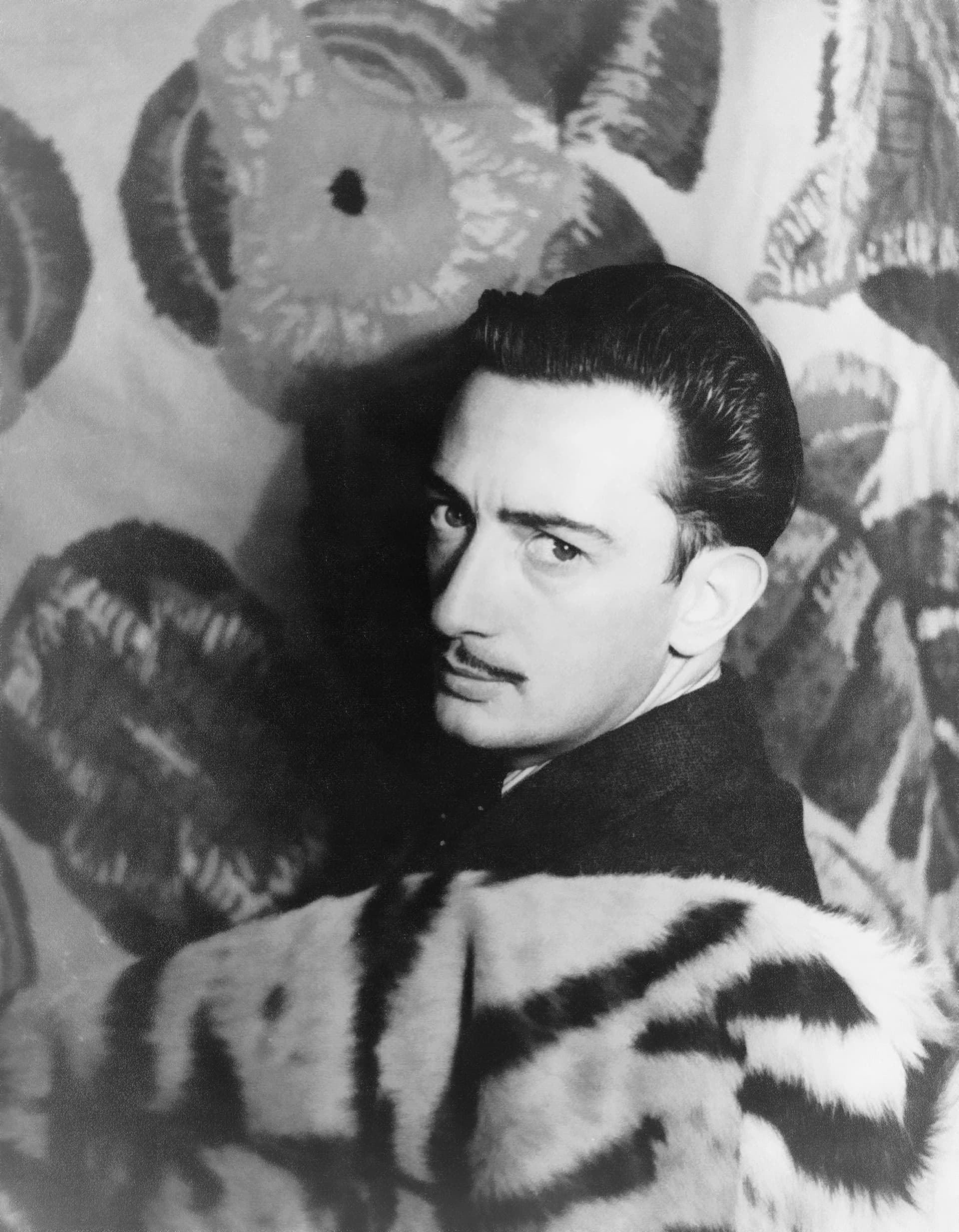
Salvador Dalí (May 11, 1904 – January 23, 1989) was a Spanish artist from Figueres. Renowned for his surrealist art, he demonstrated technical skill and precise draftsmanship in his striking works. His legacy endures through his unique visual language and diverse creative output.
Egy élet pillanatokban
A pillanatok, amelyek egy életet alakítottak
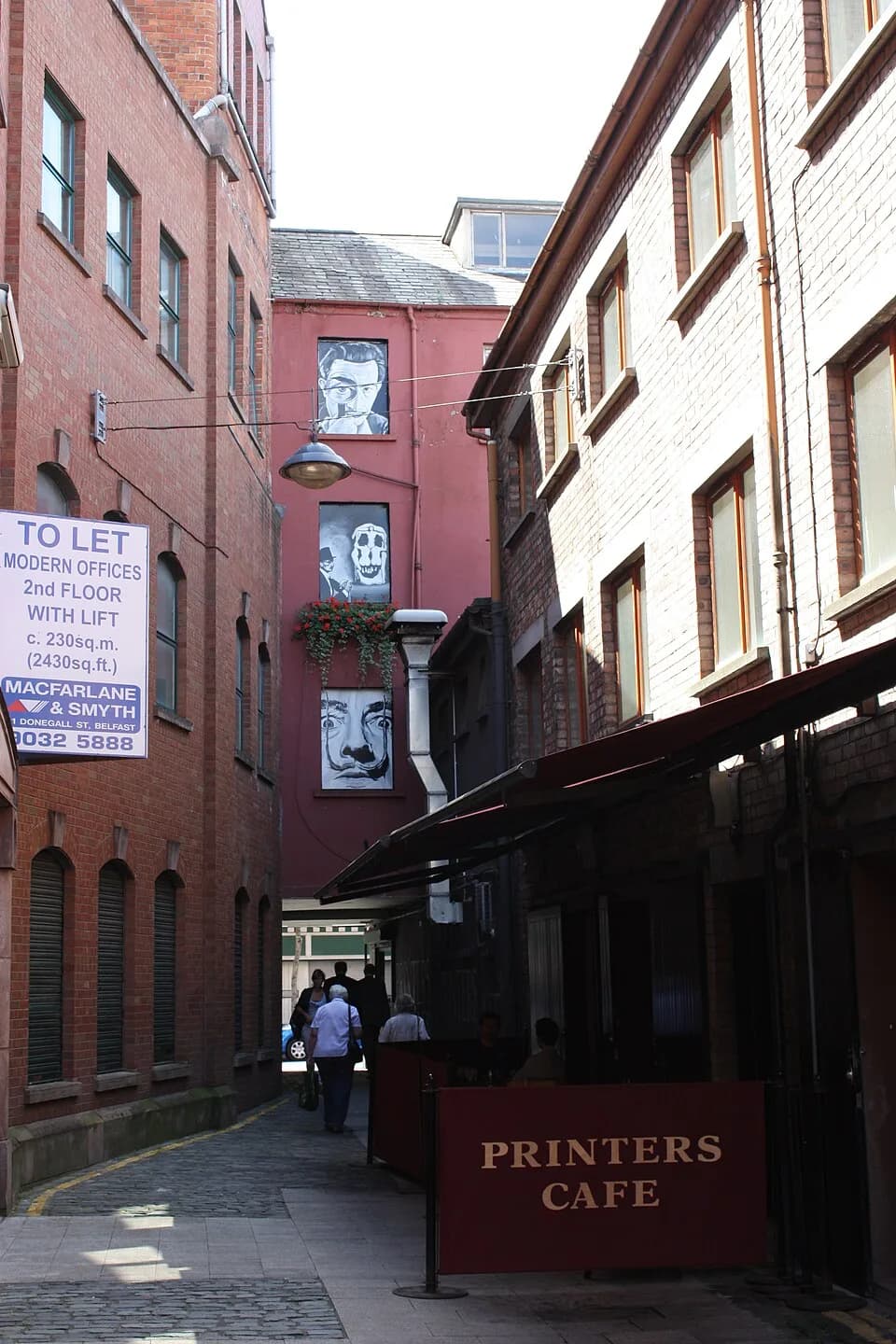
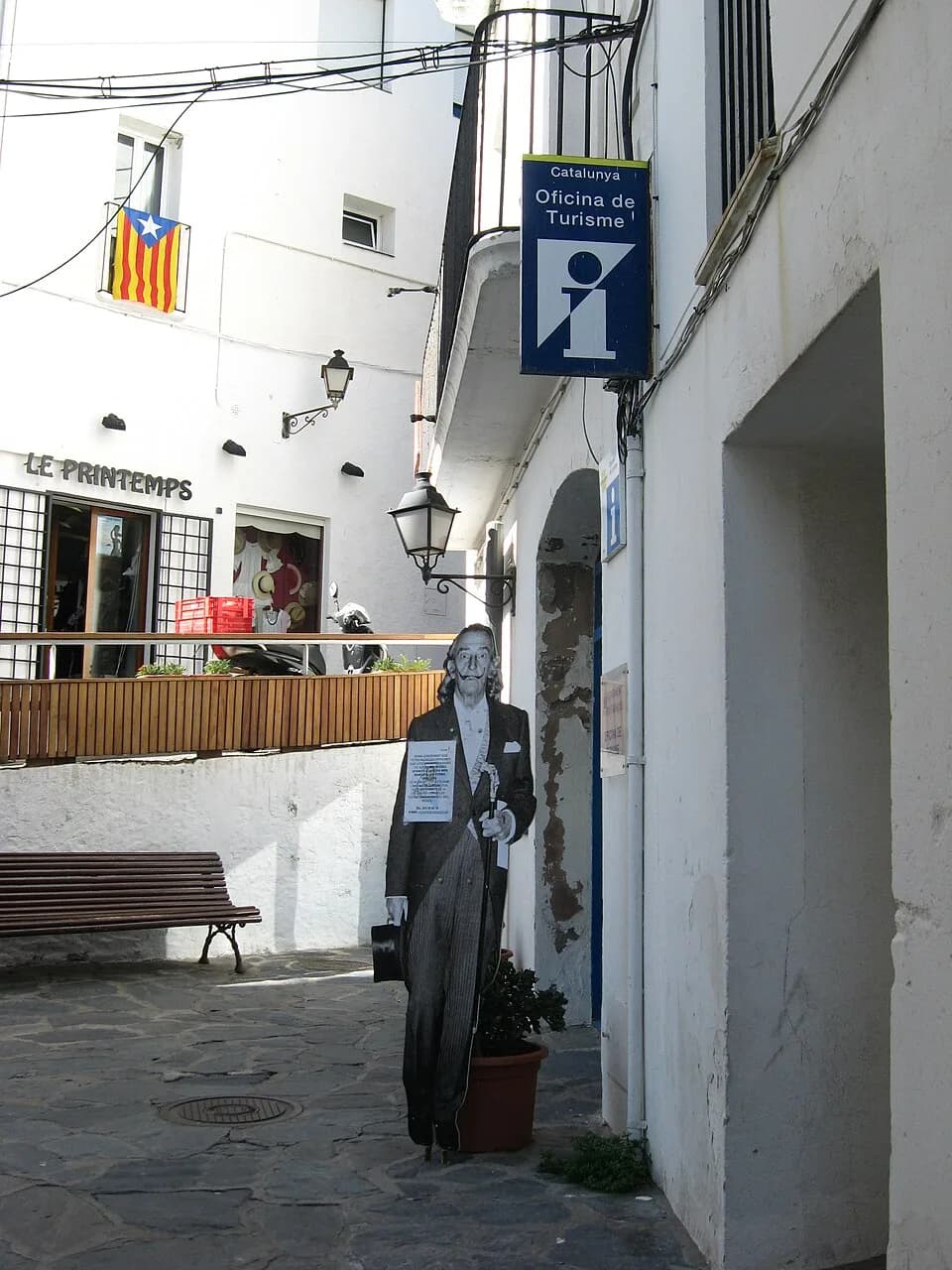
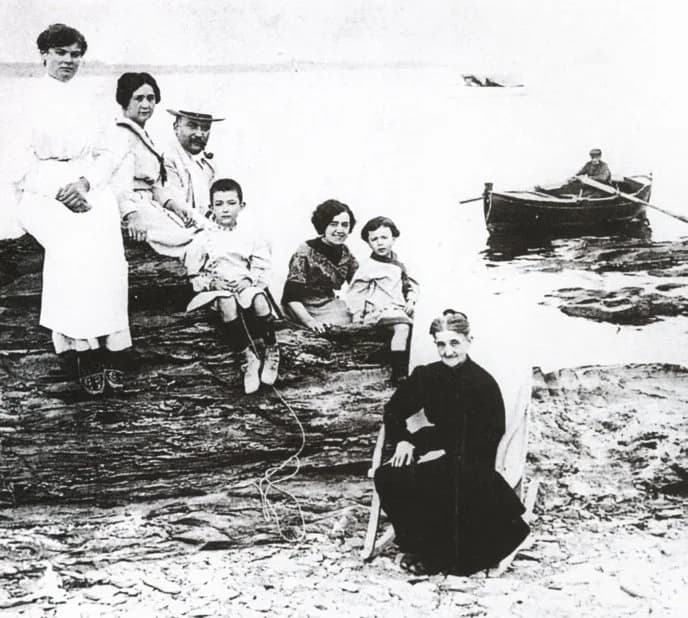
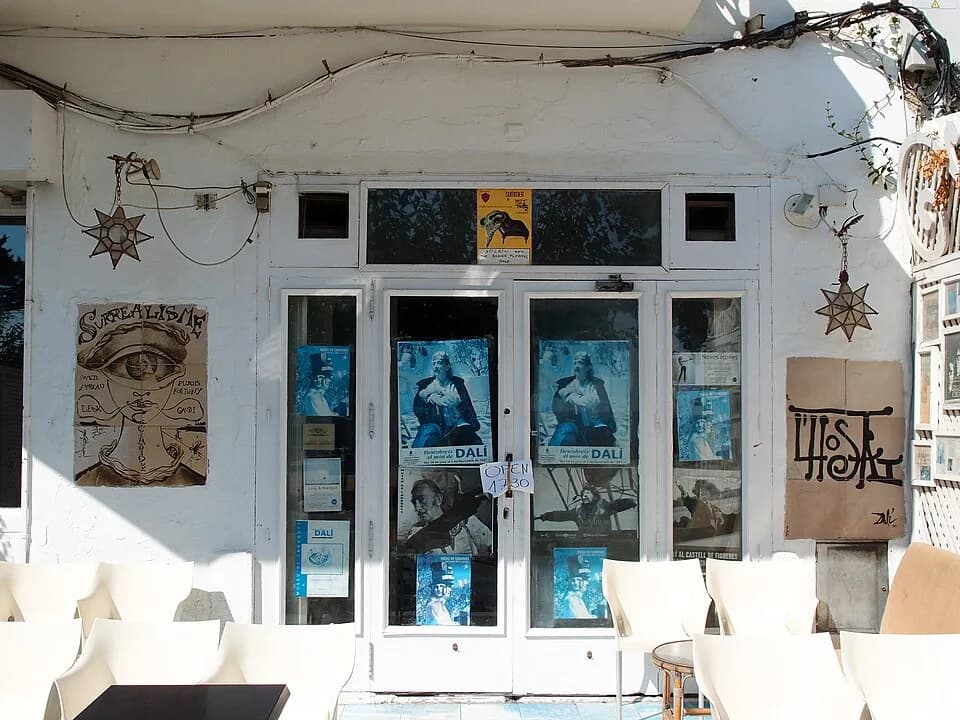
0. fejezet
Élet fejezetei
1. fejezet · 1904· 1. fejezet a(z) 8-ből
Salvador Dalí: A Life in Surrealism
Salvador Domingo Felipe Jacinto Dalí i Domènech, Marquess of Dalí de Púbol, universally known as Salvador Dalí, was a Spanish artist born on May 11, 1904, who passed away on January 23, 1989. He is celebrated as a preeminent surrealist painter whose extraordinary career spanned many creative fields. Dalí’s distinctive approach to art redefined visual culture, leaving an indelible mark on the 20th century.
2. fejezet· 2. fejezet a(z) 8-ből
Early Life and Origins
Salvador Dalí was born and spent his early years in Figueres, Spain, the same city where he would eventually pass away decades later. His full name, Salvador Domingo Felipe Jacinto Dalí i Domènech, Marquess of Dalí de Púbol, reflected his lineage and later elevated status. This strong connection to his birthplace remained a constant throughout his life, influencing much of his artistic output and personal mythology.
3. fejezet· 3. fejezet a(z) 8-ből
Creative Genesis and Surrealist Beginnings
Dalí quickly distinguished himself as a Spanish surrealist artist, renowned for his technical skill and precise draftsmanship from early in his career. He cultivated a style characterized by striking and bizarre images, often depicting dream-like scenarios with unsettling clarity. His work frequently explored themes of subconscious, religion, science, and his personal life, presented through a highly personal and symbolic lens.
His entry into the surrealist movement allowed him to fully embrace the irrational and the subconscious, translating these concepts into visual form with unparalleled precision. Dalí's artistic philosophy involved a method he termed the 'paranoiac-critical method,' which he used to access and interpret his subconscious mind. This approach resulted in a body of work that was both deeply personal and universally resonant, challenging viewers to confront their own perceptions of reality.
4. fejezet· 4. fejezet a(z) 8-ből
A Polymath's Diverse Talents
Dalí's creative spirit extended far beyond painting, encompassing a vast array of professions and artistic disciplines. He was not only a painter but also a prolific sculptor, graphic artist, and illustrator, demonstrating mastery across various two- and three-dimensional mediums. His talents also included jewelry design, where he created intricate and often whimsical pieces that reflected his surrealist aesthetic.
Beyond the visual arts, Dalí engaged with the performing arts and media as a screenwriter, film director, and theatre designer, pushing the boundaries of conventional storytelling. He worked as a scenographer and even appeared as a film actor, further showcasing his dramatic flair and desire for multimedia expression. His curiosity led him to explore emerging technologies as a holographer, reflecting his innovative spirit and willingness to experiment with new forms of artistic creation.
5. fejezet · 1929· 5. fejezet a(z) 8-ből
Iconic Artworks and Exhibitions
Salvador Dalí's artistic legacy is defined by a collection of iconic paintings that continue to captivate audiences worldwide. Among his early notable works is 'The Accommodations of Desire' from 1929, held at the Metropolitan Museum of Art, which exemplifies his nascent surrealist style. He later produced profound religious pieces like 'Crucifixion (Corpus Hypercubus)' in 1954 and 'Madonna' in 1958, both also housed at the Met Museum, showcasing his evolving thematic interests.
Many of Dalí's most recognizable pieces can be found at the Art Institute of Chicago, illustrating his enduring impact on modern art. These include the imaginative 'Inventions of the Monsters' (1937) and the intriguing 'Venus de Milo with Drawers' (1936), which transforms classical sculpture through surrealist intervention. His playful yet profound 'Mae West's Face which May be Used as a Surrealist Apartment' (1934–35) and 'Portrait of Gala with Two Lamb Chops in Equilibrium upon Her Shoulder' (1934) highlight his unique blend of humor and psychological depth.
Further demonstrating his inventive mind, works like 'A Chemist Lifting with Extreme Precaution the Cuticle of a Grand Piano' (1936), 'The Anthropomorphic Tower' (1930), and 'City of Drawers' (1936) showcase his preoccupation with hidden meanings and transformed objects. His landscapes, such as 'Untitled (Desert Landscape)' (1934), and evocative narratives like 'Hidden Faces' (c. 1944) and 'Return of Ulysses' (1936), further solidify his position as a master of the surreal.
6. fejezet· 6. fejezet a(z) 8-ből
Literary and Cinematic Contributions
Dalí was also a prolific writer, with several notable works to his name that offered insights into his philosophy and creative process. Titles such as 'Metamorphosis of Narcissus' and 'יומנו של גאון' (Diary of a Genius) provide direct access to his thoughts and artistic explorations. Other publications like 'Dali ... Dali ... Dali ...' and 'Salvador Dali, œuvres anciennes' demonstrate the academic and public interest in his extensive body of work.
His involvement in film was equally adventurous, ranging from collaborations to documentary features about his life. He was featured in documentaries such as 'Salvador Dalì: Live to Not Die' (2004) and 'Salvador Dalí' (1970), which captured his eccentric personality and artistic process. Dalí also appeared in 'Maruja Garrido & Salvador Dalí.- Es mi hombre (Completo)' (1971) and was portrayed in biopics like 'Little Ashes' (2008), confirming his enduring presence in popular culture and cinematic art.
7. fejezet · 1989· 7. fejezet a(z) 8-ből
Later Years and Enduring Presence
Salvador Dalí spent his final years in his beloved Figueres, Spain, the city that marked both his birth and his passing on January 23, 1989. His later career continued to push boundaries and explore new artistic avenues, maintaining his unique vision until the very end. He remained a captivating and controversial figure throughout his life, never shying away from public attention or challenging artistic conventions.
8. fejezet· 8. fejezet a(z) 8-ből
Legacy and Impact
Salvador Dalí's legacy as a Spanish surrealist artist is immense and continues to influence generations of creators. His technical skill, precise draftsmanship, and ability to conjure striking and bizarre images redefined the possibilities of visual art. Dalí's willingness to experiment across numerous professions, from painting and sculpture to film and design, cemented his reputation as a true multidisciplinary visionary. His distinctive aesthetic and unconventional life continue to fascinate scholars, artists, and the public alike, ensuring his permanent place in the pantheon of art history.
GYIK
Gyakran kérdezett
Mikor halt meg Salvador Dalí?
Salvador Dalí 1989. január 23. Figueres, Spain-ban halt meg, 84 éves korában.
Hol született Salvador Dalí?
Salvador Dalí Figueres, Spain-ban született, 1904. május 11..
Miről ismert leginkább Salvador Dalí?
Salvador Dalí leginkább arról ismert, hogy Spanish artist.
Hány éves volt Salvador Dalí, amikor meghalt?
Salvador Dalí 84 éves volt halálakor.
Milyen nemzetiségű volt Salvador Dalí?
Salvador Dalí Spain származású volt.
Idővonal
Élet egy pillantásra
Fotógaléria
Egy élet képekben
Kattintson bármely polaroidra a kibontáshoz · 48 fénykép
QR-kód
Életrajz megosztása
Nyomtatás és megosztás
Olvassa be az életrajz oldalának megnyitásához. Nyomtassa ki rendezvényekre, kiállításokra vagy oktatási anyagokhoz.