Született
January 7, 1943
Hiroshima, Japan
Elhunyt
October 25, 1955
Hiroshima Red Cross Hospital & Atomic Bomb Survivors Hospital, Japan
Ismert mint
Japanese origami artist
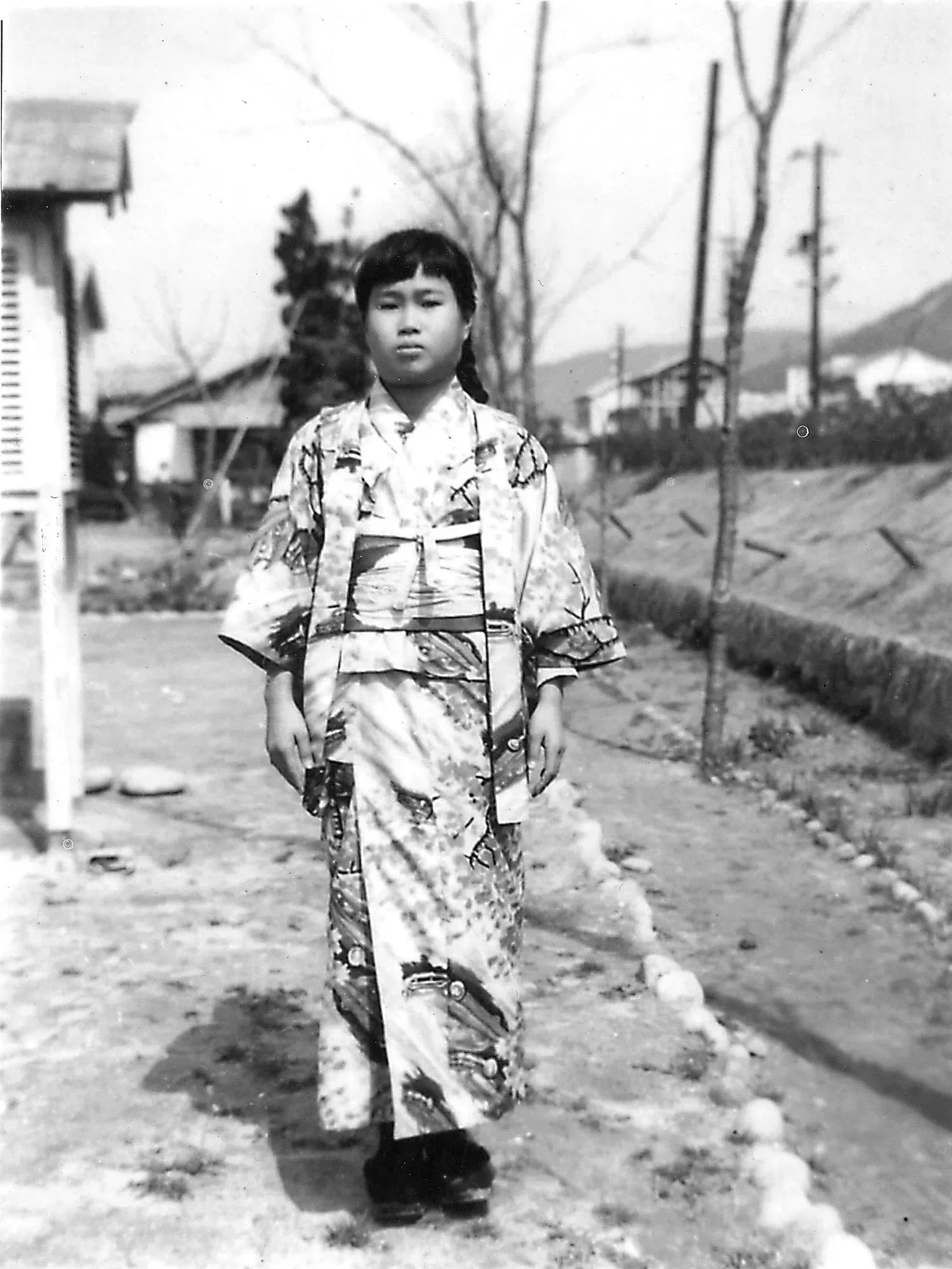
Sadako Sasaki (1943–1955) was Japan best known for Japanese origami artist.
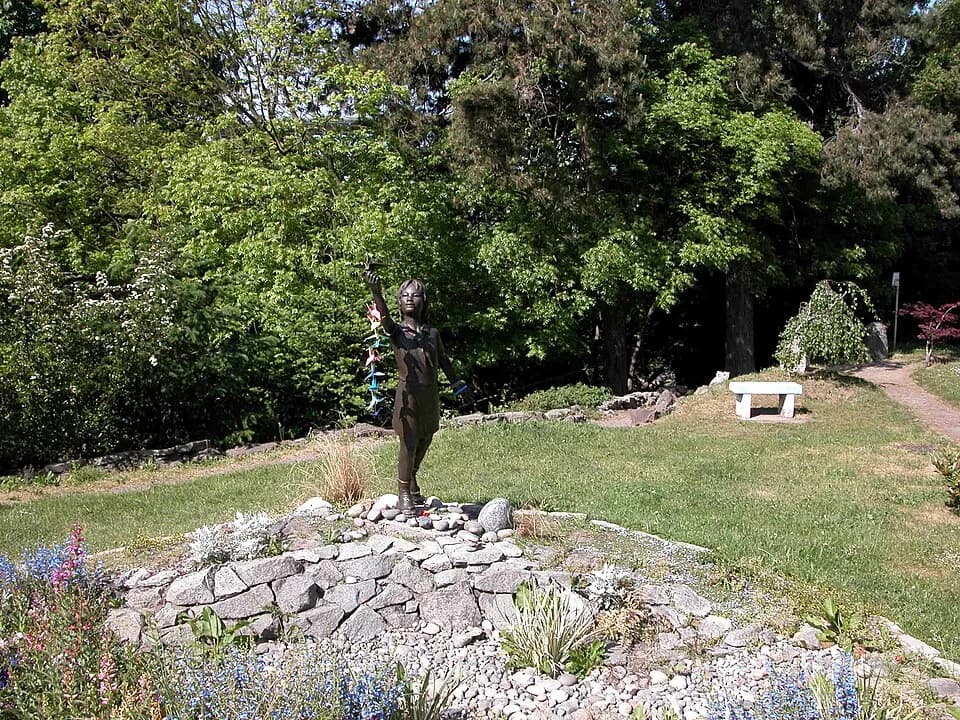
Sadako Sasaki (January 7, 1943 – October 25, 1955) was a schoolchild and Japanese origami artist from Hiroshima, Japan. She became a widely known hibakusha, remembered for folding over a thousand origami cranes before her death. Her story stands as a powerful symbol of resilience and hope.
Egy élet pillanatokban
A pillanatok, amelyek egy életet alakítottak
0. fejezet
Élet fejezetei
1. fejezet · 1943· 1. fejezet a(z) 7-ből
Early Life and Origins
Sadako Sasaki was born in Hiroshima, Japan, on January 7, 1943. Her early years were spent in a city that, just over two years later, would experience an unimaginable catastrophe. When the atomic bomb was dropped by the United States on Hiroshima, Sadako was a toddler, merely two years of age, living with her family.
She was severely irradiated during this horrific event, a consequence that would affect her future. Despite the immediate devastation, Sadako survived the bombing itself. She grew up as a typical Japanese schoolchild, engaging in daily activities and developing interests, including her love for origami.
2. fejezet· 2. fejezet a(z) 7-ből
Career Beginnings
While Sadako Sasaki's life did not unfold into a traditional professional career, her "profession" as a schoolchild was central to her identity. It was during her time as a schoolchild that her artistic inclination for origami began to develop. This skill, initially a simple childhood pastime, would later become deeply intertwined with her personal struggle and her enduring legacy.
3. fejezet· 3. fejezet a(z) 7-ből
Major Achievements and Career Highlights
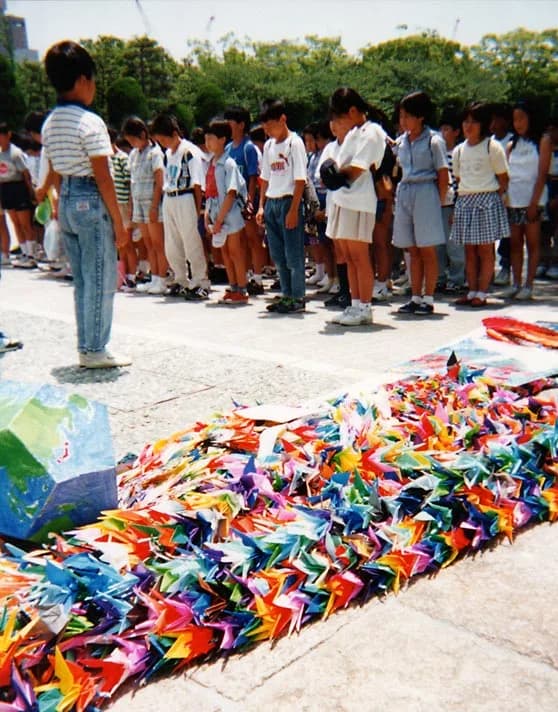
Sadako Sasaki's most profound achievement was not in a traditional sense of career milestones but in her personal act of hope: the folding of more than one thousand origami cranes. Diagnosed with leukemia, a severe radiation-induced illness, she began folding paper cranes in the hospital, inspired by the Japanese legend that grants a wish to anyone who folds a thousand cranes. She held onto the hope of recovery through this diligent artistic endeavor.
Her determination to complete these cranes, even as her health deteriorated, drew the attention of many around her. This act transformed her into one of the most widely known hibakusha, a term used for the survivors of the atomic bombings in Japan. Sadako's quiet courage in the face of suffering cemented her place in history as a symbol of peace and perseverance.
4. fejezet· 4. fejezet a(z) 7-ből
Personal Life
Sadako's personal life revolved around her family and her experience as a schoolchild in post-war Hiroshima. Although specific details about her family relationships are not provided, it is clear she was cherished, and her struggle touched many. Her interests included being an origami artist, an activity that offered comfort and purpose during her illness.
Her childhood, while ordinary in many respects, was overshadowed by the long-term effects of the atomic bombing. Despite this, she lived her life with the simple joys and routines of a young girl, attending school and pursuing hobbies like any other child of her age.
5. fejezet· 5. fejezet a(z) 7-ből
Notable Works or Contributions
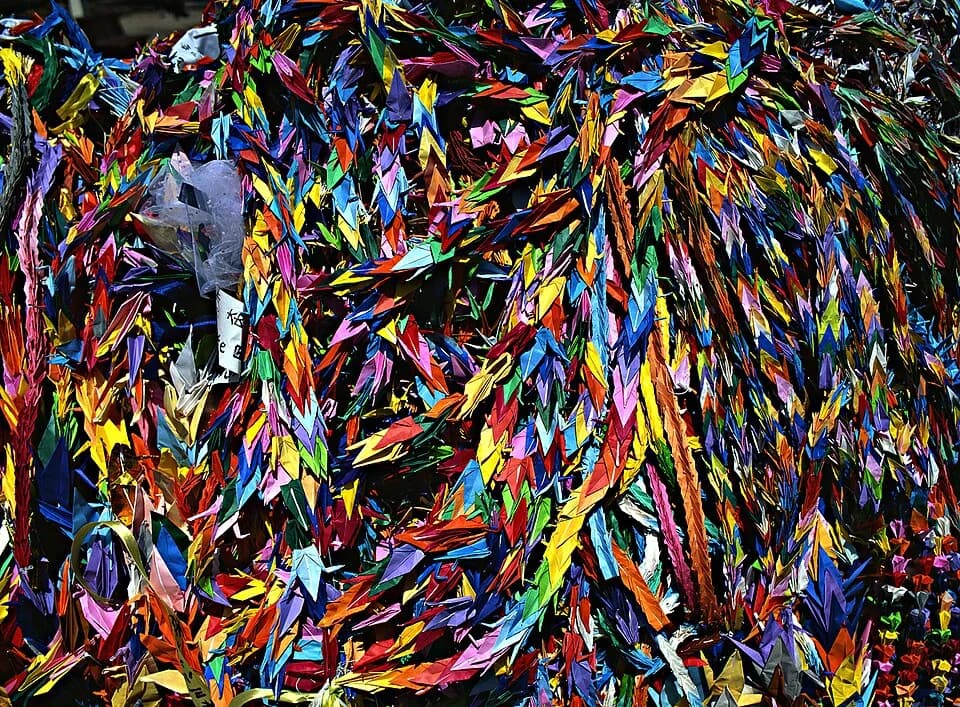
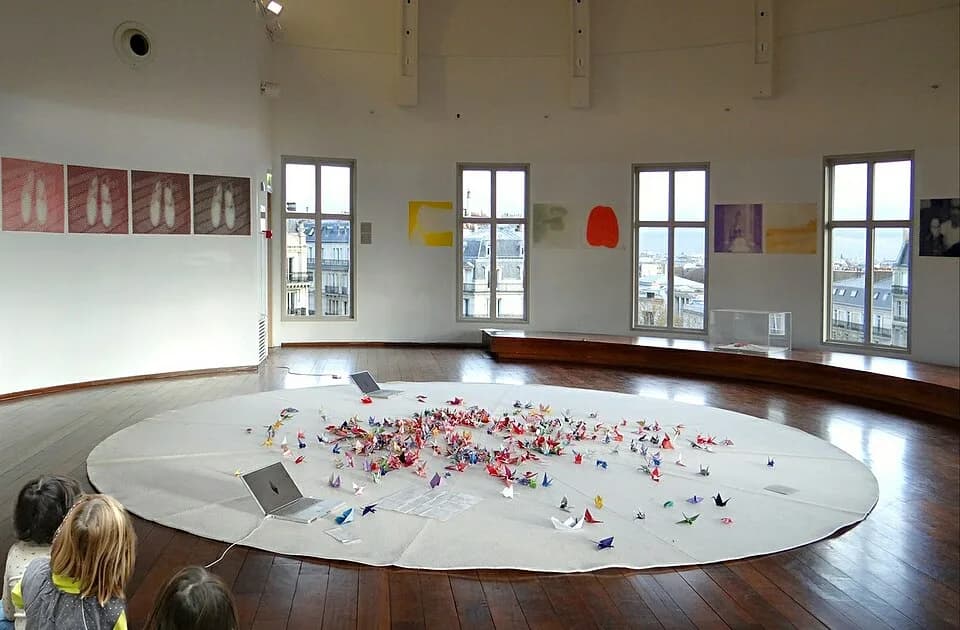
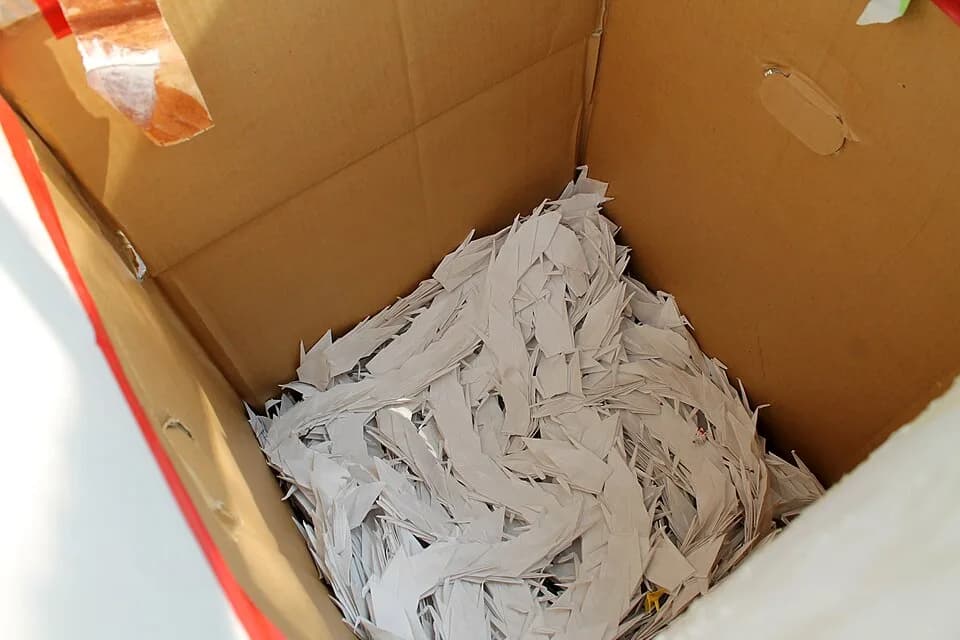
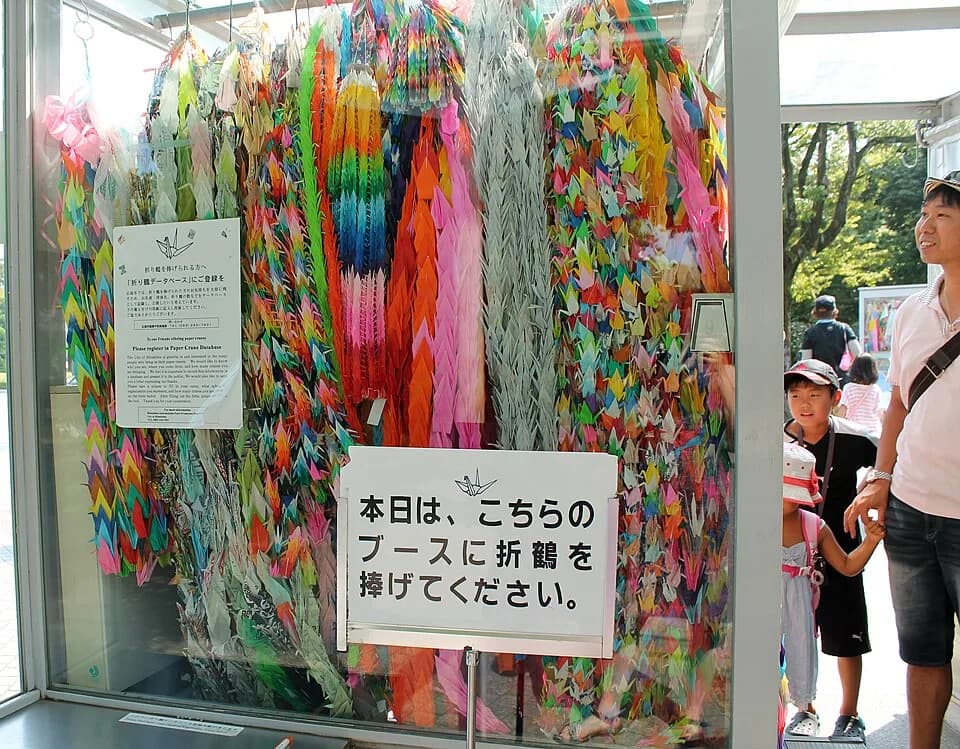
Sadako Sasaki's most notable contribution to the world is the collection of more than one thousand origami cranes she folded. These meticulously crafted paper birds became a tangible representation of her desire for life and peace. They are not merely artistic creations; they strongly convey her spirit and a universal symbol adopted by peace movements worldwide.
These cranes serve as a reminder of the devastating consequences of nuclear warfare and the innocent lives affected. Her simple yet profound act transformed a childhood pastime into a global call for peace, transcending language and cultural barriers.
6. fejezet· 6. fejezet a(z) 7-ből
Later Years
Sadako Sasaki's later years were marked by her brave battle against the illness that resulted from the atomic bombing. She survived for ten years after the bombs were dropped, living a relatively normal childhood until her health began to decline. It was during these final years, specifically while hospitalized, that she dedicated herself to folding the paper cranes.
She passed away at the age of 12 on October 25, 1955. Her death occurred at the Hiroshima Red Cross Hospital & Atomic Bomb Survivors Hospital in Japan, the very city where her life began and where she endured such a profound tragedy. Her passing brought her story to the attention of many, ensuring her legacy would continue.
7. fejezet· 7. fejezet a(z) 7-ből
Legacy and Impact
The story of Sadako Sasaki and her one thousand paper cranes has had a significant and lasting impact across the globe. She is remembered not just as a victim, but as a symbol of hope, peace, and the resilience of the human spirit. Her life story is taught in schools and shared in countless books and artistic renditions, inspiring generations to work towards a world free from nuclear weapons and conflict.
Her legacy extends beyond a simple narrative; it has galvanized children and adults alike to engage in peace initiatives. Sadako's cranes continue to fly as a testament to her enduring message of hope for a peaceful world, reminding us of the human cost of war and the unwavering desire for harmony.
GYIK
Gyakran kérdezett
Mikor halt meg Sadako Sasaki?
Sadako Sasaki 1955. október 25. Hiroshima Red Cross Hospital & Atomic Bomb Survivors Hospital, Japan-ban halt meg, 12 éves korában.
Hol született Sadako Sasaki?
Sadako Sasaki Hiroshima, Japan-ban született, 1943. január 7..
Miről ismert leginkább Sadako Sasaki?
Sadako Sasaki leginkább arról ismert, hogy Japanese origami artist.
Hány éves volt Sadako Sasaki, amikor meghalt?
Sadako Sasaki 12 éves volt halálakor.
Milyen nemzetiségű volt Sadako Sasaki?
Sadako Sasaki Japan származású volt.
Idővonal
Élet egy pillantásra
Fotógaléria
Egy élet képekben
Kattintson bármely polaroidra a kibontáshoz · 15 fénykép
QR-kód
Életrajz megosztása
Nyomtatás és megosztás
Olvassa be az életrajz oldalának megnyitásához. Nyomtassa ki rendezvényekre, kiállításokra vagy oktatási anyagokhoz.