Született
November 27, 1932
Concepcion, Philippines
Elhunyt
August 21, 1983
Ninoy Aquino International Airport, Philippines
Ismert mint
Filipino senator and governor of Tarlac
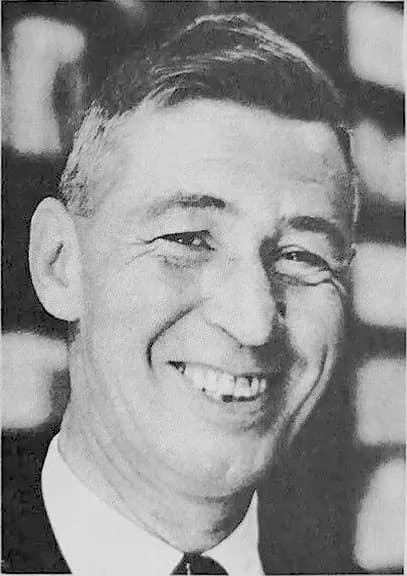
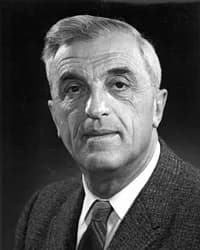
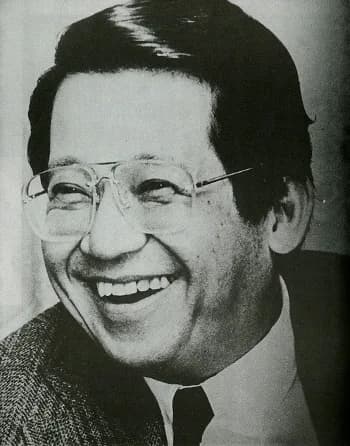
Ninoy Aquino (1932–1983) was Philippines best known for Filipino senator and governor of Tarlac.
Benigno Simeón "Ninoy" Aquino Jr. (November 27, 1932 – August 21, 1983) was a Filipino politician and journalist from Concepcion, Philippines. He served as a senator and governor, becoming a key opposition leader against President Ferdinand Marcos. His assassination catalyzed the restoration of democracy in the Philippines.
Egy élet pillanatokban
A pillanatok, amelyek egy életet alakítottak
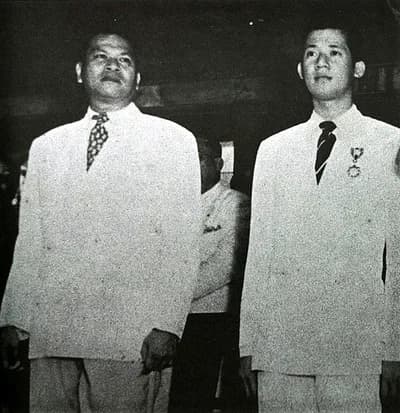
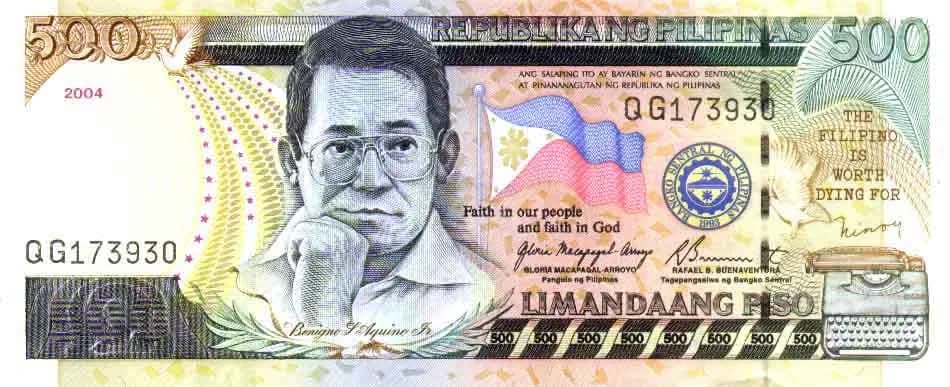
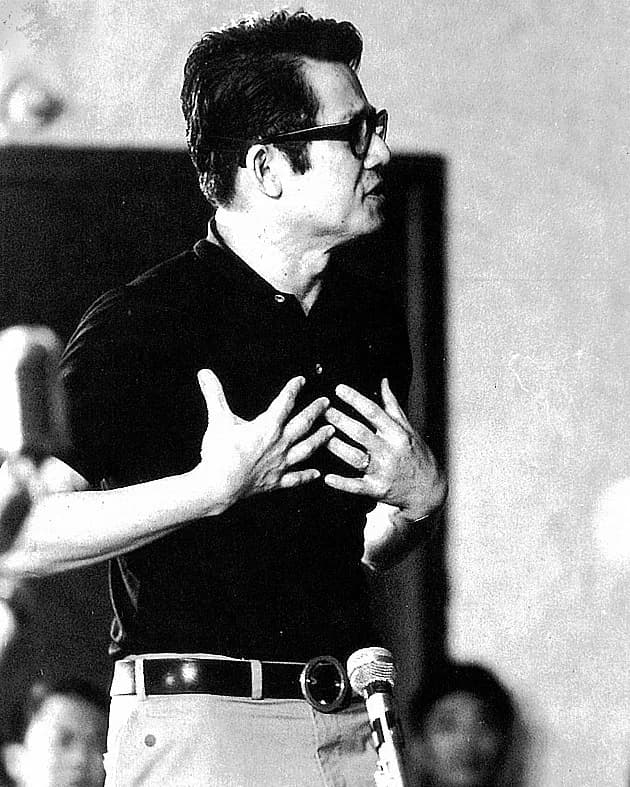
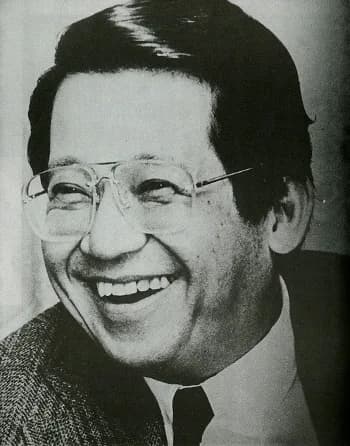
0. fejezet
Élet fejezetei
1. fejezet · 1932· 1. fejezet a(z) 8-ből
Remembering Ninoy Aquino: A Champion for Philippine Democracy
Benigno Simeón "Ninoy" Aquino Jr. (1932–1983) was a distinguished Filipino politician and journalist whose life and ultimate sacrifice profoundly influenced the course of Philippine history. Born in Concepcion, Philippines, his commitment to public service led him through a career marked by significant political roles and a strong voice for opposition during a critical era. His legacy continues to resonate, not only through his own enduring impact but also through his family, notably his wife, Corazon Aquino, and son, Benigno Aquino III, both of whom later served as presidents of the Philippines.
2. fejezet · 1932· 2. fejezet a(z) 8-ből
Early Life and Origins
Born on November 27, 1932, in Concepcion, Philippines, Benigno Simeón Aquino Jr. was rooted deeply in the nation he would later serve with such fervor. His early life unfolded within the Philippines, shaping his perspective and fostering a connection to the experiences of his fellow citizens. This upbringing provided the foundation for his later dedication to public life and democratic principles.
3. fejezet· 3. fejezet a(z) 8-ből
Career Beginnings
Ninoy Aquino commenced his public career as a journalist, a profession that undoubtedly honed his communication skills and deep understanding of national issues. This early experience in journalism equipped him with a keen analytical mind and a strong voice, qualities that would prove invaluable in his transition to the political arena. His ability to articulate complex ideas and connect with the public was a hallmark of his approach to governance and advocacy.
4. fejezet · 1963· 4. fejezet a(z) 8-ből
Major Achievements and Career Highlights
Aquino quickly rose through the political ranks, demonstrating a clear aptitude for leadership and public service. He served with distinction as the governor of the province of Tarlac from 1963 to 1967. During his tenure, he focused on local governance, working to address the needs and aspirations of the people in his home province, establishing a reputation for effective administration and genuine concern for his constituents.
His political career further ascended when he was elected as a senator of the Philippines, serving from 1967 to 1972. In the Senate, Aquino became a prominent national figure, engaging in robust debates and legislative work that impacted the entire nation. His time in the Senate was characterized by his dedication to democratic institutions and his unwavering commitment to the welfare of the Filipino people.
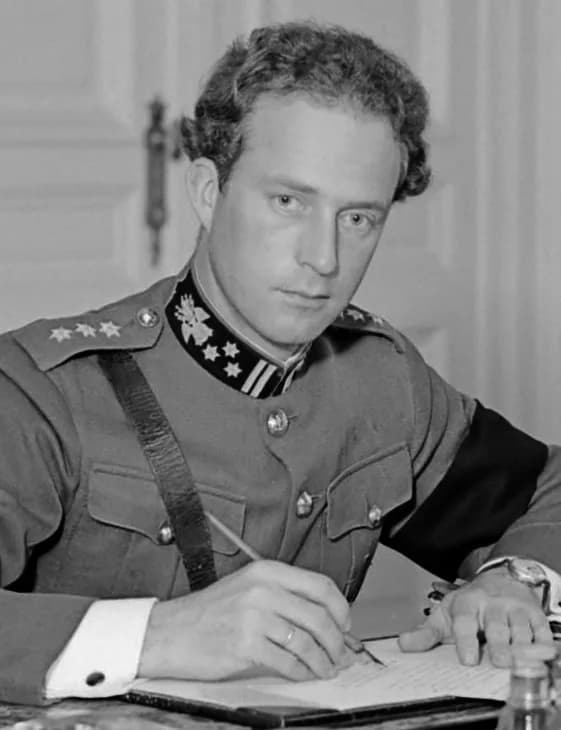
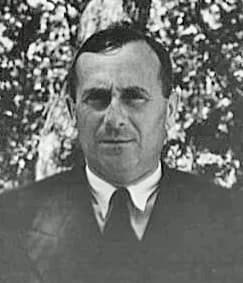
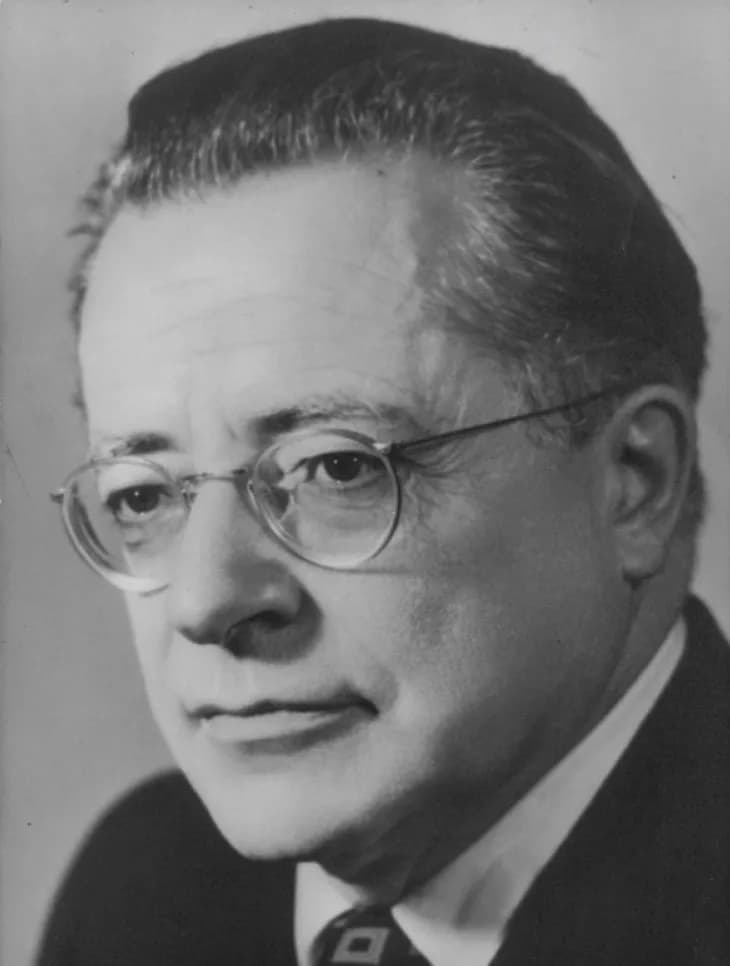
As a leading figure within the Liberal Party-based coalition, Aquino played a central role in the opposition against then-President Ferdinand Marcos. He stood alongside other significant leaders like Gerry Roxas and Jovito R. Salonga, forming a formidable front dedicated to upholding democratic values. His passionate advocacy made him a critical voice challenging authoritarian tendencies and fighting for political freedoms.
Ninoy Aquino distinguished himself as a significant emotional leader within the opposition movement. His ability to inspire and rally the populace was instrumental in galvanizing support for democratic reforms. He complemented the intellectual leadership provided by Senator Jose W. Diokno, together forming a powerful and comprehensive challenge to the existing political establishment.
5. fejezet· 5. fejezet a(z) 8-ből
Personal Life
Beyond his extensive political and journalistic career, Ninoy Aquino's personal life was closely intertwined with the nation's destiny. He was married to Corazon Aquino, a woman who would herself ascend to the presidency of the Philippines following his tragic death. Their partnership was a beacon of hope for many Filipinos, symbolizing resilience and the pursuit of justice.
Aquino was also the proud father of Benigno Aquino III, who would later follow in his mother's footsteps to become the 15th president of the Philippines. This remarkable family legacy underscores Ninoy's profound influence and the enduring commitment of the Aquino family to public service and democratic governance in the Philippines, a testament to his own ideals and sacrifices.
6. fejezet· 6. fejezet a(z) 8-ből
Notable Works or Contributions
Among his documented contributions, Ninoy Aquino is associated with a work titled "The Ninoy Aquino phenomenon." This title suggests an examination of his impact, his political ideology, or the profound societal changes he represented. It highlights his stature not merely as a politician but as a figure whose life and actions created a significant public phenomenon, deeply influencing political discourse and national consciousness.
7. fejezet · 1983· 7. fejezet a(z) 8-ből
Later Years
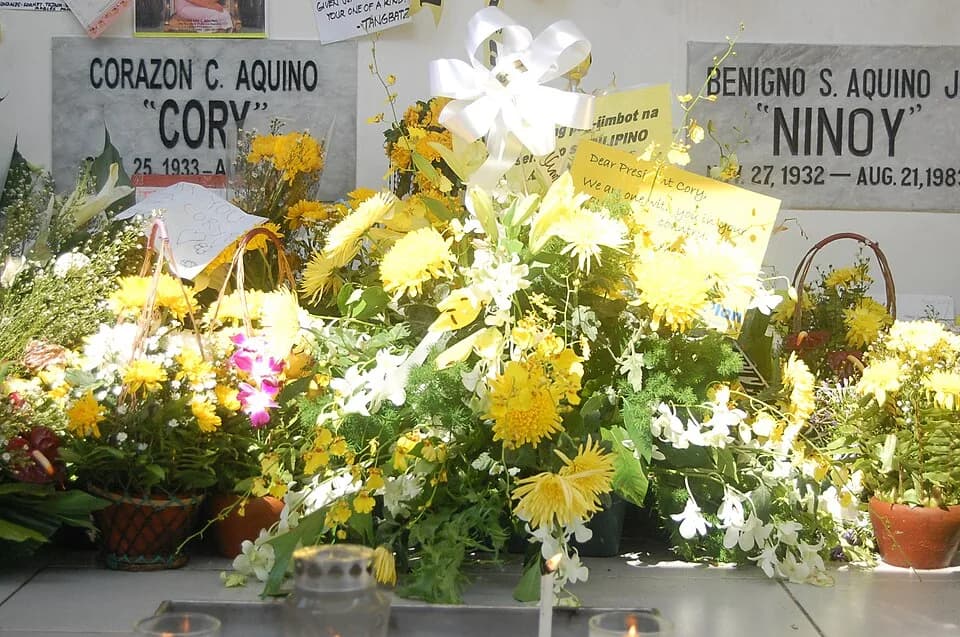
Ninoy Aquino's life was tragically cut short on August 21, 1983. He was assassinated upon his return to the Philippines at what is now known as Ninoy Aquino International Airport. His death at this critical juncture became a defining moment for the nation, igniting widespread protests and galvanizing the fragmented opposition against the Marcos regime. His final act of courage, returning to his homeland despite clear dangers, cemented his image as a martyr for democracy.
8. fejezet· 8. fejezet a(z) 8-ből
Legacy and Impact
The assassination of Ninoy Aquino served as a catalyst for a pivotal moment in Philippine history. It galvanized a deeply divided nation, leading to a surge in public demand for political change and the restoration of democratic freedoms. The outrage and sorrow over his death propelled the movement that ultimately led to the People Power Revolution.
His passing directly led to his widow, Corazon Aquino, stepping onto the political stage and eventually becoming the 11th president of the Philippines. Her leadership symbolized the triumph of democracy over authoritarian rule, a victory directly stemming from the sacrifice and unwavering principles espoused by her husband. This transition marked a profound shift for the country.
The family's legacy of public service continued with his son, Benigno Aquino III, who also served as the 15th president of the Philippines. The continuous presence of the Aquino name in the highest office reflects the lasting impact of Ninoy's vision and the deep respect the Filipino people hold for his commitment to democracy and freedom.
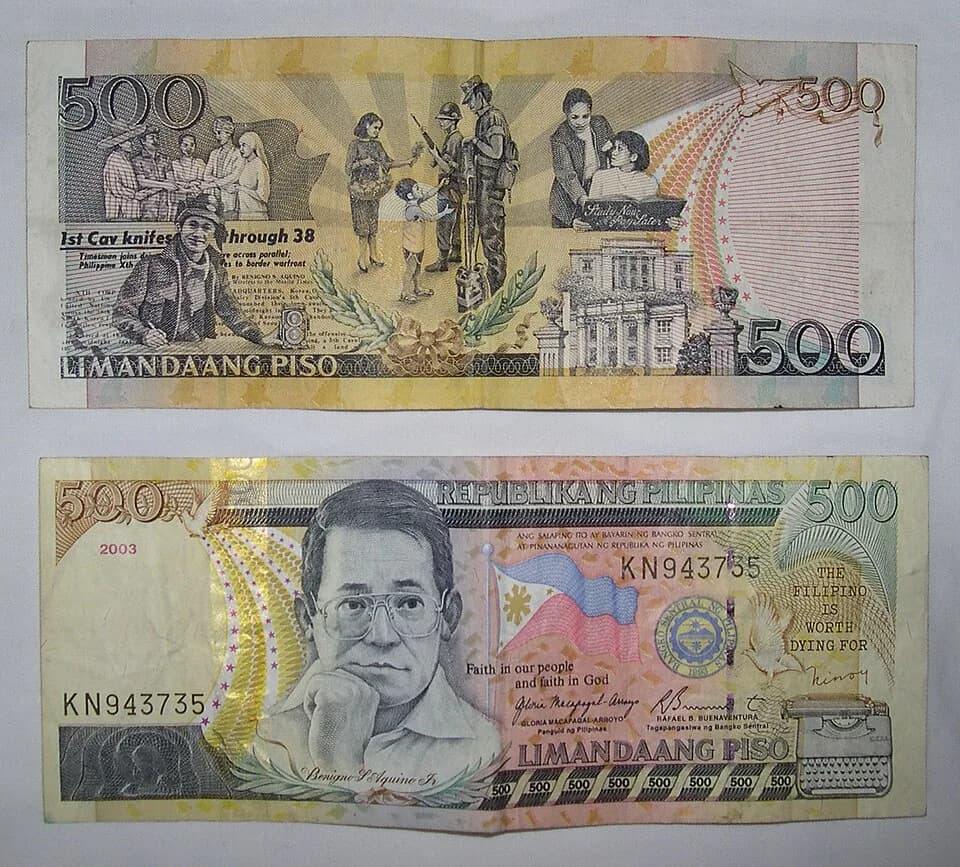
Today, Ninoy Aquino is remembered as a courageous leader who stood firm in his convictions, even in the face of immense personal risk. His contributions as a journalist and politician, particularly his role as an emotional leader of the opposition against Ferdinand Marcos, remain a cornerstone of modern Philippine political history. His name is honored by the Ninoy Aquino International Airport, a constant reminder of his ultimate sacrifice for his country's freedom and democracy.
GYIK
Gyakran kérdezett
Mikor halt meg Ninoy Aquino?
Ninoy Aquino 1983. augusztus 21. Ninoy Aquino International Airport, Philippines-ban halt meg, 50 éves korában.
Hol született Ninoy Aquino?
Ninoy Aquino Concepcion, Philippines-ban született, 1932. november 27..
Miről ismert leginkább Ninoy Aquino?
Ninoy Aquino leginkább arról ismert, hogy Filipino senator and governor of Tarlac.
Hány éves volt Ninoy Aquino, amikor meghalt?
Ninoy Aquino 50 éves volt halálakor.
Milyen nemzetiségű volt Ninoy Aquino?
Ninoy Aquino Philippines származású volt.
Idővonal
Élet egy pillantásra
Fotógaléria
Egy élet képekben
Kattintson bármely polaroidra a kibontáshoz · 21 fénykép
QR-kód
Életrajz megosztása
Nyomtatás és megosztás
Olvassa be az életrajz oldalának megnyitásához. Nyomtassa ki rendezvényekre, kiállításokra vagy oktatási anyagokhoz.