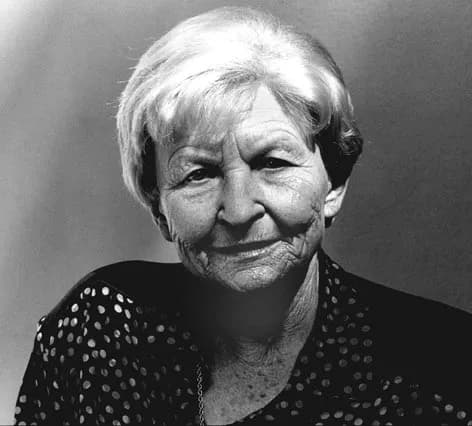
Született
January 23, 1921
Vilnius, Lithuania
Elhunyt
February 2, 1994
Los Angeles, United States
Ismert mint
Lithuanian-American archaeologist
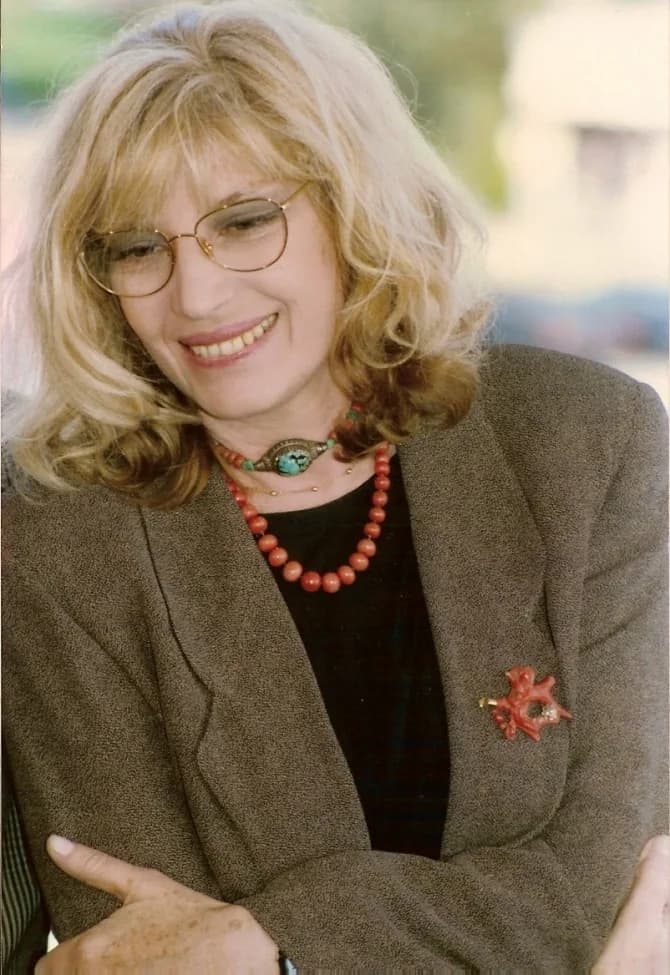
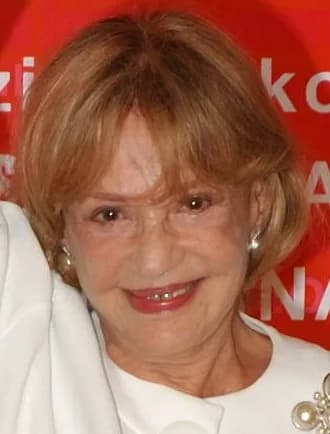
Marija Gimbutas (1921–1994) was Lithuania best known for Lithuanian-American archaeologist.
Marija Gimbutas (January 23, 1921 – February 2, 1994) was a Lithuanian-American archaeologist and anthropologist. She was renowned for her research into Neolithic and Bronze Age cultures of "Old Europe" and her Kurgan hypothesis. Her work significantly influenced the study of early European prehistory.
Egy élet pillanatokban
A pillanatok, amelyek egy életet alakítottak
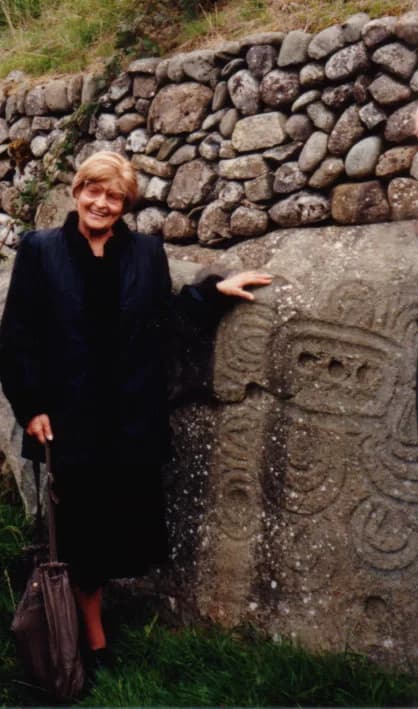
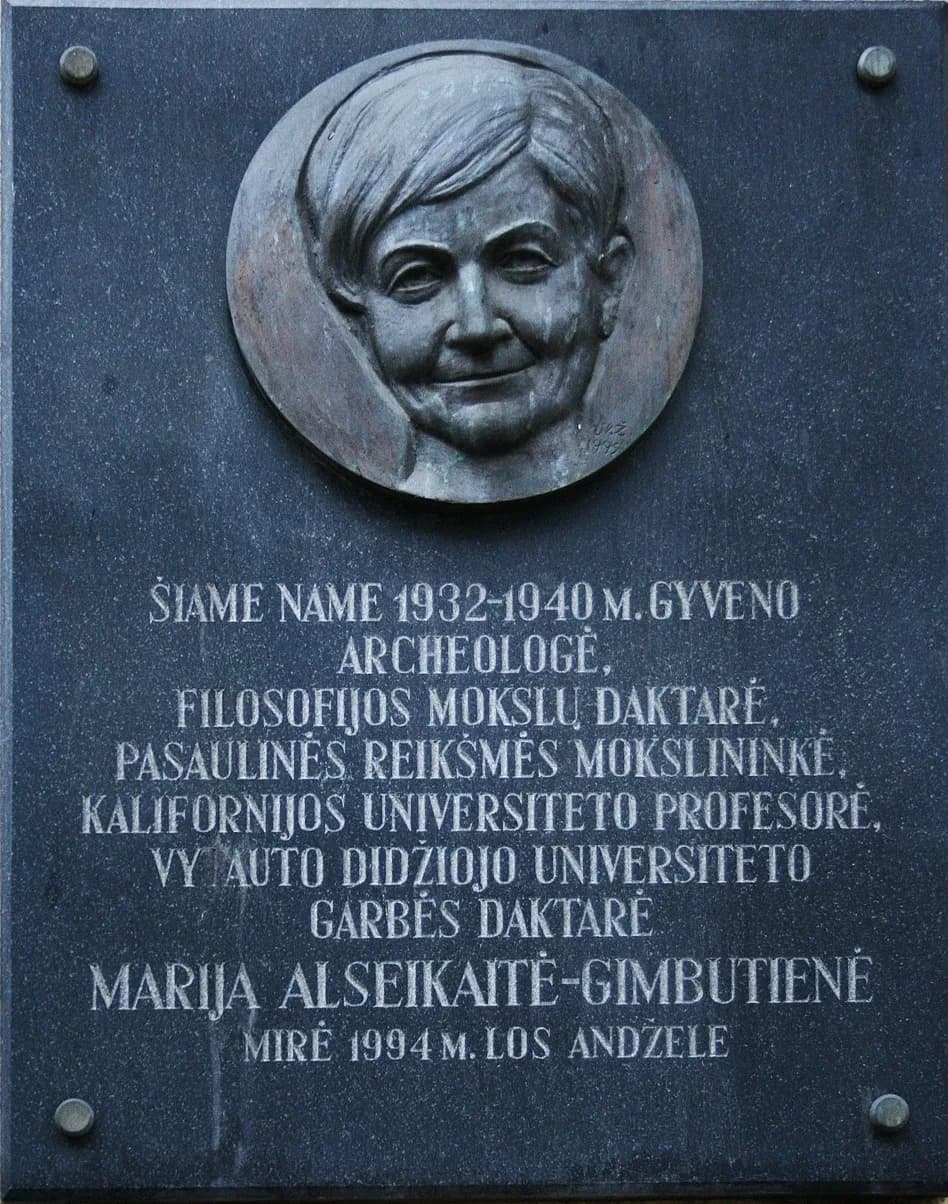
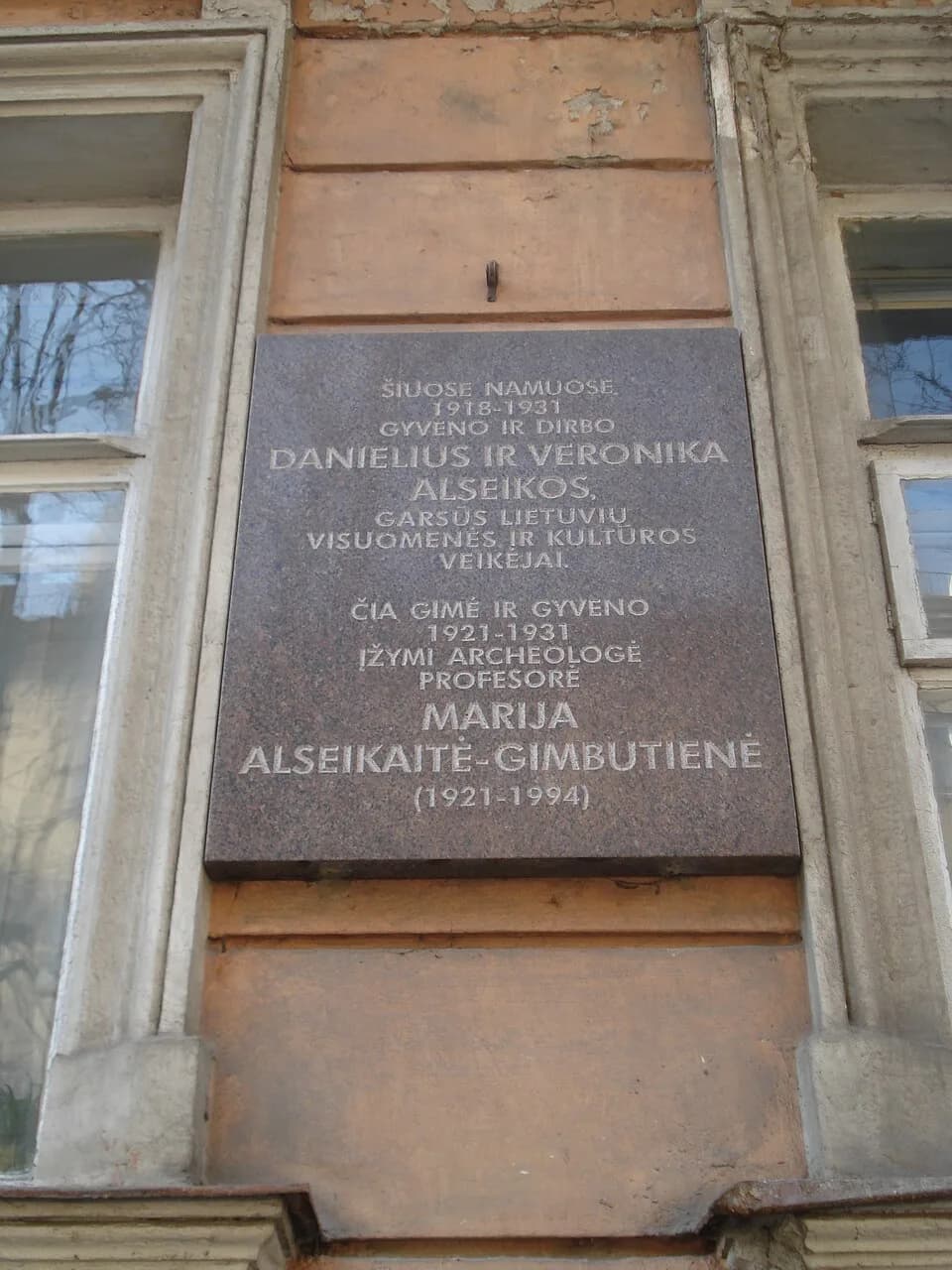
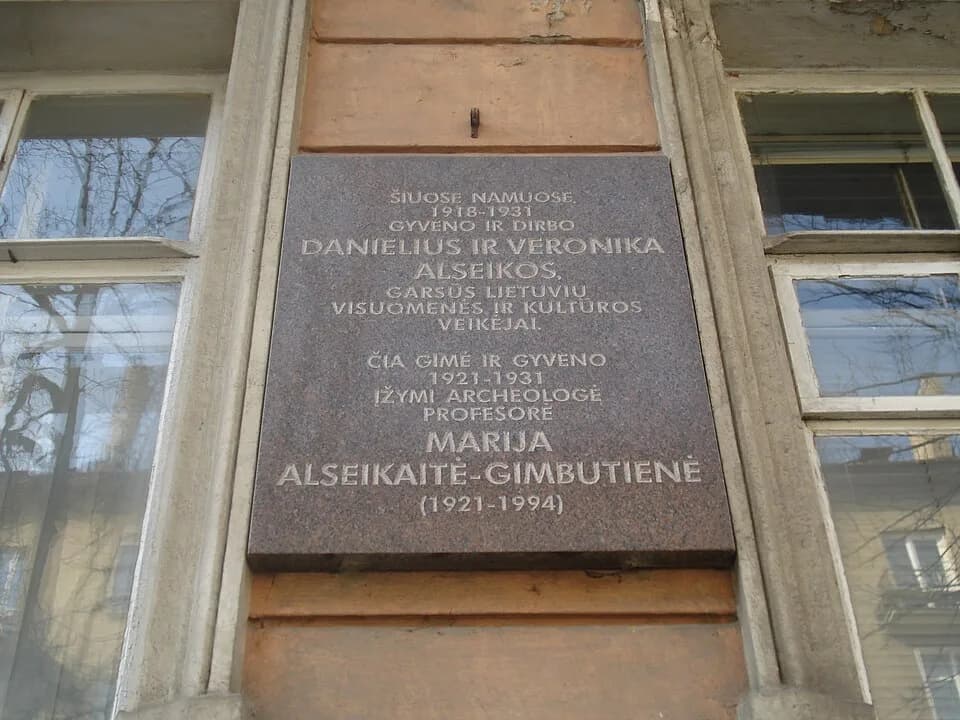
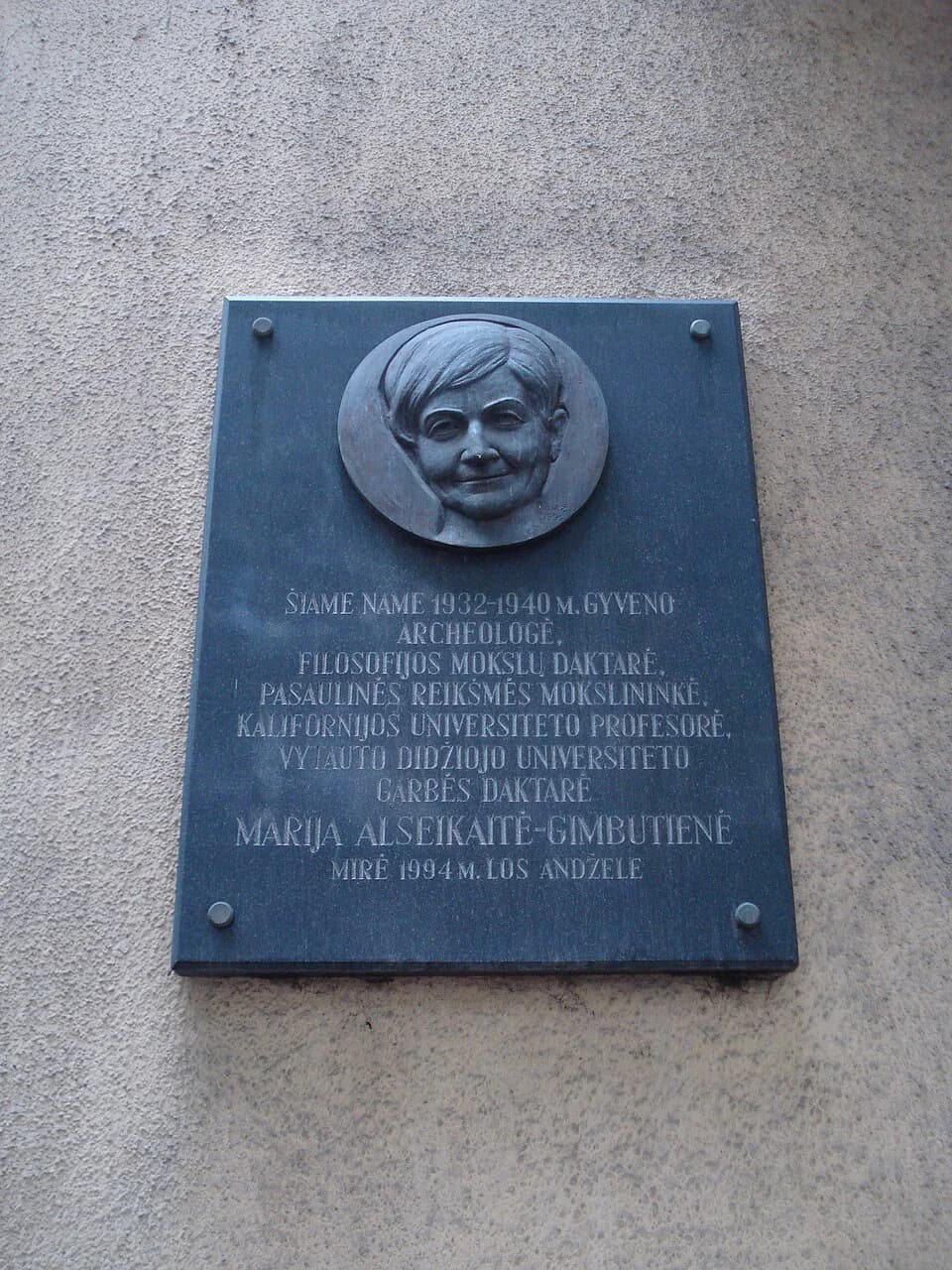
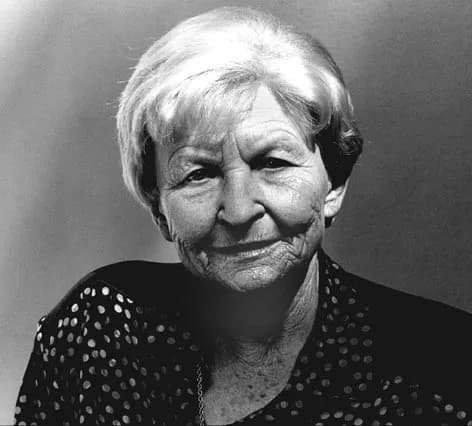
0. fejezet
Élet fejezetei
1. fejezet · 1921· 1. fejezet a(z) 6-ből
Opening: A Scholar's Enduring Legacy
Marija Gimbutas (January 23, 1921 – February 2, 1994) was a distinguished Lithuanian-American archaeologist, historian, ethnologist, anthropologist, prehistorian, and university teacher whose groundbreaking research profoundly reshaped our understanding of early European cultures. She is widely celebrated for her extensive work on the Neolithic and Bronze Age civilizations of what she termed "Old Europe," as well as for her influential Kurgan hypothesis. Her contributions continue to inspire and inform archaeological and linguistic studies globally.
Born in Vilnius, Lithuania, Gimbutas brought a rich cultural and academic background to her prolific career in the United States. Her intellectual curiosity and rigorous methodology allowed her to synthesize vast amounts of archaeological data, challenging existing paradigms and proposing innovative new frameworks for interpreting ancient history. She dedicated her life to uncovering the complexities of prehistoric societies, leaving behind a legacy of profound scholarship.
2. fejezet · 1921· 2. fejezet a(z) 6-ből
Early Life and Academic Foundations
Marija Gimbutas began her life in Vilnius, Lithuania, on January 23, 1921, a pivotal period in the nation's history. Her early experiences in Europe undoubtedly influenced her profound interest in the continent's deep past and its diverse cultural heritage. This foundational period in Lithuania set the stage for her future academic pursuits and unique scholarly perspective.
As she progressed into her academic career, Gimbutas cultivated a wide array of expertise, becoming adept in multiple disciplines crucial for prehistoric studies. She was known not only as an archaeologist but also as a historian, ethnologist, university teacher, anthropologist, and prehistorian. This interdisciplinary approach allowed her to connect disparate fields of knowledge, creating a holistic view of ancient societies that few others achieved.
3. fejezet· 3. fejezet a(z) 6-ből
Defining Old Europe: Neolithic and Bronze Age Cultures
A central pillar of Marija Gimbutas's work was her comprehensive research into the Neolithic and Bronze Age cultures of what she eloquently designated "Old Europe." This term described a seemingly peaceful, matrifocal, and earth-centered civilization that flourished in Europe prior to the estimated arrival of Indo-European cultures. Her meticulous analysis of artifacts, settlements, and religious symbols across the region helped delineate this distinct cultural sphere.
Her work highlighted a period characterized by advanced social structures, elaborate art, and sophisticated spiritual practices that she believed were overshadowed and eventually disrupted by later migrations. Gimbutas argued that these early European societies had a unique identity and development trajectory, challenging the prevailing narratives of linear cultural progression. Her detailed publications presented a compelling vision of these ancient communities.
4. fejezet· 4. fejezet a(z) 6-ből
The Kurgan Hypothesis and Proto-Indo-European Origins
Marija Gimbutas is perhaps most widely recognized for her formulation of the Kurgan hypothesis, a theory that fundamentally reshaped discussions about the origins and dispersal of the Proto-Indo-European languages. This bold hypothesis, first proposed in the mid-20th century, located the Proto-Indo-European homeland in the Pontic Steppe, a vast grassland region north of the Black Sea and Caspian Sea.
The Kurgan hypothesis posited that waves of migrations by "Kurgan culture" peoples, associated with distinctive burial mounds (kurgans), spread from this steppe region into Europe and parts of Asia, bringing with them the Proto-Indo-European language and elements of their social structure. This theory offered a comprehensive model for understanding how these languages became dominant across such a wide geographical area. It sparked extensive debate and remains a significant framework in historical linguistics and archaeology.
5. fejezet· 5. fejezet a(z) 6-ből
Notable Works and Scholarly Recognition
Throughout her career, Marija Gimbutas was a prolific scholar, with her academic contributions reflected in her impressive publication record, including an h-index of 5 across 10 papers. Her ability to synthesize complex data into coherent narratives made her works highly influential. These publications offered detailed analyses of various aspects of European prehistory, from rock art to burial practices.
Among her most frequently cited works were "Die felsbilder Europas" (The Rock Art of Europe), published in 1956, which garnered 15 citations, demonstrating early recognition of her insights into prehistoric art. Her 1962 work, "Die Altheimer Gruppe und das Jungneolithikum in Mitteleuropa" (The Altheim Group and the Young Neolithic in Central Europe), received 13 citations, showcasing her detailed regional studies. "Das Ende Alteuropas : der Eihnfall von Steppennonmaden aus Südrußland und die Indogermanisierung Mitteleuropas" (The End of Old Europe: The Influx of Steppe Nomads from Southern Russia and the Indogermanization of Central Europe), published in 1994, received 9 citations, a testament to her lifelong commitment to the Old Europe and Kurgan theories. Further contributions included "Die jungere vorromische Eisenzeit Gotlands. Funde, Chronologie, Formenkunde" (The Younger Pre-Roman Iron Age of Gotland. Finds, Chronology, Morphology) from 1958 with 5 citations, and "Die Bestattung in Litauen in der vorgeschichtlichen Zeit" (Burial in Lithuania in Prehistoric Times) from 1946, also with 5 citations. These titles reflect her diverse and deep engagement with European prehistory.
6. fejezet · 1994· 6. fejezet a(z) 6-ből
Later Years and Enduring Legacy
Marija Gimbutas passed away in Los Angeles, United States, on February 2, 1994, leaving behind a profound and lasting legacy. Her death marked the end of an era for many scholars, but her ideas continued to inspire new generations of archaeologists, anthropologists, and linguists. Her work pushed the boundaries of traditional archaeology, emphasizing cultural continuity, gender roles in prehistory, and the interpretative potential of symbolism.
Her detailed research on Old Europe and the Kurgan hypothesis continues to be debated, refined, and built upon by scholars worldwide. Marija Gimbutas's ability to synthesize vast archaeological findings with linguistic and mythological insights created a rich tapestry of prehistoric life. Her contributions remain essential for anyone seeking to understand the deep roots of European civilization and the complex processes of cultural change.
GYIK
Gyakran kérdezett
Mikor halt meg Marija Gimbutas?
Marija Gimbutas 1994. február 2. Los Angeles, United States-ban halt meg, 73 éves korában.
Hol született Marija Gimbutas?
Marija Gimbutas Vilnius, Lithuania-ban született, 1921. január 23..
Miről ismert leginkább Marija Gimbutas?
Marija Gimbutas leginkább arról ismert, hogy Lithuanian-American archaeologist.
Hány éves volt Marija Gimbutas, amikor meghalt?
Marija Gimbutas 73 éves volt halálakor.
Milyen nemzetiségű volt Marija Gimbutas?
Marija Gimbutas Lithuania származású volt.
Idővonal
Élet egy pillantásra
Fotógaléria
Egy élet képekben
Kattintson bármely polaroidra a kibontáshoz · 18 fénykép
QR-kód
Életrajz megosztása
Nyomtatás és megosztás
Olvassa be az életrajz oldalának megnyitásához. Nyomtassa ki rendezvényekre, kiállításokra vagy oktatási anyagokhoz.