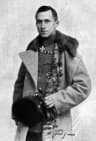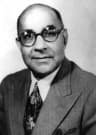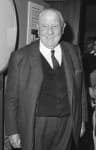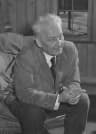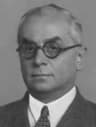
Született
May 12, 1895
Madanapalle, India
Elhunyt
February 17, 1986
Ojai, United States
Ismert mint
Indian spiritual philosopher, mystic, speaker and writer
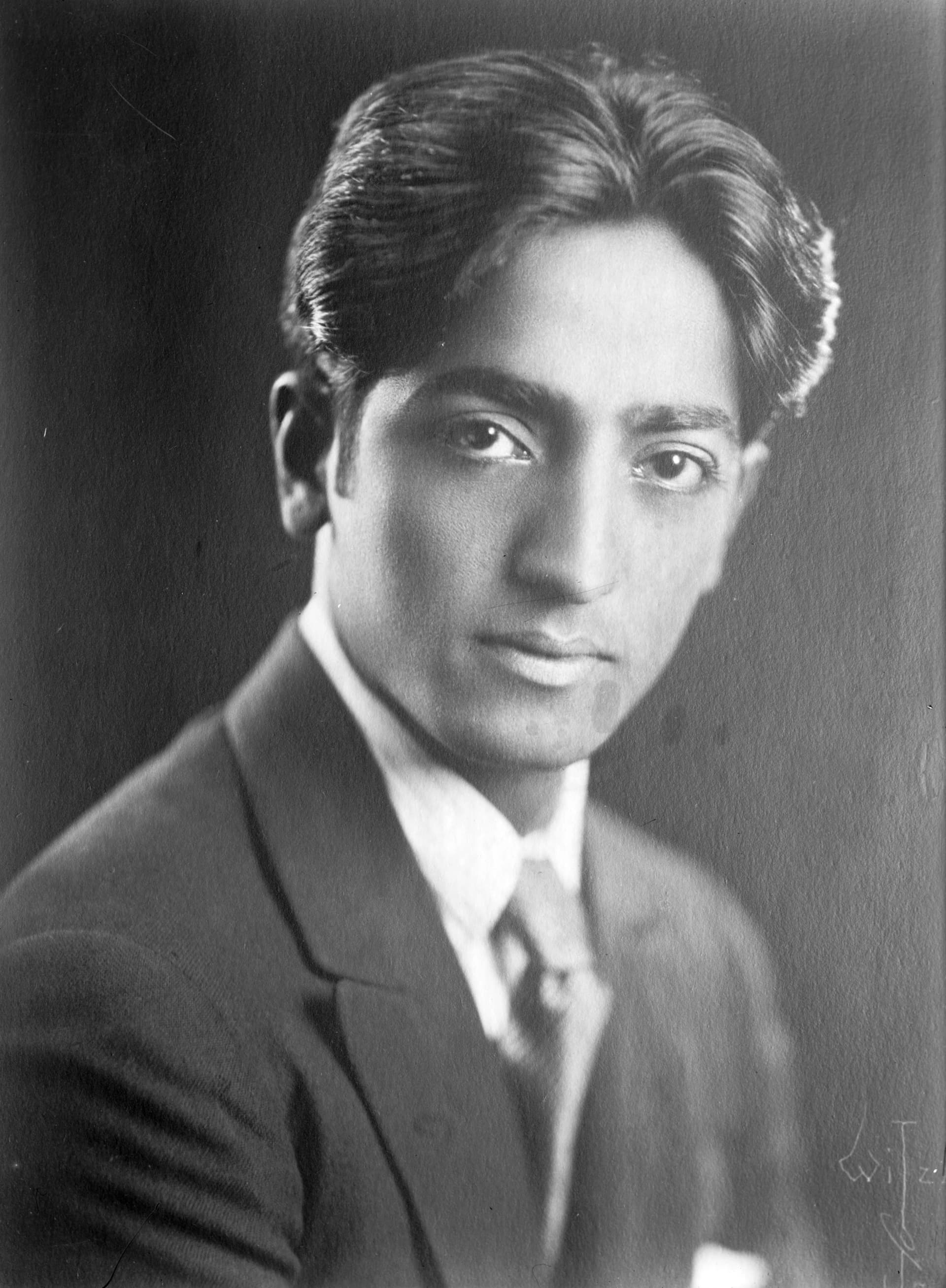
Jiddu Krishnamurti (1895–1986) was India best known for Indian spiritual philosopher, mystic, speaker and writer.
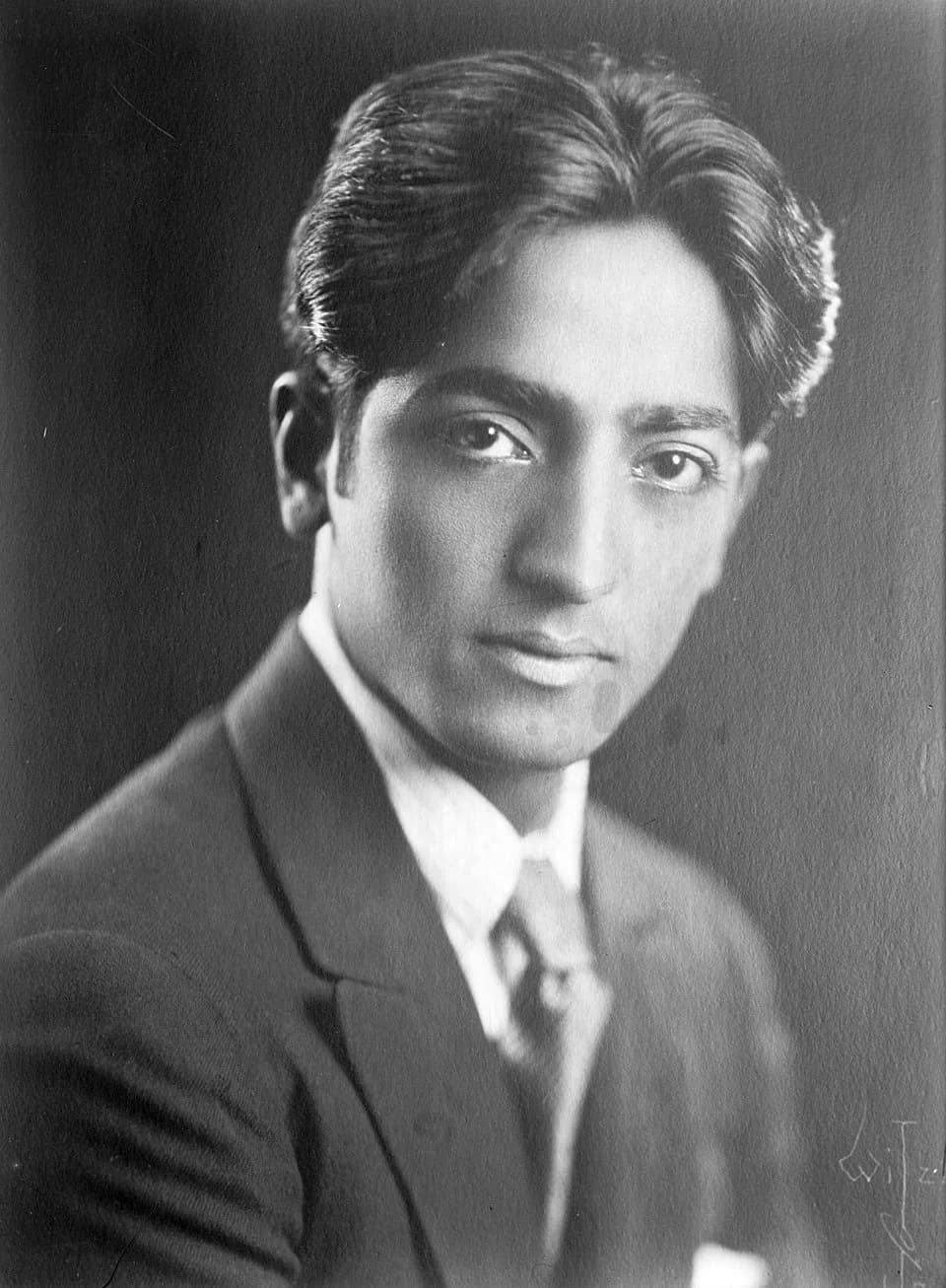
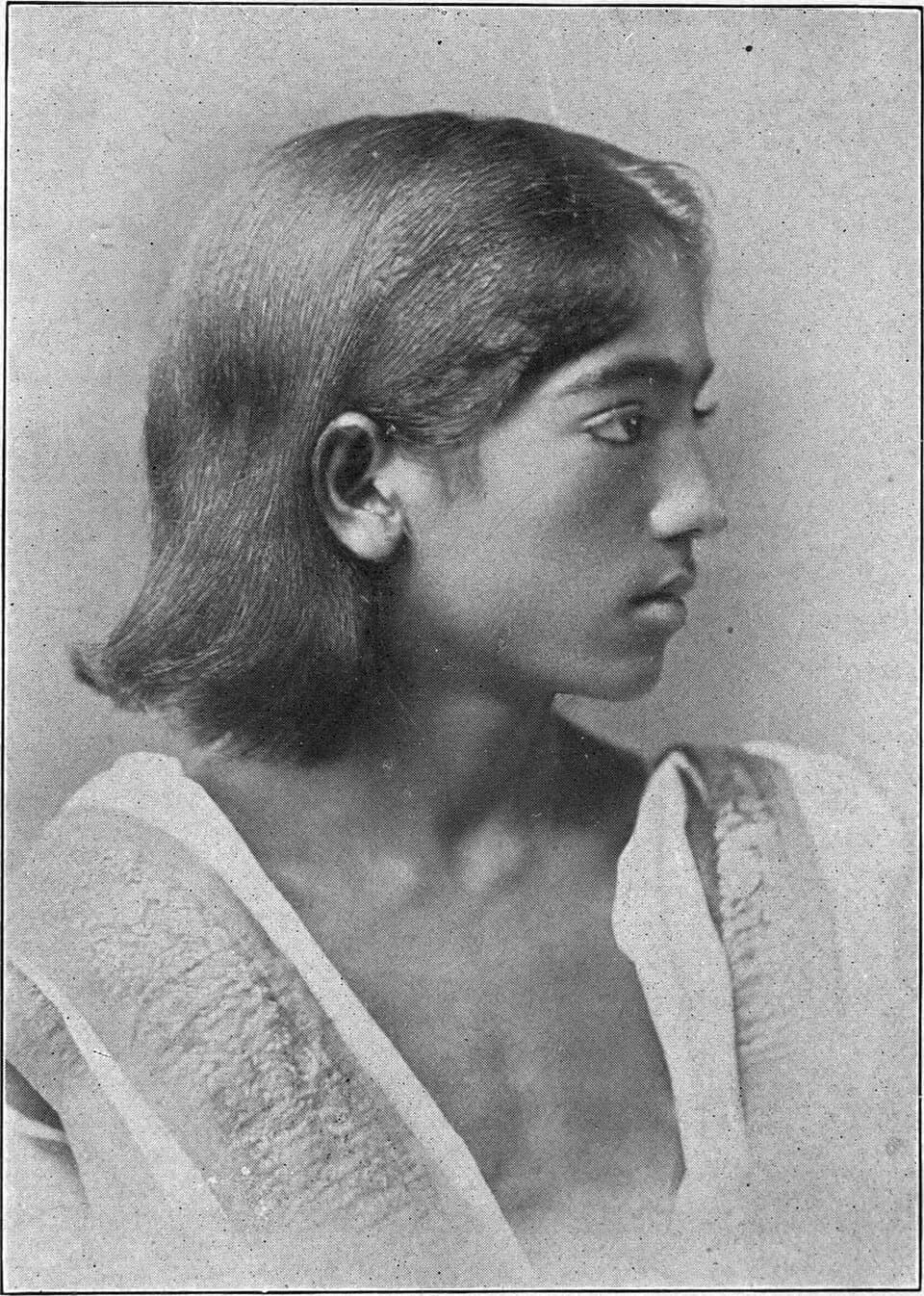
Jiddu Krishnamurti (May 12, 1895 – February 17, 1986) was an Indian spiritual philosopher, mystic, speaker, and writer. He famously broke from the Theosophical Society, rejecting the role of World Teacher to advocate for individual inquiry. Krishnamurti spent his life speaking globally, inspiring a radical transformation of mankind.
0. fejezet
Élet fejezetei
1. fejezet · 1895· 1. fejezet a(z) 7-ből
Early Life and Origins
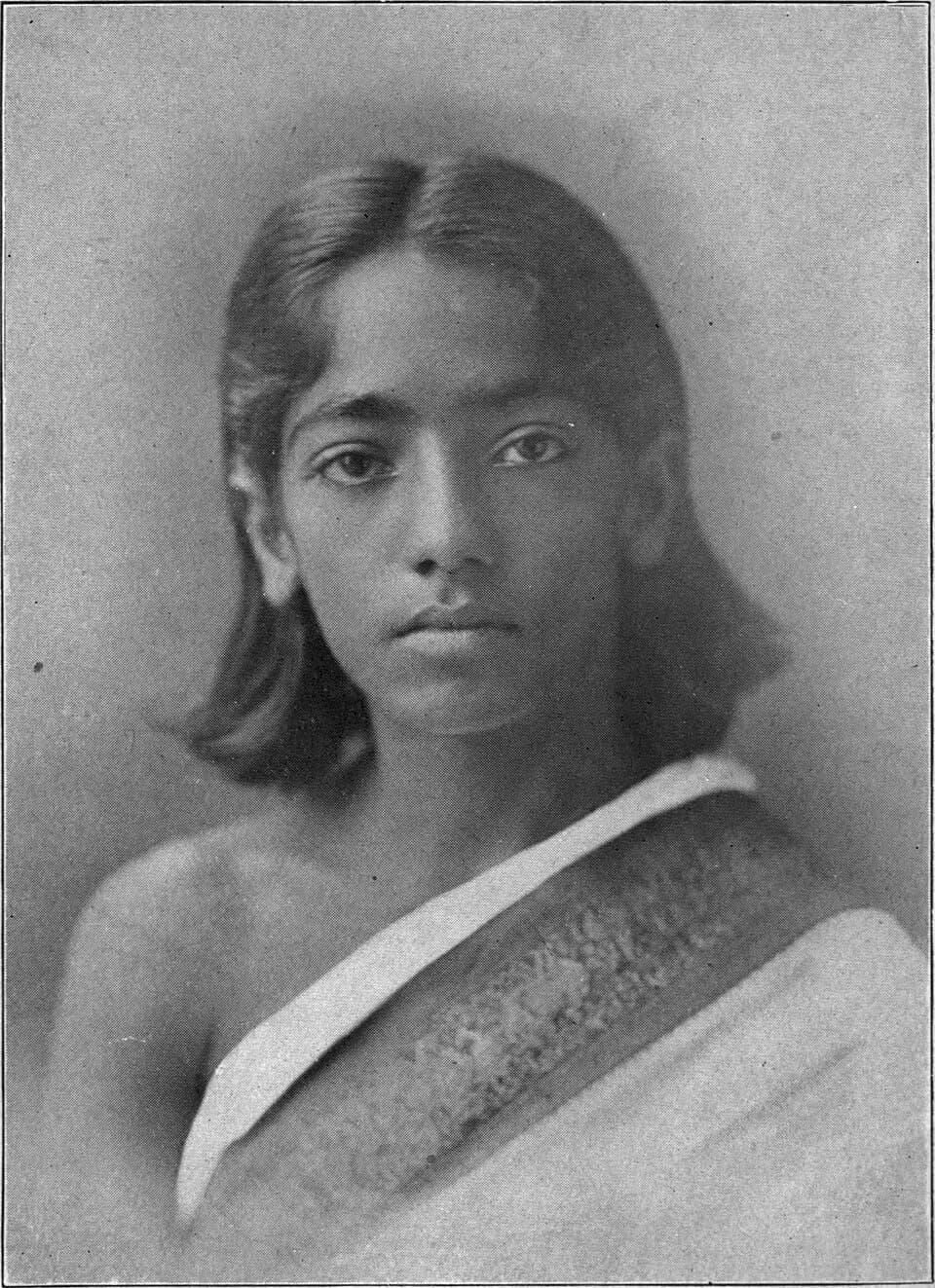
Jiddu Krishnamurti was born on May 12, 1895, in Madanapalle, India. As a child, he was adopted by prominent members of the Theosophical Society. He was subsequently raised and prepared by this society for a specific and significant role. The members believed he was destined to fill the mantle of the prophesied World Teacher.
This role was conceived as aiding humankind's spiritual evolution, guiding people toward a higher understanding. His early life was thus shaped by these expectations and the intense spiritual education provided by his guardians within the Theosophical movement. His upbringing instilled a deep familiarity with spiritual concepts, even as his later path diverged significantly.
2. fejezet· 2. fejezet a(z) 7-ből
Career Beginnings
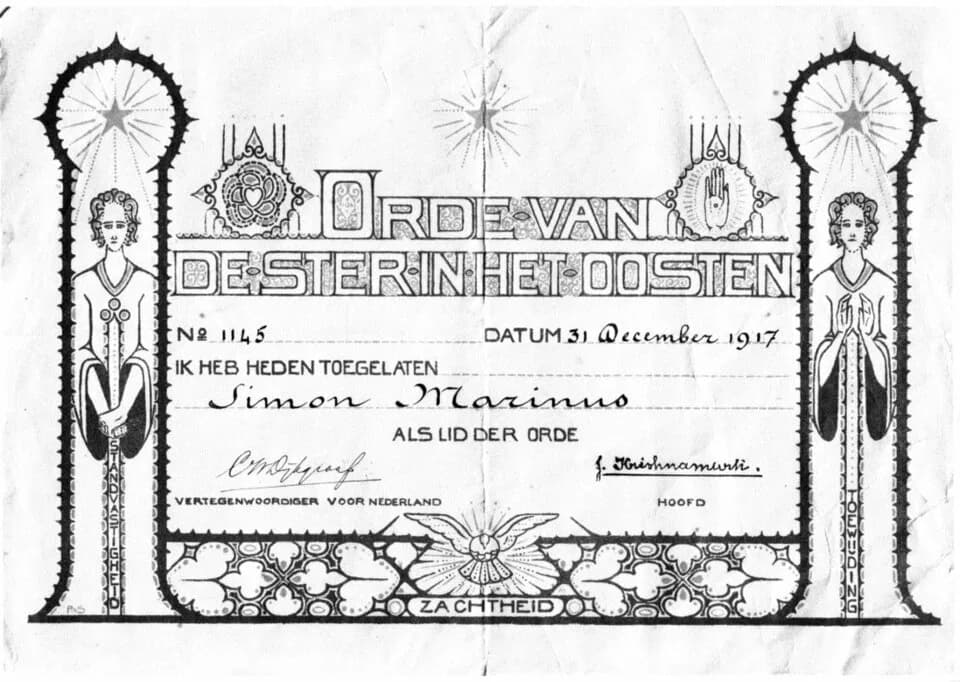
In preparation for his designated role, a significant organization was formed around Jiddu Krishnamurti: the Order of the Star in the East. This group was specifically created to support his supposed coming as the World Teacher, gathering followers and establishing a framework for his future teachings. Krishnamurti was positioned at the center of this burgeoning spiritual movement, poised to fulfill a profound prophecy.
However, a significant shift occurred in 1922 when he began to experience painful, seizure-like mystical episodes. These experiences were intensely personal and had a lasting impact, producing a fundamental change in his perception of reality. This period marked the beginning of a re-evaluation of his path and the role he was expected to play.
3. fejezet · 1929· 3. fejezet a(z) 7-ből
Major Achievements and Career Highlights
The defining moment in Jiddu Krishnamurti's life and career arrived in 1929. In a decisive move, he publicly broke from the Theosophy movement that had nurtured him since childhood. During this period, he also disbanded the Order of the Star in the East, a powerful organization that had been established around him for decades.
His reasoning was clear: truth could not be organized, and he rejected the idea of any external authority, including himself, as a spiritual leader. Following this break, Krishnamurti embarked on a new phase of his life, dedicating himself to speaking. He traveled extensively, addressing groups and individuals across the world, sharing his insights directly without the mediation of an organization.
4. fejezet · 1922· 4. fejezet a(z) 7-ből
Personal Life
Jiddu Krishnamurti’s personal journey was inextricably linked to his spiritual experiences and philosophical evolution. The mystical episodes he endured in 1922 profoundly altered his inner landscape and perception of the world. This internal shift ultimately led him to reject the predefined role of World Teacher and the structure of the Theosophical Society.
His decision to disband the Order of the Star in the East in 1929 was a deeply personal act of intellectual and spiritual independence. From that point, his personal life became a continuous expression of his philosophy, characterized by a commitment to direct inquiry and the renunciation of all forms of spiritual authority or guru worship. He cultivated an existence centered on dialogue and insight, sharing his perspectives on consciousness and human problems with a global audience.
5. fejezet · 2011· 5. fejezet a(z) 7-ből
Notable Works or Contributions
Jiddu Krishnamurti's insights were disseminated not only through his extensive talks but also through his numerous written works. These publications captured the essence of his philosophy, making his ideas accessible to readers worldwide. Among his recognized academic contributions is "The Whole Movement Of Life Is Learning: J. Krishnamurti's Letters To His Schools," which was published in 2011 and has garnered five citations.
Another significant compilation is "Commentaries on Living from the Notebooks of J. Krishnamurti," which saw publication in 2010. Additionally, his collaborative discussions are reflected in "Mind Is A Myth Conversations with U.G. Krishnamurti," released in 2005. These works, alongside his many other writings, stand as enduring records of his unique approach to human liberation and understanding.
6. fejezet· 6. fejezet a(z) 7-ből
Later Years
During the latter part of his life, Jiddu Krishnamurti continued his extensive global travels, holding public talks, seminars, and dialogues with individuals. He consistently articulated his central message: that humankind's problems could only be resolved through a radical transformation of the self, independent of systems, beliefs, or gurus. His dedication to this vision remained unwavering.
He continued to engage with people from all walks of life, challenging them to observe their own minds and the conditioning that shapes perception. Jiddu Krishnamurti passed away on February 17, 1986, in Ojai, United States, leaving behind a vast body of work and a distinct approach to spirituality and self-discovery that continues to resonate globally.
7. fejezet· 7. fejezet a(z) 7-ből
Legacy and Impact
Jiddu Krishnamurti’s legacy is rooted in his unwavering call for individual liberation from conditioning, fear, and authority. He consistently emphasized that truth is a pathless land, meaning that no organized religion, philosophy, or guru could lead one to it. This radical stance encouraged countless individuals to question traditional spiritual structures and seek understanding within themselves.
His extensive body of work, comprising numerous books, transcripts of talks, and dialogues, continues to inspire and challenge readers and listeners. Krishnamurti’s influence endures as a spiritual philosopher who championed self-reliance in the quest for truth, contributing significantly to a contemplative tradition that rejects dogma in favor of direct experience and inquiry.
Egy élet pillanatokban
A pillanatok, amelyek egy életet alakítottak

GYIK
Gyakran kérdezett
Mikor halt meg Jiddu Krishnamurti?
Jiddu Krishnamurti 1986. február 17. Ojai, United States-ban halt meg, 90 éves korában.
Hol született Jiddu Krishnamurti?
Jiddu Krishnamurti Madanapalle, India-ban született, 1895. május 12..
Miről ismert leginkább Jiddu Krishnamurti?
Jiddu Krishnamurti leginkább arról ismert, hogy Indian spiritual philosopher, mystic, speaker and writer.
Hány éves volt Jiddu Krishnamurti, amikor meghalt?
Jiddu Krishnamurti 90 éves volt halálakor.
Milyen nemzetiségű volt Jiddu Krishnamurti?
Jiddu Krishnamurti India származású volt.
Idővonal
Élet egy pillantásra
Fotógaléria
Egy élet képekben
Kattintson bármely polaroidra a kibontáshoz · 37 fénykép
QR-kód
Életrajz megosztása
Nyomtatás és megosztás
Olvassa be az életrajz oldalának megnyitásához. Nyomtassa ki rendezvényekre, kiállításokra vagy oktatási anyagokhoz.