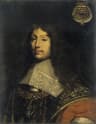
Született
September 15, 1789
Burlington City, United States
Elhunyt
September 14, 1851
Cooperstown, United States
Ismert mint
American writer
James Fenimore Cooper (1789–1851) was United States best known for American writer.
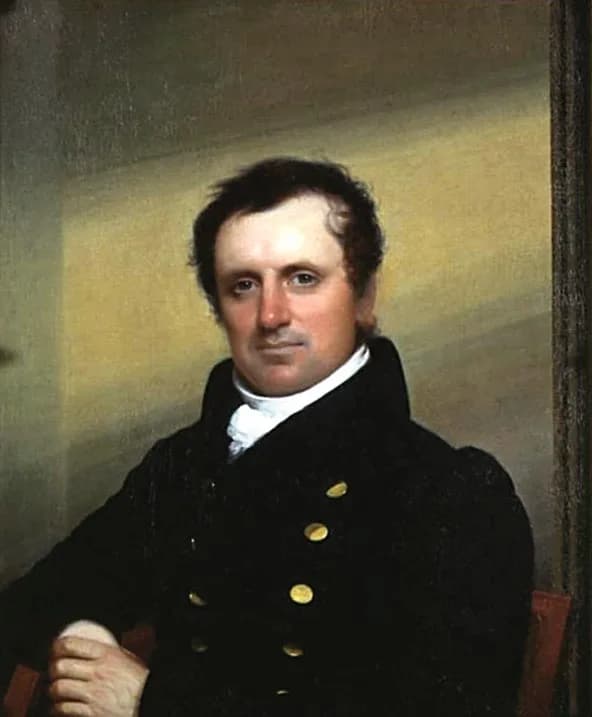
James Fenimore Cooper (September 15, 1789 – September 14, 1851) was an American author from Burlington City, United States. He became renowned for his historical romances depicting colonial and indigenous characters. Cooper's literary contributions brought him fame and fortune during the first half of the 19th century.
0. fejezet
Élet fejezetei
1. fejezet · 1789· 1. fejezet a(z) 8-ből
Opening
James Fenimore Cooper (1789 – 1851) was a distinguished American writer whose historical romances brought him significant fame and fortune during the first half of the 19th century. He stands as a pivotal figure in early American literature, renowned for his vivid portrayals of colonial life and indigenous characters. Cooper’s contributions as an author, military officer, biographer, children's writer, and novelist shaped the literary consciousness of a young nation.
Born into a rapidly evolving United States, Cooper’s works captured the spirit and challenges of his era, reflecting both the historical backdrop and the cultural dynamics of the 17th to 19th centuries. His narratives provided readers with compelling insights into the American frontier and its inhabitants, establishing him as a prominent voice. His legacy continues to influence discussions about American identity and historical storytelling.
2. fejezet · 1789· 2. fejezet a(z) 8-ből
Early Life and Origins
James Fenimore Cooper was born on September 15, 1789, in Burlington City, United States, the start of a life destined to leave a significant mark on American letters. His father, William Cooper, was a notable individual who founded Cooperstown, New York, the very town where James would spend much of his boyhood and also his last fifteen years. This strong connection to Cooperstown, a place named after his family, instilled in him an early appreciation for the developing American territory and its unique character.
Cooper's formal education included a period of three years at Yale University, where he immersed himself in academic pursuits and became a member of the Linonian Society. Although he did not complete his full degree at Yale, these collegiate years undoubtedly broadened his intellectual horizons and social understanding. The blend of his rustic upbringing in Cooperstown and his exposure to university life in his youth provided a rich foundation for his later literary explorations of American society and history.
3. fejezet· 3. fejezet a(z) 8-ből
Career Beginnings
Before achieving widespread acclaim as an author, James Fenimore Cooper embarked on a path that included service as a military officer, a profession that likely shaped his disciplined approach and understanding of conflict and strategy. While specific details of his early literary inspiration are not extensively documented, his experiences and observations from this period surely contributed to the realism found in his subsequent historical narratives. His eventual transition to writing marked a significant shift in his life's work.
Cooper began to channel his energies into crafting stories that resonated with the American public, tapping into themes of history and adventure that defined his era. Though the precise trigger for his writing career is often debated, it became clear that his talent lay in creating expansive, engaging tales. These early efforts laid the groundwork for the substantial body of work that would soon bring him international recognition and lasting literary fame.
4. fejezet· 4. fejezet a(z) 8-ből
Major Achievements and Career Highlights
James Fenimore Cooper achieved immense success and widespread recognition through his distinctive historical romances, which became incredibly popular during the first half of the 19th century. These works, portraying a wide array of colonial and indigenous characters, captivated audiences across America and beyond. His ability to weave compelling narratives set against the backdrop of 17th to 19th-century America was a defining characteristic of his literary output.
His writings not only entertained but also contributed significantly to the formation of a distinct American literary identity, distinguishing his style and subject matter from European traditions. Cooper's skillful storytelling and his exploration of unique American themes brought him considerable fame and fortune. His status as a celebrated American writer was firmly established by these powerful and imaginative tales, which explored the complex social and historical forces shaping the nation.
5. fejezet· 5. fejezet a(z) 8-ből
Personal Life
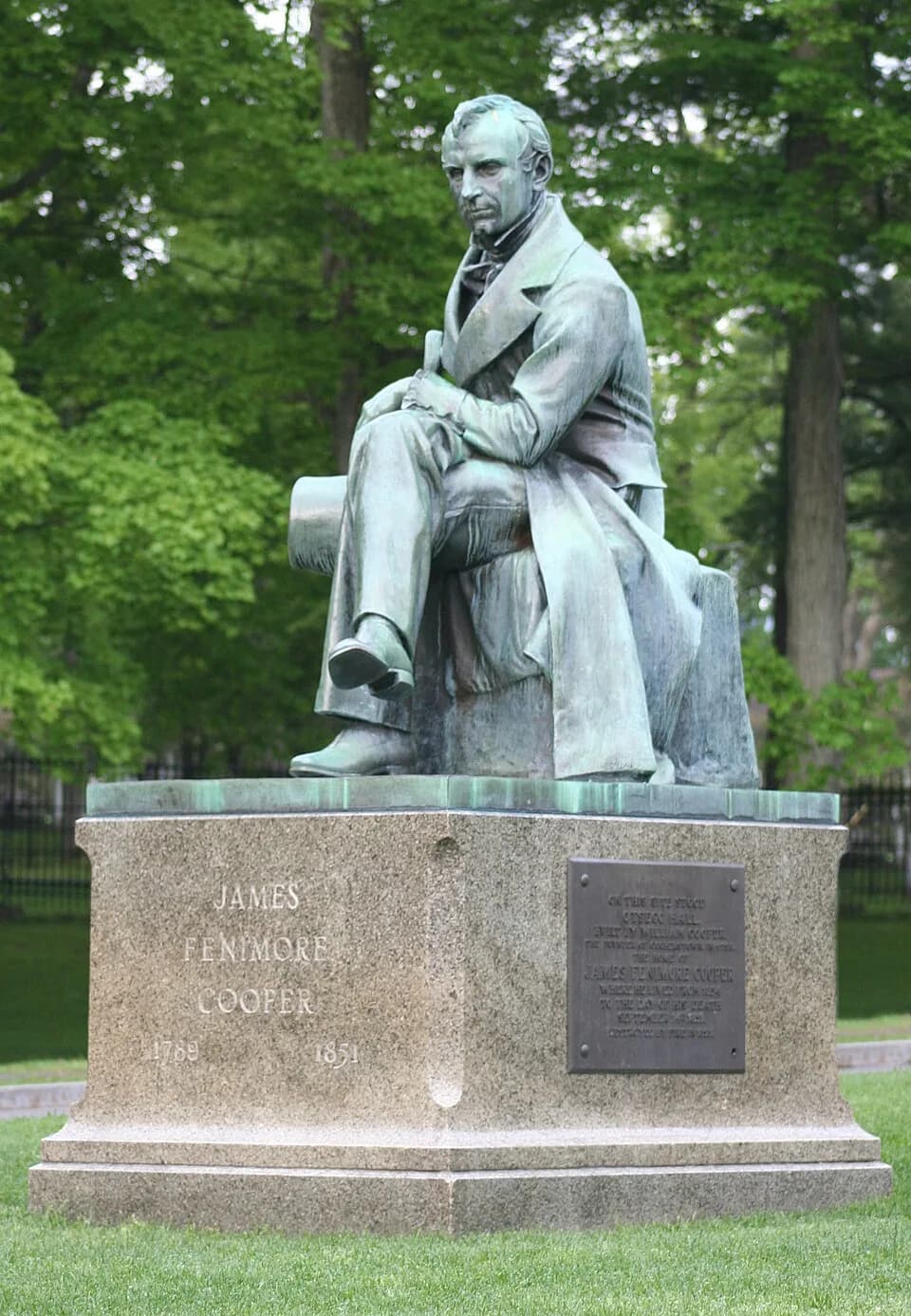
James Fenimore Cooper maintained a deep connection to Cooperstown, New York, the town established by his father, where he resided for much of his boyhood and returned to spend his final fifteen years. This continuous relationship with his ancestral home underscores the significance of place in his personal narrative and perhaps in his literary inspiration. His life in Cooperstown provided a stable, familiar environment throughout his different life stages.
Towards the end of his life, Cooper found spiritual solace and community within the Episcopal Church, becoming a member shortly before his passing. Demonstrating his commitment, he contributed generously to the church, reflecting his personal values and a philanthropic spirit in his later years. This aspect of his personal life illustrates his engagement with the social and religious institutions of his community.
6. fejezet· 6. fejezet a(z) 8-ből
Notable Works or Contributions
As an author, novelist, and children's writer, James Fenimore Cooper excelled in the genre of historical romances, establishing a formula that would influence generations of American storytellers. His stories were particularly known for their rich depictions of life in the American colonies and on the frontier. He expertly crafted narratives featuring both colonial settlers and indigenous peoples, offering a multifaceted perspective on America's formative centuries.
Beyond his fiction, Cooper also contributed as a biographer, showcasing his versatility as a writer and his interest in documenting historical lives. His collected body of work, though specific titles are not listed here, defined a significant era in American literature by providing detailed and engaging narratives about the nation's past. These works cemented his status as a key figure in the literary world of his time.
7. fejezet· 7. fejezet a(z) 8-ből
Later Years
The final fifteen years of James Fenimore Cooper's life were spent in Cooperstown, New York, the very town that his father, William Cooper, had founded. Returning to this familiar setting allowed him to remain close to his roots and the environment that had so profoundly influenced his early experiences. This period was characterized by his continued presence in the community that bore his family's name.
Cooper passed away on September 14, 1851, in Cooperstown, United States, just one day shy of his 62nd birthday. Prior to his death, he had embraced a spiritual commitment, joining the Episcopal Church and contributing generously to its causes. His final years reflected a man deeply connected to his home and his community, leaving behind a legacy that would endure for generations.
8. fejezet· 8. fejezet a(z) 8-ből
Legacy and Impact
James Fenimore Cooper left an enduring legacy as a preeminent American writer of the first half of the 19th century, profoundly shaping the development of American literature. His historical romances, with their detailed portrayals of colonial life and indigenous characters from the 17th to the 19th centuries, were groundbreaking for their time. These works brought him both fame and fortune, cementing his place in the literary canon.
His unique storytelling style and dedication to exploring the American experience through historical fiction influenced countless writers and readers. Cooper’s contributions helped define the scope and themes of American narrative, offering a distinctive national voice. His literary output continues to be studied for its historical context and its role in establishing an authentic American literary tradition.
Egy élet pillanatokban
A pillanatok, amelyek egy életet alakítottak
GYIK
Gyakran kérdezett
Mikor halt meg James Fenimore Cooper?
James Fenimore Cooper 1851. szeptember 14. Cooperstown, United States-ban halt meg, 61 éves korában.
Hol született James Fenimore Cooper?
James Fenimore Cooper Burlington City, United States-ban született, 1789. szeptember 15..
Miről ismert leginkább James Fenimore Cooper?
James Fenimore Cooper leginkább arról ismert, hogy American writer.
Hány éves volt James Fenimore Cooper, amikor meghalt?
James Fenimore Cooper 61 éves volt halálakor.
Milyen nemzetiségű volt James Fenimore Cooper?
James Fenimore Cooper United States származású volt.
Idővonal
Élet egy pillantásra
- 1789
Opening
- 1789
Early Life and Origins
Fotógaléria
Egy élet képekben
Kattintson bármely polaroidra a kibontáshoz · 23 fénykép
QR-kód
Életrajz megosztása
Nyomtatás és megosztás
Olvassa be az életrajz oldalának megnyitásához. Nyomtassa ki rendezvényekre, kiállításokra vagy oktatási anyagokhoz.