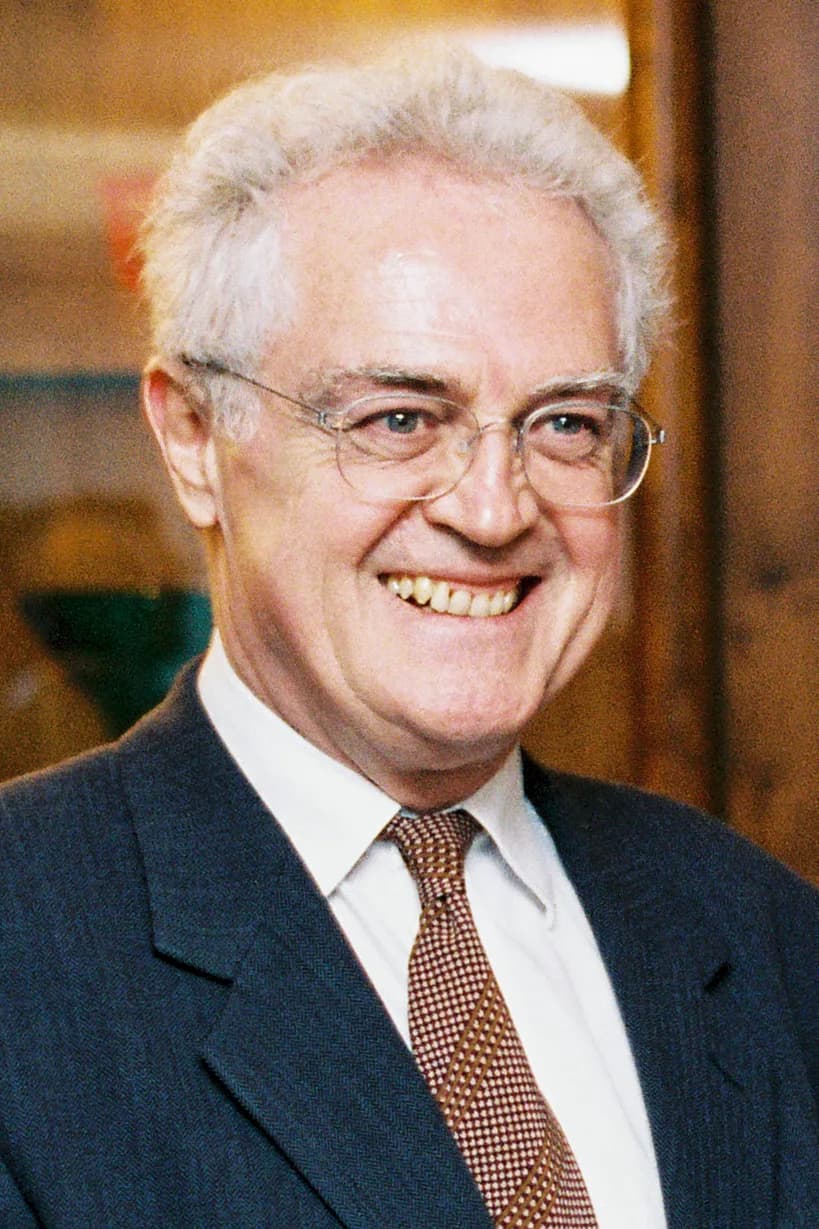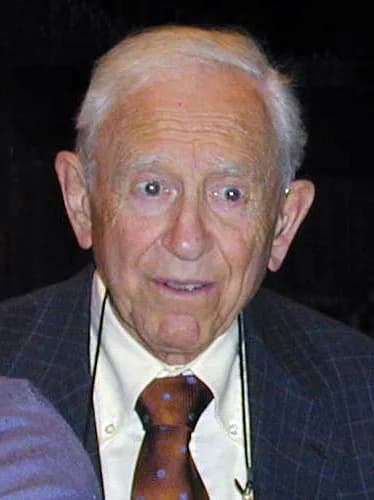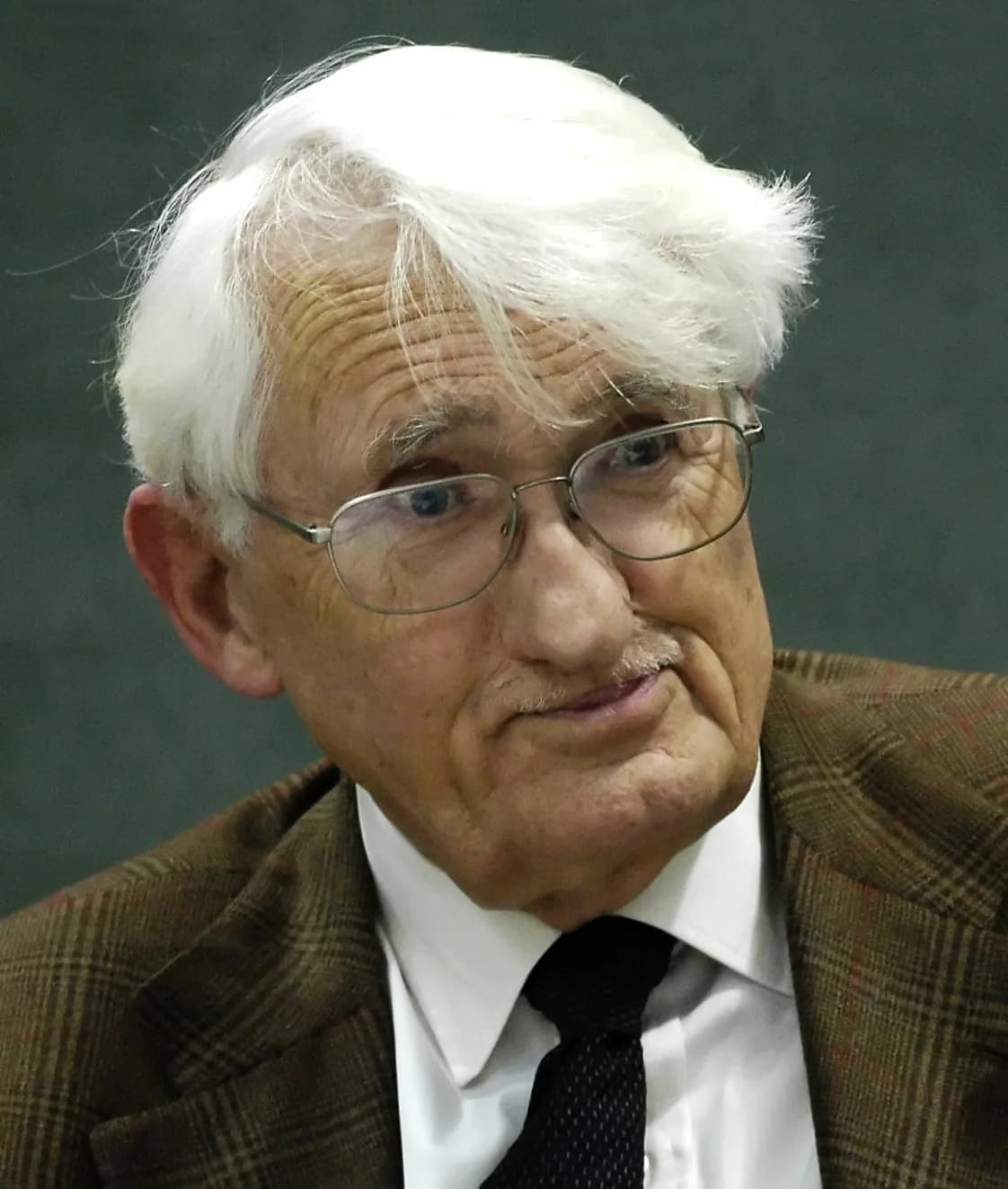
Született
June 18, 1929
Düsseldorf, Germany
Elhunyt
March 14, 2026
Starnberg, Germany
Ismert mint
German sociologist and philosopher
Jürgen Habermas (1929–2026) was Germany best known for German sociologist and philosopher.
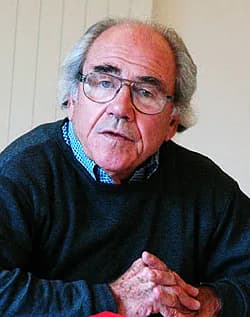
Jürgen Habermas (June 18, 1929 – March 14, 2026) was a German sociologist and philosopher. He was a leading figure in critical theory, known for his work on communicative rationality and the public sphere. His ideas significantly shaped contemporary social and political thought.
Egy élet pillanatokban
A pillanatok, amelyek egy életet alakítottak
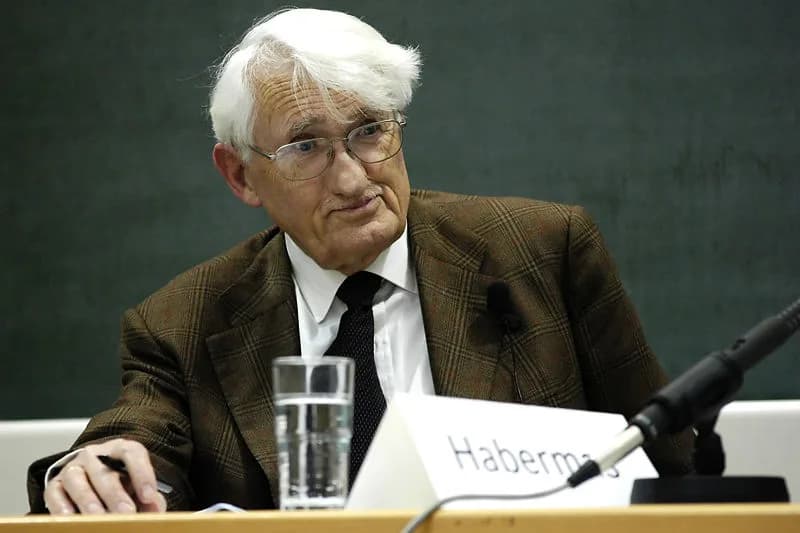
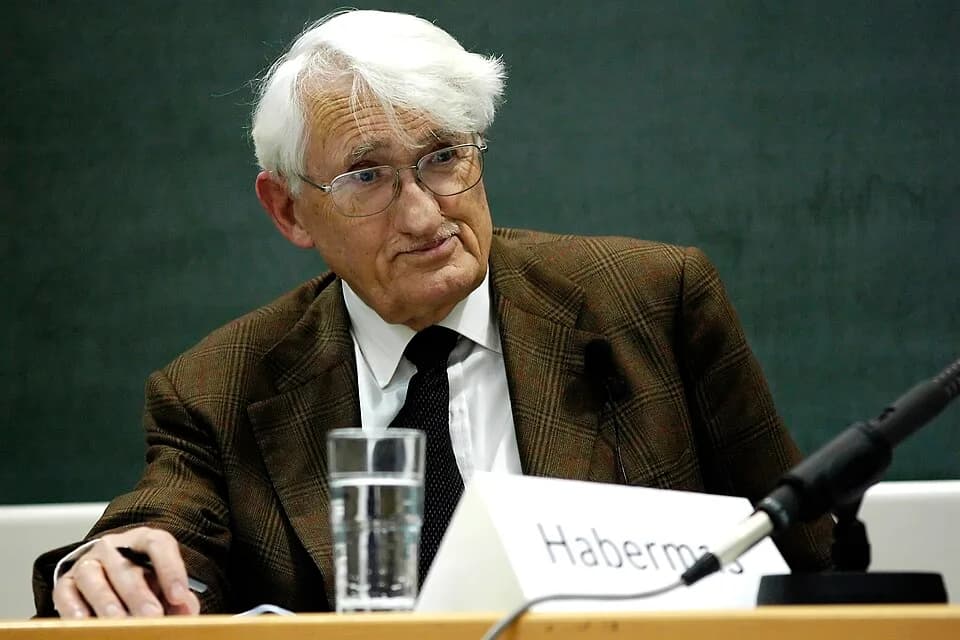
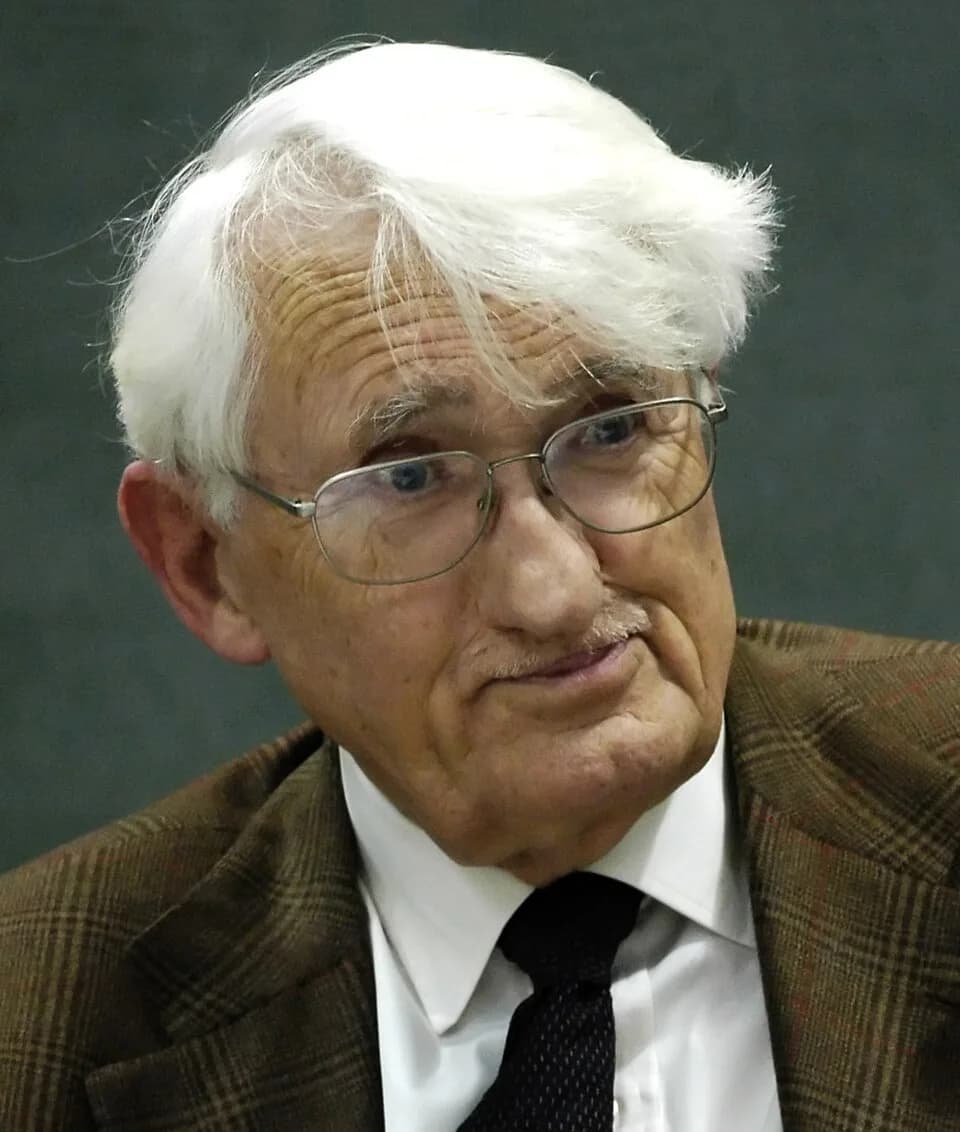
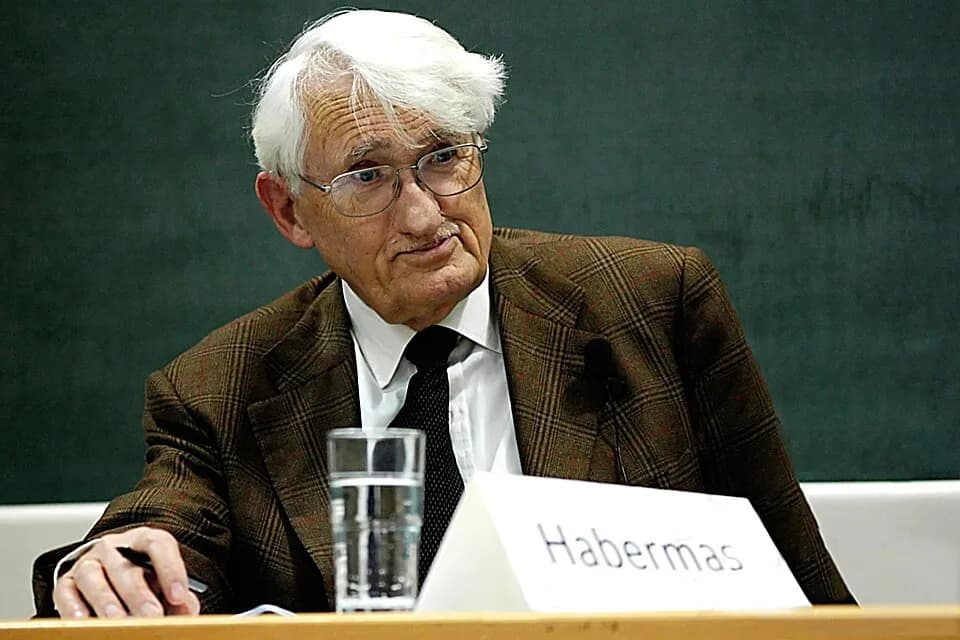
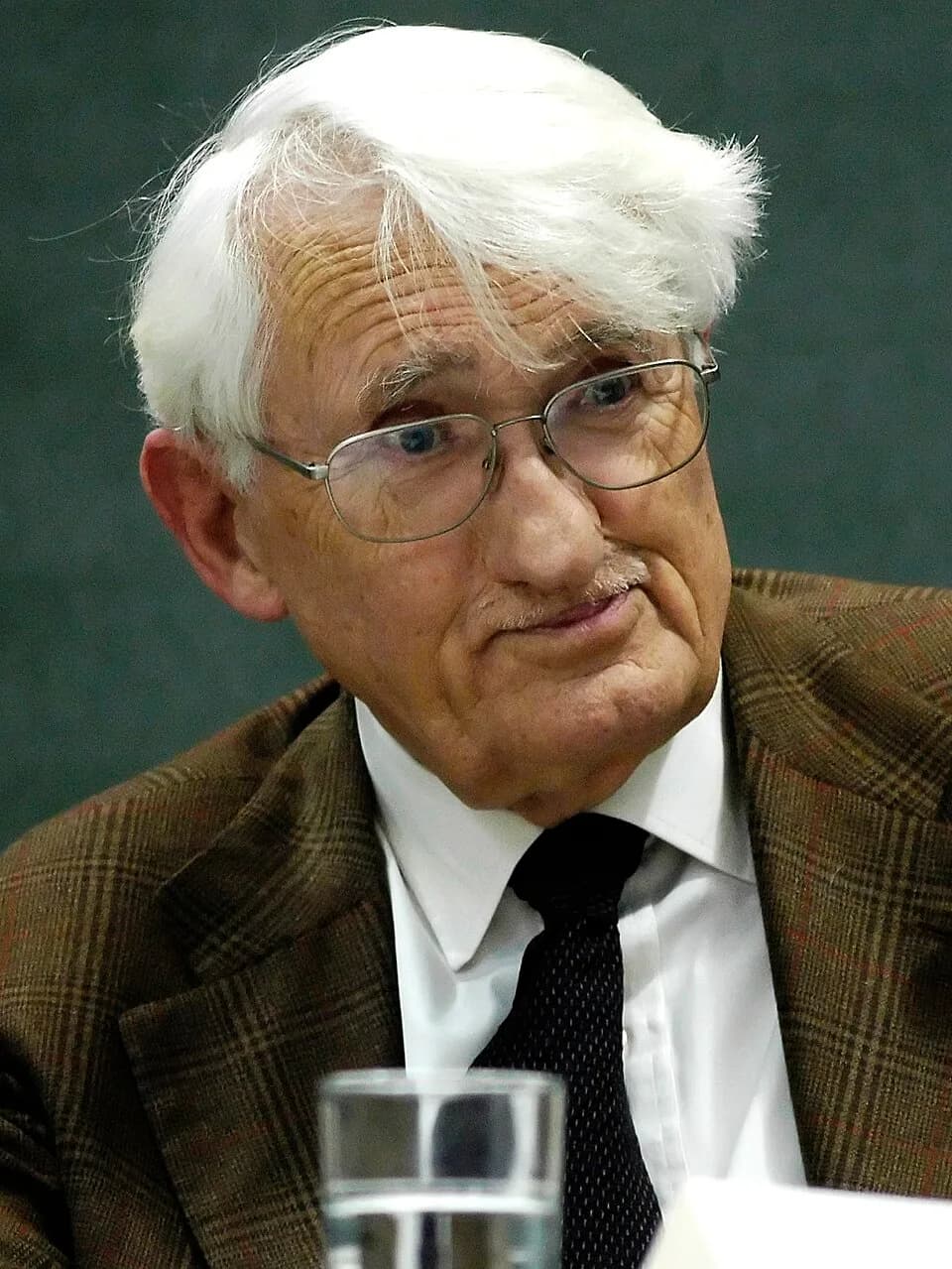
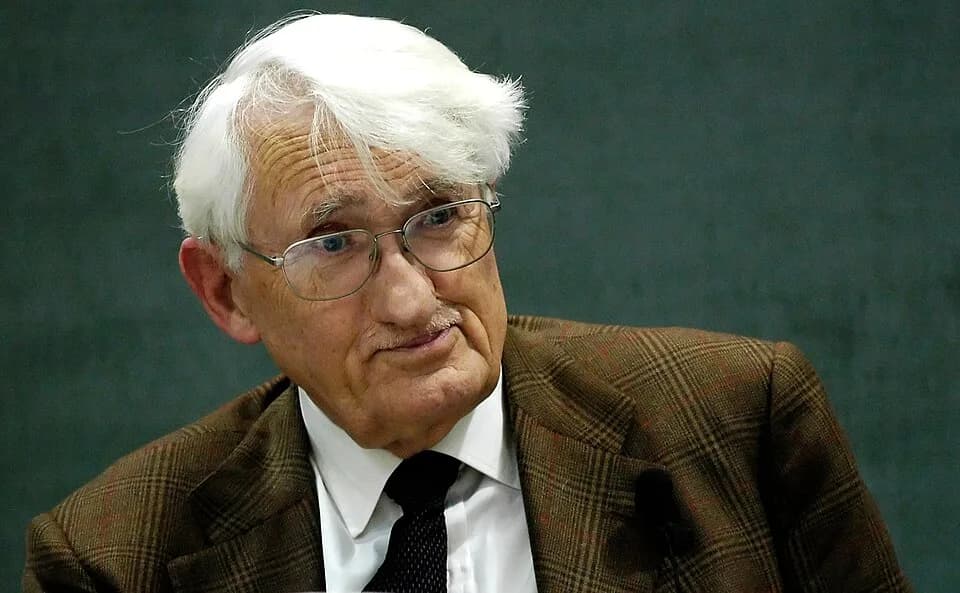
0. fejezet
Élet fejezetei
1. fejezet · 1929· 1. fejezet a(z) 6-ből
Early Life and Origins
Jürgen Habermas was born in Düsseldorf, Germany, on June 18, 1929. His early years were spent in a nation undergoing immense historical transformations. This formative period undoubtedly shaped his developing intellectual curiosity and his later engagement with critical social thought.
2. fejezet· 2. fejezet a(z) 6-ből
Career Beginnings
Habermas began his professional life as a dedicated university teacher, sharing his evolving perspectives with students. This early academic work laid the foundation for his future prominence as a sociologist and philosopher. He quickly immersed himself in the intellectual currents that would define his contributions to critical theory and pragmatism.
3. fejezet· 3. fejezet a(z) 6-ből
Major Achievements and Career Highlights
Throughout his career, Jürgen Habermas held prestigious academic positions that allowed him to advance his distinctive philosophical and sociological inquiries. He served as a respected professor at Heidelberg University, where he engaged with pressing intellectual questions of his time. Later, he also held a significant professorship at Goethe University Frankfurt, further cementing his reputation as a leading thinker.
A notable capstone to his distinguished career was his directorship of the Max Planck Institute in Starnberg. This leadership role provided him with a unique platform to steer research and foster intellectual collaboration. Under his guidance, the Institute became a hub for advanced study in the areas he pioneered.
Habermas is renowned for his sustained engagement with core themes such as communicative rationality. He meticulously explored how rational discourse functions in society and its implications for human interaction. His investigations into the public sphere also stand as a cornerstone of his intellectual output, examining the spaces where public opinion is formed and expressed.
4. fejezet· 4. fejezet a(z) 6-ből
Notable Works or Contributions
Jürgen Habermas’s extensive publications reflect the depth and breadth of his intellectual pursuits. His scholarly output, comprising numerous papers, earned him an h-index of 1, based on seven individual contributions to academic discourse. This metric indicates the focused impact of his early works on the academic community.
Among his significant publications is "De nieuwe onoverzichtelijkheid en andere opstellen," released in 1989, which garnered 10 citations. This work highlights his engagement with contemporary issues, offering critical perspectives on complex societal phenomena. Another key contribution, "Marxisme en filosofie," from 1983, received 1 citation, demonstrating his continuous dialogue with established philosophical traditions.
He continued to explore fundamental questions with "Dialectiek van de secularisering: over rede en religie," published in 2009, which also received 1 citation. This particular work delves into the intricate relationship between reason and faith in modern contexts. His more recent contributions include "Gedachten en hypothesen over een nieuwe structurele verandering van de politieke publieke sfeer1" (2022) and "Introduction au texte de J. Habermas" (2022), both of which signal his ongoing intellectual vitality into his later years, even if they had not yet accumulated citations at the time of assessment.
5. fejezet · 2026· 5. fejezet a(z) 6-ből
Later Years
In his later years, Jürgen Habermas maintained a connection to the intellectual world he helped to shape. He resided in Starnberg, Germany, the same city where he had once directed the influential Max Planck Institute. It was in Starnberg that this distinguished philosopher and sociologist passed away on March 14, 2026.
His final decades were a period of reflection and continued engagement with the enduring questions of modern social and political thought. Even as his long life neared its end, his presence remained a significant point of reference for scholars worldwide. His passing marks the close of a remarkable era in contemporary philosophy.
6. fejezet· 6. fejezet a(z) 6-ből
Legacy and Impact
The legacy of Jürgen Habermas is deeply embedded in the fabric of contemporary philosophy and social theory. His theoretical framework concerning communicative rationality fundamentally reshaped how scholars analyze human communication and its potential for consensus. This conceptual innovation continues to inform democratic theory and ethical discourse.
His work on the public sphere also holds lasting importance, offering critical insights into the formation of public opinion and the health of democratic societies. Scholars across the globe draw upon his analysis to understand historical and contemporary transformations of public life. Habermas’s intellectual contributions have solidified his position as one of the most influential thinkers of the late 20th and early 21st centuries, ensuring his ideas will be studied and debated for many years to come.
GYIK
Gyakran kérdezett
Mikor halt meg Jürgen Habermas?
Jürgen Habermas 2026. március 14. Starnberg, Germany-ban halt meg, 96 éves korában.
Hol született Jürgen Habermas?
Jürgen Habermas Düsseldorf, Germany-ban született, 1929. június 18..
Miről ismert leginkább Jürgen Habermas?
Jürgen Habermas leginkább arról ismert, hogy German sociologist and philosopher.
Hány éves volt Jürgen Habermas, amikor meghalt?
Jürgen Habermas 96 éves volt halálakor.
Milyen nemzetiségű volt Jürgen Habermas?
Jürgen Habermas Germany származású volt.
Idővonal
Élet egy pillantásra
Fotógaléria
Egy élet képekben
Kattintson bármely polaroidra a kibontáshoz · 24 fénykép
QR-kód
Életrajz megosztása
Nyomtatás és megosztás
Olvassa be az életrajz oldalának megnyitásához. Nyomtassa ki rendezvényekre, kiállításokra vagy oktatási anyagokhoz.