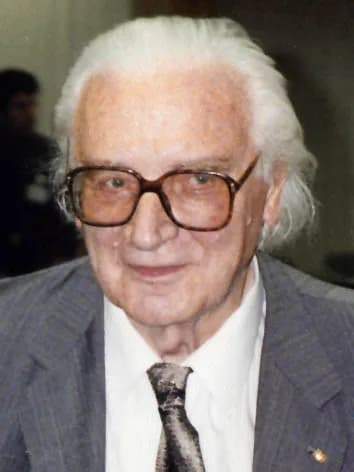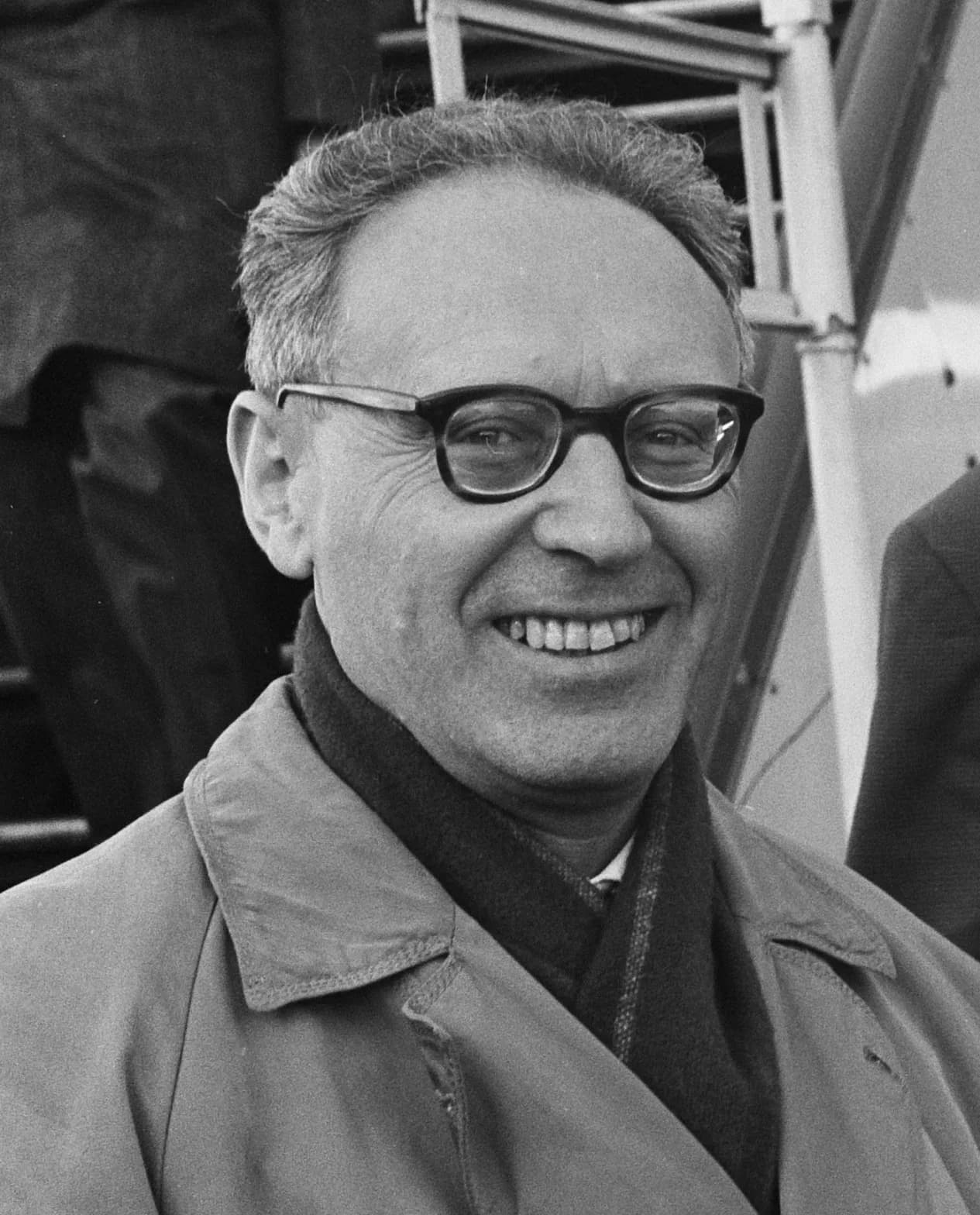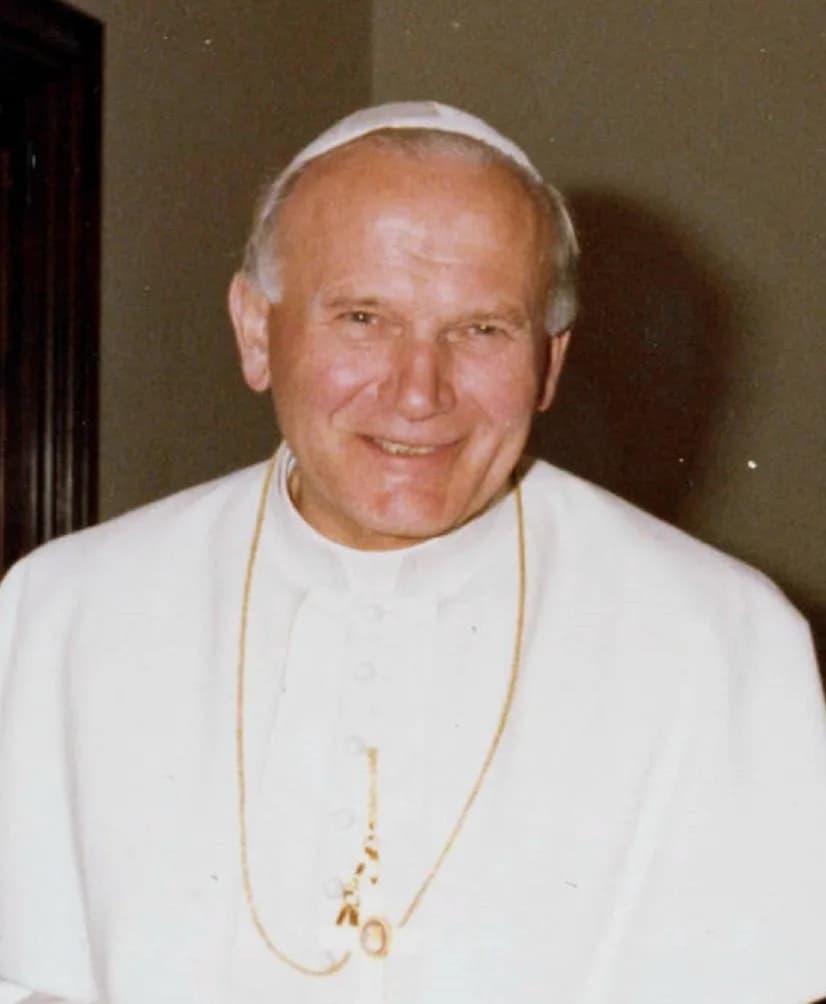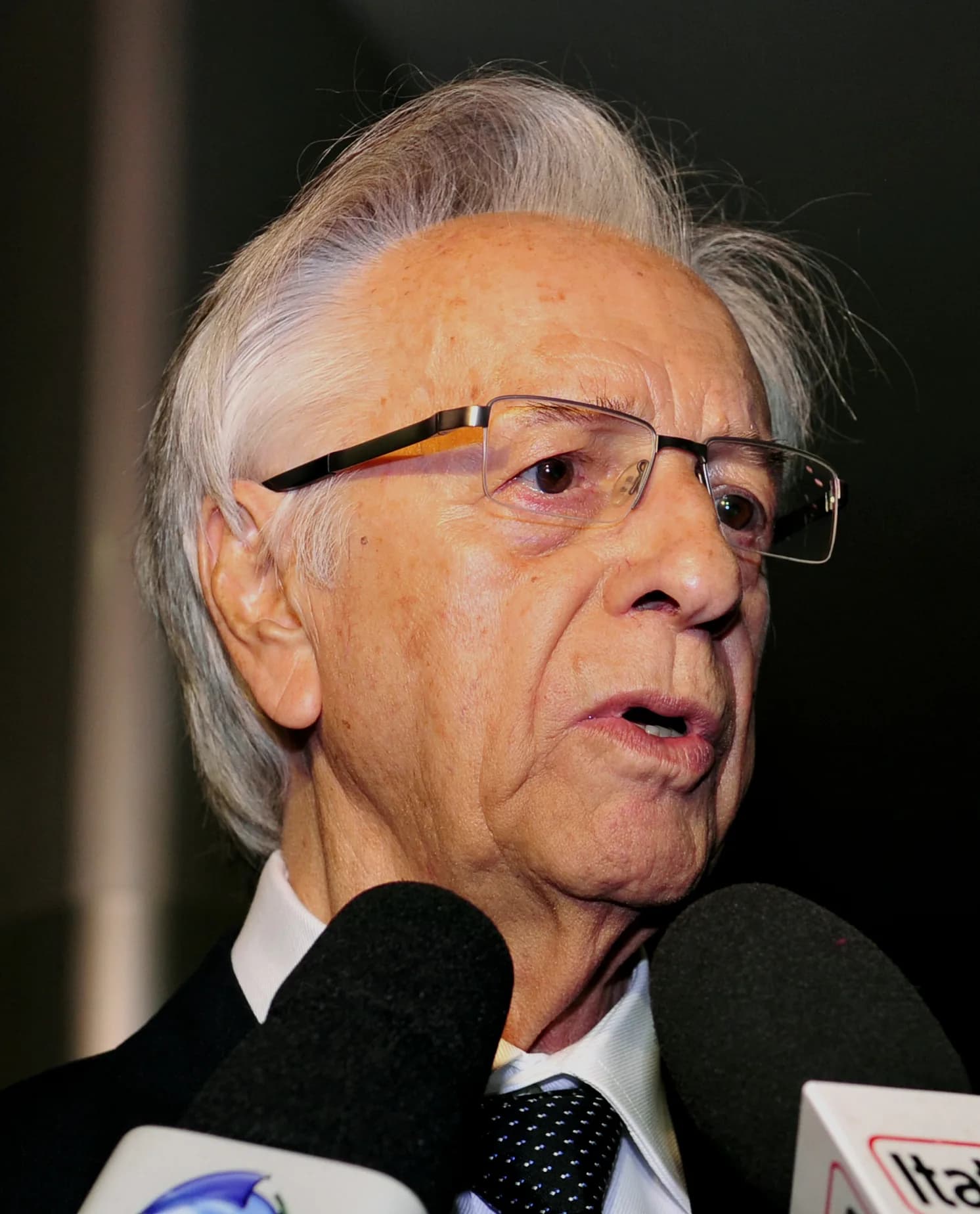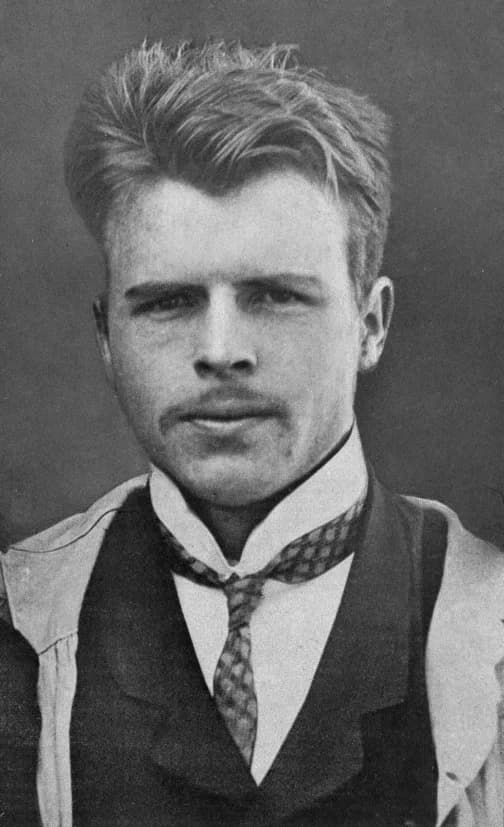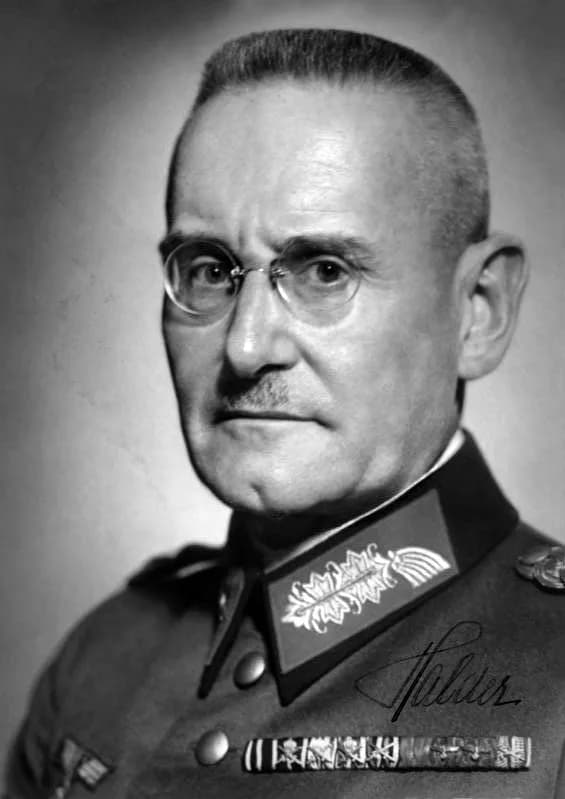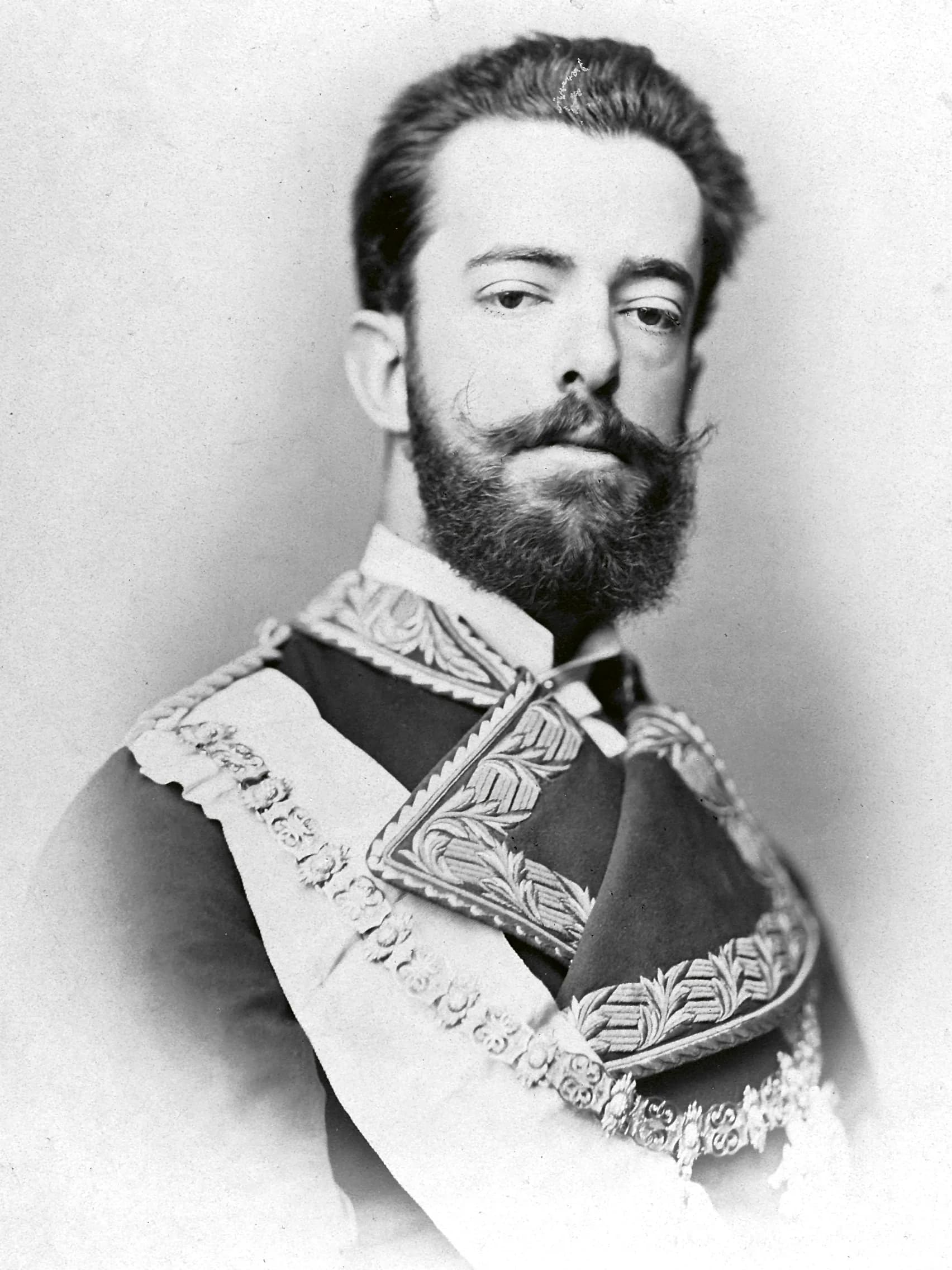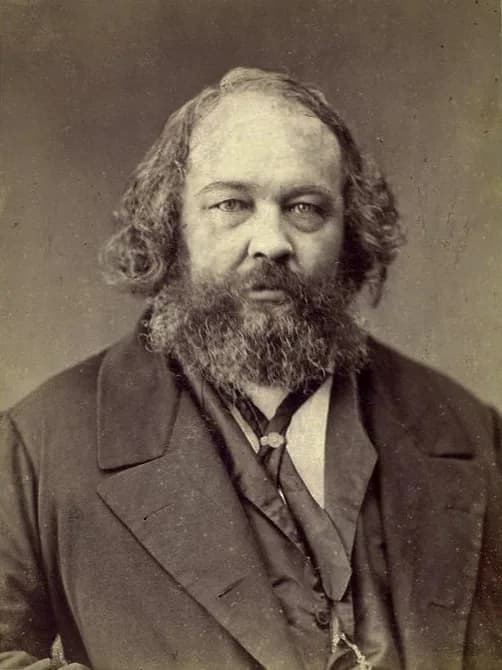
Született
May 30, 1908
Norrköping, Sweden
Elhunyt
April 2, 1995
Danderyd, Sweden
Ismert mint
Swedish electrical engineer, plasma physicist and science fiction author (1908–1995), winner of the 1970 Nobel Prize for Physics
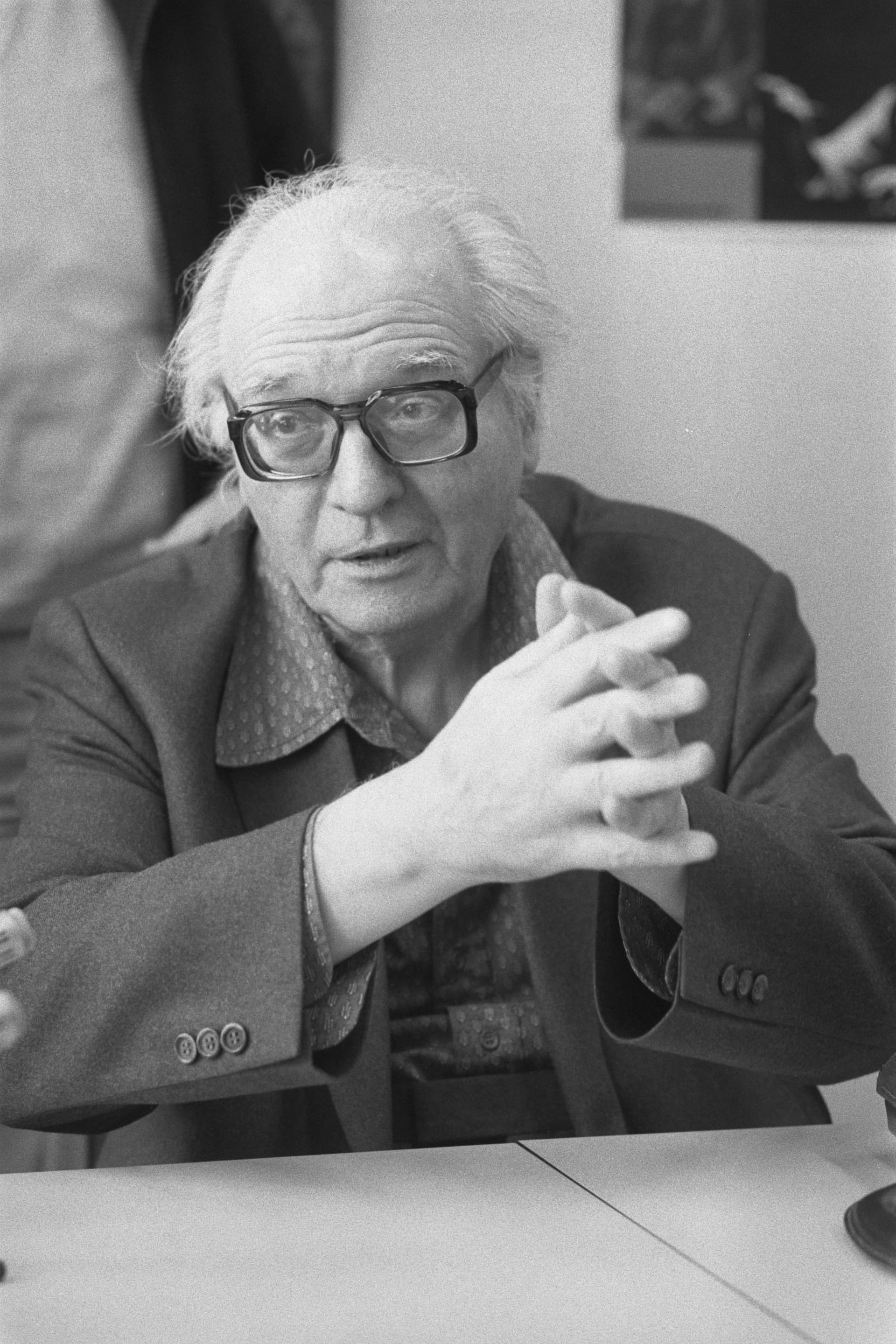
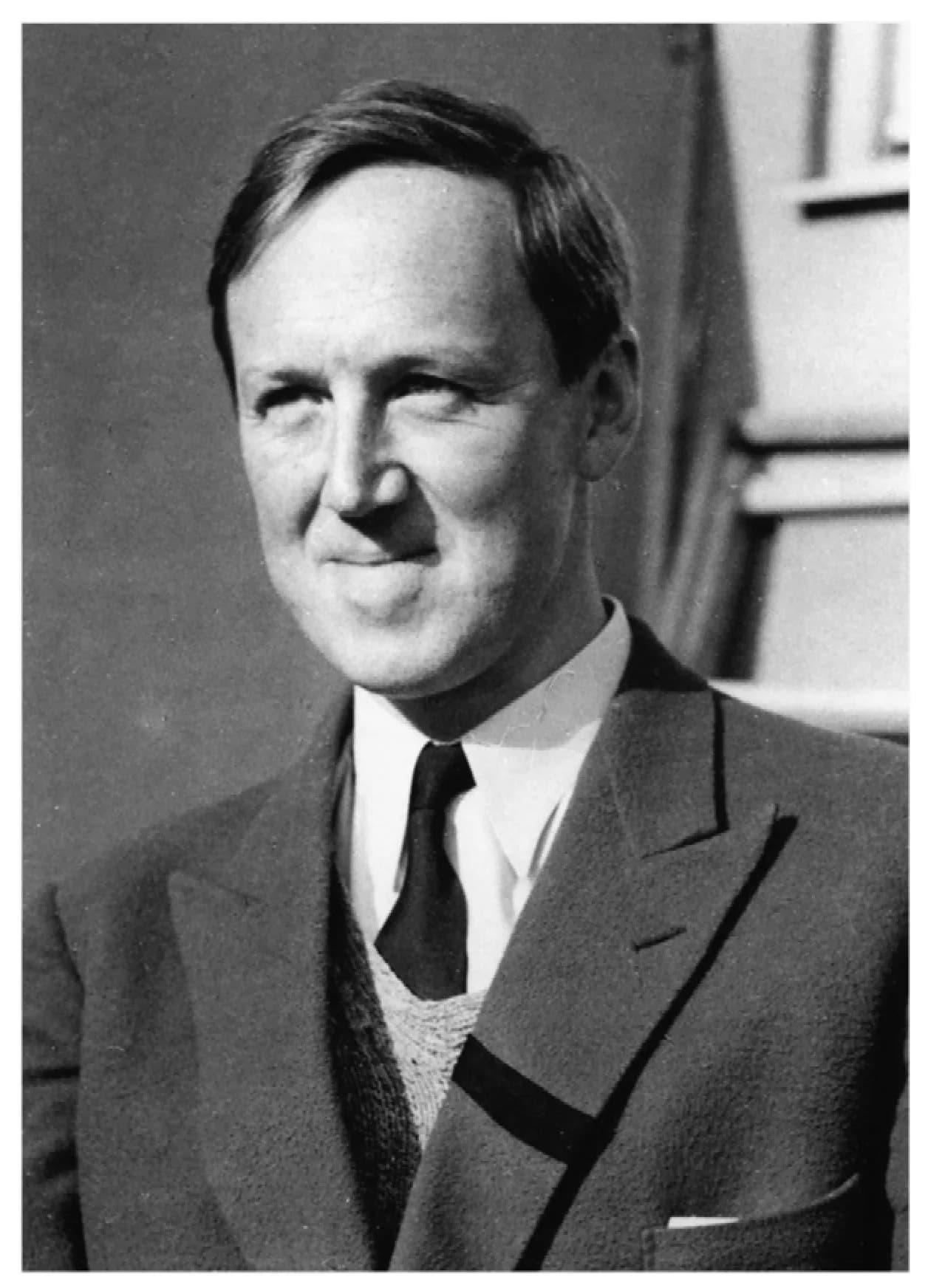
Hannes Alfvén (1908–1995) was Sweden best known for Swedish electrical engineer, plasma physicist and science fiction author (1908–1995), winner of the 1970 Nobel Prize for Physics.
Hannes Olof Gösta Alfvén (May 30, 1908 – April 2, 1995) was a Swedish electrical engineer and plasma physicist. He won the 1970 Nobel Prize in Physics for his fundamental work on magnetohydrodynamics, including the description of Alfvén waves. His theories profoundly advanced our understanding of plasmas in space.
Egy élet pillanatokban
A pillanatok, amelyek egy életet alakítottak
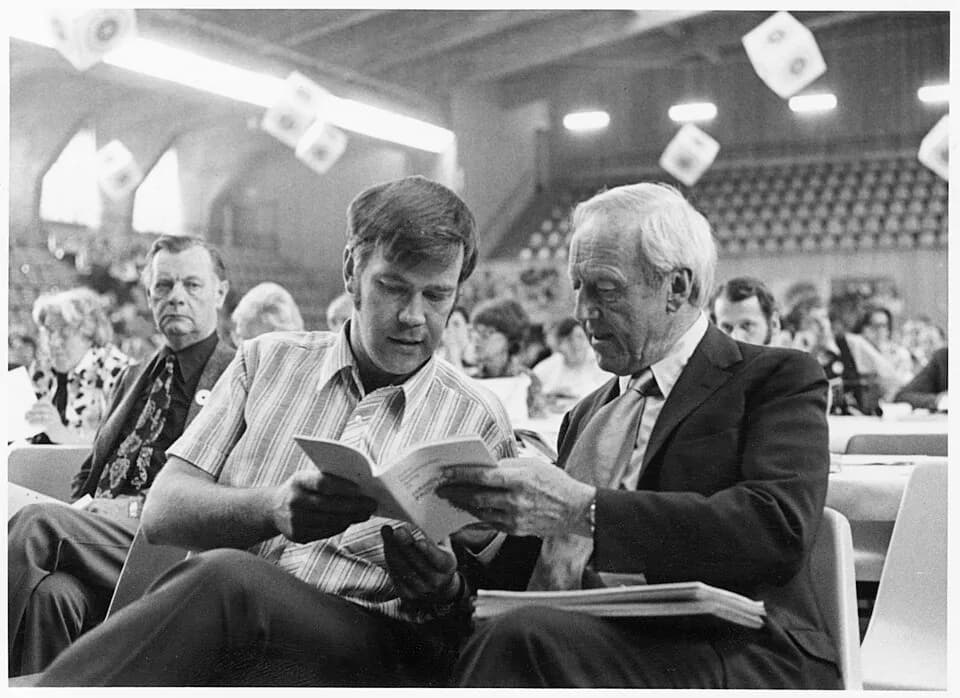
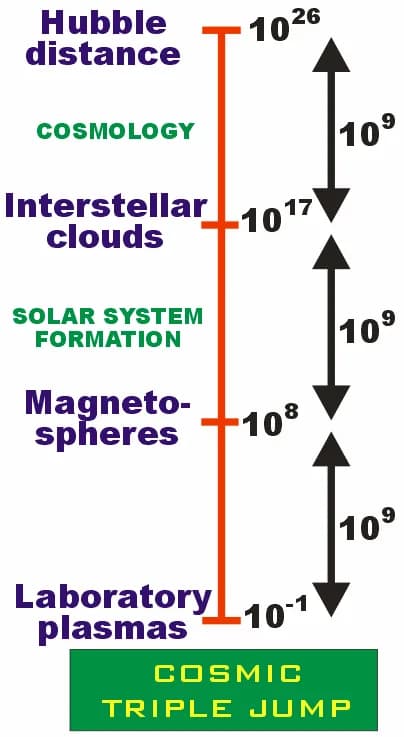
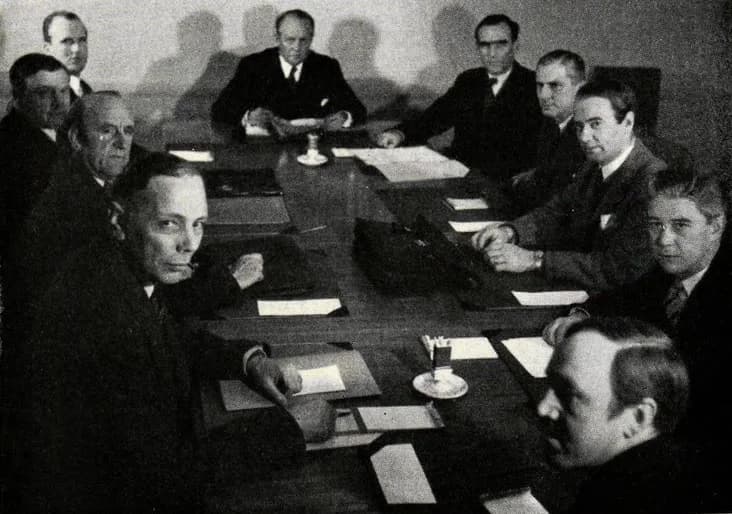
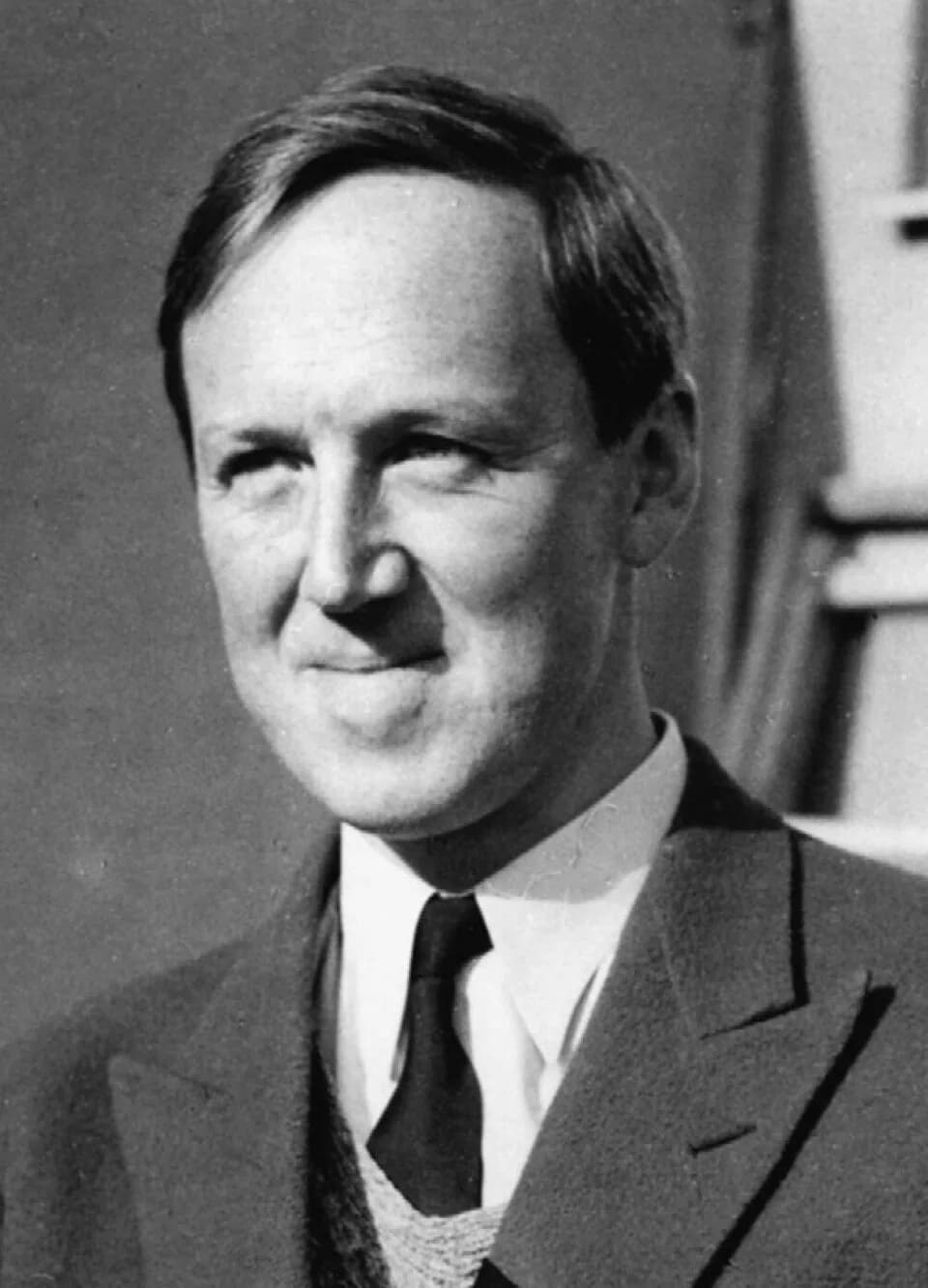
0. fejezet
Élet fejezetei
1. fejezet · 1908· 1. fejezet a(z) 5-ből
Early Life and Origins
Born on May 30, 1908, in Norrköping, Sweden, Hannes Alfvén's early life laid the foundation for a career dedicated to scientific inquiry. His initial academic pursuits led him to train as an electrical power engineer, a discipline that provided him with a robust understanding of electromagnetic principles. This rigorous engineering background would later prove instrumental in his innovative research across various scientific domains, allowing him to approach complex physical problems with a unique practical perspective.
2. fejezet· 2. fejezet a(z) 5-ből
Career Beginnings
Alfvén's professional journey began in the field of electrical power engineering, a testament to his foundational training. However, his intellectual curiosity soon guided him toward the rapidly evolving areas of plasma physics and electrical engineering research and teaching. This shift marked a crucial turning point, as he began to apply his expertise in electromagnetism to the study of plasmas, which are ionized gases found abundantly in space. His early endeavors in these fields set the stage for his most significant discoveries and theoretical developments.
3. fejezet · 1970· 3. fejezet a(z) 5-ből
Major Achievements and Career Highlights
Hannes Alfvén's career was defined by a series of extraordinary achievements that earned him global recognition. His most celebrated accomplishment was receiving the 1970 Nobel Prize in Physics, awarded for his fundamental work and discoveries in magnetohydrodynamics (MHD). This field investigates the dynamics of electrically conducting fluids, such as plasmas, in the presence of magnetic fields. Alfvén's research explained how these fluids interact with magnetic fields, forming the basis for understanding many astrophysical and laboratory plasmas.
Among his most significant theoretical contributions was the description of a specific class of waves, now universally known as Alfvén waves. These hydromagnetic waves propagate through conducting fluids, transferring energy and momentum through the interaction of magnetic fields and fluid motion. Beyond his seminal work in MHD, Alfvén made numerous other contributions to plasma physics, advancing our comprehension of various cosmic phenomena. He developed theories describing the behavior of aurorae, the spectacular light displays in Earth's polar regions, shedding light on their electromagnetic origins. His research also elucidated the characteristics of the Van Allen radiation belts, regions of energetic charged particles trapped by Earth's magnetic field.
Furthermore, Alfvén's theories provided crucial insights into the effect of magnetic storms on the Earth's magnetic field, explaining how solar activity can disturb our planet's magnetosphere. He extensively studied the terrestrial magnetosphere itself, mapping its structure and dynamics. His work extended beyond Earth's immediate environment, encompassing the dynamics of plasmas in the vast expanse of the Milky Way galaxy. Through these diverse investigations, Hannes Alfvén established himself as a central figure in astrophysics, physics, and electrical engineering, consistently pushing the boundaries of scientific knowledge.
4. fejezet· 4. fejezet a(z) 5-ből
Notable Works or Contributions
Hannes Alfvén's prolific academic and literary output reflected the breadth of his scientific interests and his commitment to communicating complex ideas. His early technical work included "Investigations on the ultra-short electro-magnetic waves," which demonstrated his foundational expertise in electrical engineering. As his focus shifted to cosmic phenomena, he authored influential texts such as "Cosmical electrodynamics," a foundational book in the field that detailed the principles of plasma physics in astrophysical contexts. This work was crucial in establishing the theoretical framework for understanding cosmic plasmas.
His explorations into the universe's grand design were further presented in works like "Observations and hypotheses in cosmology" and "Worlds-antiworlds; antimatter in cosmology," where he delved into theories regarding the origins and fundamental structure of the cosmos, including the intriguing concept of antimatter. Alfvén also addressed the broader implications of science in "Atom, man, and the universe," reflecting on the interconnectedness of scientific discovery and humanity's place within it. Other significant contributions included "Hydromagnetics of the magnetosphere" and "Auroral research in Scandinavia," which focused on specific areas of space physics. His publication record included 226 papers, reflecting a dedicated and impactful research career, and his influence continues to be recognized, as evidenced by the European Physical Society Plasma Physics Division Hannes Alfvén Prize awarded to other researchers in his honor.
5. fejezet· 5. fejezet a(z) 5-ből
Legacy and Impact
Hannes Alfvén's legacy is immense and continues to shape scientific inquiry in plasma physics, astrophysics, and space science. His foundational work in magnetohydrodynamics, particularly his description of Alfvén waves, provided the essential theoretical framework for understanding how plasmas behave in various cosmic environments. This theoretical groundwork enabled scientists to model and predict phenomena ranging from solar flares and stellar winds to the dynamics of galactic nebulae and the Earth's own magnetosphere. The widespread adoption of his theories transformed space physics from largely speculative observations into a rigorous, quantitative science.
Beyond his direct scientific contributions, Alfvén was a passionate advocate for the importance of plasma physics in understanding the universe. As a university teacher, he inspired generations of students and researchers, fostering a vibrant community dedicated to exploring the cosmos through the lens of plasma dynamics. His diverse intellectual curiosity, exemplified by his work as a science fiction writer, demonstrated his ability to envision scientific possibilities and communicate them engagingly. The enduring recognition of his achievements is highlighted by the establishment of the Hannes Alfvén Prize, an honor bestowed upon leading plasma physicists, ensuring his name remains synonymous with pioneering research in the field. His theories continue to be fundamental textbooks and research tools, cementing his place as one of the most influential physicists of the 20th century, whose insights are still vital for contemporary investigations into space and energy.
GYIK
Gyakran kérdezett
Mikor halt meg Hannes Alfvén?
Hannes Alfvén 1995. április 2. Danderyd, Sweden-ban halt meg, 86 éves korában.
Hol született Hannes Alfvén?
Hannes Alfvén Norrköping, Sweden-ban született, 1908. május 30..
Miről ismert leginkább Hannes Alfvén?
Hannes Alfvén leginkább arról ismert, hogy Swedish electrical engineer, plasma physicist and science fiction author (1908–1995), winner of the 1970 Nobel Prize for Physics.
Hány éves volt Hannes Alfvén, amikor meghalt?
Hannes Alfvén 86 éves volt halálakor.
Milyen nemzetiségű volt Hannes Alfvén?
Hannes Alfvén Sweden származású volt.
Idővonal
Élet egy pillantásra
Fotógaléria
Egy élet képekben
Kattintson bármely polaroidra a kibontáshoz · 49 fénykép
QR-kód
Életrajz megosztása
Nyomtatás és megosztás
Olvassa be az életrajz oldalának megnyitásához. Nyomtassa ki rendezvényekre, kiállításokra vagy oktatási anyagokhoz.