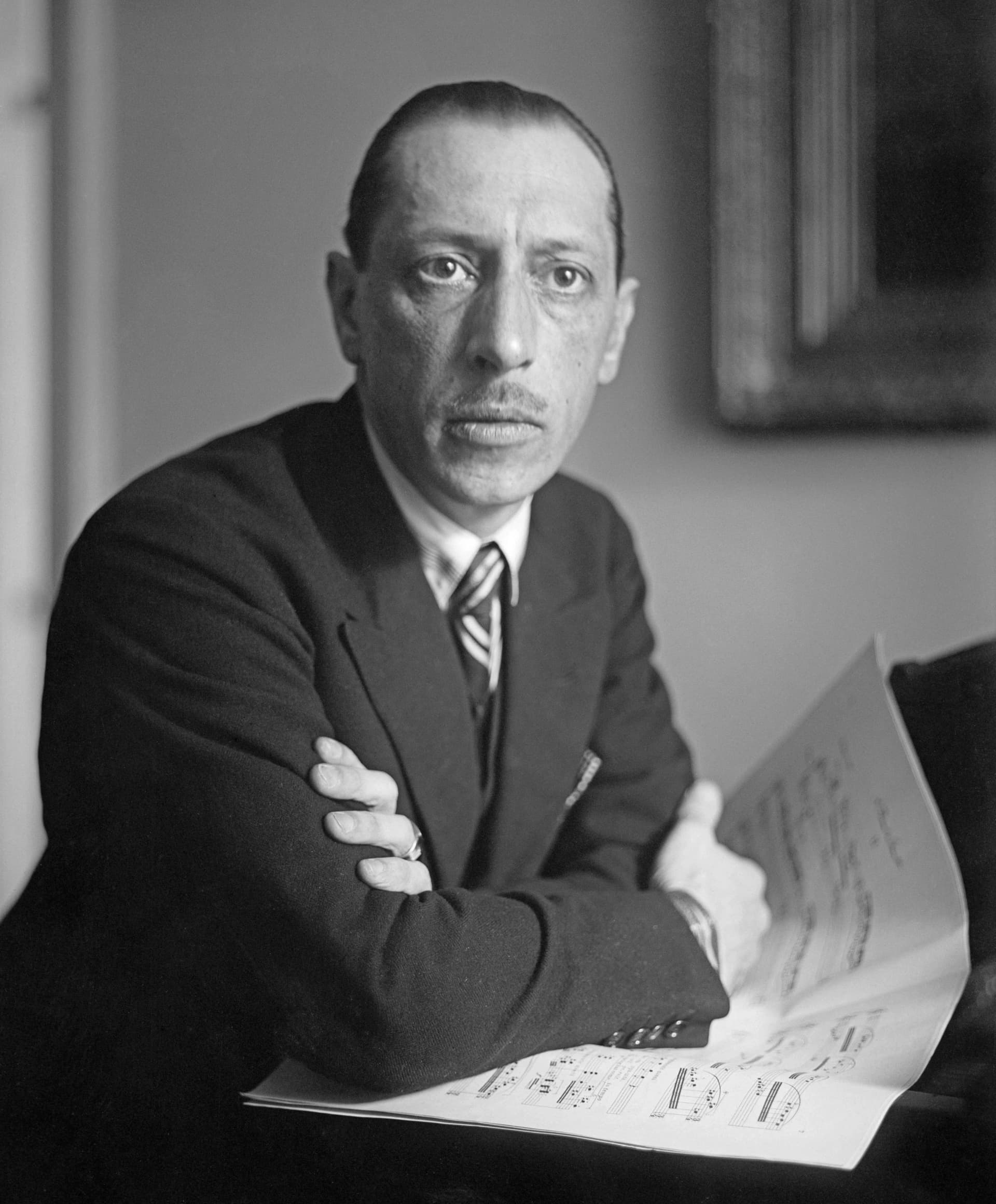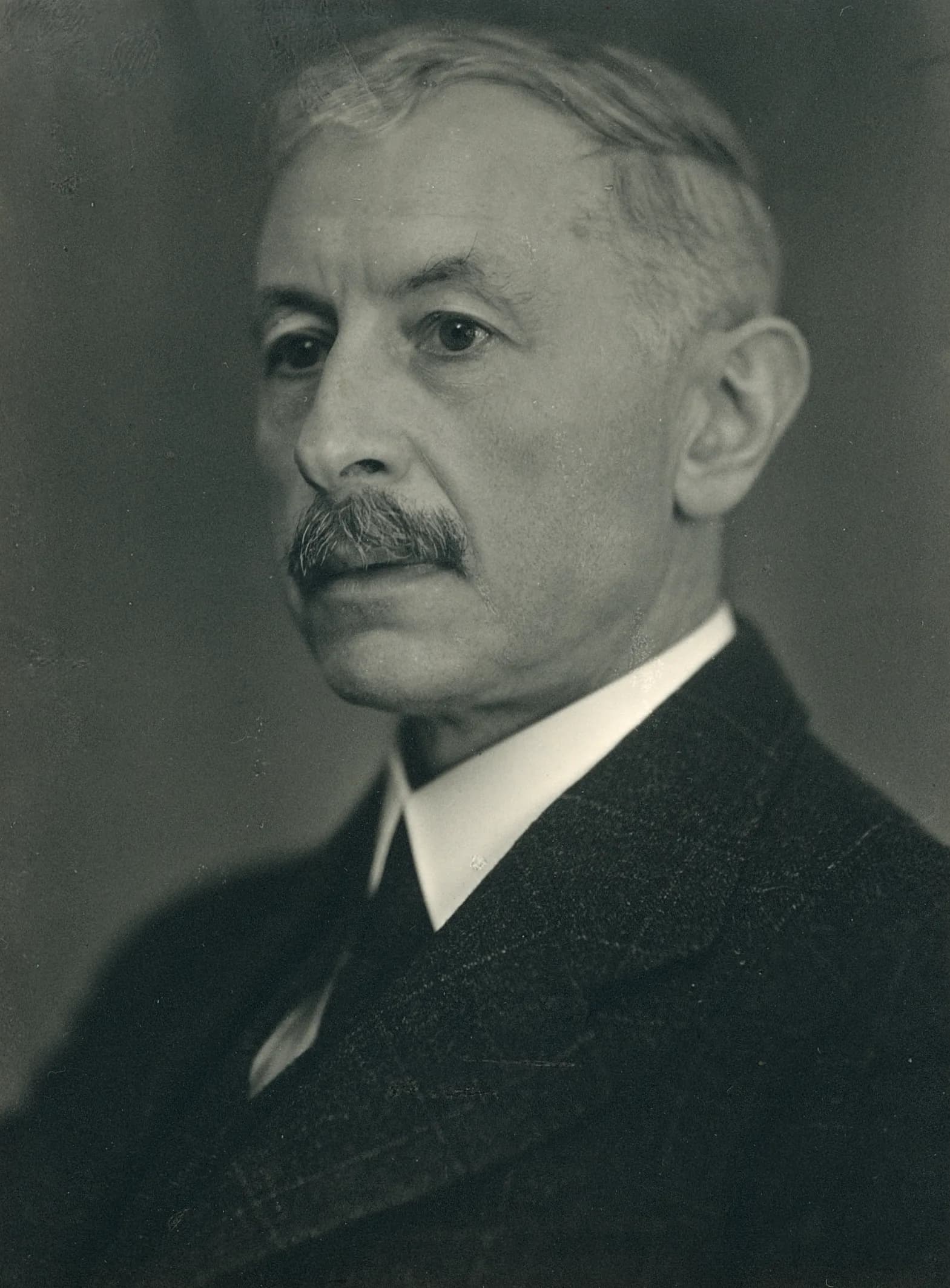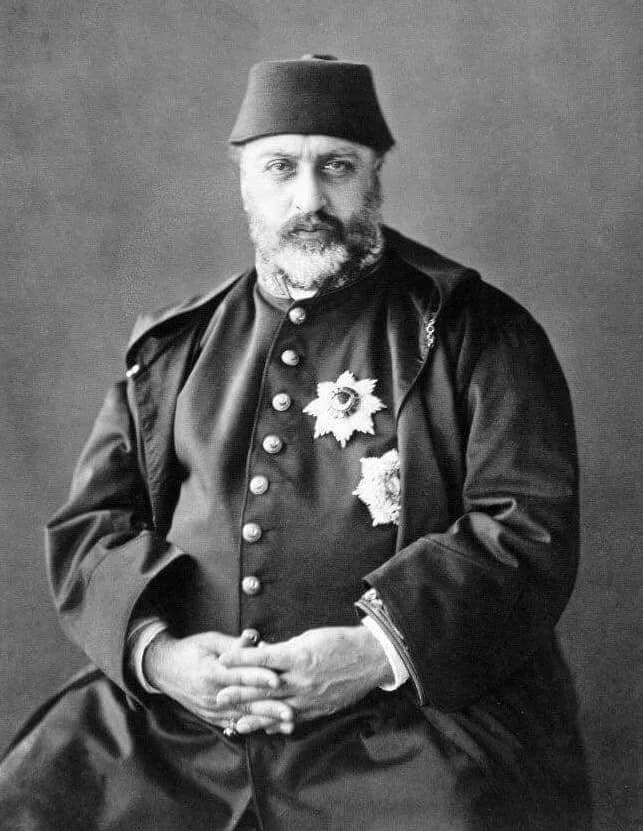
Született
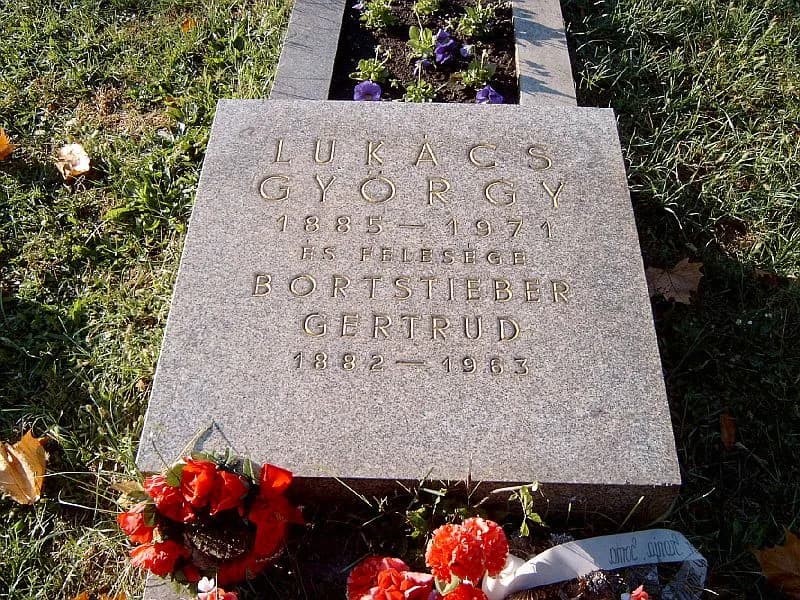
April 13, 1885
Budapest, Hungary
Elhunyt
June 4, 1971
Budapest, Hungary
Ismert mint
Hungarian marxist philosopher and literary critic
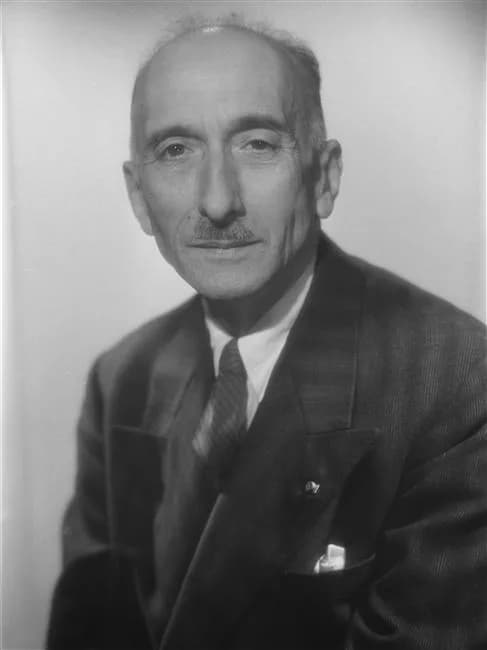
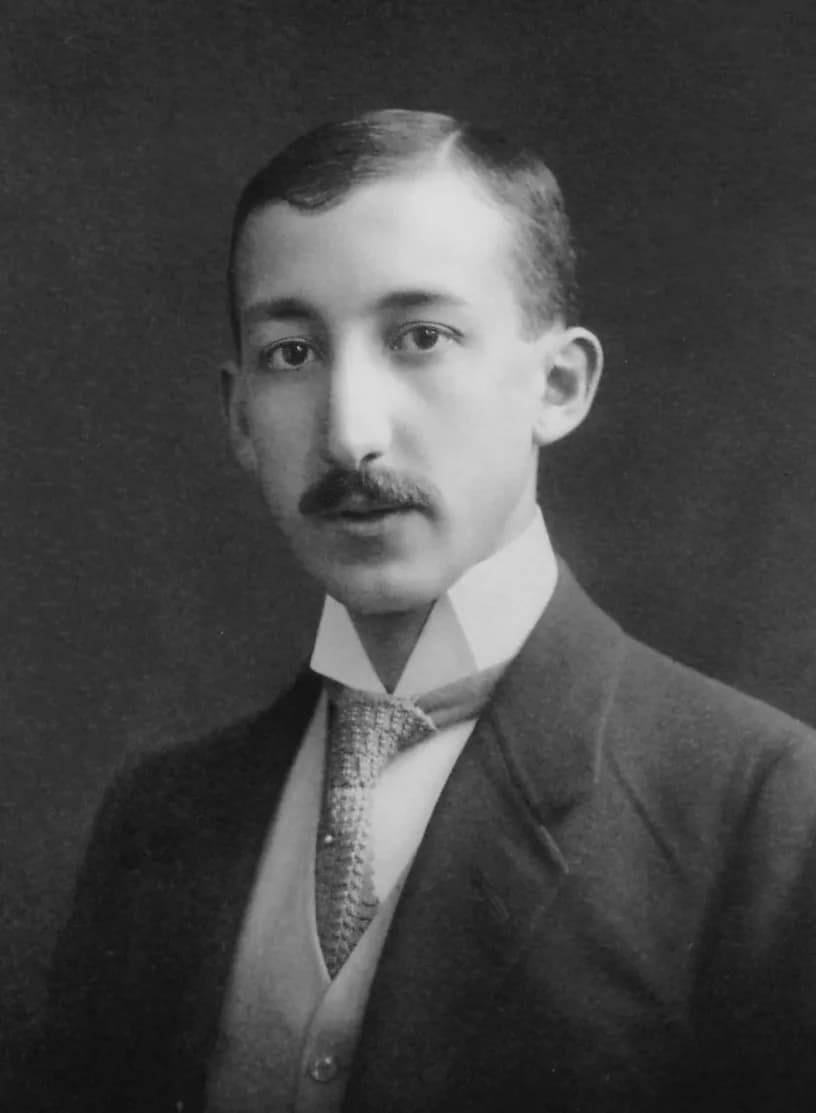
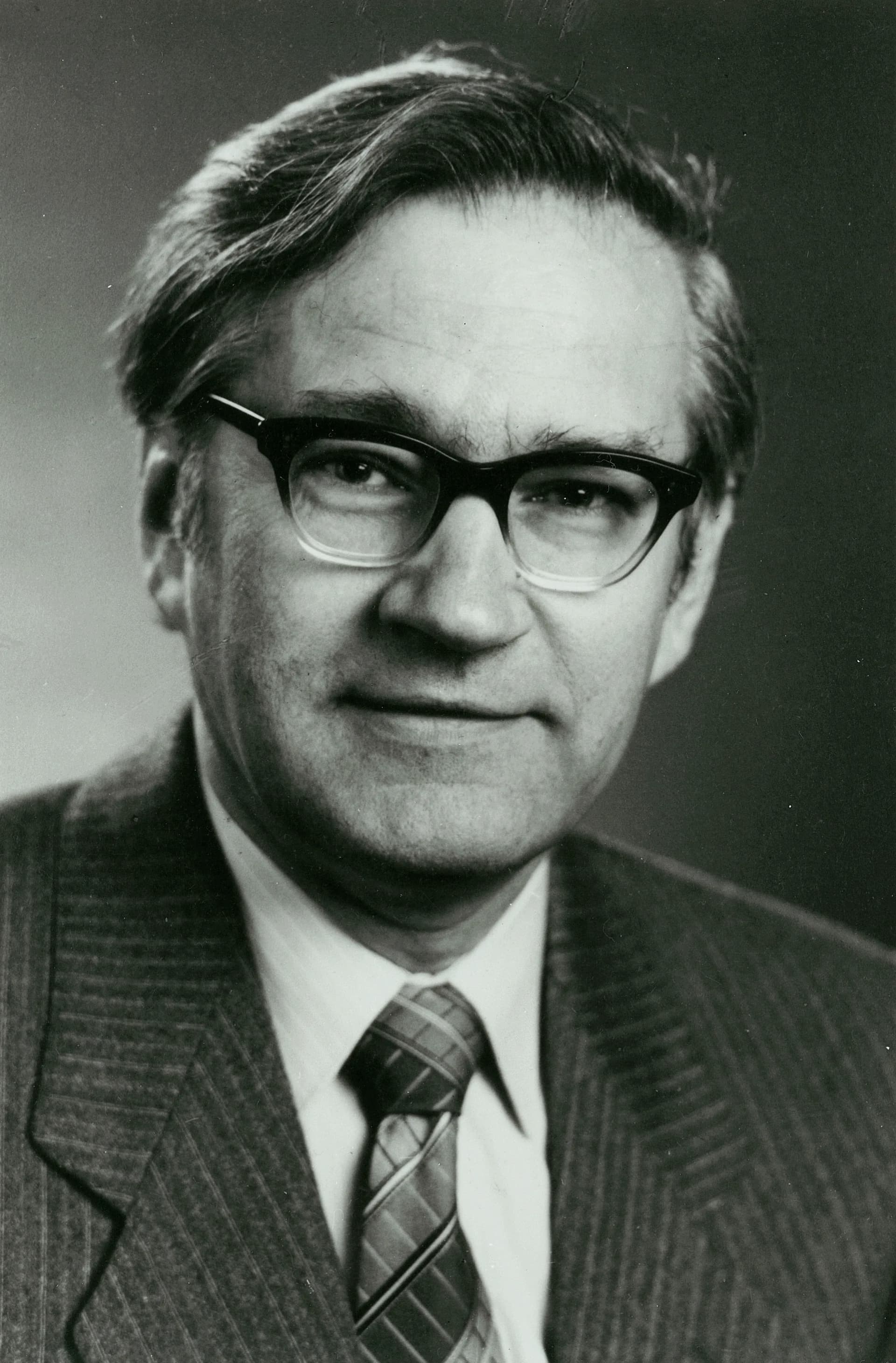
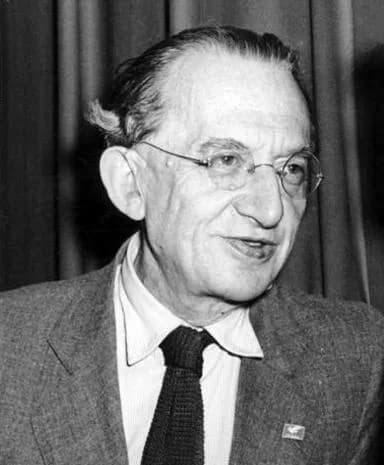
Georg Lukács (1885–1971) was Hungary best known for Hungarian marxist philosopher and literary critic.
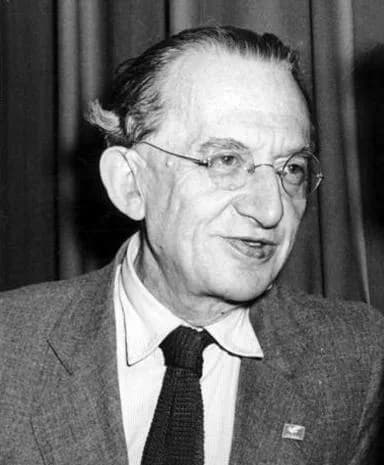
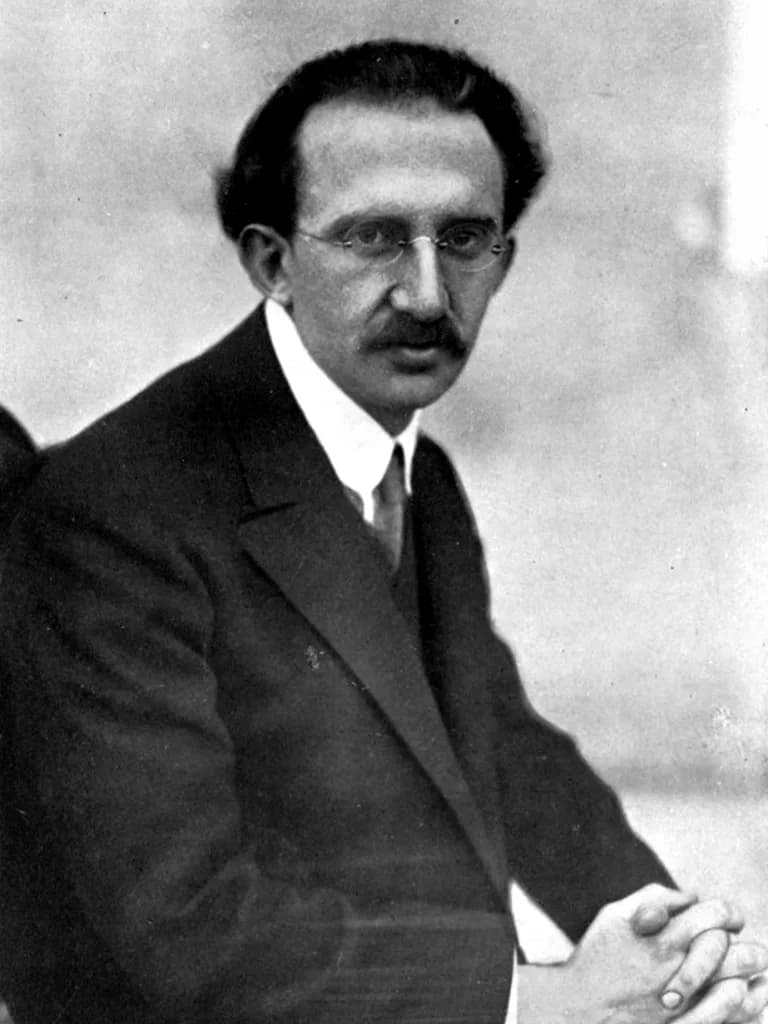
Georg Lukács (April 13, 1885 – June 4, 1971) was a Hungarian Marxist philosopher and literary critic from Budapest, Hungary. He was a founder of Western Marxism, developing theories like reification and class consciousness. His work significantly shaped 20th-century critical thought.
Egy élet pillanatokban
A pillanatok, amelyek egy életet alakítottak
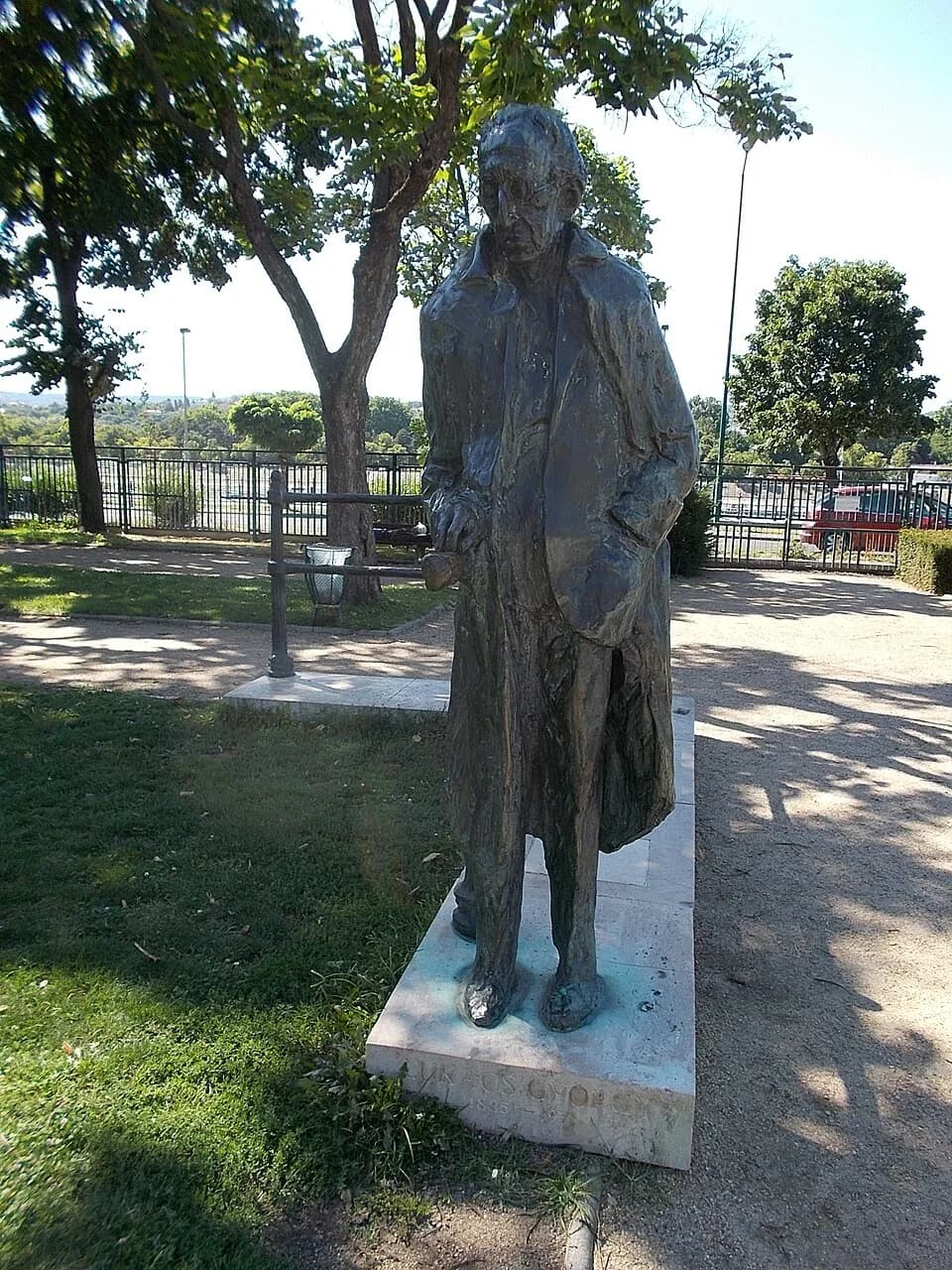
0. fejezet
Élet fejezetei
1. fejezet · 1885· 1. fejezet a(z) 8-ből
Opening
Georg Lukács (April 13, 1885 – June 4, 1971) was a Hungarian Marxist philosopher and literary critic whose ideas reshaped 20th-century thought. He made enduring contributions to philosophy, literary theory, and political thought.
2. fejezet · 1885· 2. fejezet a(z) 8-ből
Early Life and Origins
Born in Budapest, Hungary, on April 13, 1885, Lukács's early life saw him grow up in a vibrant intellectual atmosphere. He received a comprehensive education, which prepared him for a diverse array of professional roles later in life. His formative years in Budapest laid the foundation for his later extensive work as a writer, politician, university teacher, and various other intellectual pursuits.
3. fejezet· 3. fejezet a(z) 8-ből
Career Beginnings
Lukács embarked on his professional journey with a wide range of interests, initially working as an art historian, sociologist, and literary scholar. His early career saw him engaging with profound philosophical questions and developing his critical apparatus. These foundational experiences led him to become a distinguished literary critic and a respected philosopher of culture.
4. fejezet· 4. fejezet a(z) 8-ből
Major Achievements and Career Highlights
He became one of the key founders of Western Marxism, an interpretive tradition that thoughtfully diverged from Soviet Marxist ideological orthodoxy. Lukács developed the crucial theory of reification, an idea that significantly influenced critical theory. He also notably contributed to Marxist thought by developing Karl Marx's theory of class consciousness. His philosophical insights were crucial in shaping a new direction for Marxist inquiry.
Lukács was also recognized as a philosopher of Leninism, engaging deeply with revolutionary practice. He ideologically developed and organized Vladimir Lenin's pragmatic revolutionary practices into the formal philosophy of vanguard-party revolution. His work provided a theoretical framework for understanding the role of a revolutionary party.
5. fejezet· 5. fejezet a(z) 8-ből
Personal Life
While Georg Lukács's public life was rich with intellectual and political engagement, specific details of his personal life outside his professional pursuits are not extensively shared in available records. He maintained a lifelong connection to his birthplace, Budapest, Hungary, where he was born and ultimately passed away. His dedication to scholarly work and philosophical inquiry remained a consistent feature throughout his decades of activity.
6. fejezet· 6. fejezet a(z) 8-ből
Notable Works or Contributions
Among his many important writings, "Die Theorie des Romans" stands out as an early and influential work, examining the historical philosophy of literary forms. His collection "Soul and Form" further explored the nature of literary expression and criticism. These early literary analyses established his reputation as a profound literary theorist.
Lukács also published significant essays such as "Essays on Thomas Mann" and "The stature of Thomas Mann," showcasing his deep engagement with major literary figures. His work "Goethe and His Age" continued this tradition of combining literary criticism with historical and philosophical insights. Further contributions included "Significación Actual Del Realismo Crítico," which explored the relevance of critical realism.
His intellectual breadth is also evident in "Beiträge Zur Kritik der Bürgerlichen Ideologie" and "Estetik ve Politika," demonstrating his consistent engagement with ideology and aesthetics. "Estética de Heidelberg" and "Esencia y forma del ensayo" represent further aspects of his extensive bibliography.
7. fejezet · 1971· 7. fejezet a(z) 8-ből
Later Years
Georg Lukács continued his intellectual endeavors into his later years, remaining a significant voice in philosophical and literary discourse. He passed away in his home city of Budapest, Hungary, on June 4, 1971. His decades of scholarly production and political engagement concluded in the city where his journey began.
8. fejezet· 8. fejezet a(z) 8-ből
Legacy and Impact
Lukács's influence extends deeply into contemporary critical theory, political philosophy, and literary studies. His role as a founder of Western Marxism provided an alternative path for Marxist thought, moving beyond rigid dogma. The theory of reification, which he pioneered, remains a vital concept for analyzing capitalist society. His contributions to class consciousness and the philosophy of Leninism continue to be studied and debated. His vast body of work ensures his lasting presence in intellectual history.
GYIK
Gyakran kérdezett
Mikor halt meg Georg Lukács?
Georg Lukács 1971. június 4. Budapest, Hungary-ban halt meg, 86 éves korában.
Hol született Georg Lukács?
Georg Lukács Budapest, Hungary-ban született, 1885. április 13..
Miről ismert leginkább Georg Lukács?
Georg Lukács leginkább arról ismert, hogy Hungarian marxist philosopher and literary critic.
Hány éves volt Georg Lukács, amikor meghalt?
Georg Lukács 86 éves volt halálakor.
Milyen nemzetiségű volt Georg Lukács?
Georg Lukács Hungary származású volt.
Idővonal
Élet egy pillantásra
- 1885
Opening
- 1885
Early Life and Origins
- 1971
Later Years
Fotógaléria
Egy élet képekben
Kattintson bármely polaroidra a kibontáshoz · 39 fénykép
QR-kód
Életrajz megosztása
Nyomtatás és megosztás
Olvassa be az életrajz oldalának megnyitásához. Nyomtassa ki rendezvényekre, kiállításokra vagy oktatási anyagokhoz.